



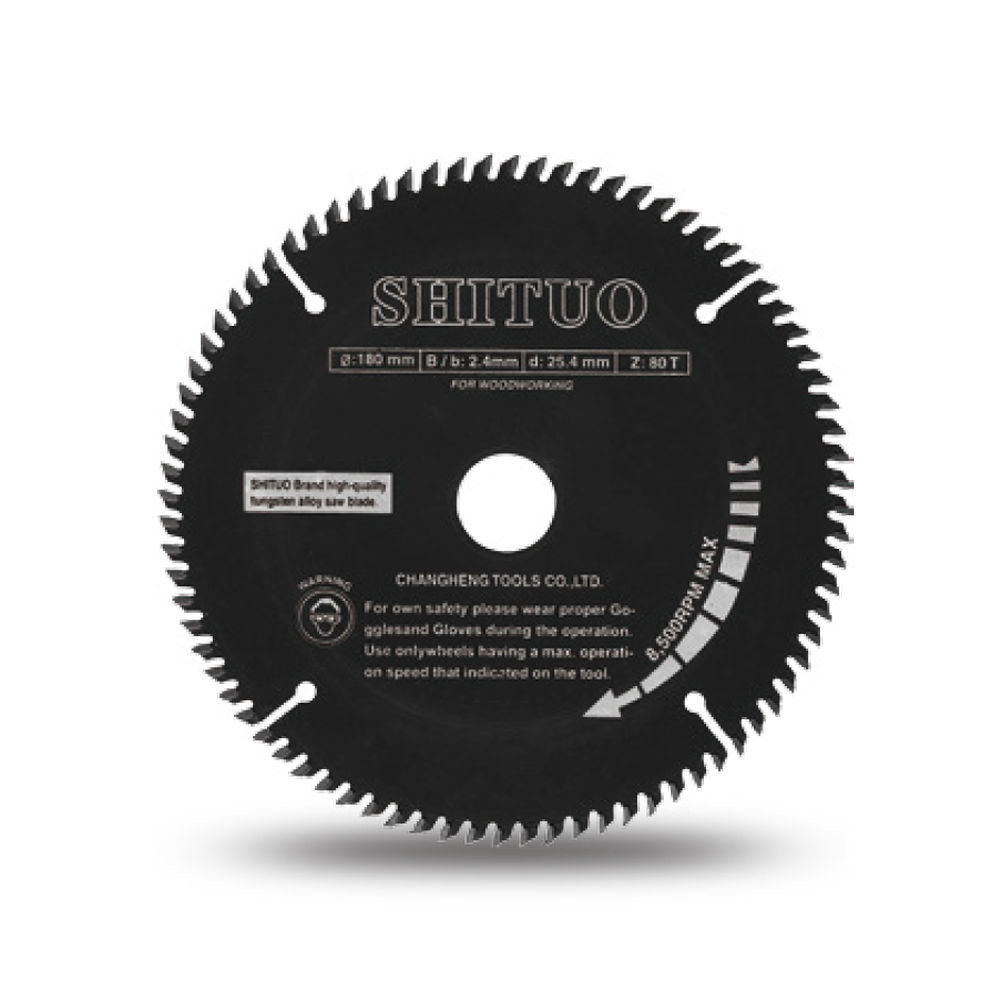
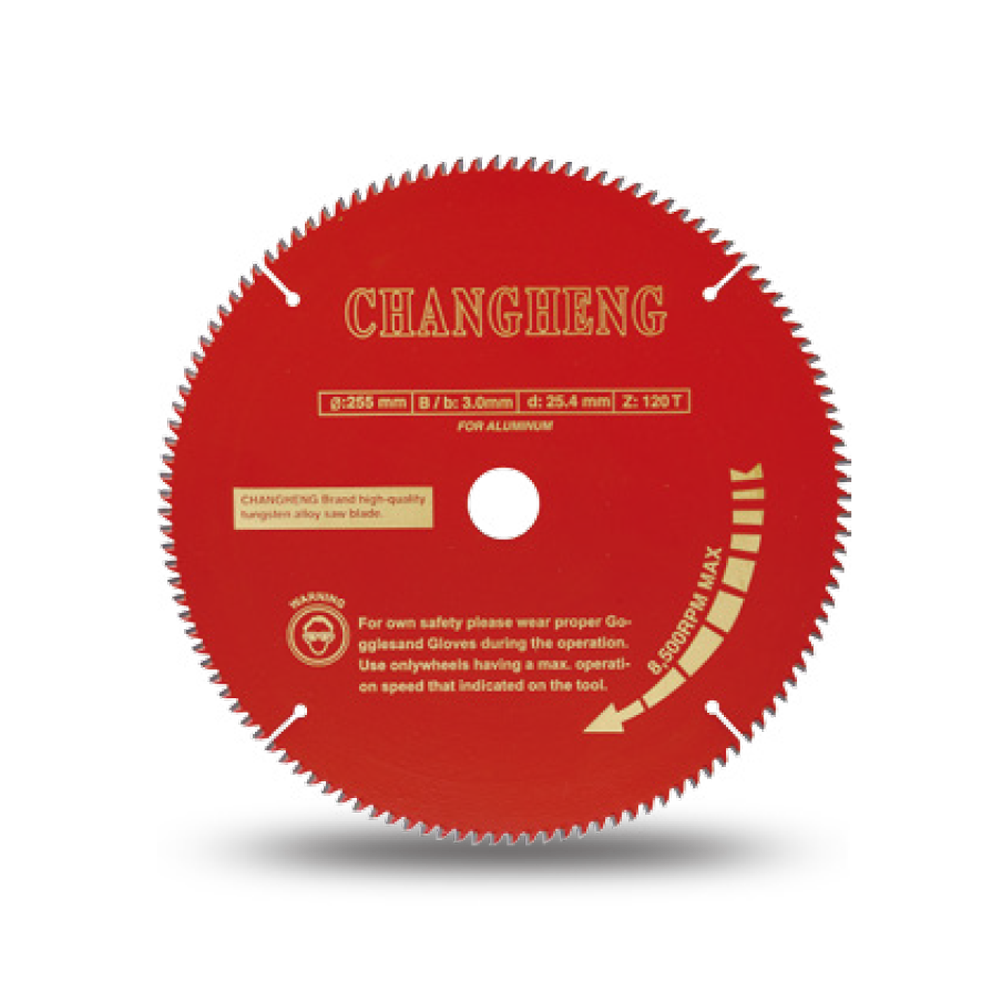
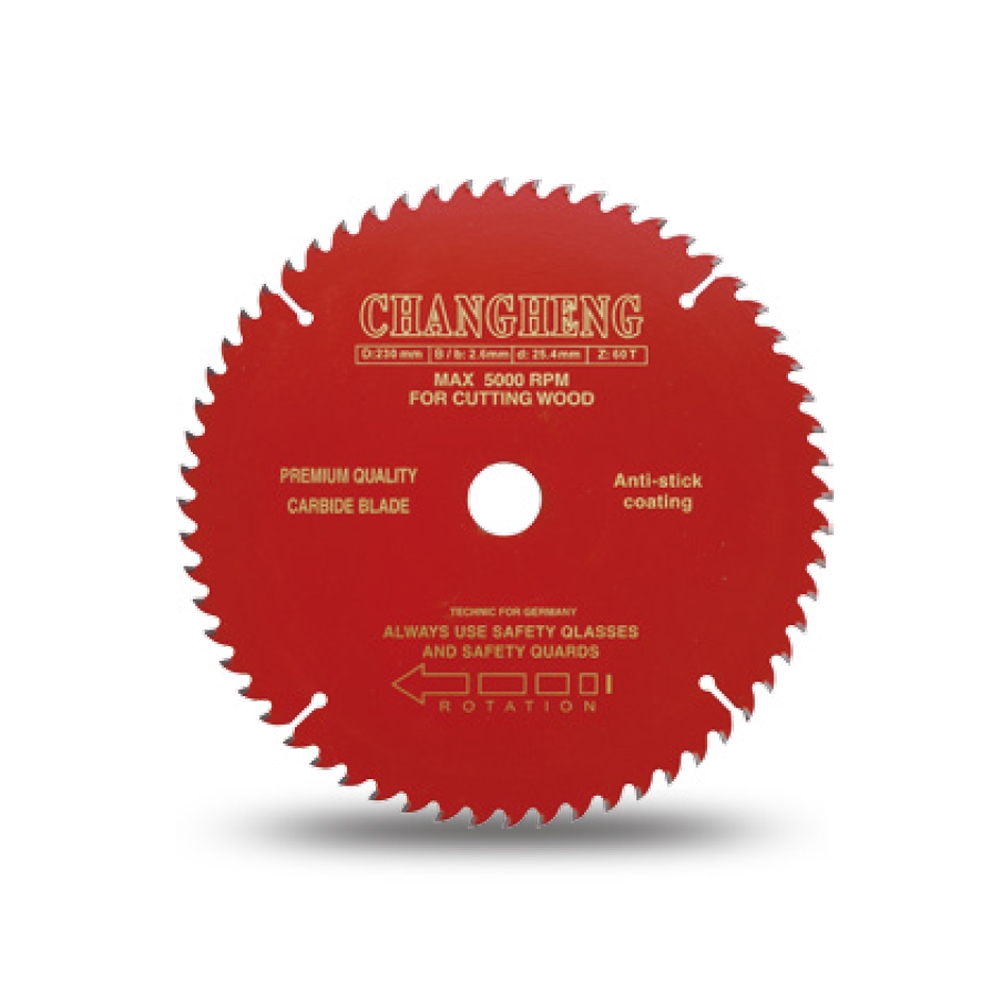
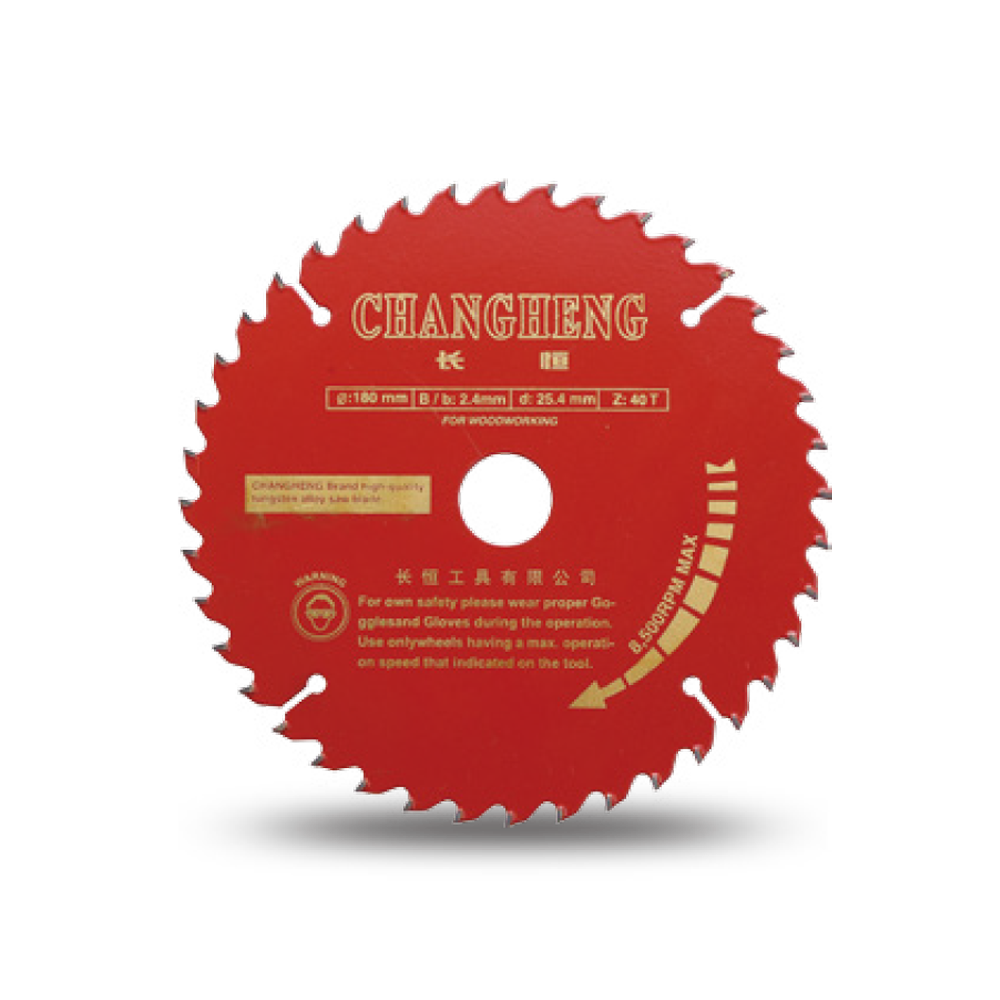
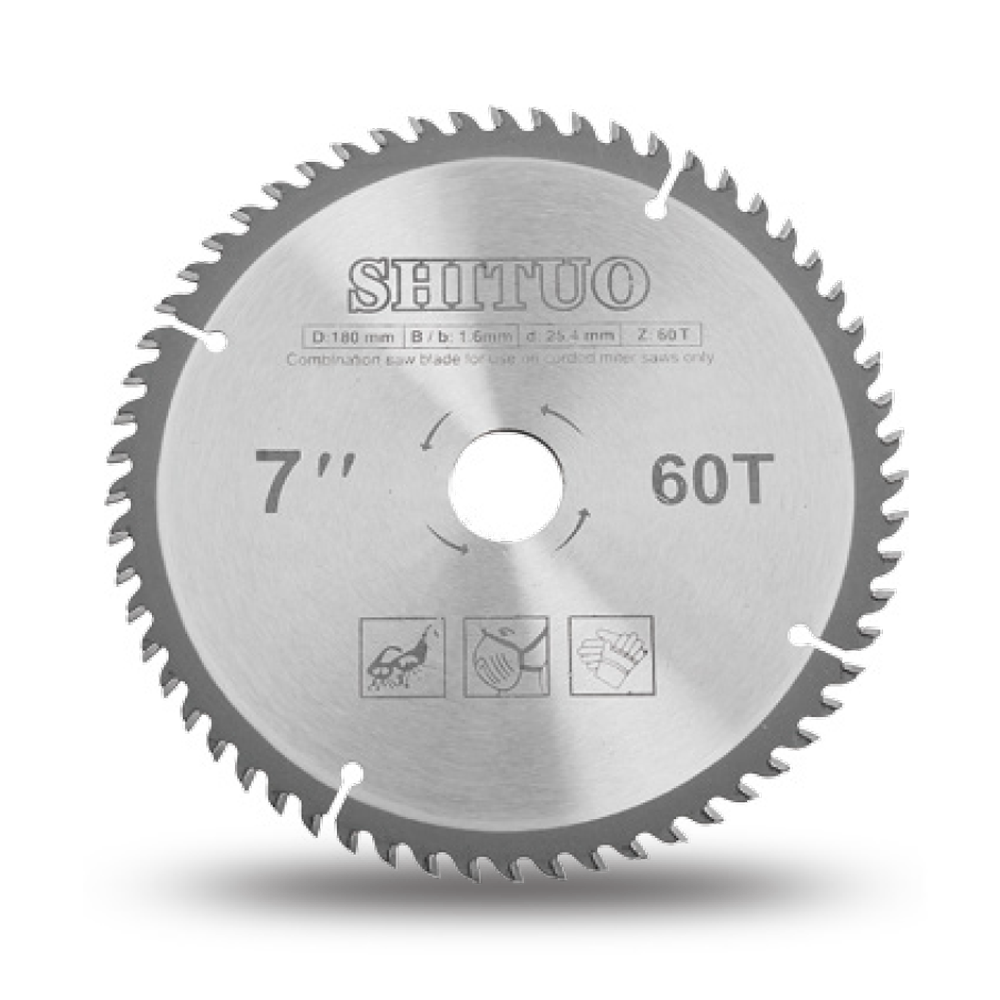
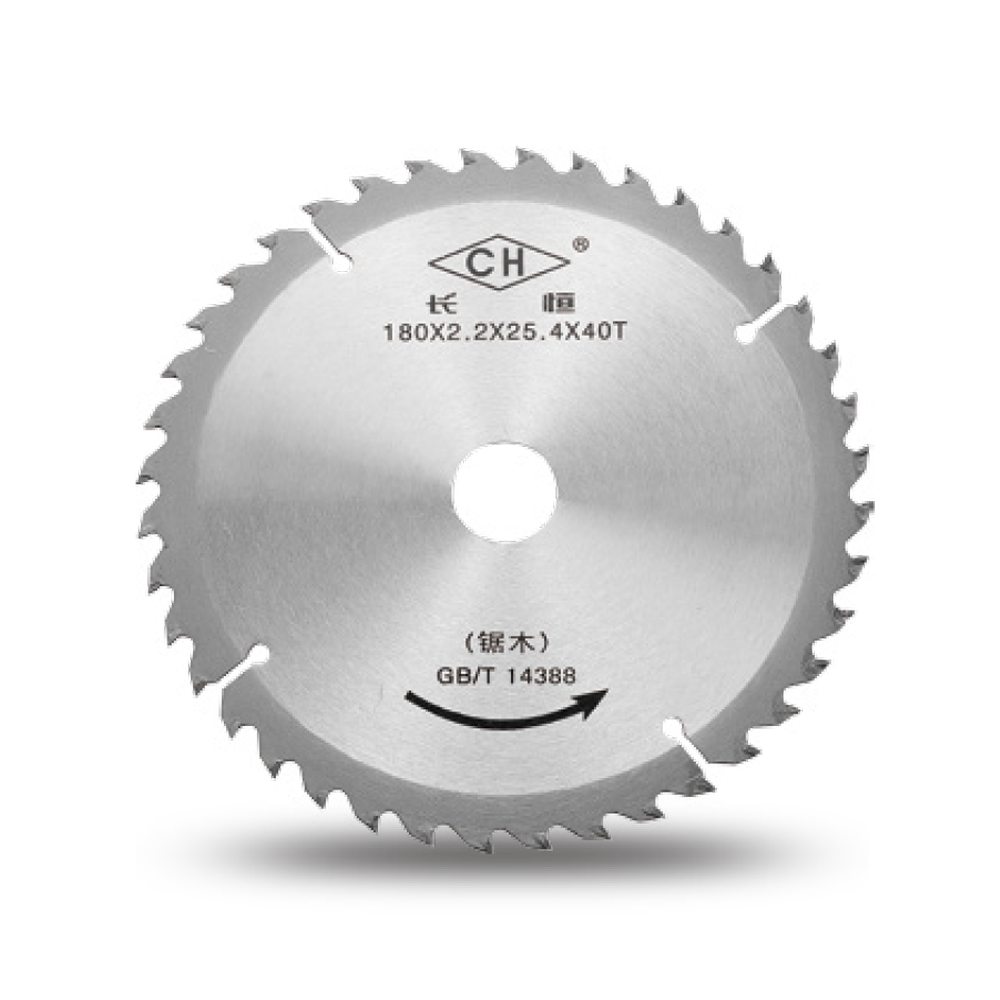
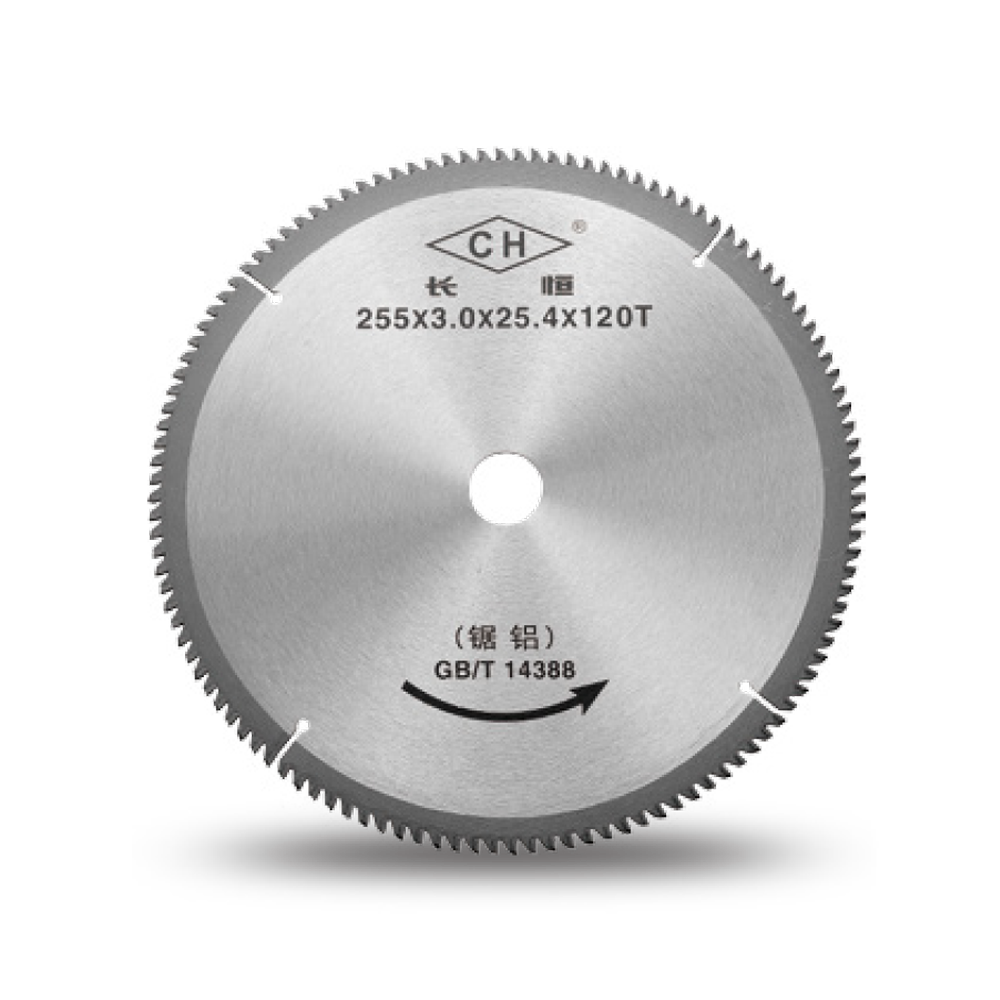
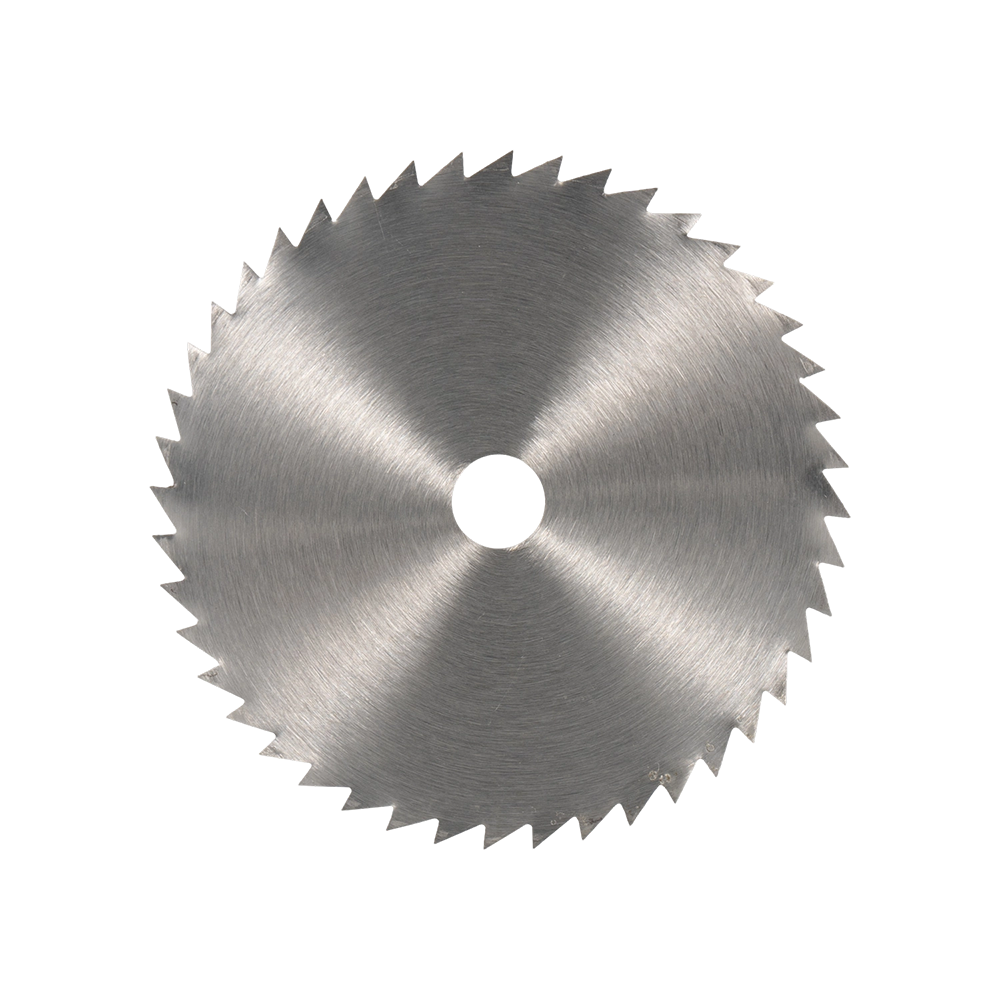
TCT Saw Blades (Tungsten Carbide Tipped Circular Saw Blades) are manufactured with high-strength alloy steel bodies and premium tungsten carbide tips, which are precisely brazed under high-temperature processes. They offer nice wear resistance, sharp cutting performance, and extended service life. These blades are widely used for cutting wood, plywood, MDF, particle board, aluminum profiles, and plastic materials. Various tooth geometries such as ATB (Alternate Top Bevel), TCG (Triple Chip Grind), and FTG (Flat Top Grind) are available to meet different cutting requirements. Multiple diameter and bore size options ensure compatibility with table saws, panel saws, sliding saws, and cutting machines. The blades deliver stable operation, smooth cutting surfaces, and improved production efficiency.
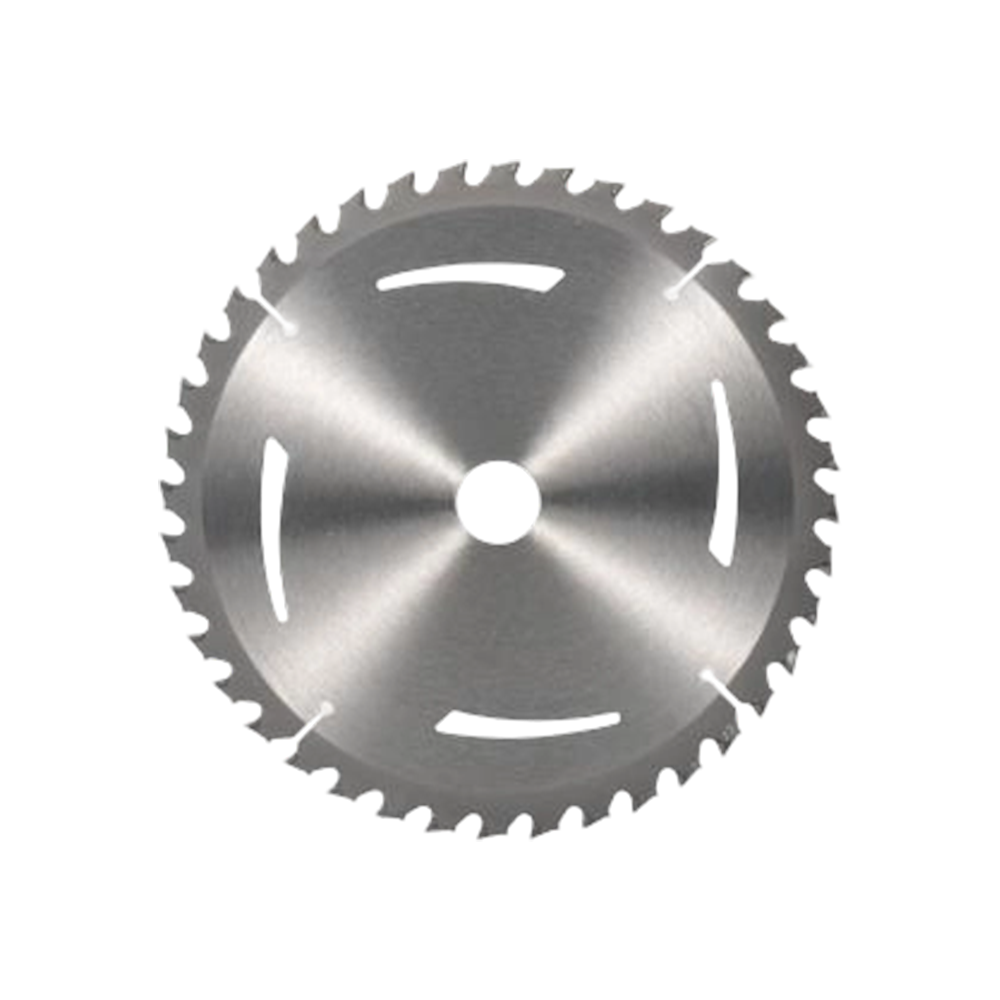
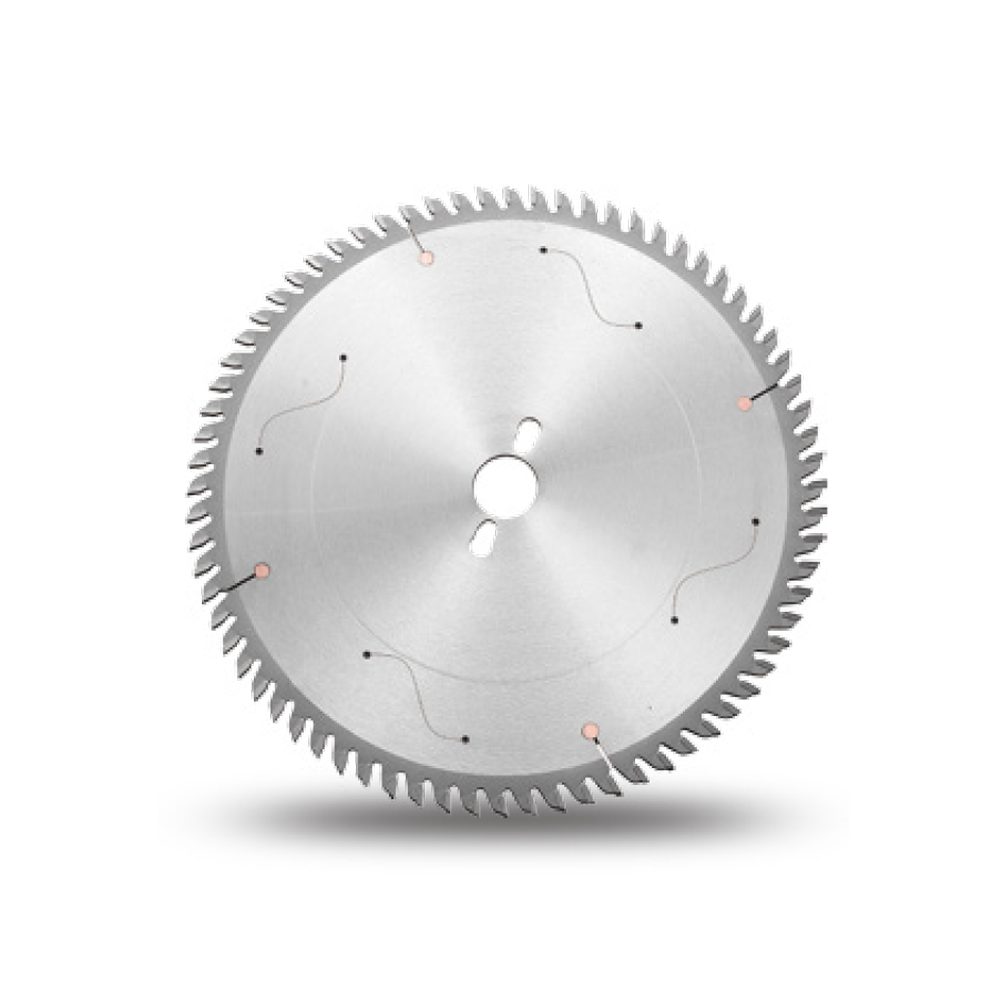
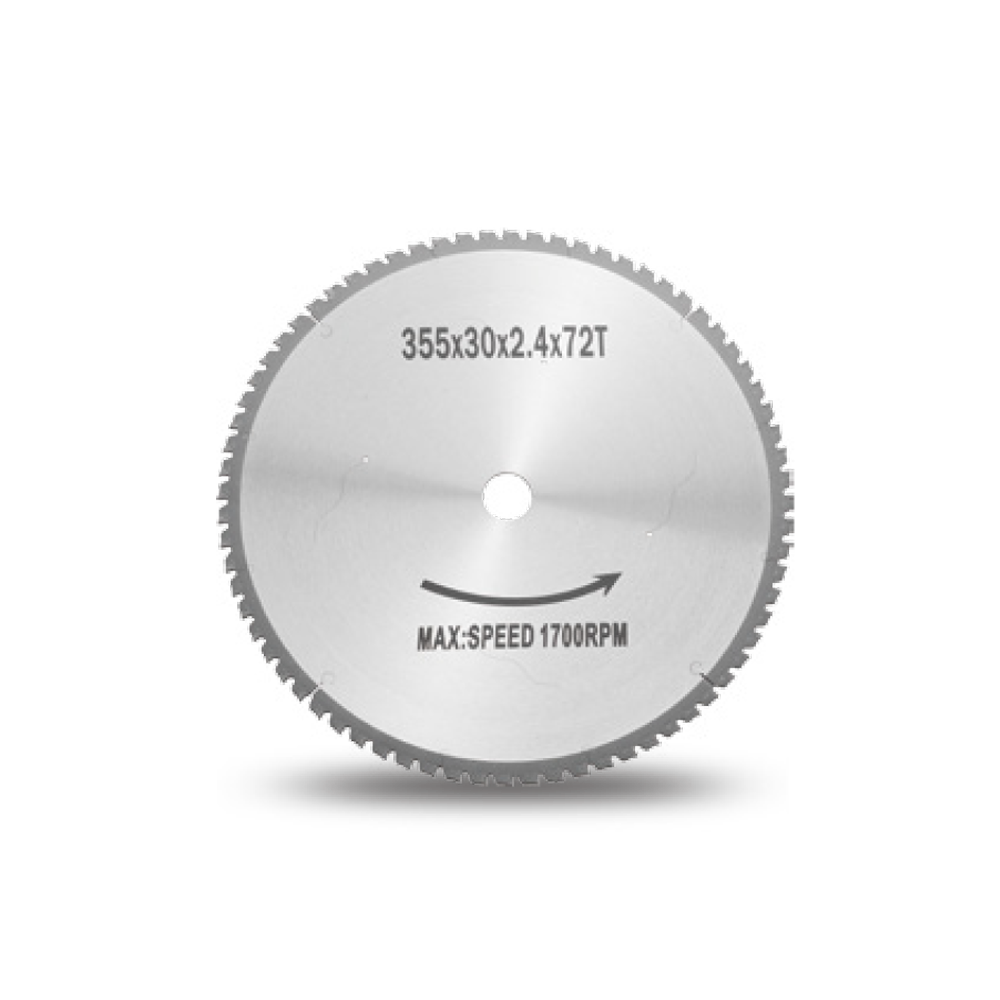
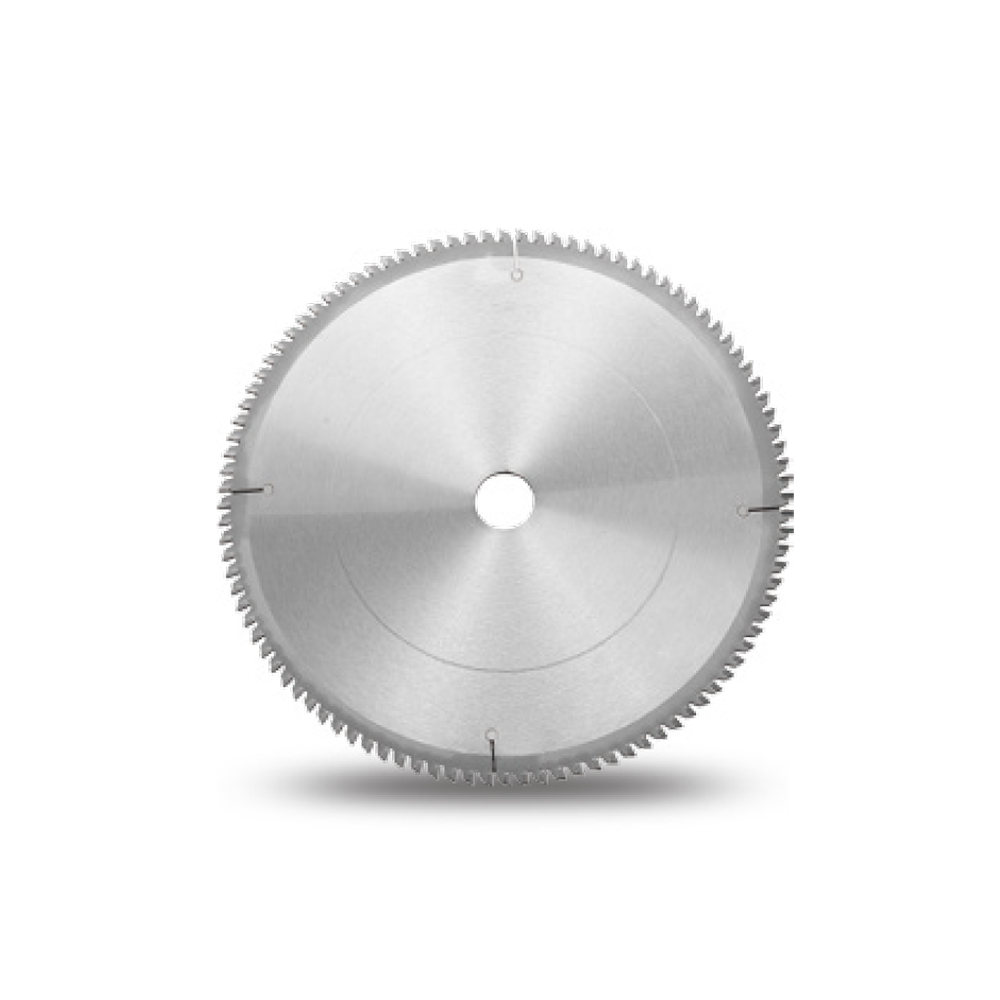
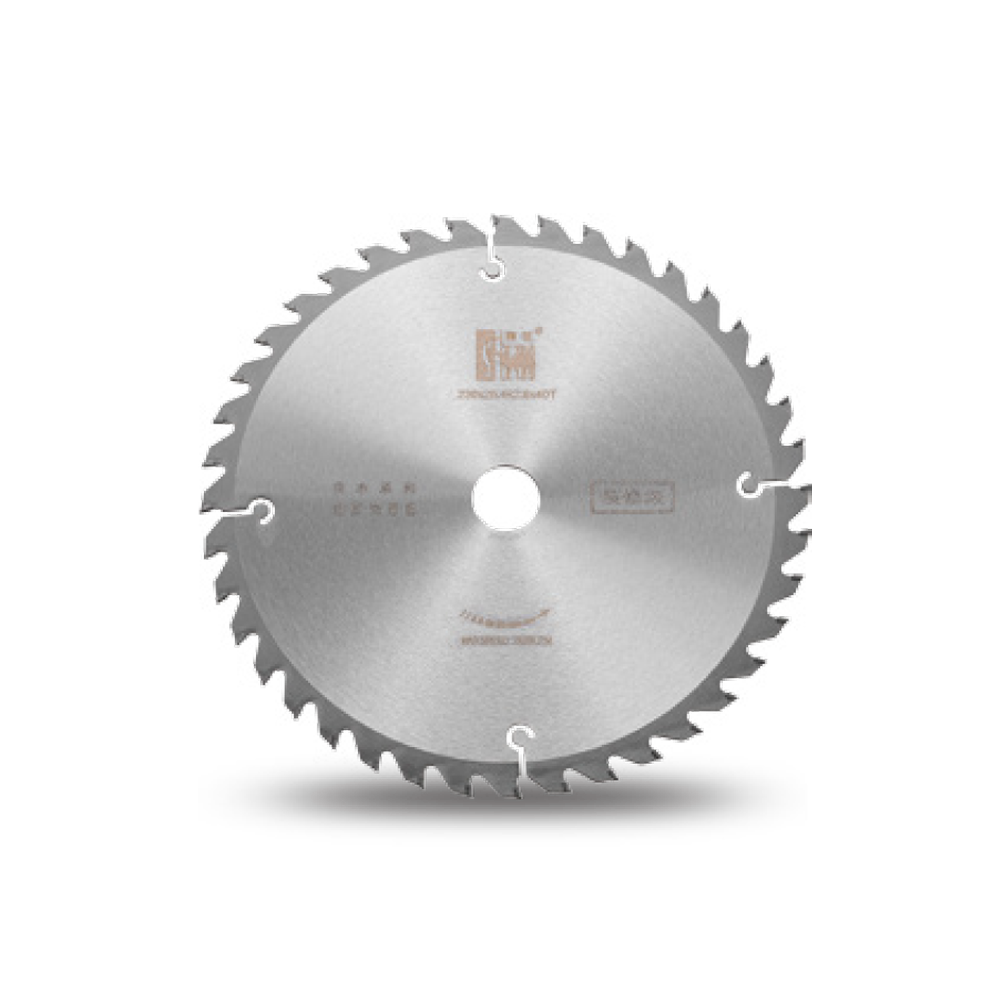
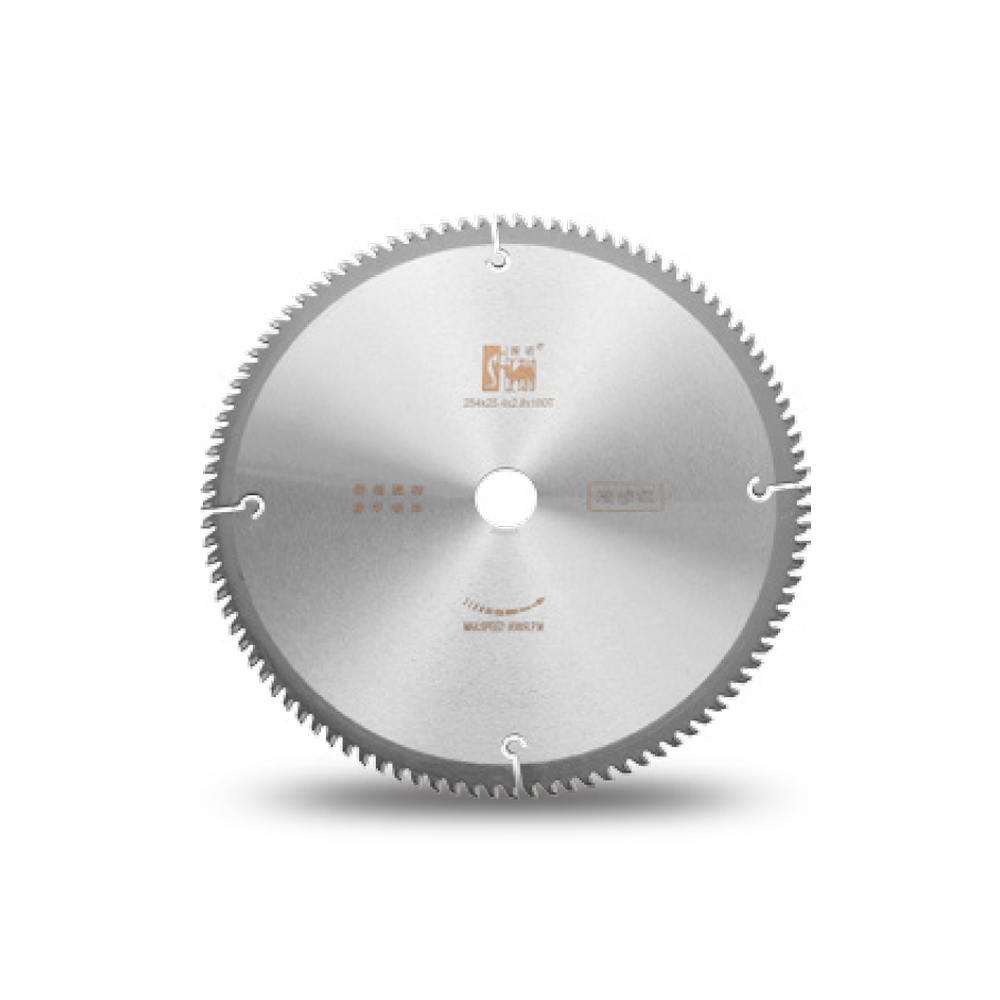
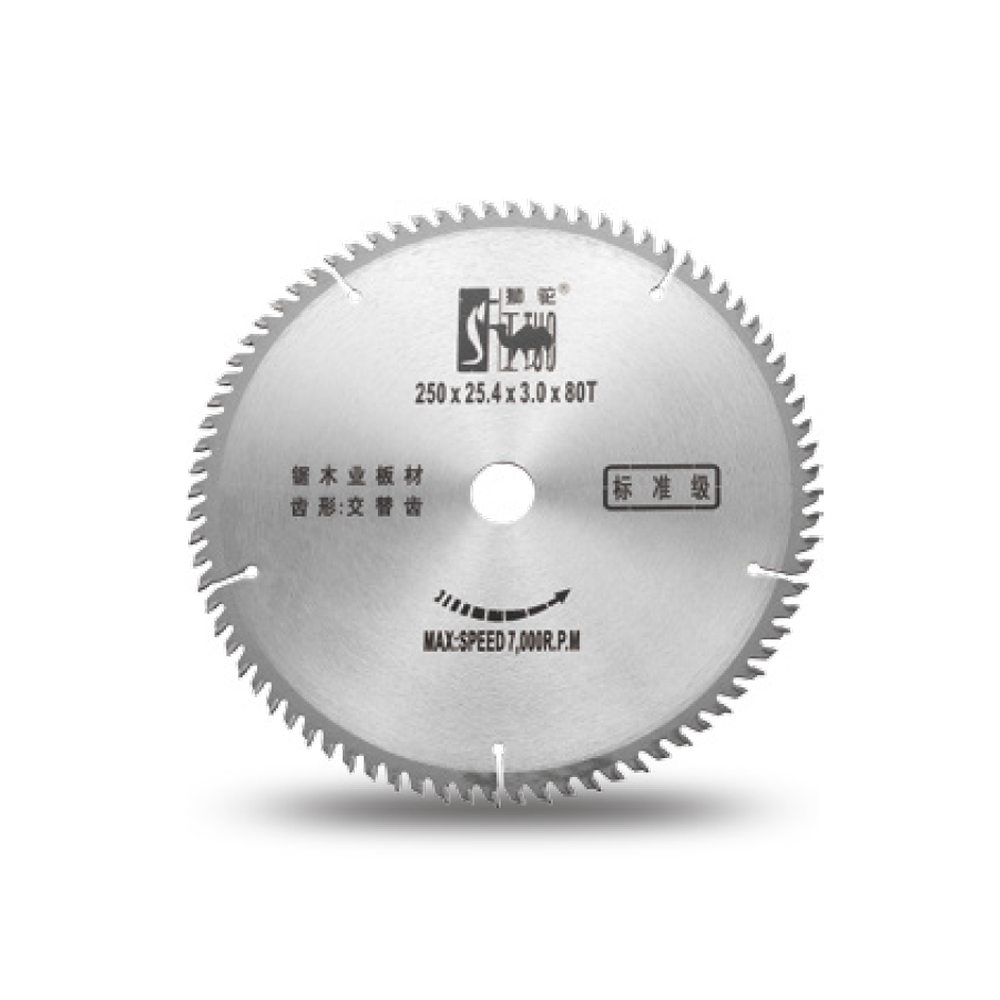
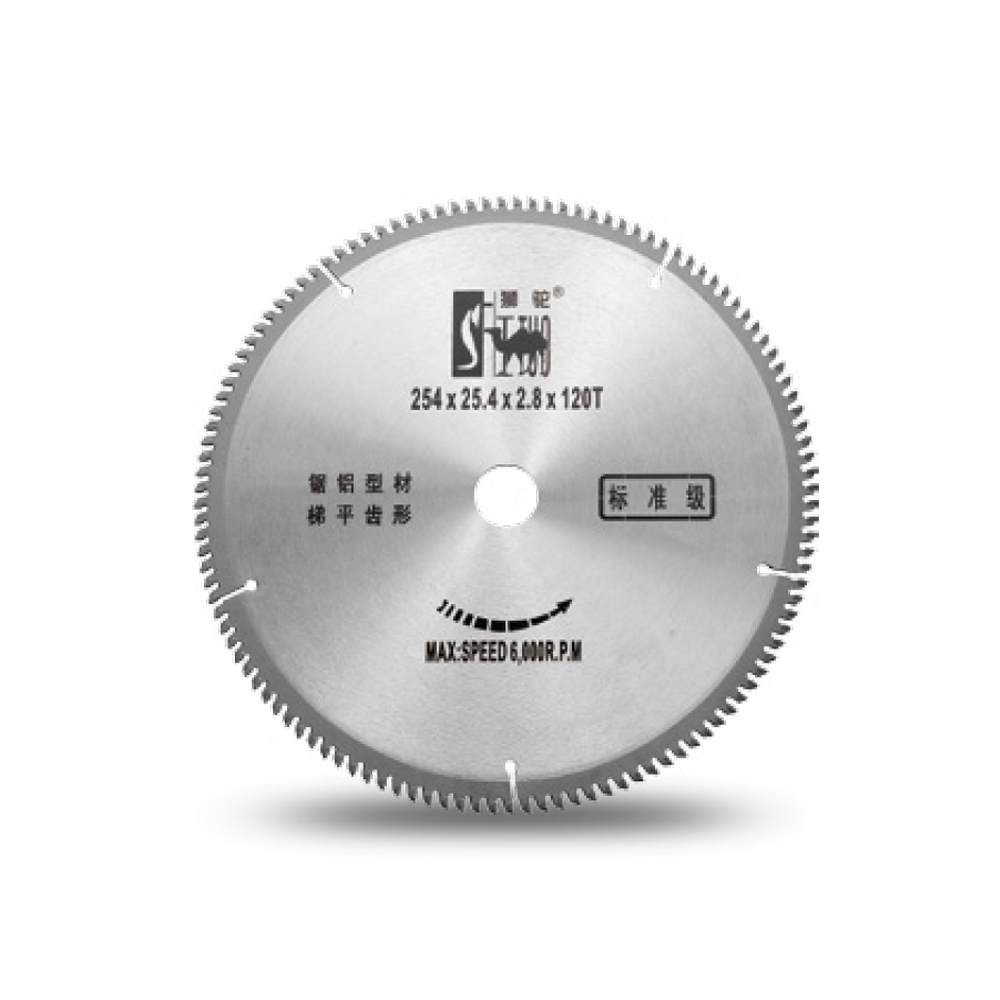
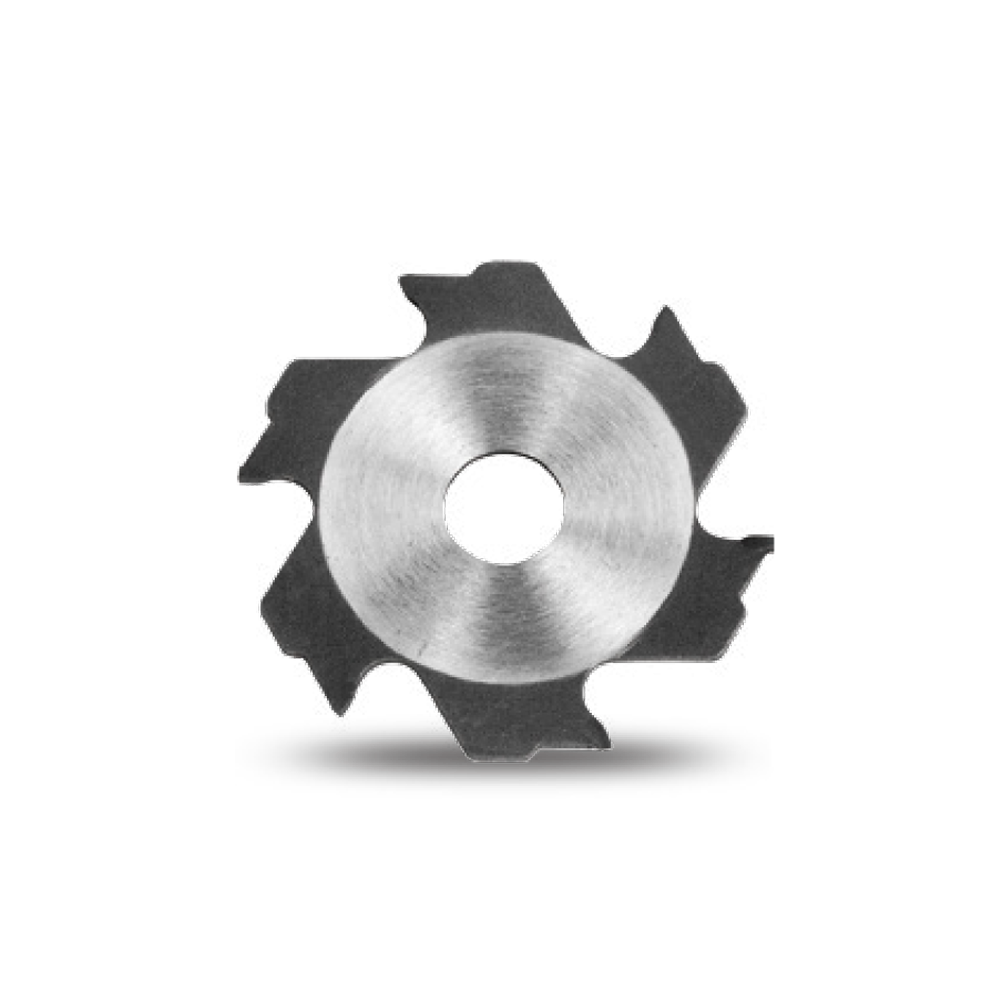
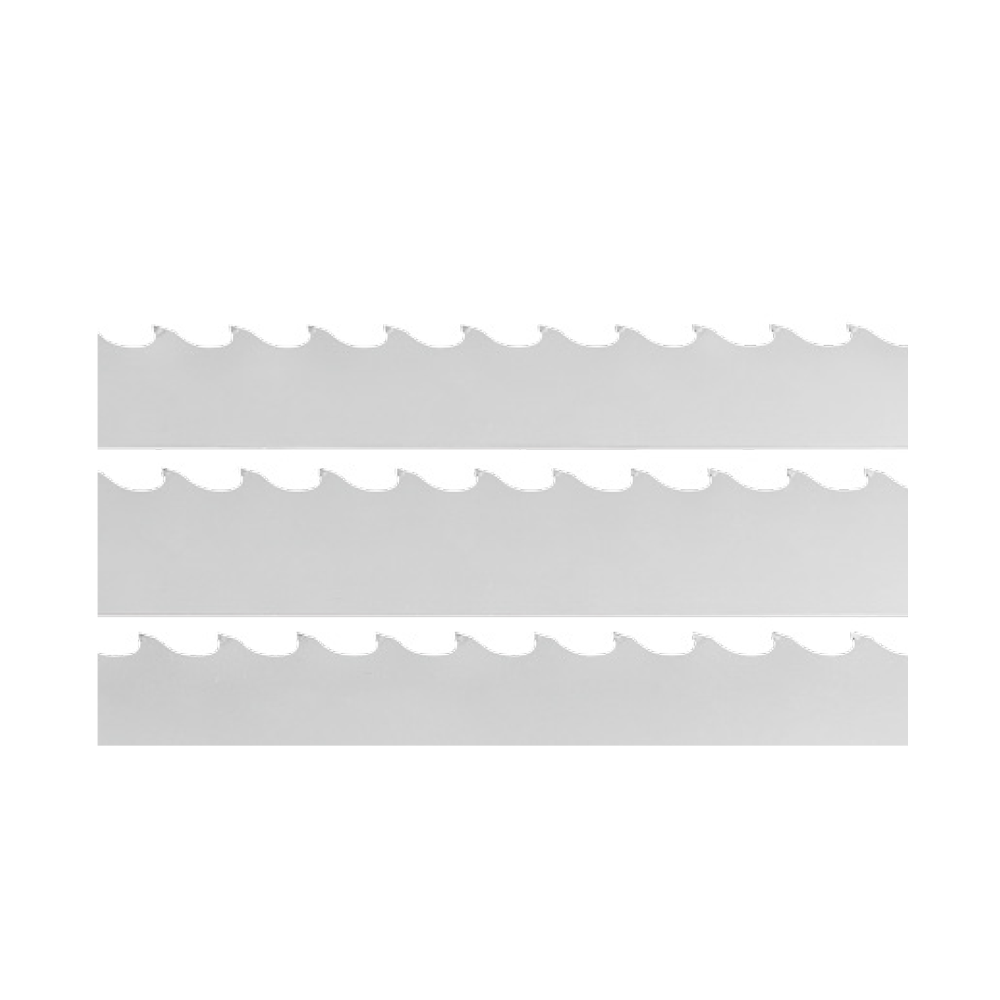
Band Saw Blades are continuous loop cutting tools manufactured from high-quality alloy steel or bi-metal materials, providing excellent flexibility, fatigue resistance, and durability. They are suitable for straight and contour cutting applications in woodworking, metal fabrication, furniture production, and steel processing industries. A wide range of tooth pitches, tooth profiles, and blade widths are available to accommodate various material thicknesses and hardness levels. With narrow kerf width and efficient material utilization, band saw blades help reduce material waste while improving cutting precision and operational productivity.

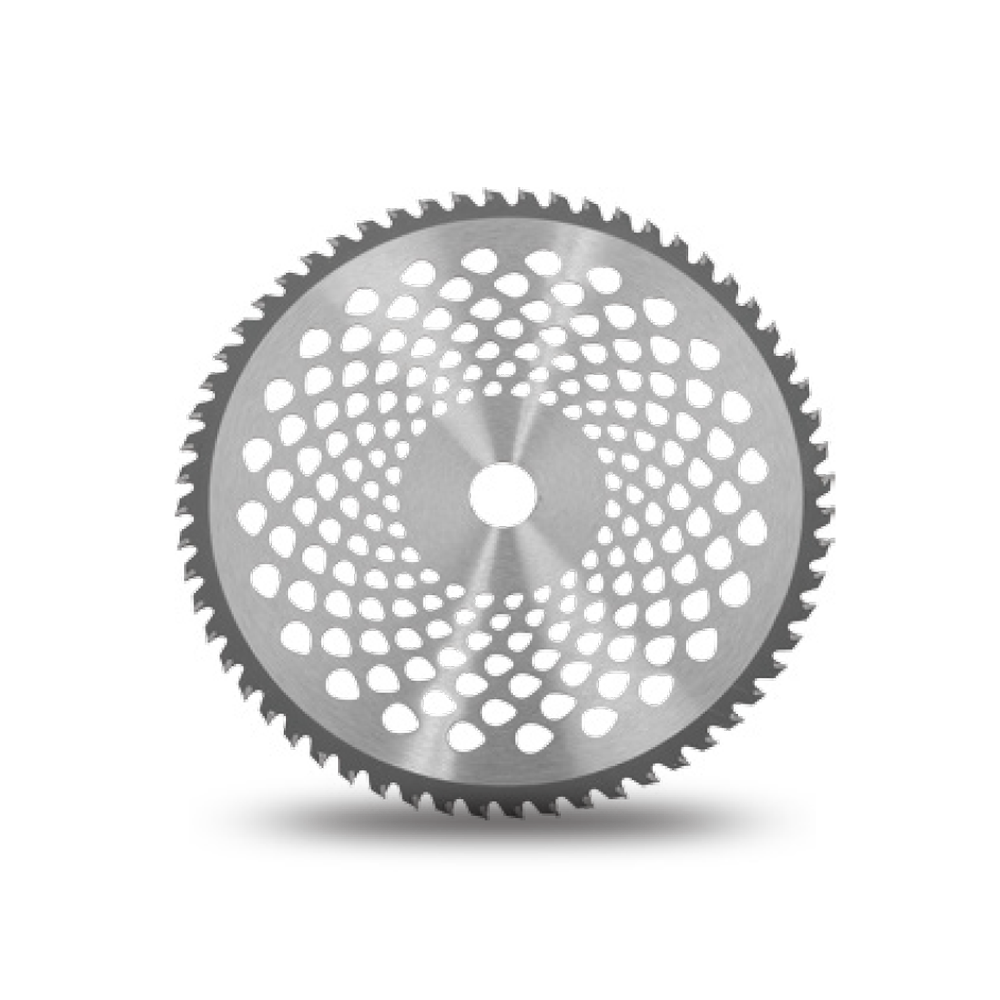
Brush Cutter Blades are designed for use with brush cutters and grass trimmers, ideal for cutting grass, weeds, shrubs, and small branches. Manufactured from high-carbon steel or alloy steel and heat-treated for enhanced hardness and wear resistance, these blades provide reliable impact strength and long-lasting cutting performance. Different configurations such as 2-tooth, 3-tooth, multi-tooth, and circular saw-type blades are available to meet various vegetation clearing requirements. Easy installation and efficient cutting performance make them suitable for landscaping, agricultural maintenance, forestry operations, and roadside vegetation management.

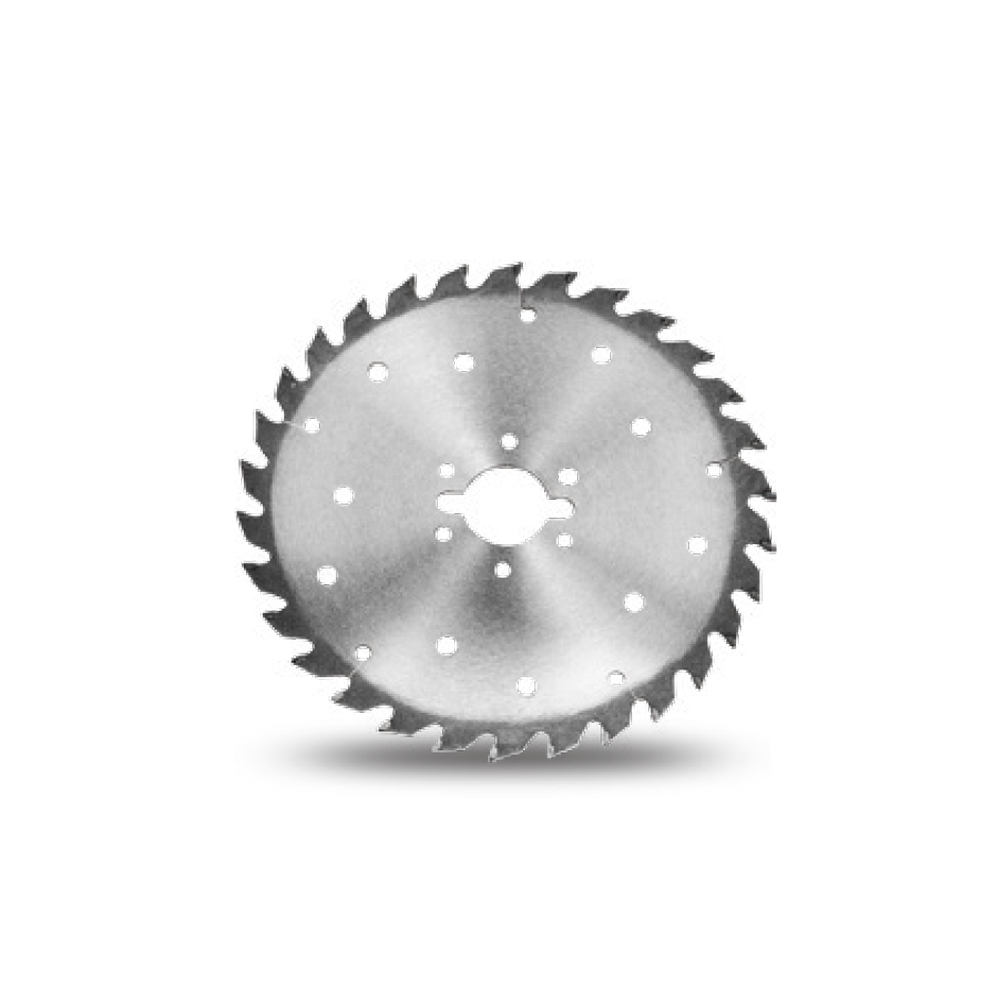
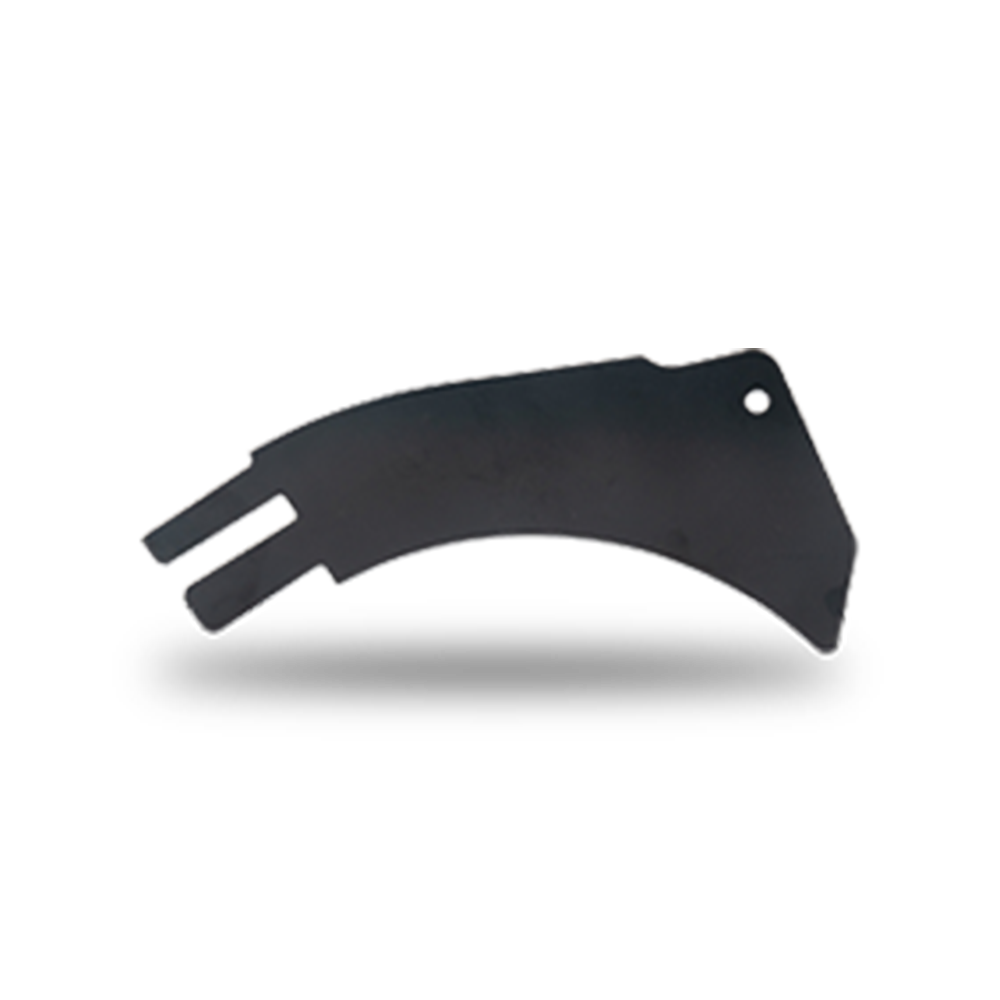
A Riving Knife is an important safety component installed behind the circular saw blade to prevent material pinching and kickback during cutting operations. Manufactured from high-strength steel plates, it provides excellent rigidity and stability, ensuring a consistent cutting path and improved operational safety. The thickness of the riving knife is precisely matched to the corresponding saw blade specifications to ensure proper alignment and performance. Suitable for various table saws and woodworking machines, the riving knife significantly reduces safety risks and enhances overall cutting stability, making it an indispensable safety accessory in woodworking applications.
Durable Saw Blades for Stable, Long-Run Performance
What these blades actually are in everyday use
Tungsten carbide saw blades are designed for one reason: to keep cutting when standard blades start to give up.
The working edge is reinforced with tungsten carbide, which holds sharpness far better than standard steel. In practice, that usually shows up in one simple way—less frequent blade changes and fewer "why is this cutting so rough now" moments.
In most shops, these blades end up in the category of durable saw blades used when consistency matters more than upfront cost.
Cutting stainless steel: where the difference becomes obvious
Stainless steel is usually the point where blade quality becomes very obvious.
Standard stainless steel cutting blades tend to behave well at the beginning, then slowly drift into frustration territory—more heat, more resistance, and edges that stop looking clean.
Carbide blades don't eliminate those problems, but they delay them enough to change how the work feels. Cutting stays smoother over longer runs, and the edge quality doesn't drop off as quickly.
One noticeable detail is the heat behavior. Instead of the blade feeling like it's "fighting" the material halfway through a batch, the resistance stays more stable. That alone changes how predictable the whole process becomes.
Wear and lifespan: not magic, just more controlled
A common misconception is that carbide blades "last forever." That's not really the case.
What actually changes is how they wear out.
Instead of a fast decline where cutting quality suddenly becomes unusable, wear happens more gradually. Edge sharpness fades in a slower curve, which makes it easier to notice and replace before the results get bad.
That kind of predictability matters more than raw lifespan in production work. It reduces surprises mid-job.
Of course, they still chip if handled poorly or if a hidden fastener gets hit at the wrong angle. Hard material doesn't mean indestructible.
Noise and vibration: a small detail that becomes noticeable over time
Some blade designs marketed as low-noise saw blades don't feel dramatically different at first glance.
But after longer use, the difference shows up in fatigue more than in sound level alone.
Less vibration means steadier control, especially on longer straight cuts. Noise also tends to be less sharp or high-pitched, which makes extended work sessions easier for the operator.
It's not a dramatic transformation, but it adds up across a full day of cutting.
Where carbide blades make sense (and where they don't)
Carbide blades tend to make the most sense in situations like:
- Repeated stainless steel cutting
- production-style woodworking with MDF or plywood
- mixed-material cutting where conditions aren't predictable
- workshop or site work where downtime is expensive
On the other hand, lighter occasional use doesn't always justify the cost. If cutting happens rarely or materials are soft, the performance difference may not feel significant enough to matter.
Comparison with other common blade types
Basic steel blades
Cheap and easy to replace, but they wear quickly. Edge quality drops fast once heat builds up.
Standard stainless steel cutting blades
A step up in durability, but still sensitive to prolonged heat and heavy workloads.
Carbide blades
More stable across time, especially under repetitive use. The main advantage is consistency rather than peak cutting power.
Specialized abrasive or diamond blades
Stronger in very specific materials like stone or ceramics, but not as versatile for general workshop use.
What usually matters when choosing one
Selection usually comes down to a few practical points rather than brand or marketing claims:
- tooth pattern (smooth finish vs cutting speed)
- blade thickness (stability vs speed trade-off)
- slot design for heat and vibration control
- material rating for stainless steel use
- whether the design actually reduces noise or claims it
Small differences here often matter more than the carbide label itself.
Final impression
Tungsten carbide saw blades are less about hype and more about reducing small frustrations that build up during repetitive cutting.
Compared to standard stainless steel cutting blades, the biggest change isn't just durability—it's consistency over time. Cuts stay more predictable, interruptions happen less often, and blade performance doesn't fall off as abruptly.
When noise-reduction design is added into the mix, the result is simply a more stable working experience, especially in longer sessions or higher-volume environments.
keep in touch
-
We are committed to providing durable, reliable, and efficient cutting solutions for global B2B clients and partners.
-
Useful Links
Home Products About Us Manufacturing Custom Service News Contact Us -
Contact Us
+86-579-89270208
+86-579-89270636ch001@changhengsaws.comNo. 102, Huacheng East Road, Chengxi Industrial Zone, Yongkang, Zhejiang, China -
Mobile Web
