



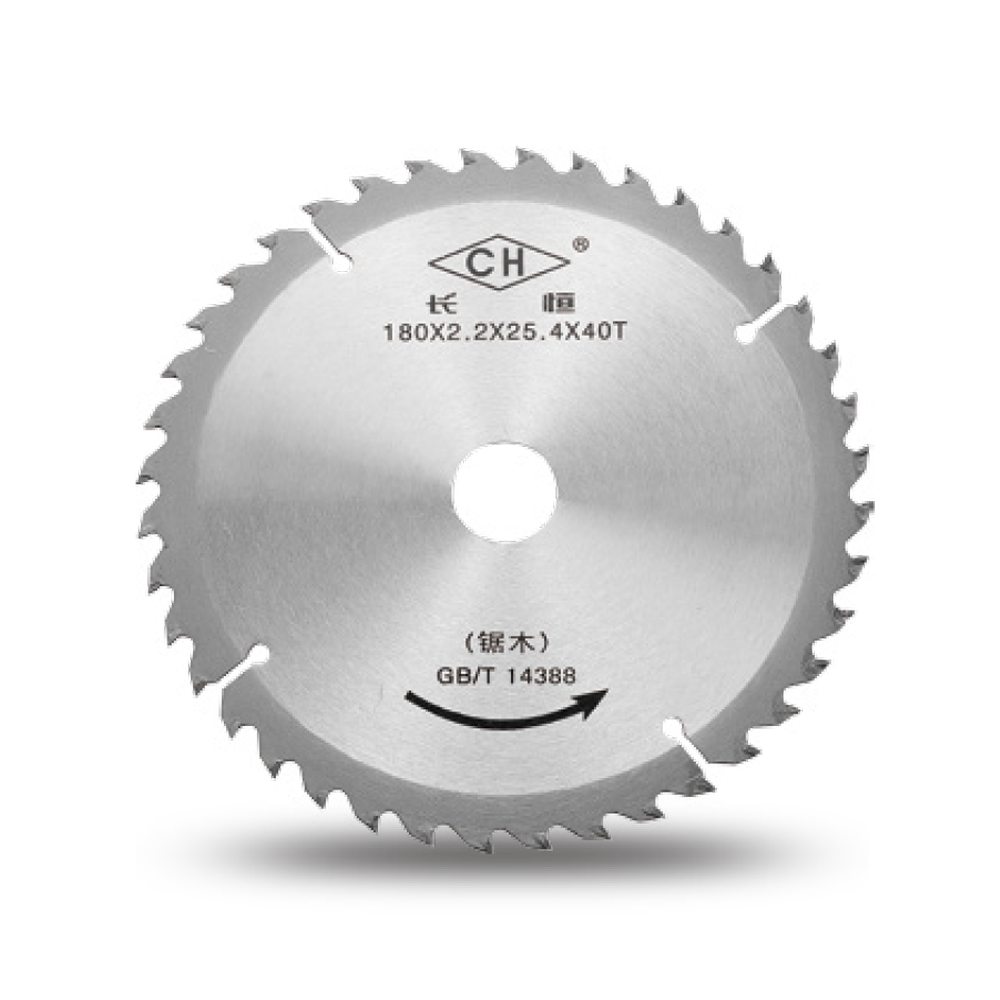
Universal Wood Circular Saw Blade
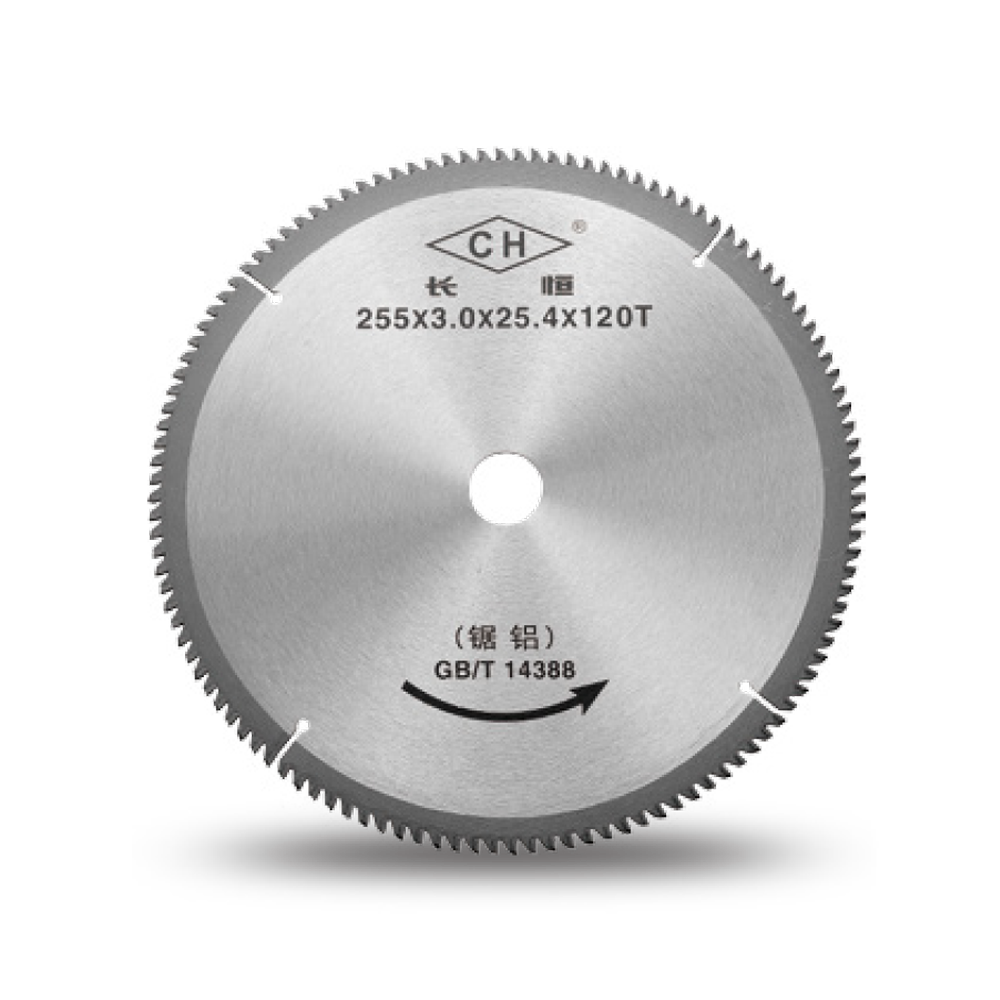
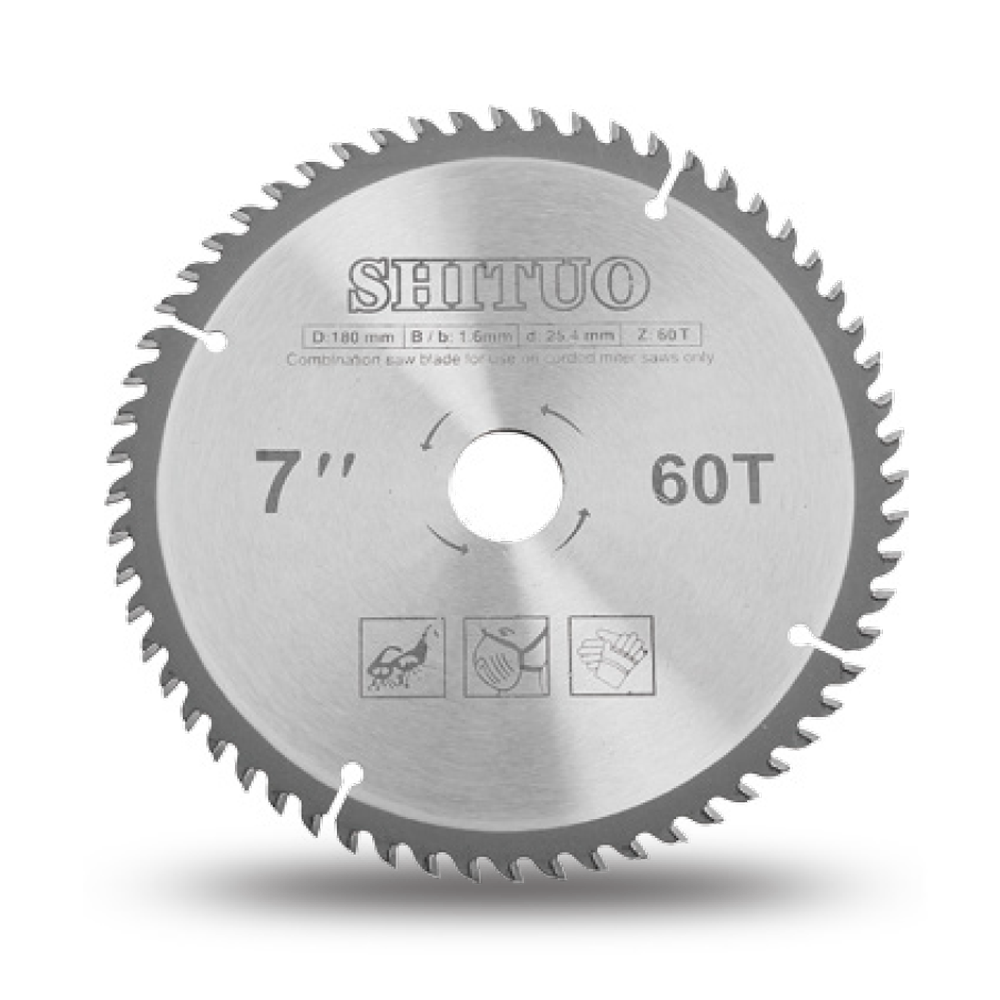
The Universal Wood Circular Saw Blade is manufactured with a high-quality alloy steel body and premium carbide tips, ensuring stable structure and reliable performance for various woodworking applications. The blade features a middle alternate top bevel tooth design (ATB), which effectively reduces cutting resistance and provides smooth cutting results when processing softwood, hardwood, and different types of engineered wood materials such as plywood, particle board, and MDF.
This blade balances sharpness and durability, maintaining efficient cutting performance while extending service life. It is suitable for table saws, sliding table saws, and standard woodworking cutting machines. Designed for general-purpose applications, this saw blade is a widely used basic solution for everyday wood cutting requirements in furniture manufacturing, panel processing, and construction projects.
Tooth shape: ATB
Applicable: cutting for solid wood,wood-based panel.
 Product Parameters
| Dimension | Base thickness (mm) | Kerf (mm) | Hold diameter (mm) | Teeth num. | |||||||||||||||||||||||||
| Inch | Metric (mm) | ||||||||||||||||||||||||||||
| 4" | 110mm | 1.0 | 1.6 | 20 | 20T 30T 40T | ||||||||||||||||||||||||
| 5" | 125mm | 1.0 | 1.6 | 20 | 20T 30T 40T | ||||||||||||||||||||||||
| 6" | 150mm | 1.2 | 1.8 | 20/25.4 | 40T 60T | ||||||||||||||||||||||||
| 7" | 180mm | 1.2 | 1.8 | 20/25.4 | 40T 60T | ||||||||||||||||||||||||
| 8" | 200mm | 1.3 | 2.0 | 20/25.4 | 40T 60T 80T 100T | ||||||||||||||||||||||||
| 9" | 230mm | 1.4 | 2.2 | 20/25.4 | 40T 60T 80T 100T | ||||||||||||||||||||||||
| 10" | 250mm | 1.6 | 2.4 | 25.4/30 | 40T 60T 80T 100T 120T | ||||||||||||||||||||||||
| 12" | 300mm | 1.7 | 2.6 | 25.4/30 | 40T 60T 80T 100T 120T | ||||||||||||||||||||||||
| 14" | 350mm | 2.0 | 2.8 | 25.4/30 | 40T 60T 80T 100T 120T | ||||||||||||||||||||||||
| 16" | 400mm | 2.5 | 3.5 | 25.4/30 | 40T 60T 80T 100T 120T | ||||||||||||||||||||||||
| 18" | 450mm | 2.5 | 3.5 | 25.4/30 | 40T 60T 80T 100T 120T | ||||||||||||||||||||||||
| 20" | 500mm | 2.5 | 3.5 | 25.4/30 | 40T 60T 80T 100T 120T | ||||||||||||||||||||||||
For exclusive deals and latest offers, sign up by entering your email address below.

Rip Cut Blades Explained: Faster, Cleaner Cuts Along the Grain
How Rip Cut Blades Work in Everyday Woodworking
Ask any woodworker who has tried feeding a thick oak board into a table saw. If the blade fights back or leaves burn marks, chances are the blade choice was wrong for the job. This happens a lot when people use a universal blade for ripping. A rip cut blade serves one specific task: cutting wood along the grain.
What People Mean by a Rip Cut Blade
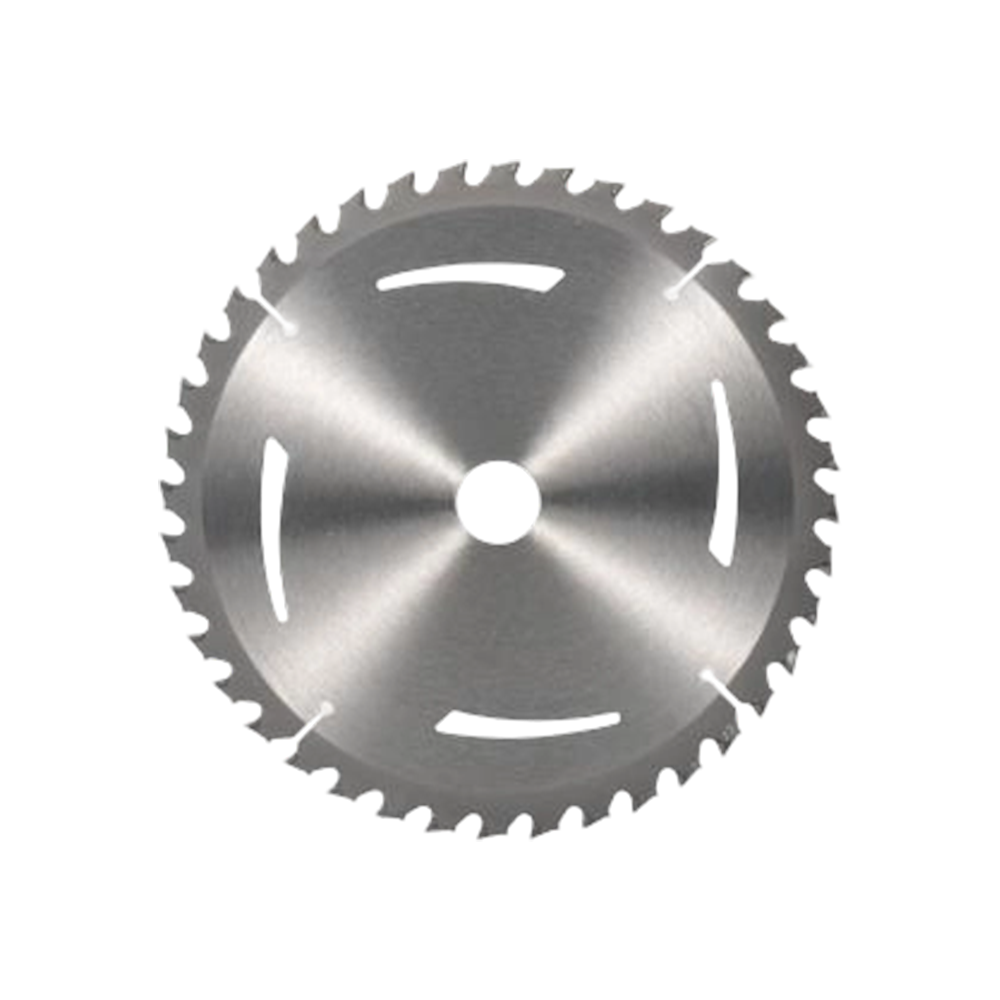
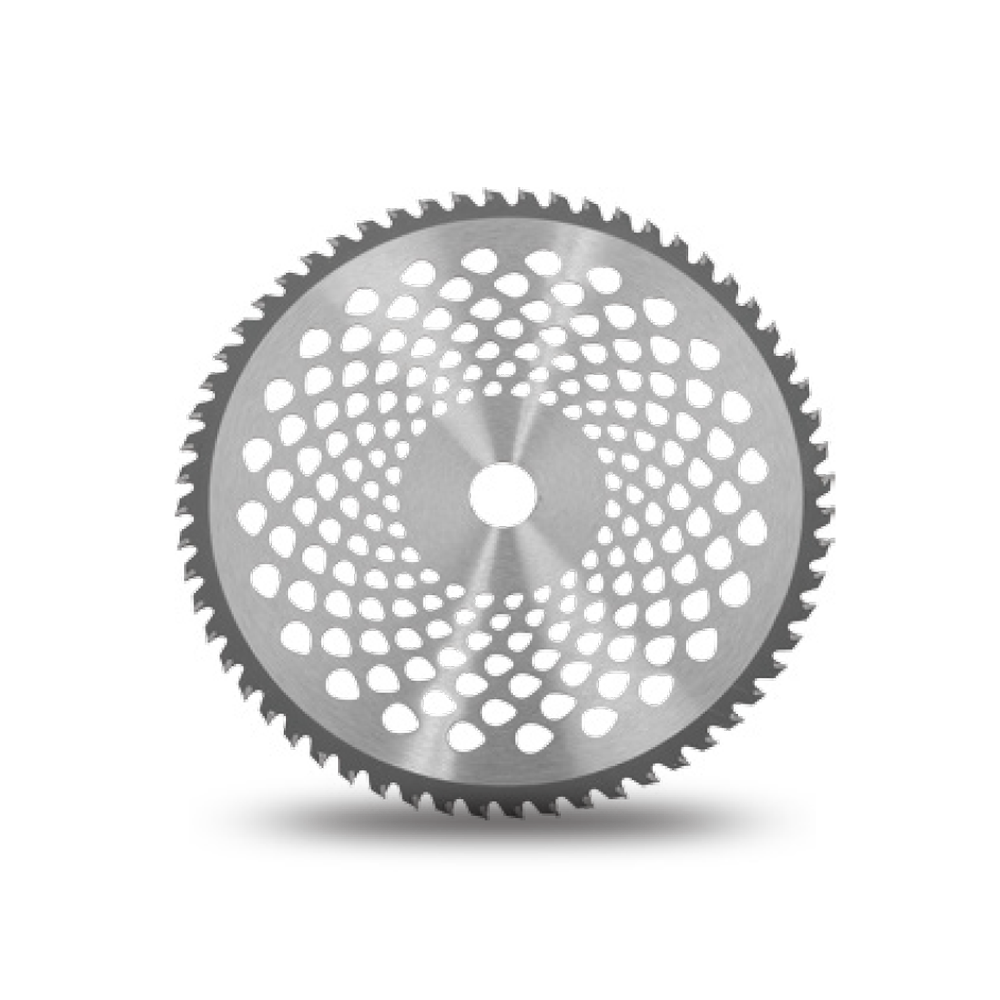
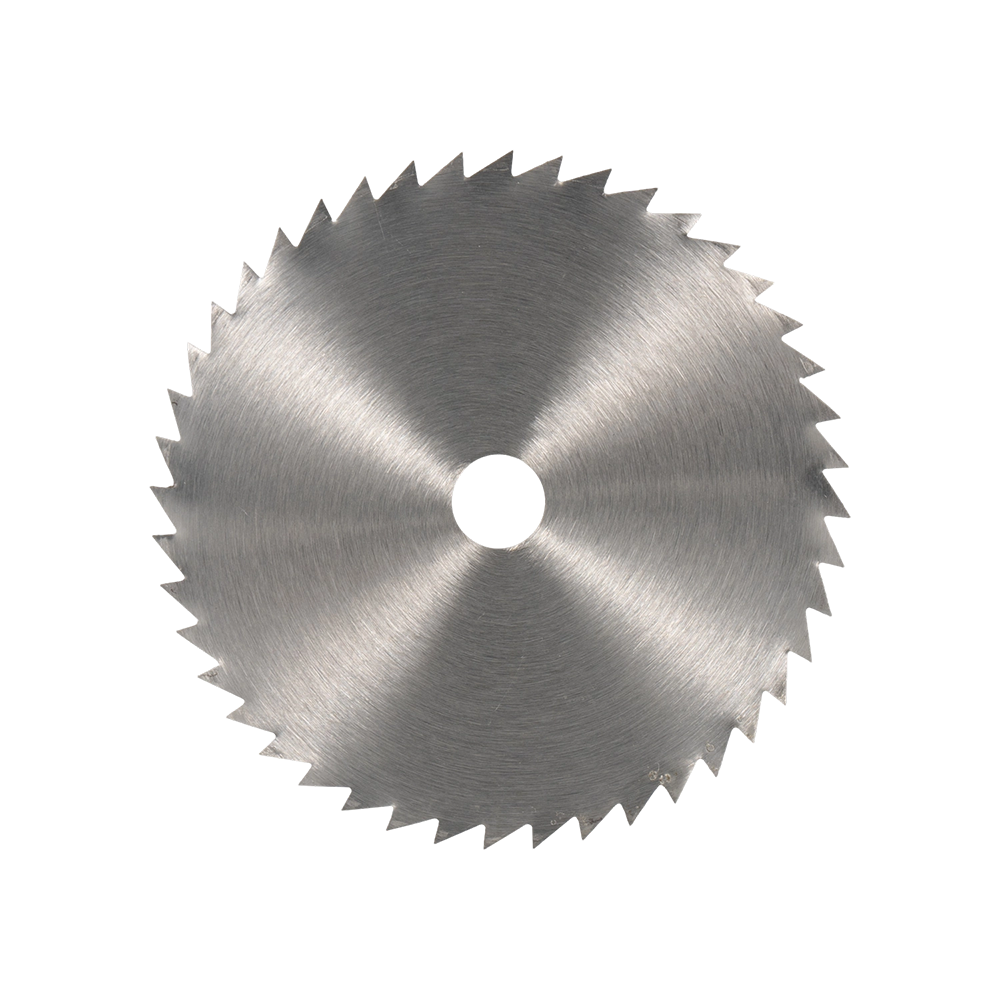
A rip cut blade looks different from other saw blades. Look closely at the teeth. Instead of having angled tips like a crosscut blade, each tooth has a flat top. That flat shape works like a small chisel. When the blade spins, each tooth scrapes away wood fibers along the grain line. Between the teeth, you will notice deeper gaps called gullets. These gaps carry sawdust out of the cut. Without those large gullets, the sawdust would pack up and overheat the blade.
Most rip blades have fewer teeth. A typical 10‑inch blade might carry 24 or 30 teeth. This lower tooth count reduces friction during long ripping passes. Some woodworkers keep one rip blade mounted on their table saw for months because they cut a lot of framing lumber or hardwood strips.
How Ripping Differs from Crosscutting
When you cut across the grain, a blade needs to slice wood fibers like a series of small knives. That is why alternate top bevel (ATB) teeth work well for crosscuts. But ripping follows the grain direction. The wood fibers separate along their natural lines. A flat tooth pushes through more easily. The machine does not have to work as hard.
Here is a simple test. Try ripping a 6‑foot long pine 2x4 with a fine‑tooth crosscut blade. The saw will struggle. The wood may smoke. You have to push slowly. Swap that blade for a rip cut blade. The same saw glides through. The cut edge feels rougher, but the task finishes faster. That rough edge cleans up with a plane or sander anyway.
When Woodworkers Reach for a Rip Cut Blade
Breaking down rough lumber – Someone building a dining table buys rough walnut boards. They need to rip those boards into narrower pieces for legs and aprons. A rip blade handles 8/4 hardwood without overheating.
Cutting plywood along the face grain – Even though plywood has crossed layers, ripping with the surface grain reduces edge chipping. Construction crews often switch to a rip blade when cutting long strips of birch plywood for shelving.
Framing jobs on site – Framers rip 2x6 studs to custom widths for window headers or rafter tails. The large gullets on a rip blade clear wet or treated lumber effectively.
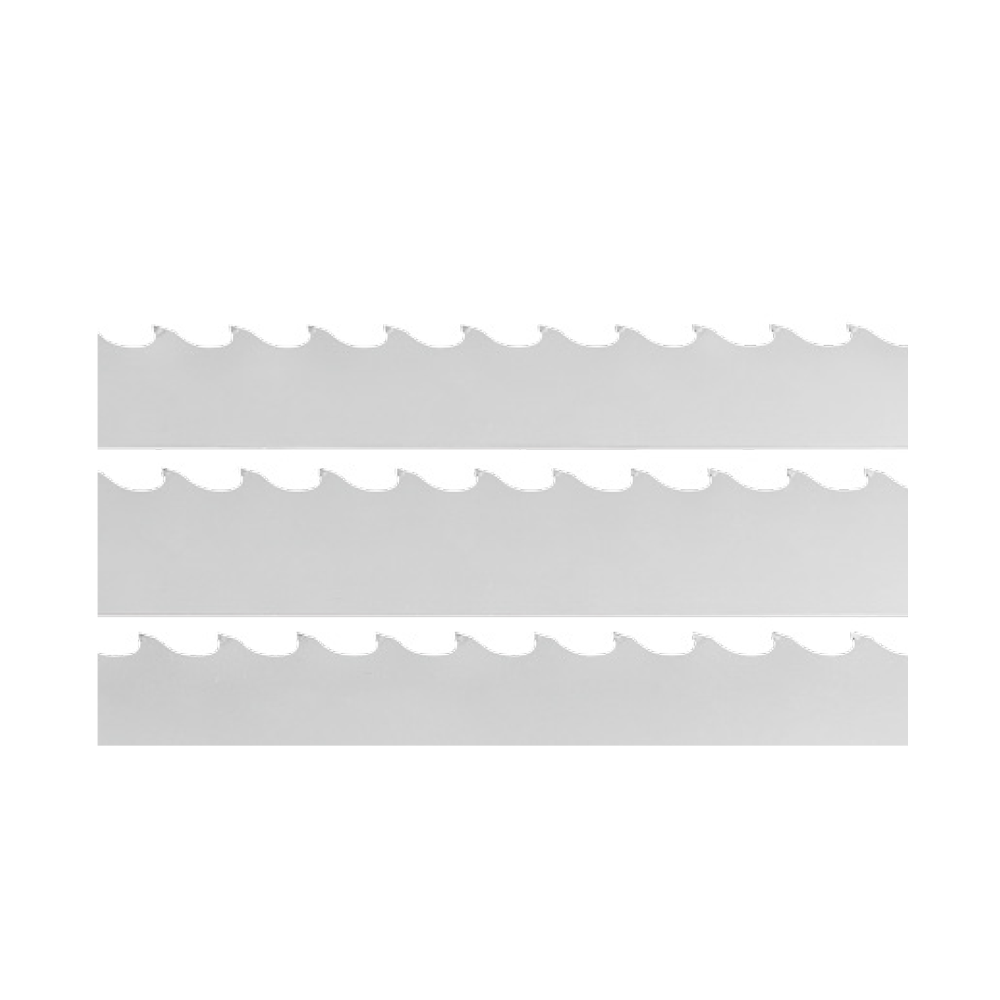
Resawing on a bandsaw – Bandsaws use different blade types, but the same idea applies. A blade designed for ripping follows a straighter line through thick stock.
How the Universal Blade Fits Into the Picture
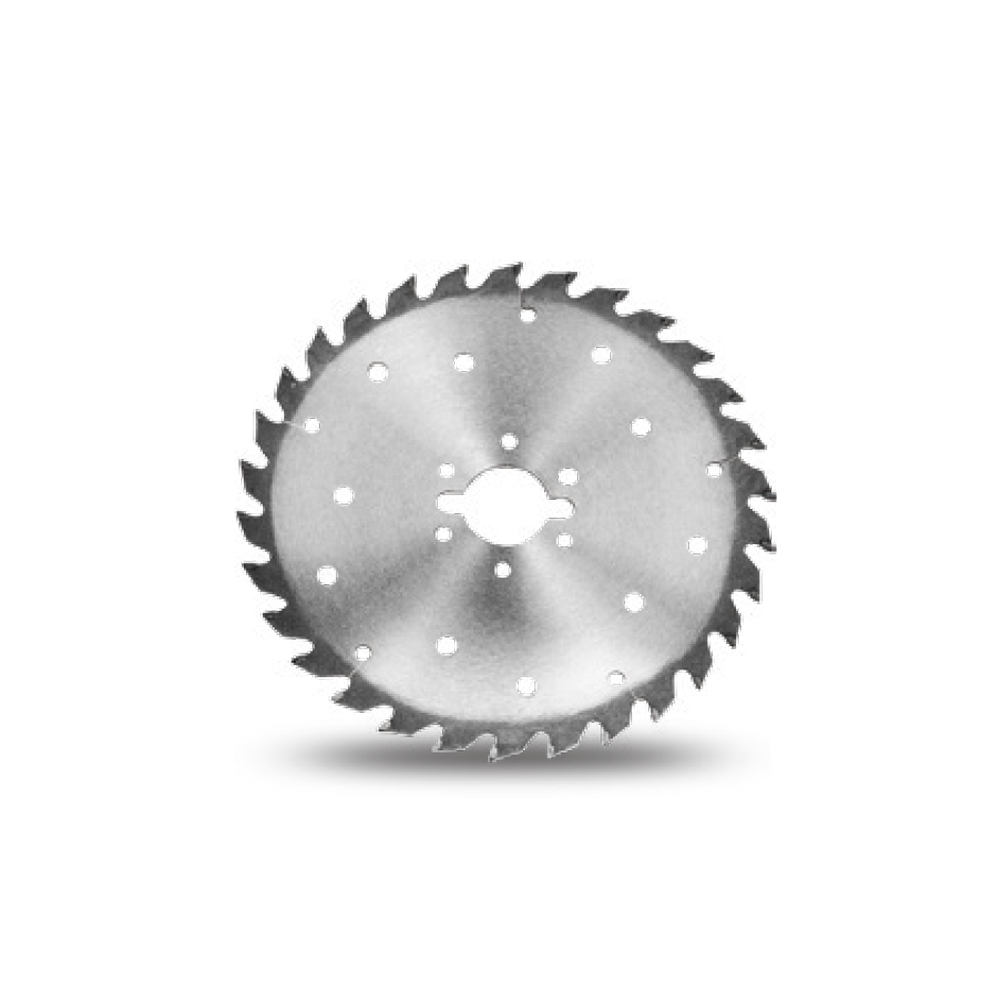
Some blades try to do everything. The Universal Wood Circular Saw Blade uses an ATB tooth design. It comes with carbide tips and an alloy steel body. That blade cuts softwood, hardwood, plywood, MDF, and particle board. For a furniture shop that switches tasks every hour, a universal blade feels convenient.
But convenience has a trade‑off. Try ripping a long maple board with that universal ATB blade. The cut goes slow. The blade heats up. The operator feels resistance. Switch to a dedicated rip blade with flat top grind. The same saw finishes the cut in half the time. The only downside? The ripped edge looks rougher straight off the blade.
Which Situations Call for a Rip Blade vs a Universal Blade
Here is a rough way to decide. If you spend a whole afternoon cutting solid wood lengthwise—like making frame parts from oak or poplar—use a rip blade. If you jump between cutting plywood sheets, trimming MDF for cabinets, and occasionally ripping a board, then a universal ATB blade works fine. One blade does not replace the other. Shops with two table saws often set one up with a rip blade and the other with a crosscut blade. Small shops just swap blades as needed.
People searching online for terms like "what blade to rip hardwood with table saw" or "difference between rip and crosscut blade" usually need this practical comparison. Others look for "blade for MDF without burning" or "saw blade for plywood ripping". Those search intentions point to real workshop problems. A universal blade reduces burning on MDF when feed speed stays moderate. But a rip blade handles solid lumber ripping with less effort.
keep in touch
-
We are committed to providing durable, reliable, and efficient cutting solutions for global B2B clients and partners.
-
Useful Links
Home Products About Us Manufacturing Custom Service News Contact Us -
Contact Us
+86-579-89270208
+86-579-89270636ch001@changhengsaws.comNo. 102, Huacheng East Road, Chengxi Industrial Zone, Yongkang, Zhejiang, China -
Mobile Web
