



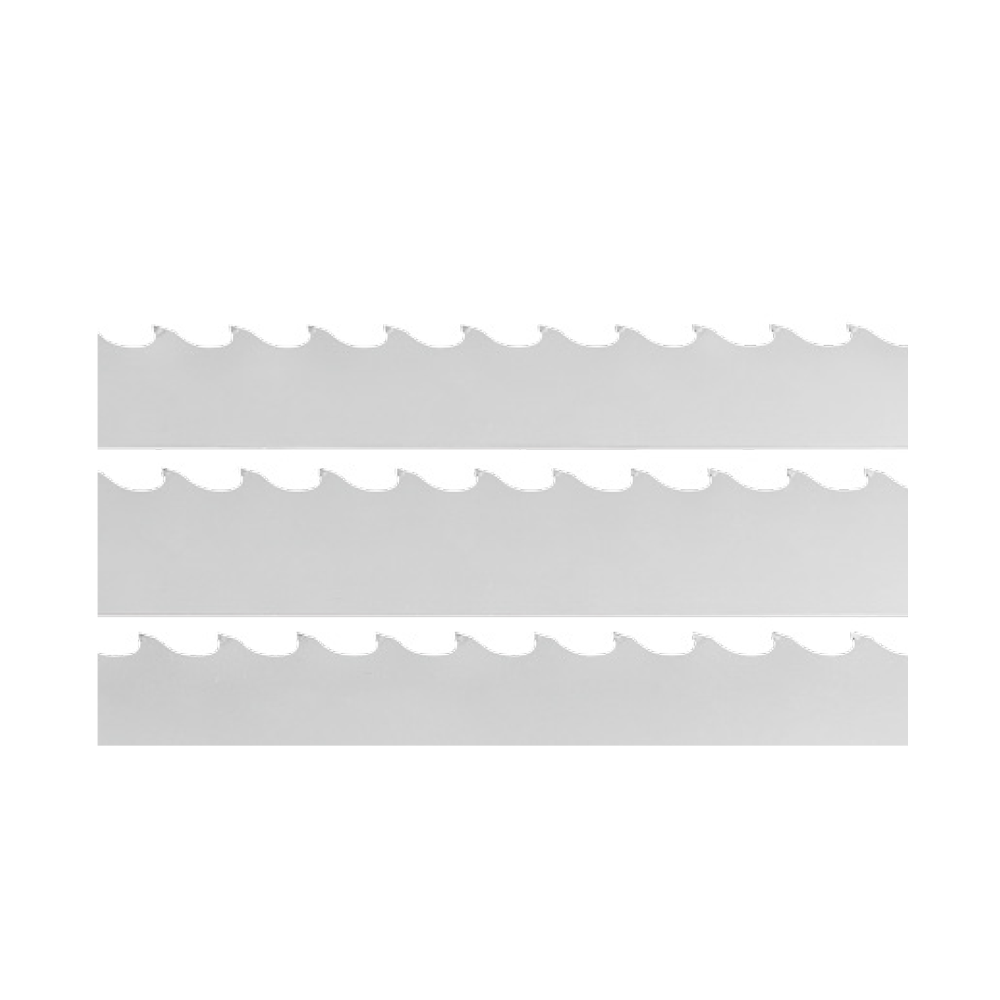
Woodworking Alloy Steel Band Saw Blade
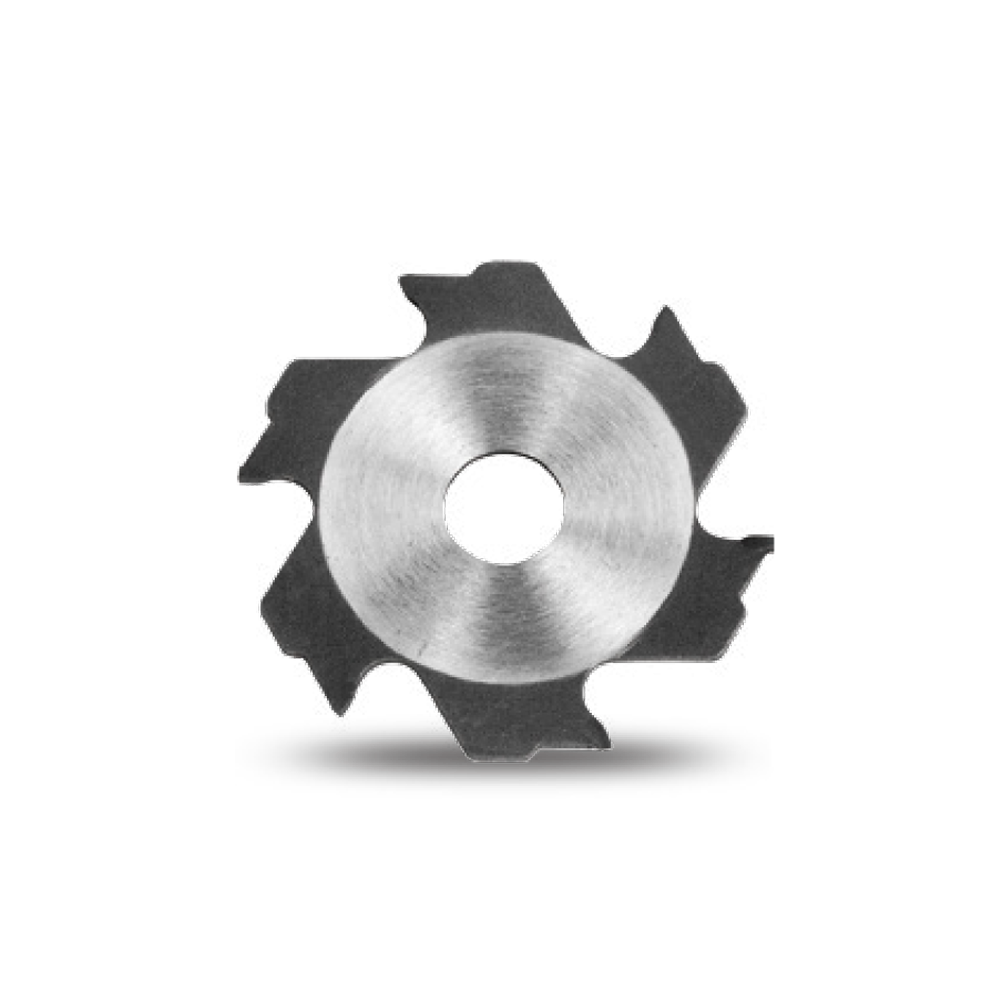
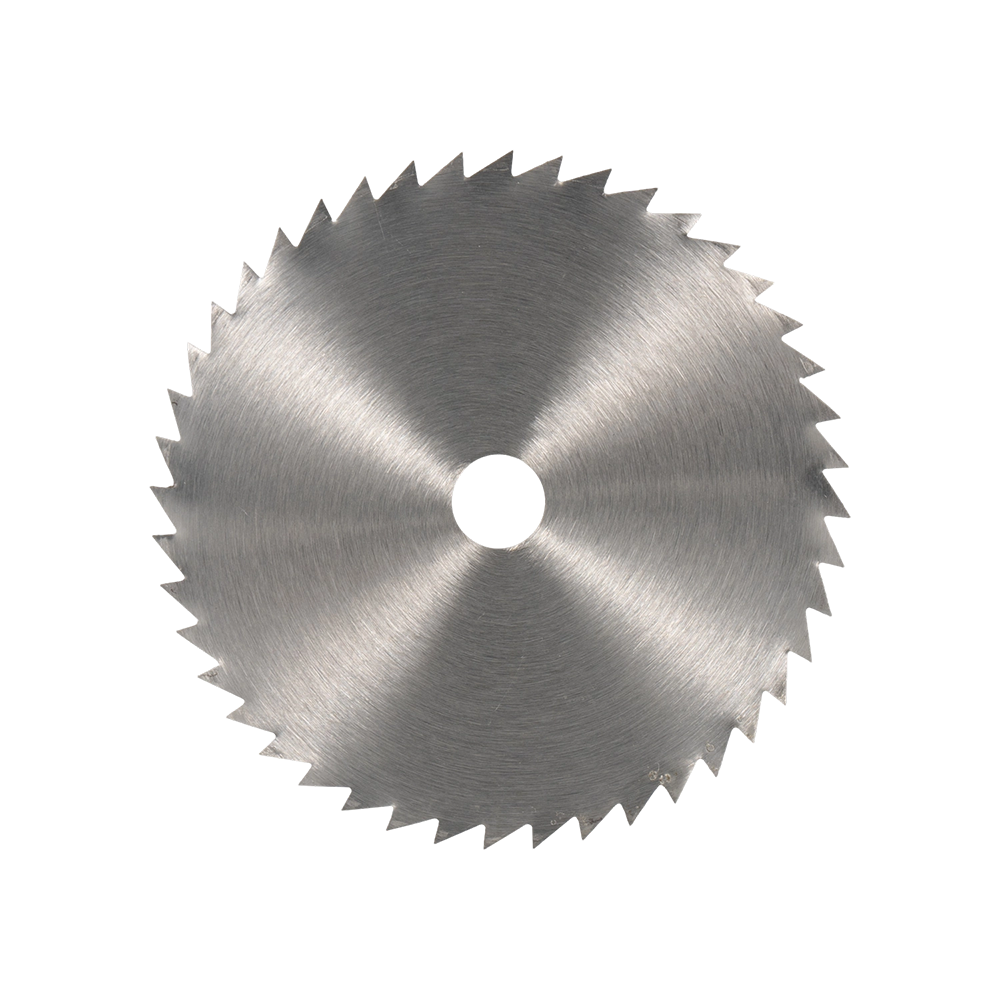
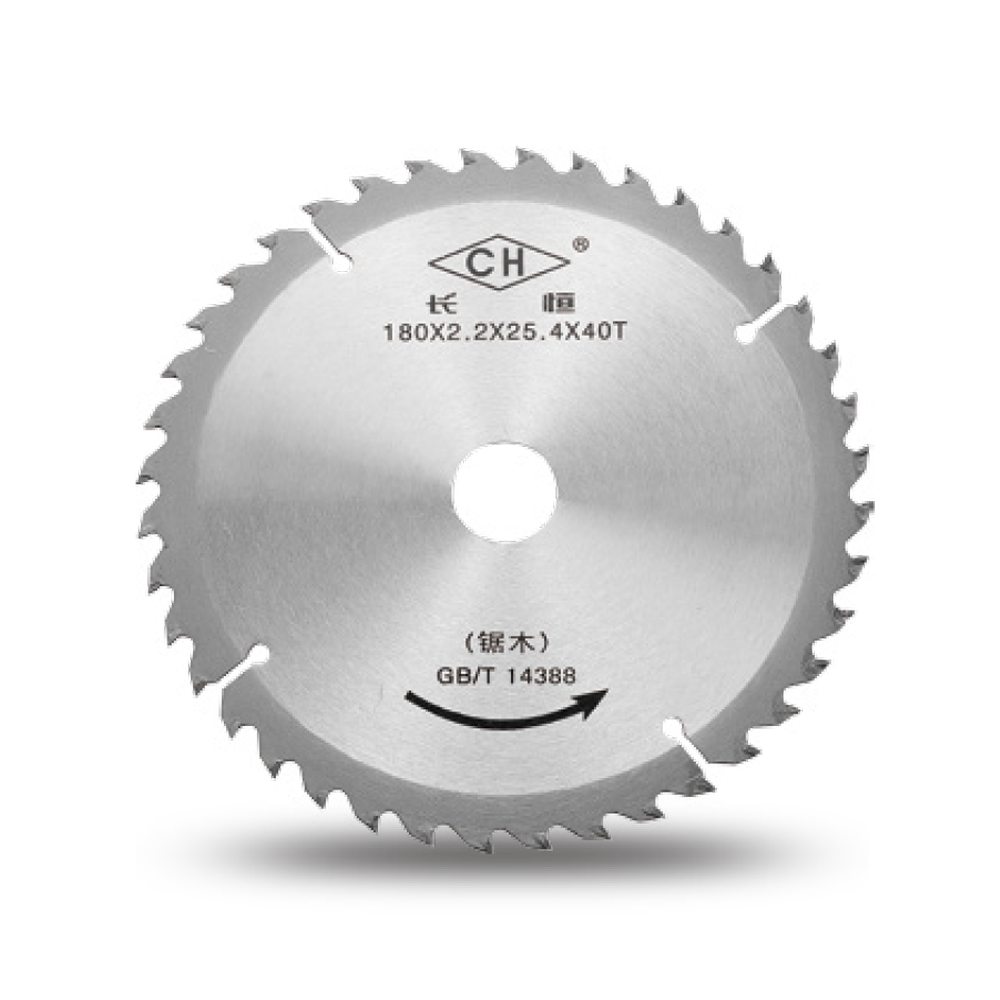
This alloy saw blade for fine woodworking is manufactured from high-performance alloy steel, providing enhanced strength, improved wear resistance, and excellent fatigue resistance. In addition to cutting dry softwood and hardwood, it is also suitable for processing engineered wood materials such as particle board, medium-density fiberboard (MDF), and block board. The blade features optimized tooth design and controlled heat treatment to ensure consistent cutting performance across different material densities. It delivers stable operation, extended service life, and reliable cutting results, making it a versatile solution for various woodworking and panel processing applications.
Tooth shape: --
Applicable: Suitable for cutting dry soft and hard wood, or sawing chipboard, MDF, blockboard.
 Product Parameters
| Width (mm) | Base thickness (mm) | TPI | ||||||||||||||||||||||||||||
| 30mm | 0.65 0.9 | / | ||||||||||||||||||||||||||||
| 40mm | 0.65 | / | ||||||||||||||||||||||||||||
| 50mm | 0.9 | / | ||||||||||||||||||||||||||||
| 65mm | 0.65 | / | ||||||||||||||||||||||||||||
| 70mm | 0.68 0.8 | / | ||||||||||||||||||||||||||||
| 75mm | 0.65 0.8 | / | ||||||||||||||||||||||||||||
| 80mm | 0.8 | / | ||||||||||||||||||||||||||||
| 100mm | 1.05 | / | ||||||||||||||||||||||||||||
| 120mm | 1.25 | / | ||||||||||||||||||||||||||||
| 90mm | 0.8 1.05 | / | ||||||||||||||||||||||||||||
For exclusive deals and latest offers, sign up by entering your email address below.
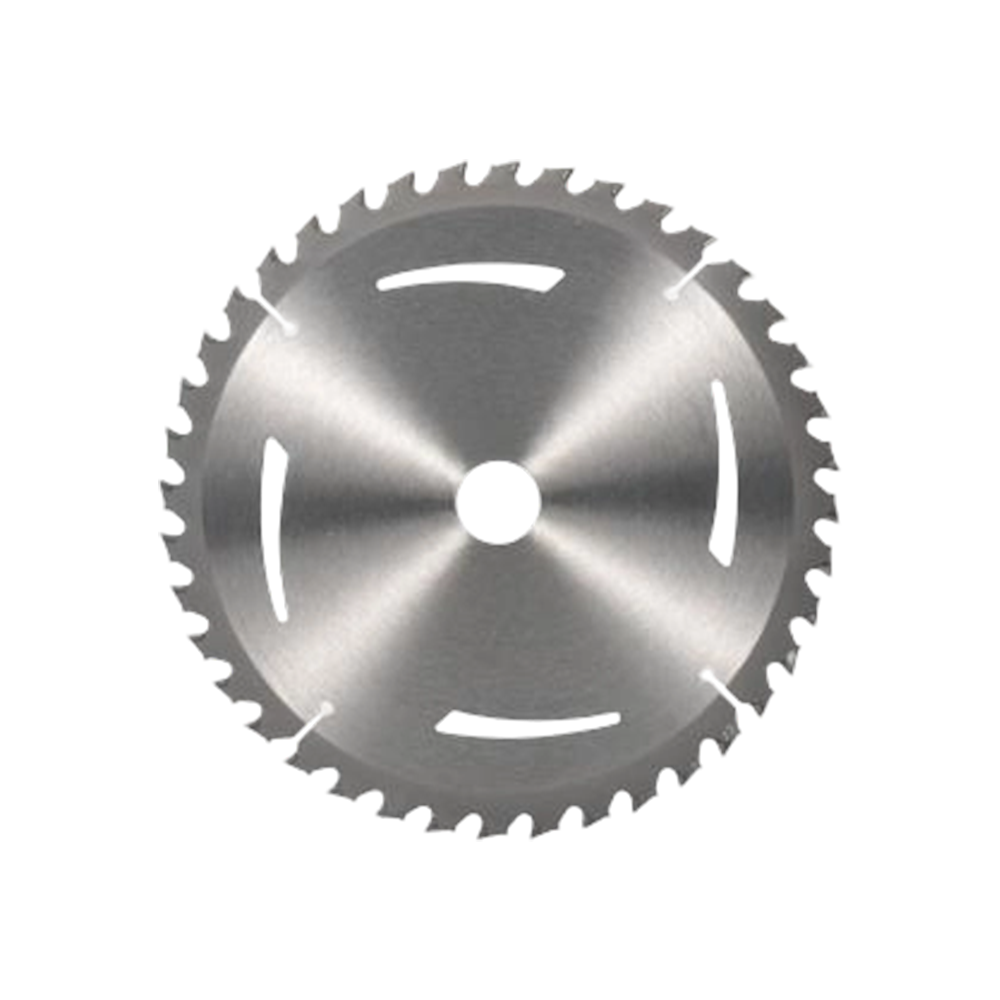
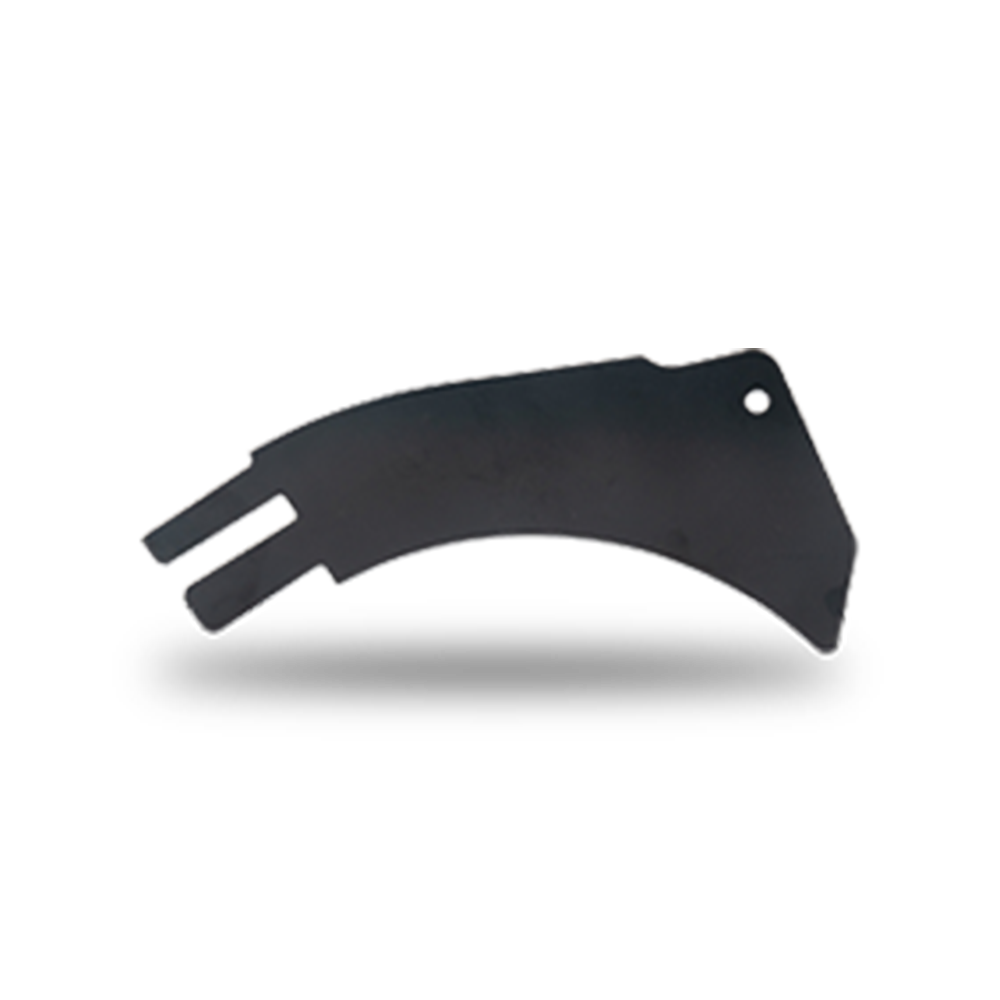



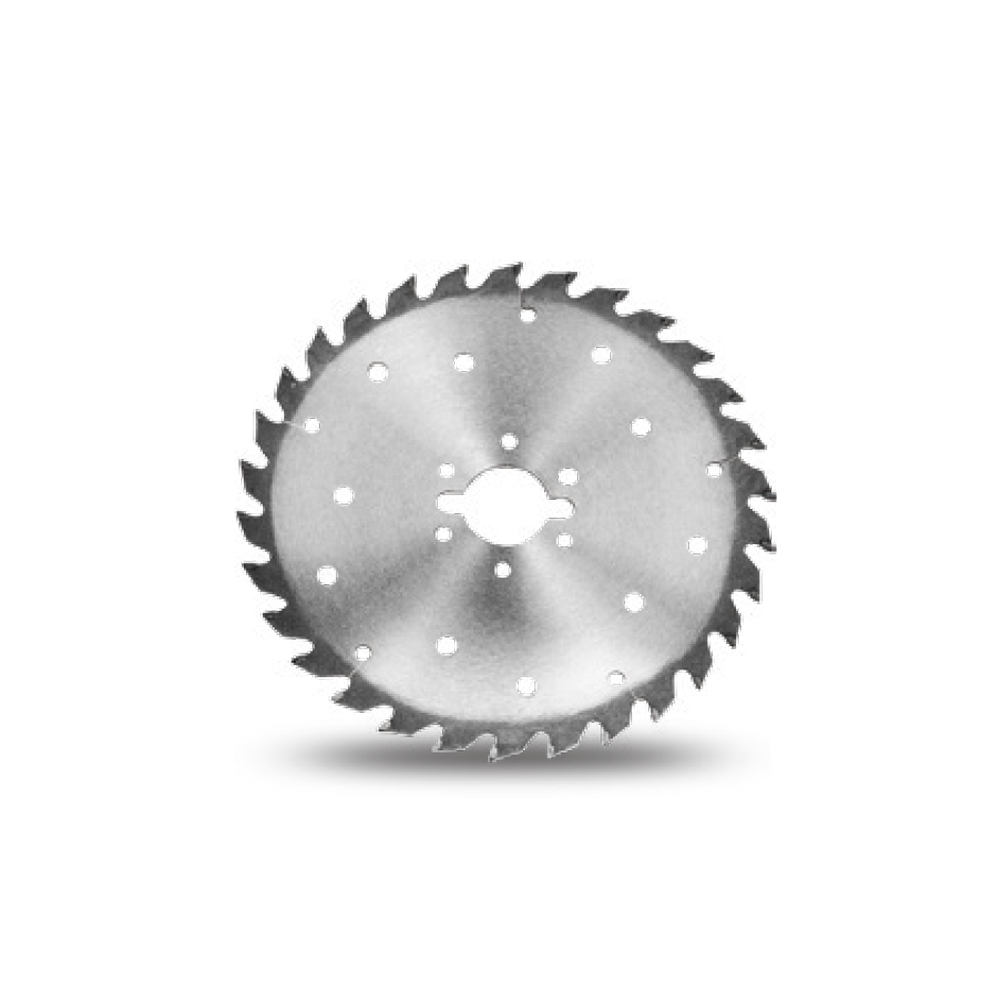

Woodworking Blade Selection: Matching Tools to Material Performance
What to Know When Choosing Woodworking Saw Blades for Different Materials
If you spend time in a workshop, you already know one thing: not every saw blade works the same way on every piece of wood. Take a piece of plywood and try cutting it with a general blade – the edges often come out rough, with little chips peeling off the surface layers. That is why many woodworkers keep separate blades for different jobs, especially when switching between solid wood and engineered panels.
Why blade material matters more than you think
A woodworking alloy steel band saw blade is something you see quite often in shops that process both softwood and hardwood. The reason is straightforward. Alloy steel offers better wear resistance than basic carbon steel, so the blade does not dull quickly when cutting denser materials. On top of that, the controlled heat treatment these blades go through improves fatigue resistance. That matters when you run the saw for longer periods, cutting through blocks of maple or oak.
Now, what about plywood cutting blades? These are designed with one main goal: reducing tear-out on laminated surfaces. The tooth count is usually higher, and the tooth angle is adjusted to slice rather than tear through the thin veneers. Someone cutting cabinet parts from birch plywood will notice a clean edge with a proper plywood blade, while a standard blade might leave fuzzy edges that need sanding.
Where each blade type actually gets used
In a typical furniture shop, you might start the morning cutting dry softwood like pine for framing parts. A regular blade works fine there. But after lunch, you switch to cutting MDF for shelving. That is where many people switch to a plywood cutting blade or even an alloy steel band saw blade, depending on the machine. MDF has a dense, uniform structure with resin binders that generate heat. A blade with good wear resistance and proper tooth geometry handles that heat without losing sharpness too fast.
The same alloy steel blade also works for chipboard and block board. Chipboard is abrasive because of the glue and particle mix. Block board has layered construction that can chip if the blade tooth is too aggressive. Having a blade that cuts cleanly across these materials saves time – you do not stop to change blades every twenty minutes.
Comparing your options without the hype
Between a standard carbon steel blade and an alloy steel blade, the difference shows up after repeated cuts. Carbon steel might feel sharp initially, but after cutting a few sheets of particle board, the edge degrades. Alloy steel holds up longer, especially when you process mixed materials in one session.
Plywood cutting blades versus general-purpose blades – the general type often leaves visible tear-out on plywood edges. The plywood-specific blade has a different tooth pitch that supports the veneer during cutting. For workshop owners who handle both solid wood and panels regularly, an alloy steel band saw blade offers a middle ground. It does not cost as much as a carbide-tipped blade, yet it outlasts carbon steel noticeably.
A practical takeaway from shop experience
Instead of searching for one blade to handle everything, consider keeping two setups. One general purpose blade for rough cuts in softwood. And one woodworking alloy steel band saw blade or plywood cutting blade for engineered materials like MDF, chipboard, and block board. That approach reduces edge damage on panels and extends the service life of your cutting tools. Many professionals also check tooth condition after cutting abrasive materials like chipboard, since the glue and particles can cause gradual wear. A quick visual check every few hours helps catch dulling early.
Alloy steel band saw blades with optimized tooth design work across dry softwood, hardwood, chipboard, MDF, and block board without major issues. They are not the cheapest option, but they deliver stable operation and consistent cutting results. That makes them a reliable choice for shops that process different materials from one day to the next.
keep in touch
-
We are committed to providing durable, reliable, and efficient cutting solutions for global B2B clients and partners.
-
Useful Links
Home Products About Us Manufacturing Custom Service News Contact Us -
Contact Us
+86-579-89270208
+86-579-89270636ch001@changhengsaws.comNo. 102, Huacheng East Road, Chengxi Industrial Zone, Yongkang, Zhejiang, China -
Mobile Web
OEM Woodworking Alloy Steel Band Saw Blade Factory
