



Fine Finish Blades
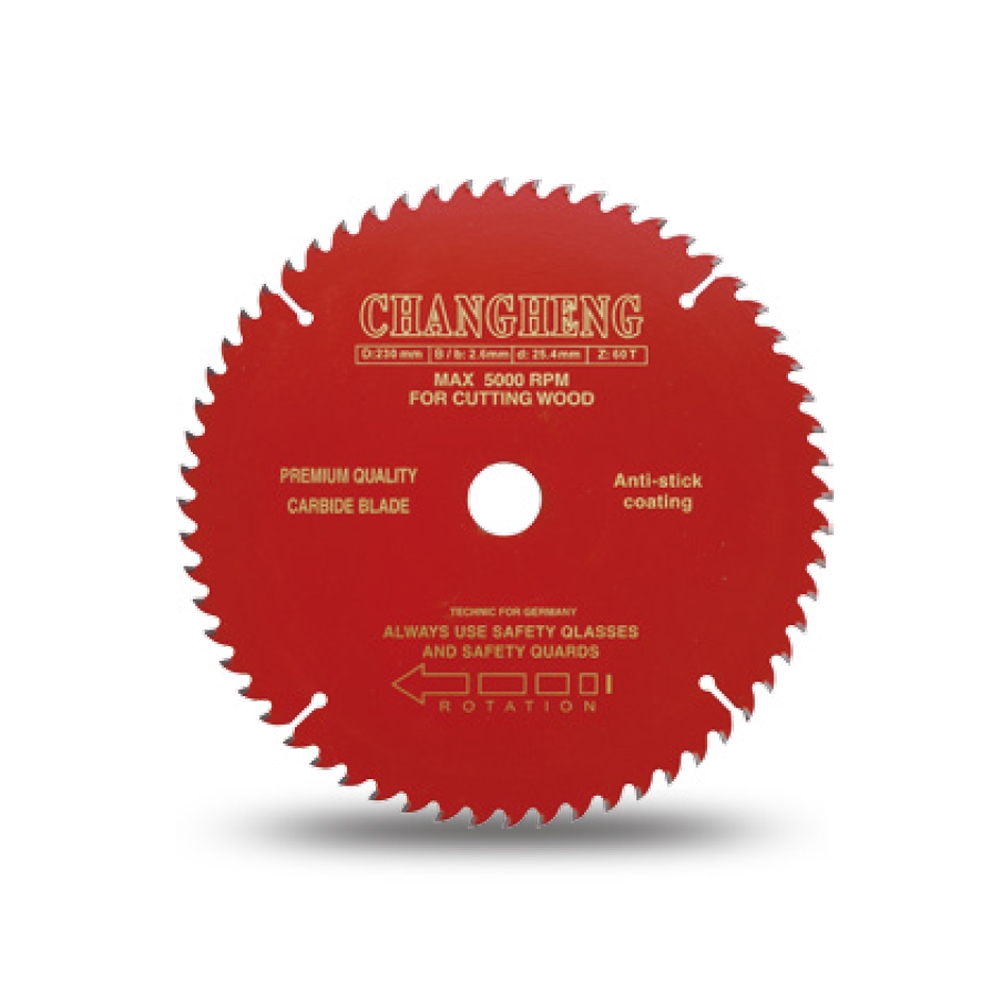
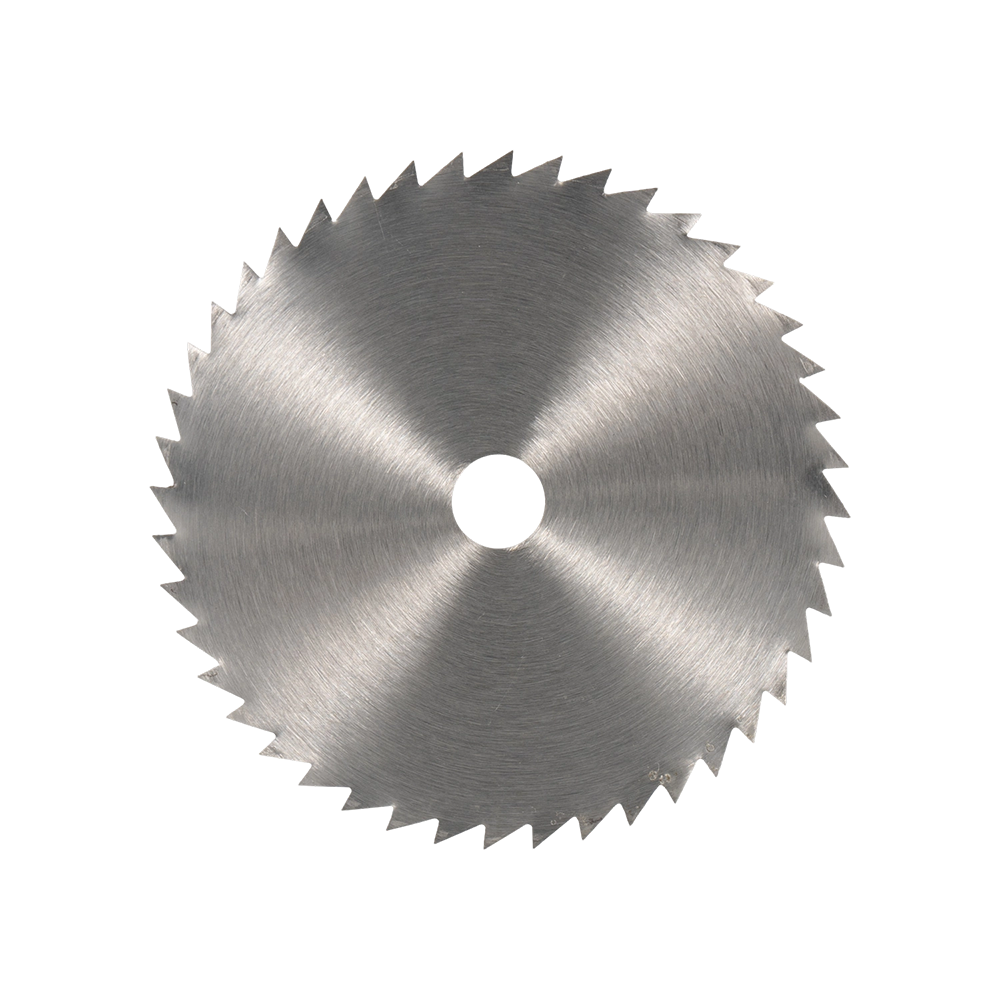
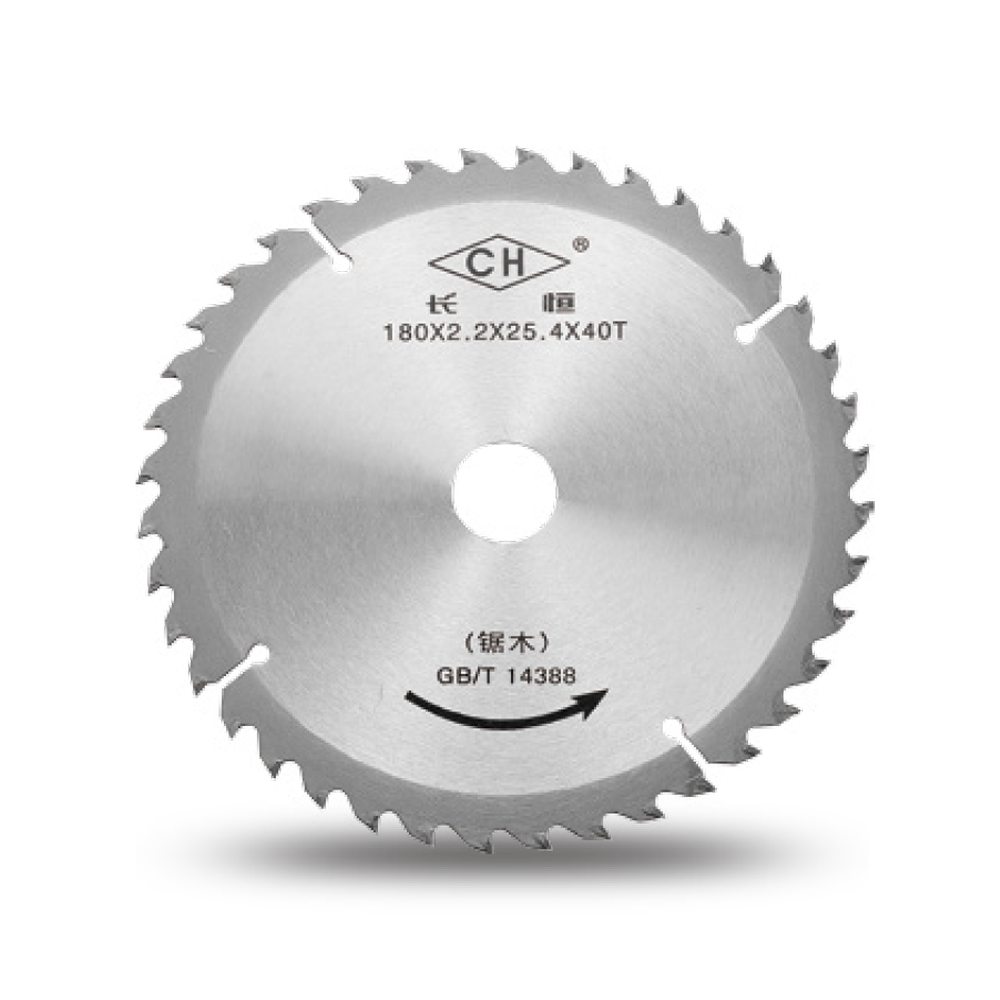
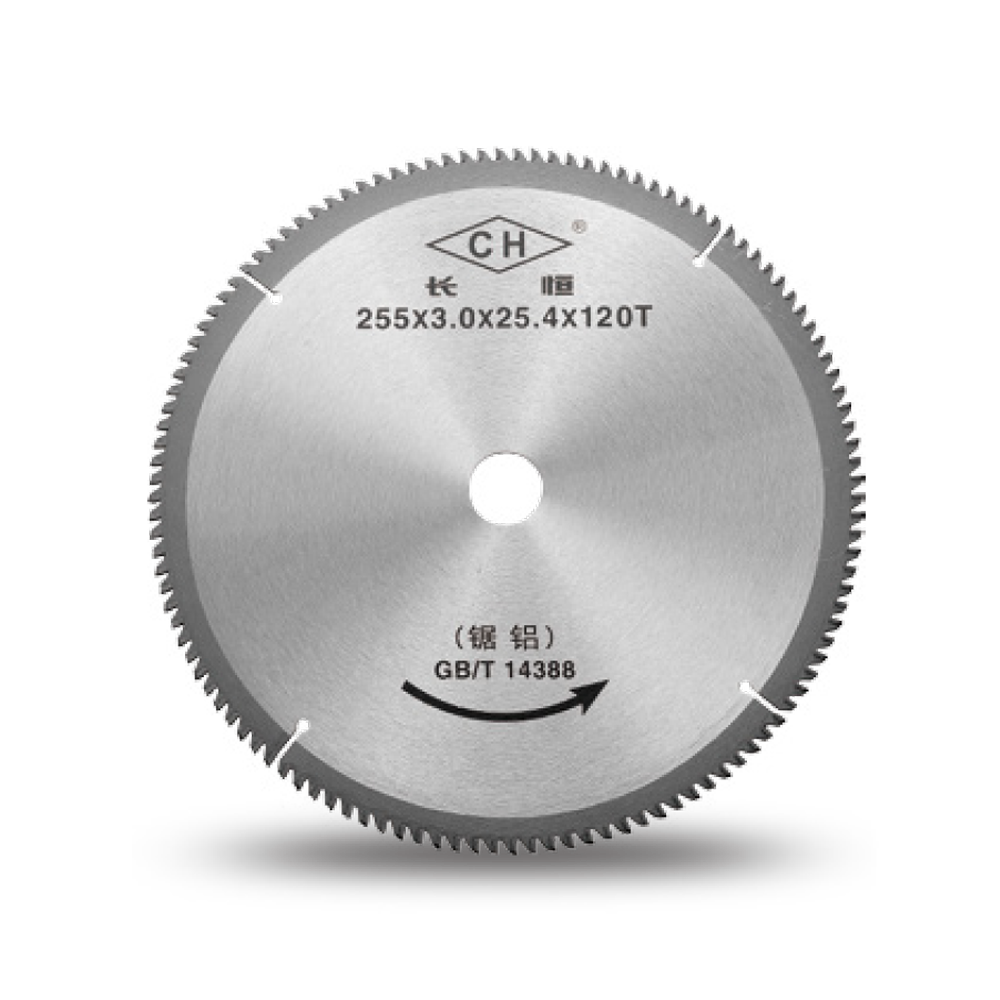
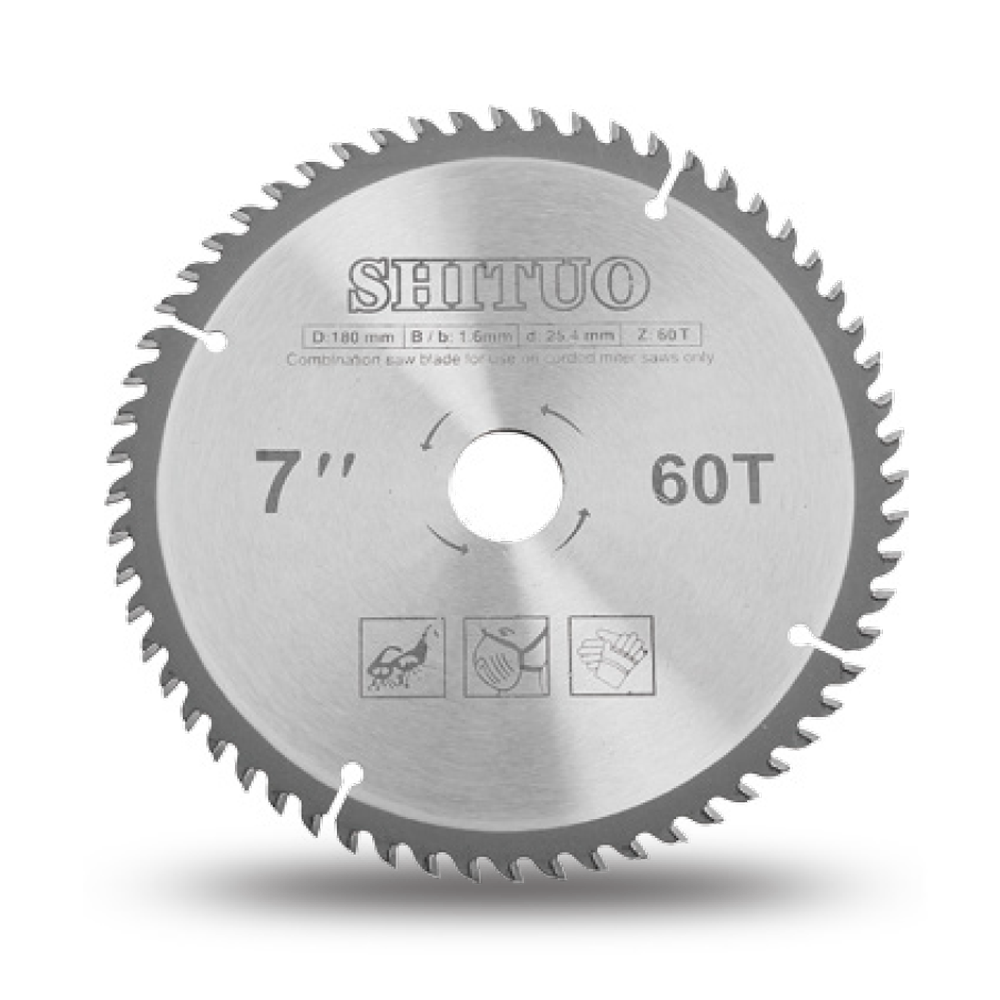
Fine Finish Circular Saw Blade for Wood Cutting
The Fine Finish Circular Saw Blade is made for high-quality woodworking applications. Equipped with an ATB tooth configuration, it is ideal for cutting dry softwood and hardwood, as well as particle board, MDF, and blockboard materials.
This series emphasizes precision manufacturing and strict dynamic balance control to ensure stable operation at high rotational speeds. The blade delivers smooth cutting surfaces with reduced tear-out, making it suitable for applications where surface finish quality is important. It is commonly used in furniture production, decorative panel processing, and interior wood product manufacturing.
Tooth shape: Middle left and right teeth
Applicable: It is suitable for cutting dry and soft wood, but also for cutting board, MDF and blockboard.
 Product Parameters
| Dimension | Base thickness (mm) | Kerf (mm) | Hold diameter (mm) | Teeth num. | |||||||||||||||||||||||||
| Inch | Metric (mm) | ||||||||||||||||||||||||||||
| 4" | 110mm | 1.0 | 2.1 | 20 | 20T 30T 40T | ||||||||||||||||||||||||
| 5" | 125mm | 1.0 | 2.1 | 20 | 20T 30T 40T | ||||||||||||||||||||||||
| 6" | 150mm | 1.1 | 2.1 | 20/25.4 | 40T 60T | ||||||||||||||||||||||||
| 7" | 180mm | 1.2 | 2.2 | 20/25.4 | 40T 60T | ||||||||||||||||||||||||
| 8" | 200mm | 1.3 | 2.4 | 20/25.4 | 40T 60T 80T 100T | ||||||||||||||||||||||||
| 9" | 230mm | 1.6 | 2.6 | 20/25.4 | 40T 60T 80T 100T | ||||||||||||||||||||||||
| 10" | 250mm | 1.8 | 2.8 | 25.4/30 | 40T 60T 80T 100T 120T | ||||||||||||||||||||||||
| 12" | 300mm | 1.9 | 3.2 | 25.4/30 | 40T 60T 80T 100T 120T | ||||||||||||||||||||||||
| 14" | 350mm | 2.0 | 3.2 | 25.4/30 | 40T 60T 80T 100T 120T | ||||||||||||||||||||||||
| 16" | 400mm | 2.5 | 3.5 | 25.4/30 | 40T 60T 80T 100T 120T | ||||||||||||||||||||||||
| 18" | 450mm | 2.5 | 3.5 | 25.4/30 | 40T 60T 80T 100T 120T | ||||||||||||||||||||||||
| 20" | 500mm | 2.5 | 3.5 | 25.4/30 | 40T 60T 80T 100T 120T | ||||||||||||||||||||||||
For exclusive deals and latest offers, sign up by entering your email address below.
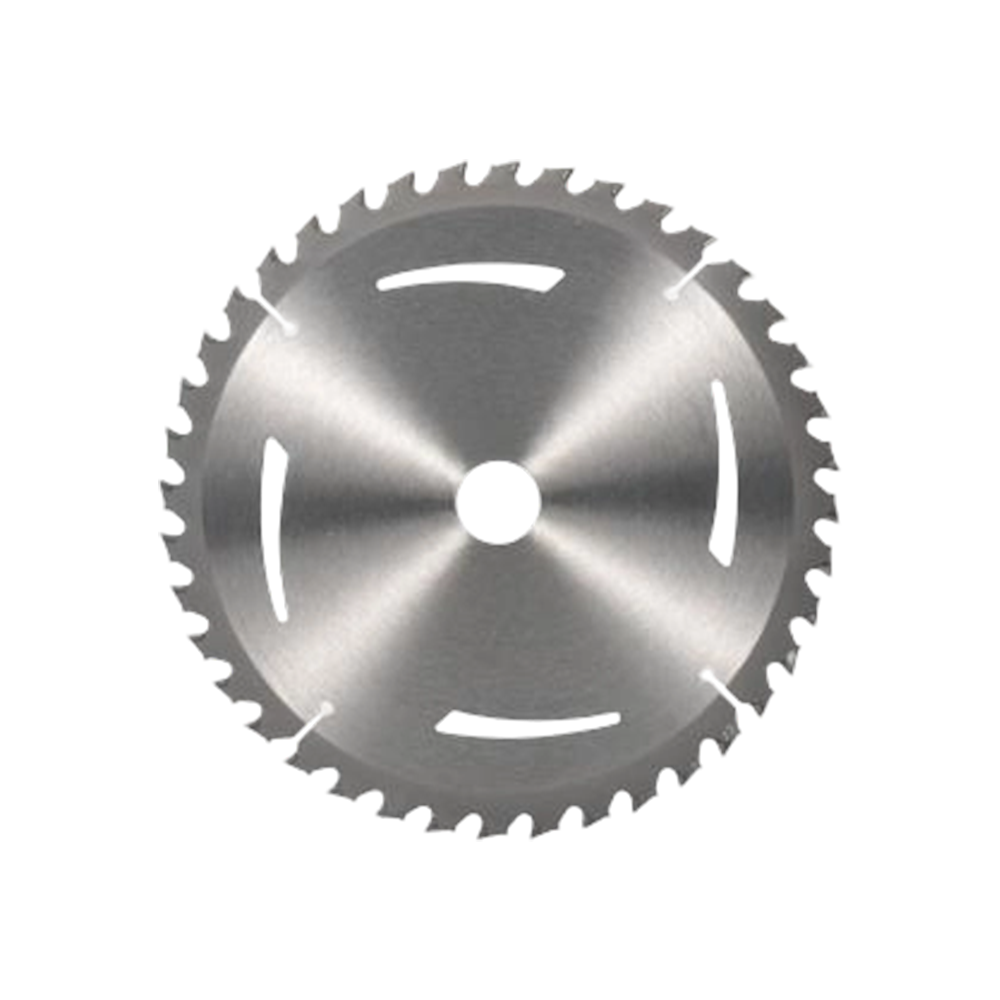
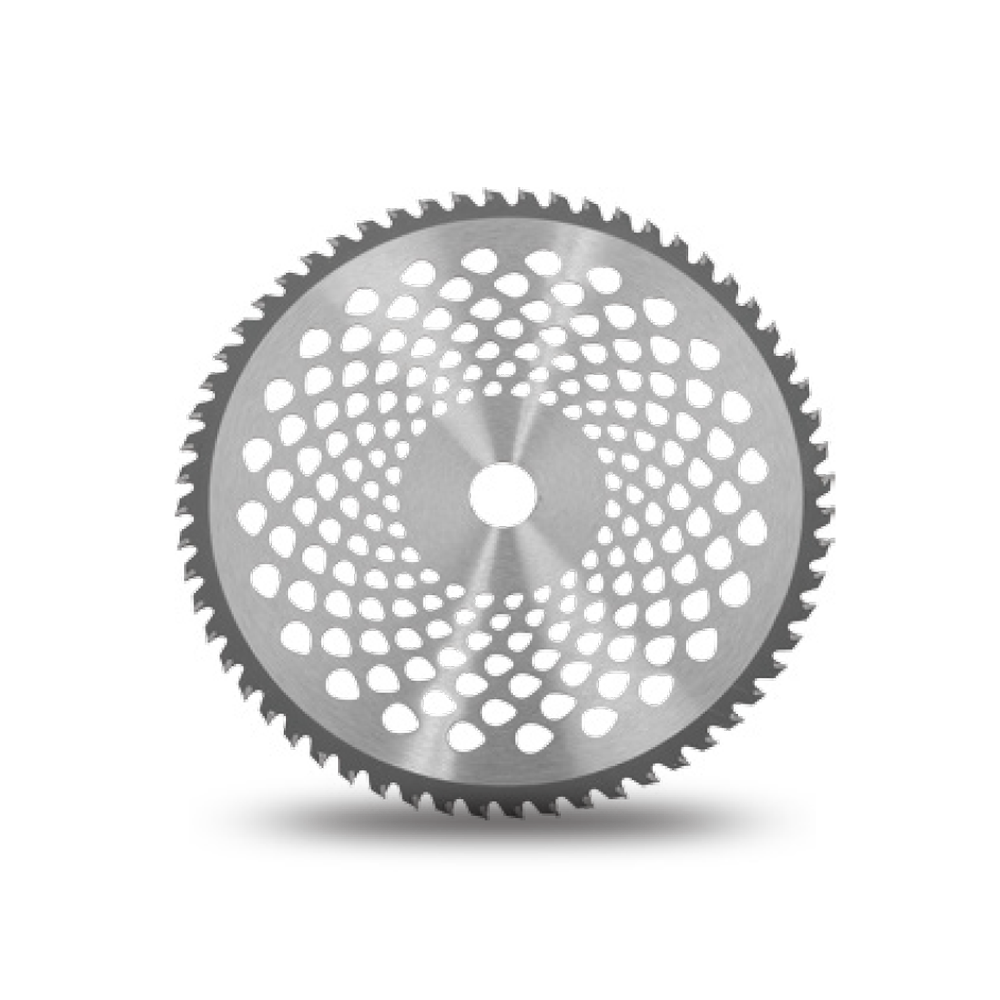
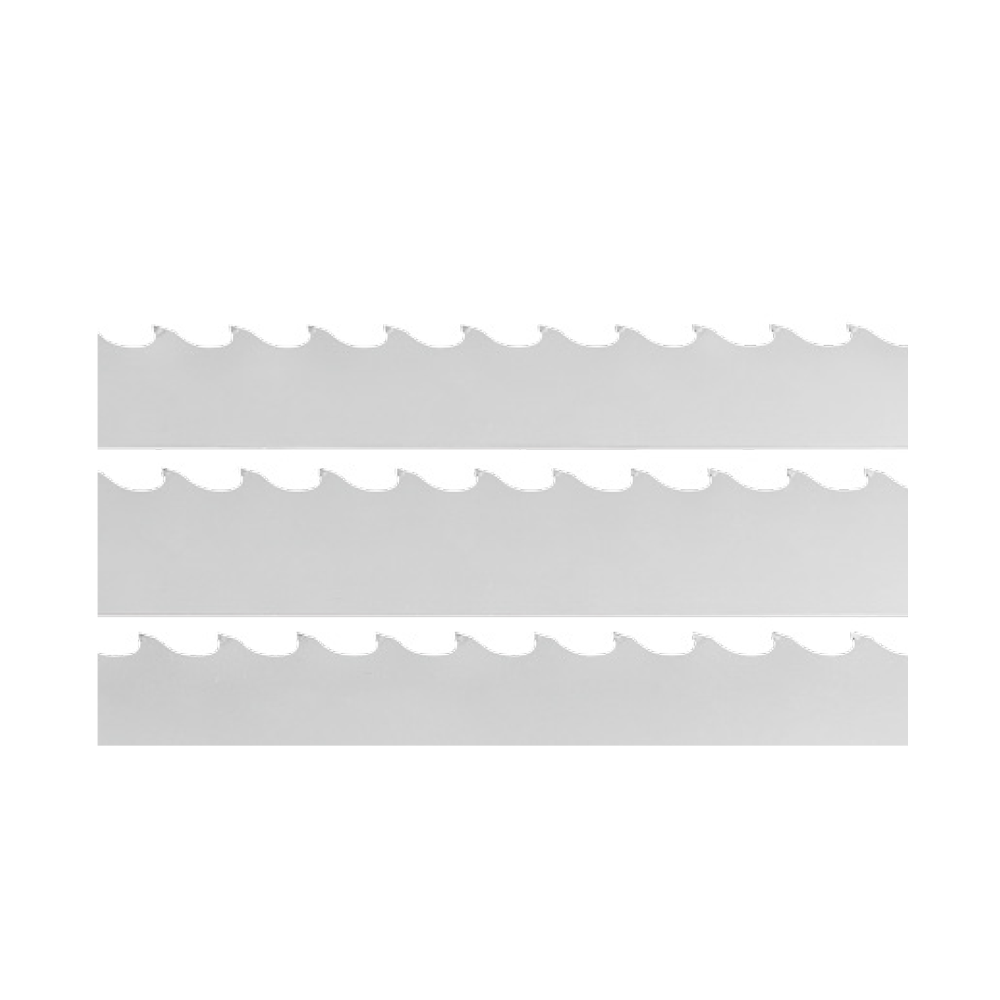

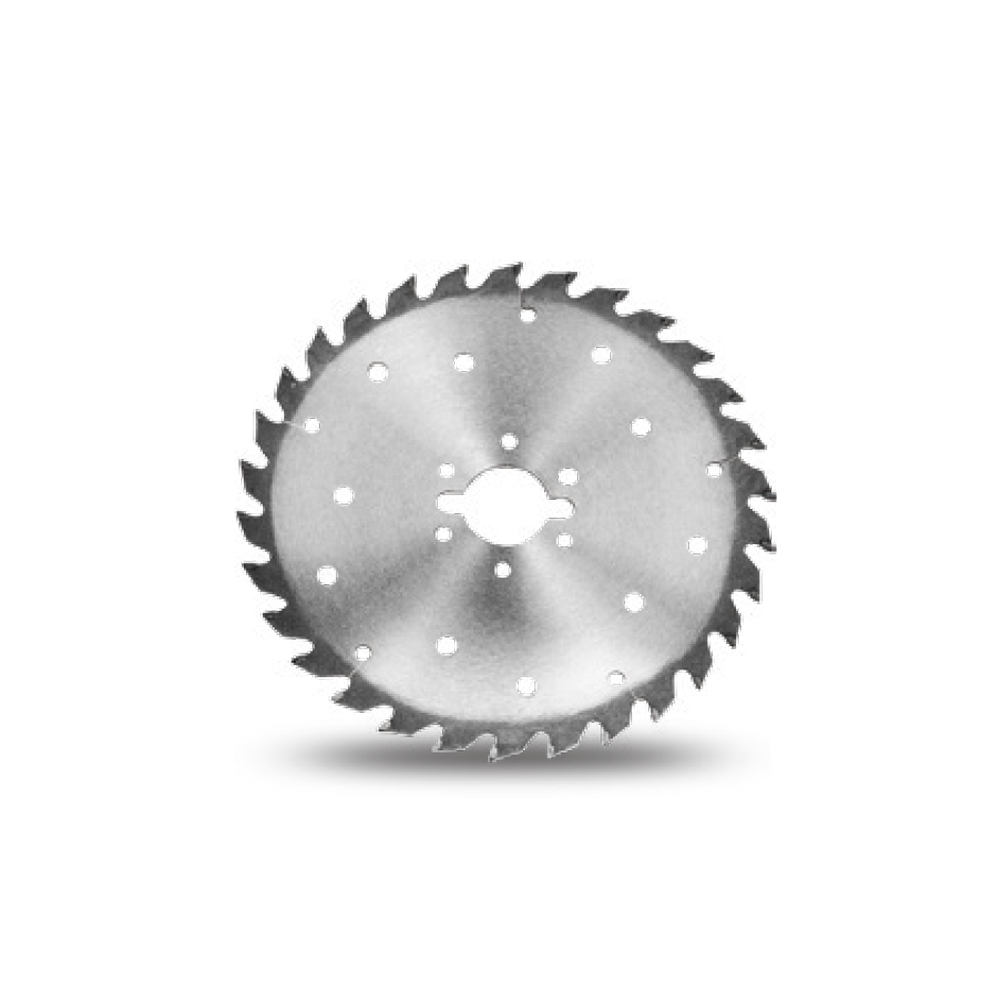
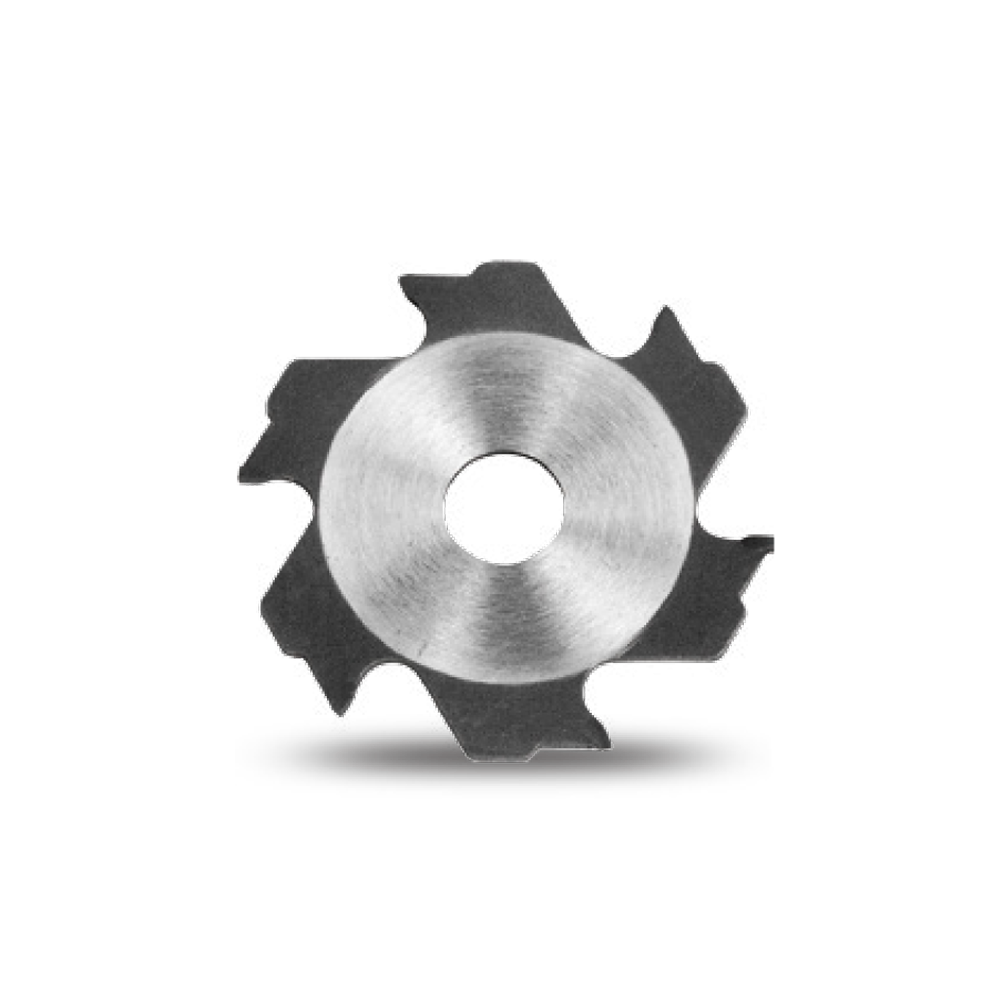
How ATB Geometry Enables Tear-Free Cuts: Blade Technology Explained
What This TCT Wood Cutting Blade Actually Does
Walk into any woodworking shop that builds cabinets or makes furniture, and you will hear people talk about getting a "finish-ready" edge straight off the saw. That is where the fine finish circular saw blade for wood cutting comes into play. Unlike a standard blade that leaves rough surfaces requiring sanding, this type of blade focuses on smoothness. It removes material in very small amounts per tooth, so the cut surface looks clean and does not show obvious tool marks.
The blade carries a higher tooth count than common ripping blades. Where a framing blade might have 24 teeth, a fine finish version often carries 60, 80, or even 100 teeth. More teeth mean each tooth takes a smaller bite. For someone cutting expensive walnut or maple, that difference matters immediately.
Why the ATB Tooth Shape Matters
The tooth geometry on a fine finish circular saw blade for wood cutting is almost always alternate top bevel, or ATB. If you look closely at the blade, every other tooth has a bevel that leans left, then the next leans right. This alternating pattern creates a shearing action as the blade spins.
Think of using a pair of sharp scissors on paper versus tearing it by hand. The scissors leave a clean edge because they slice. ATB teeth do the same thing to wood fibers. For dry softwood like pine, the blade slices through without raising fuzzy grain. For hardwood like oak, the shearing reduces chipping along the top edge of the board. That feature is especially valuable when cutting veneered plywood or melamine panels, where edge quality shows in the final product.
Where People Use This Blade
Shops working on furniture production reach for a fine finish blade daily. Cutting parts for a dresser or a table top? The blade goes on the saw. Decorative panel processing also relies on these blades because decorative surfaces need clean edges without tear-out.
Another common use is interior wood product manufacturing. Think of baseboards, window casings, or cabinet doors. Those parts get installed where people see every edge. A rough cut means extra hand sanding or filling. A fine finish blade reduces that extra work.
Beyond solid wood, the blade handles engineered materials well. Particle board, MDF, and blockboard all cut cleaner with a high-tooth-count ATB blade. MDF especially benefits. The fine fibers in MDF tear easily with a standard blade, leaving a fuzzy edge. A fine finish blade shears those fibers instead of pulling them.
Fine Finish Blades vs. Standard Ripping Blades
Let us compare these two directly so the difference feels clear.
- Tooth count and spacing. A ripping blade spaces teeth widely, often 24 to 30 teeth on a 10‑inch blade. That wide spacing removes material fast but leaves a rough surface. A fine finish blade has teeth packed closely, sometimes 80 teeth on the same diameter. The cut proceeds more slowly but leaves a smooth face.
- Cut quality on different materials. For construction lumber like 2x4s that will be hidden inside a wall, a ripping blade works fine. For a hardwood tabletop or an MDF cabinet door, the fine finish blade gives a surface that needs little to no sanding. Many woodworkers keep both types on hand and switch based on the job.
- Heat and feed rate. Ripping blades tolerate aggressive feed rates because their deeper gullets clear sawdust quickly. A fine finish blade requires a steadier, more moderate feed speed. Push too fast, and the blade heats up, leaving burn marks on the wood. Push too slow, and the blade may rub without cutting efficiently. Learning the right pace takes a few test cuts.
- Balance and vibration. Fine finish blades go through dynamic balancing during manufacturing. A balanced blade spins with less vibration at high RPMs. Less vibration gives straighter cuts and leaves smoother surfaces. Standard blades sometimes skip fine balancing because their intended use does not demand that level of precision.
keep in touch
-
We are committed to providing durable, reliable, and efficient cutting solutions for global B2B clients and partners.
-
Useful Links
Home Products About Us Manufacturing Custom Service News Contact Us -
Contact Us
+86-579-89270208
+86-579-89270636ch001@changhengsaws.comNo. 102, Huacheng East Road, Chengxi Industrial Zone, Yongkang, Zhejiang, China -
Mobile Web
OEM Fine Finish Circular Saw Blade for Wood Cutting Factory
