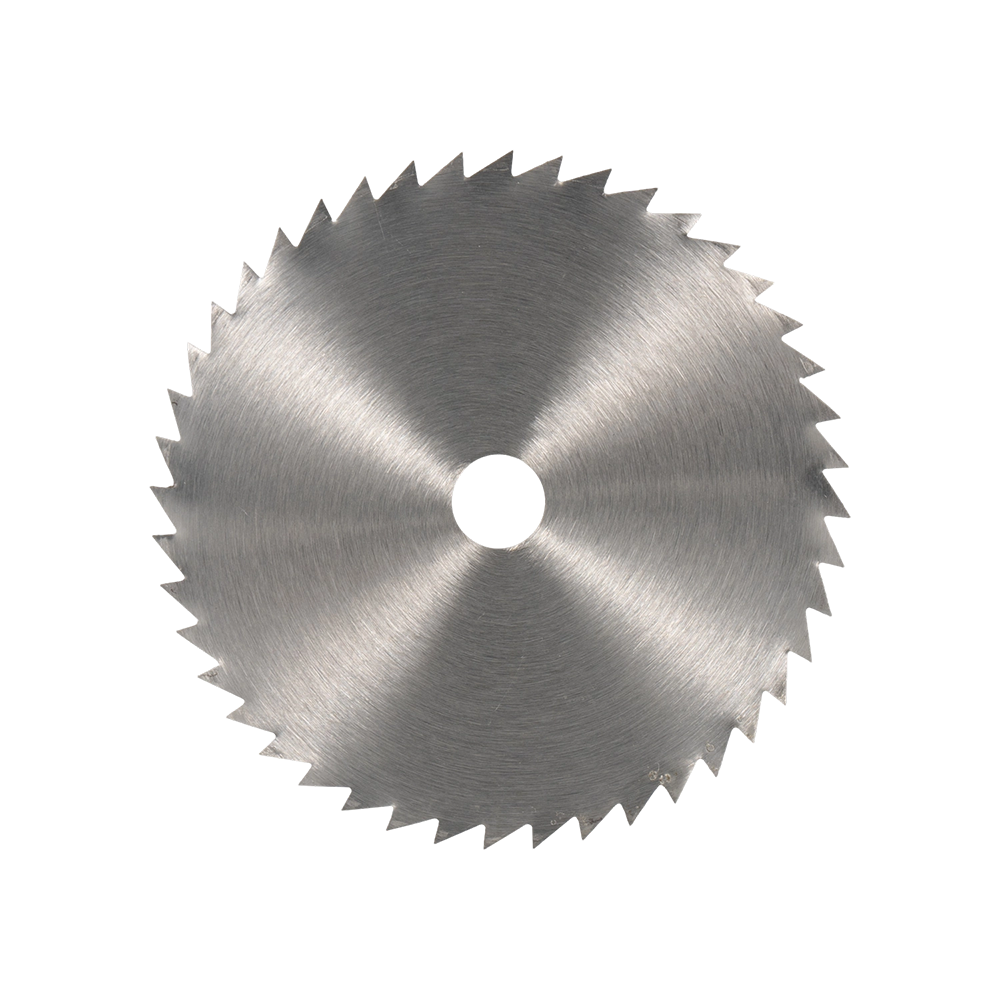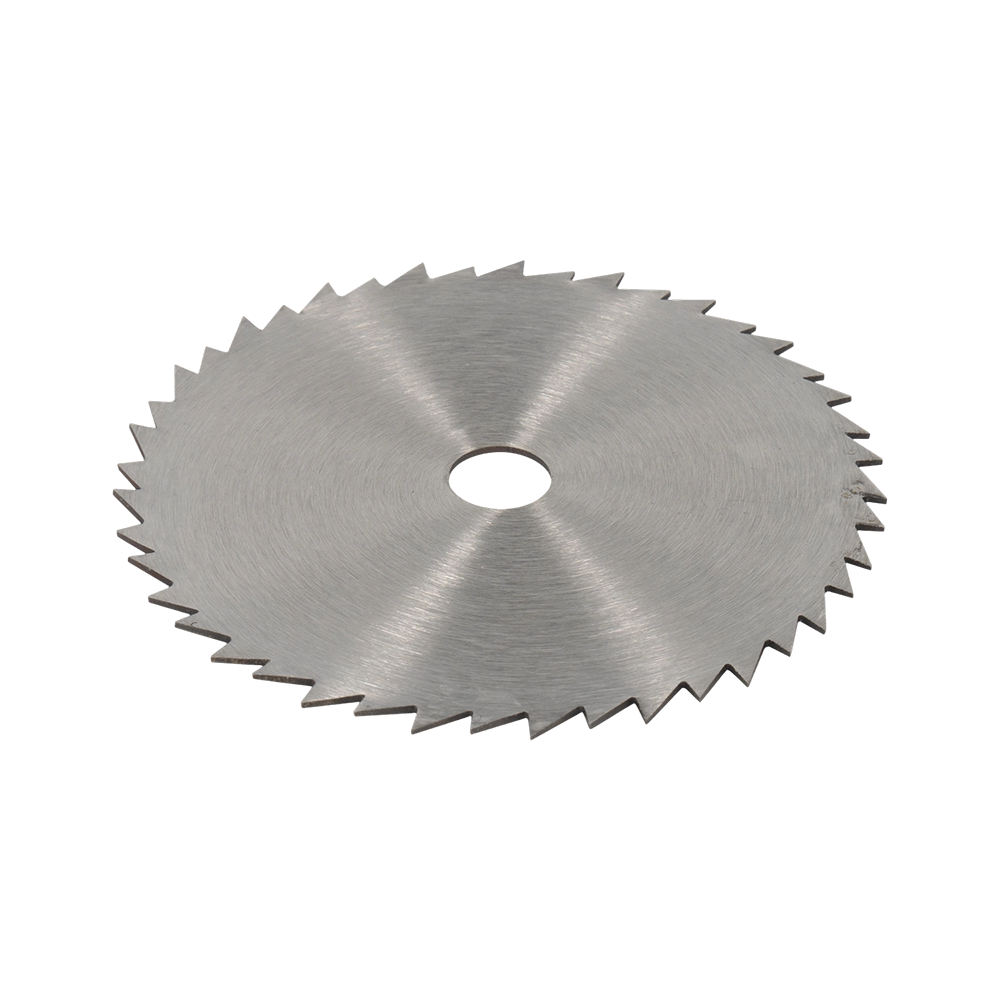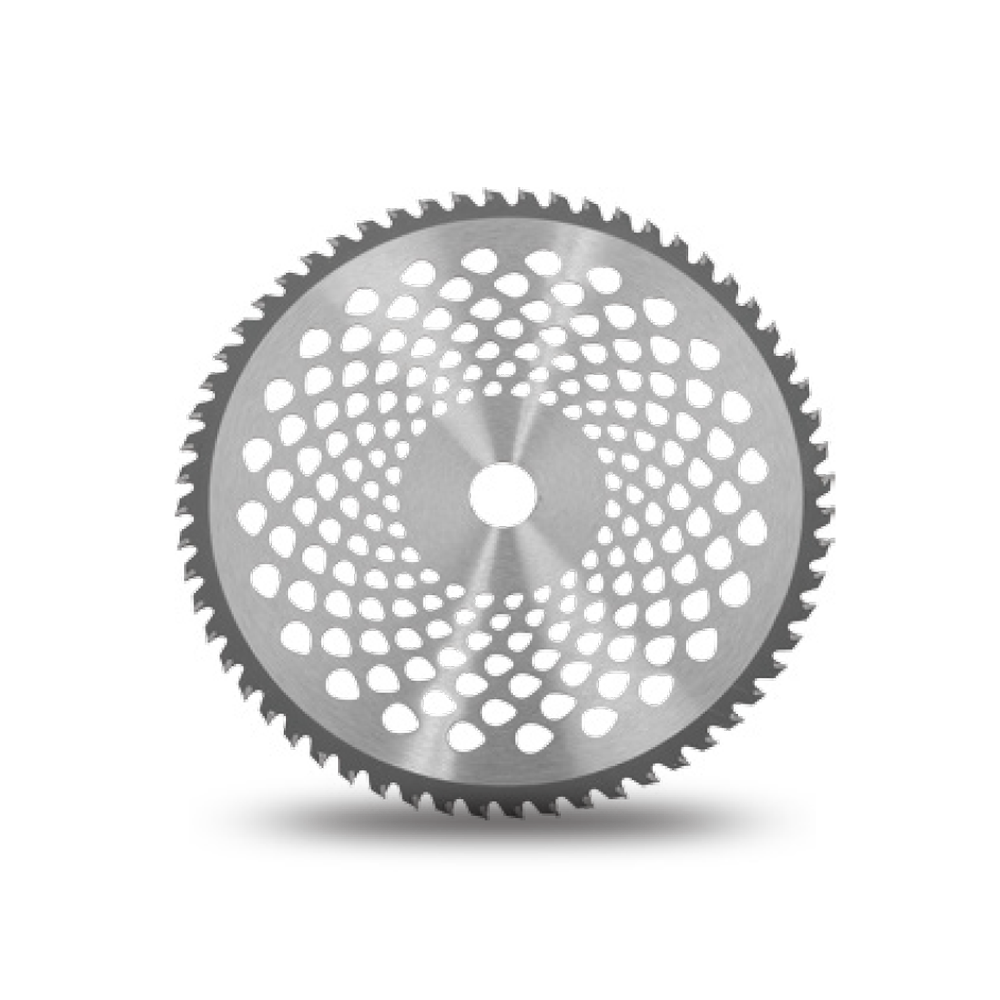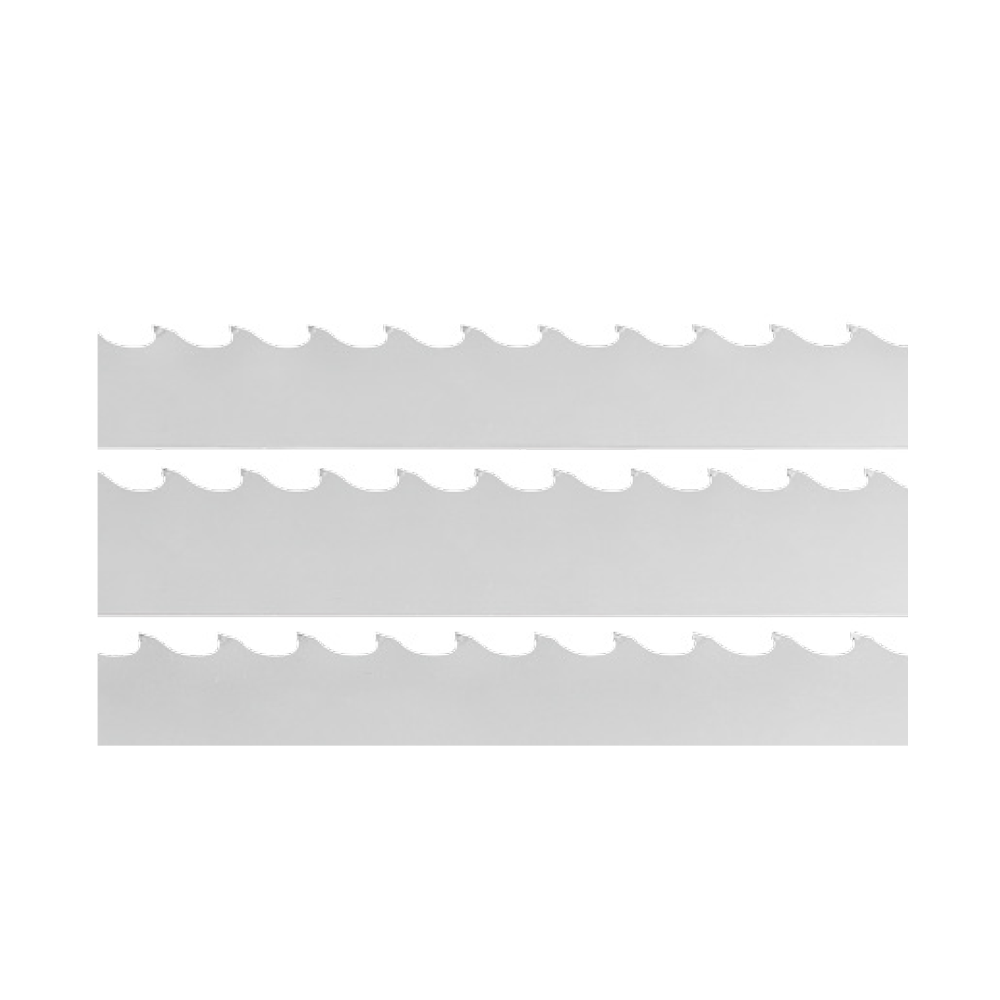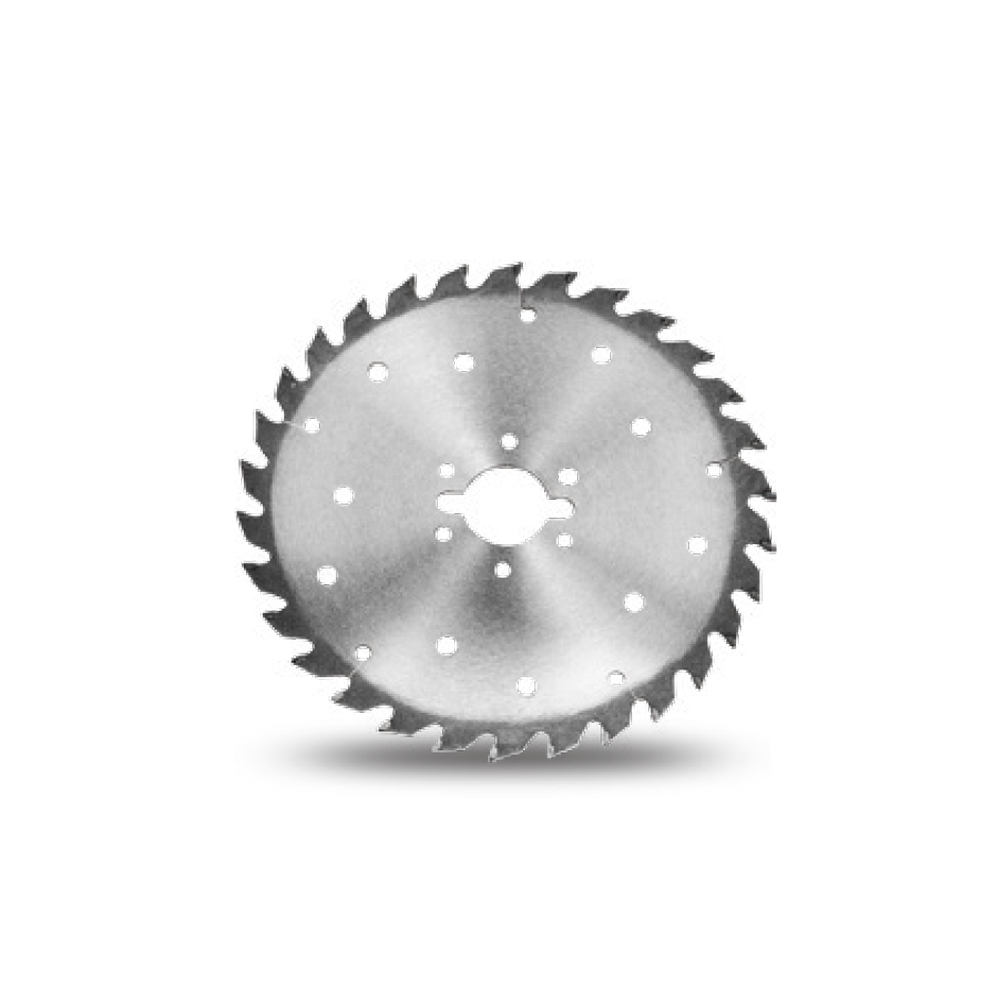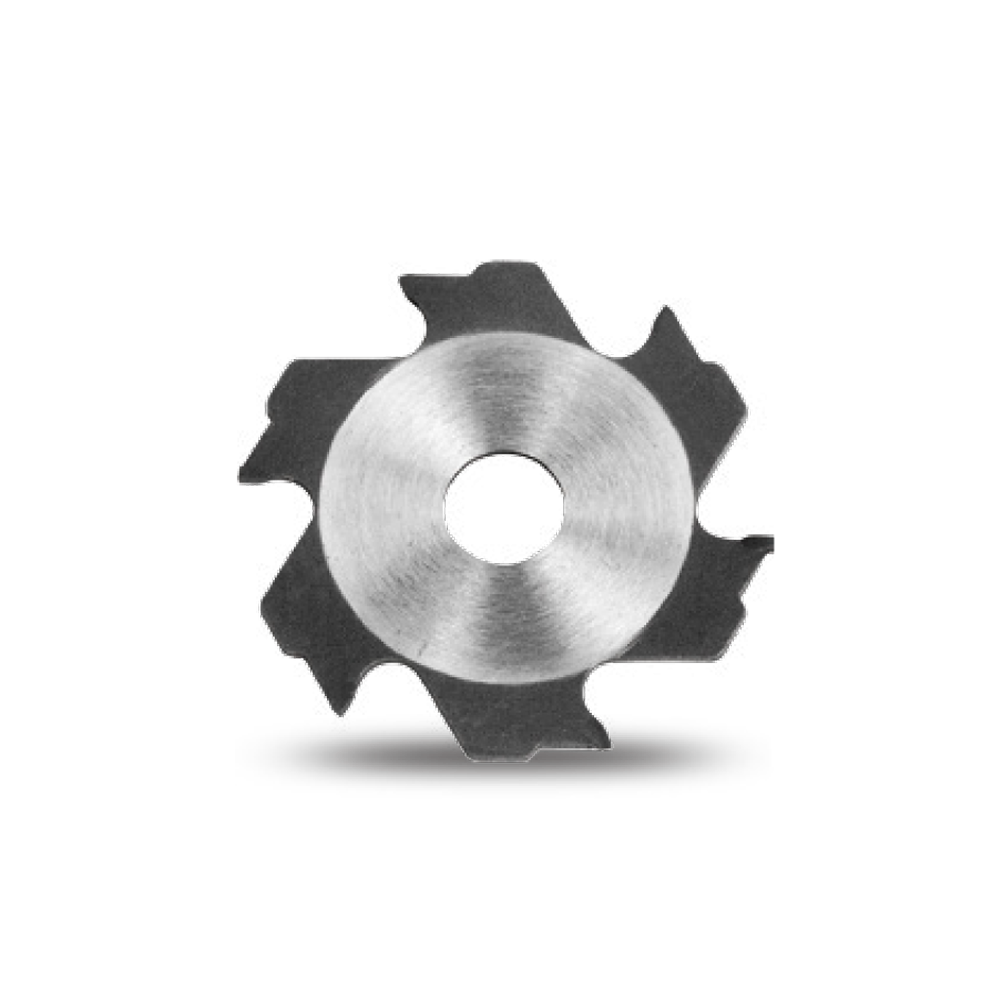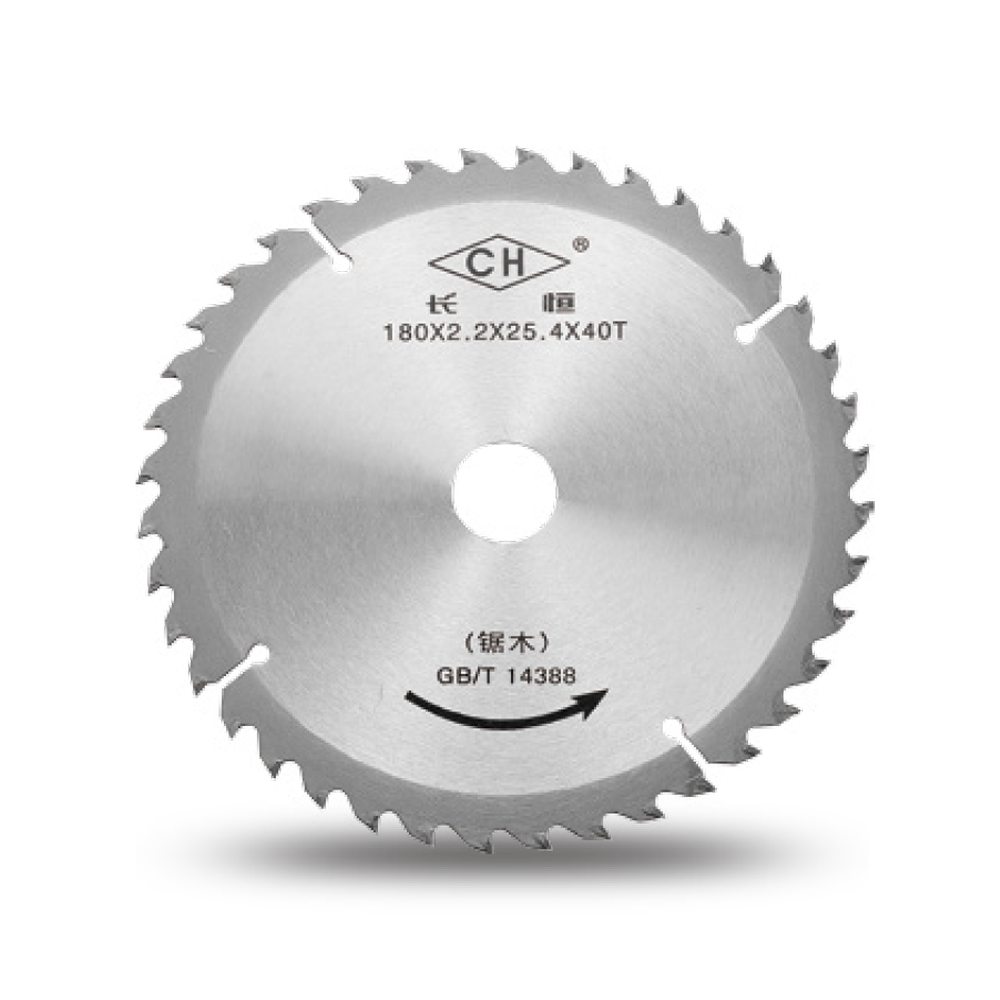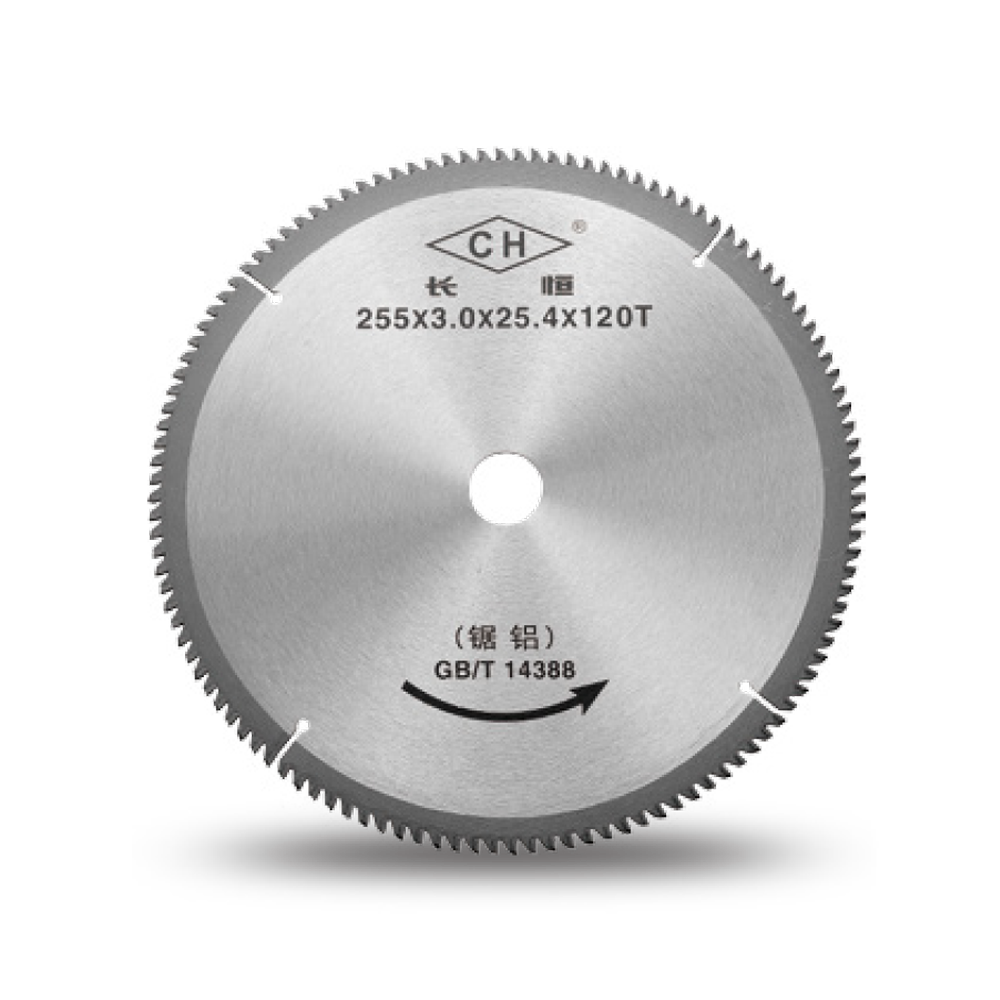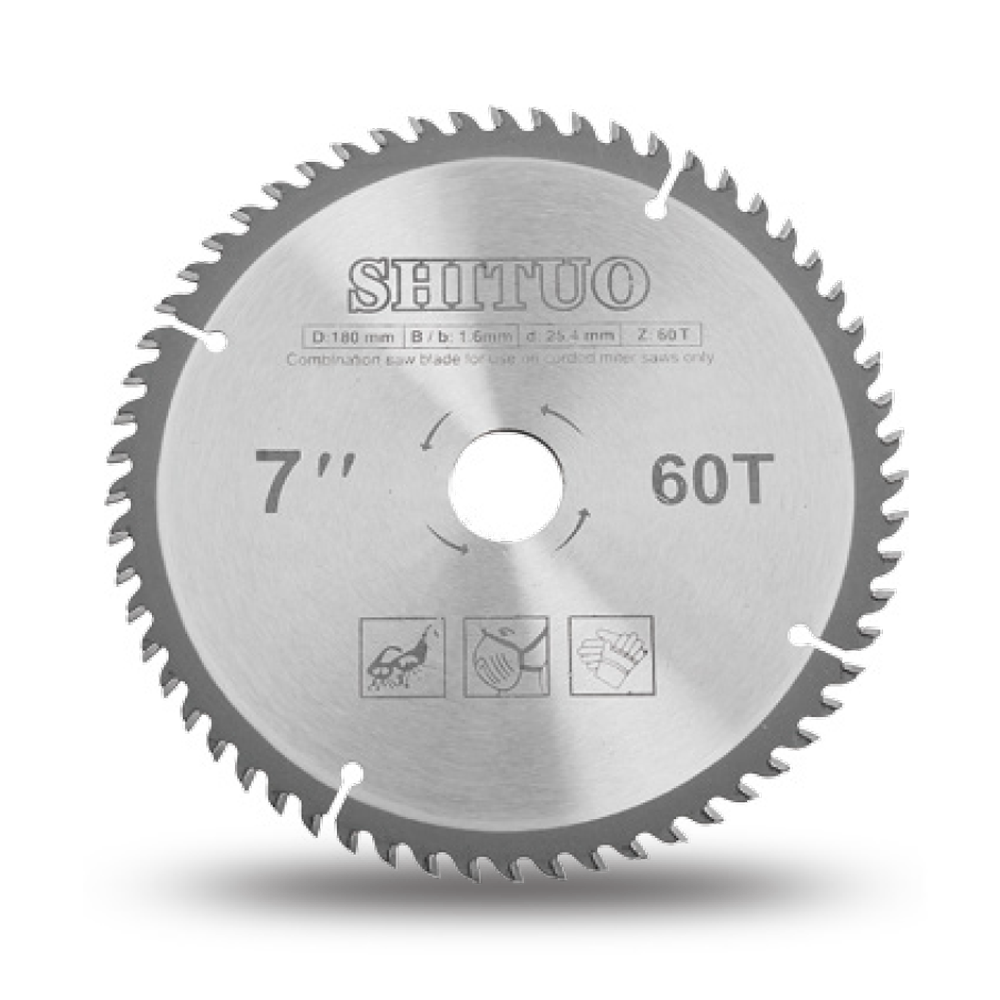
This woodworking circular saw blade is designed for various wood cutting applications, with diameter options ranging from 76mm to 250mm to accommodate different machines and operational requirements. It is manufactured from high-grade steel and fitted with tungsten carbide tips for enhanced durability and cutting performance. The blade is suitable for cutting solid wood, softwood, wooden boards, and structural timber materials. Multiple tooth configurations are available to meet different cutting conditions, ensuring stable performance and smooth cutting results. It is widely used in woodworking workshops, furniture manufacturing, and construction-related applications.
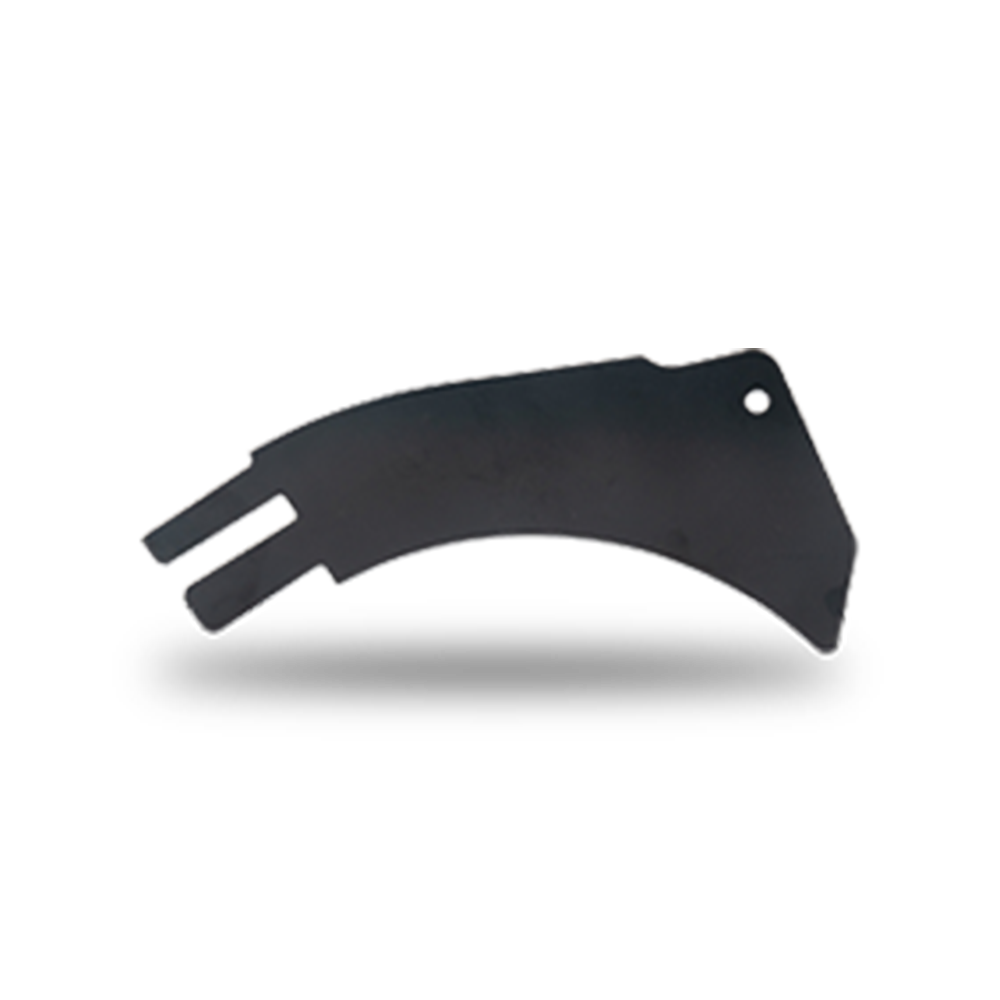
Tooth shape: ---
Applicable: Suitable for cutting wood.
| Dimension | Base thickness (mm) | Kerf (mm) | Hold diameter (mm) | Teeth num. | |||||||||||||||||||
| Inch | Metric (mm) | ||||||||||||||||||||||
| / | 76mm | 1.0 | 1.4 | 10 | 44T | ||||||||||||||||||
| / | 85mm | 1.0 | 1.6 | 10 | 80T | ||||||||||||||||||
| / | 185mm | 1.35 | 2.0 | 16 | 24T | ||||||||||||||||||
| / | 210mm | 1.35 | 2.0 | 16 | 70T 72T | ||||||||||||||||||
| / | 250mm | 1.85 | 2.8 | 20 | 60T | ||||||||||||||||||
For exclusive deals and latest offers, sign up by entering your email address below.
Anyone who works with timber regularly knows the blade makes a difference. You might be trimming softwood boards for a weekend project or running a small workshop that handles solid wood daily. The tool that does the heavy lifting is often a circular saw blade. But not every blade works the same way. Let's walk through what a woodworking circular saw blade actually does, where you would use different sizes, and how to pick between general wood cutting saw blades versus more specialized options.
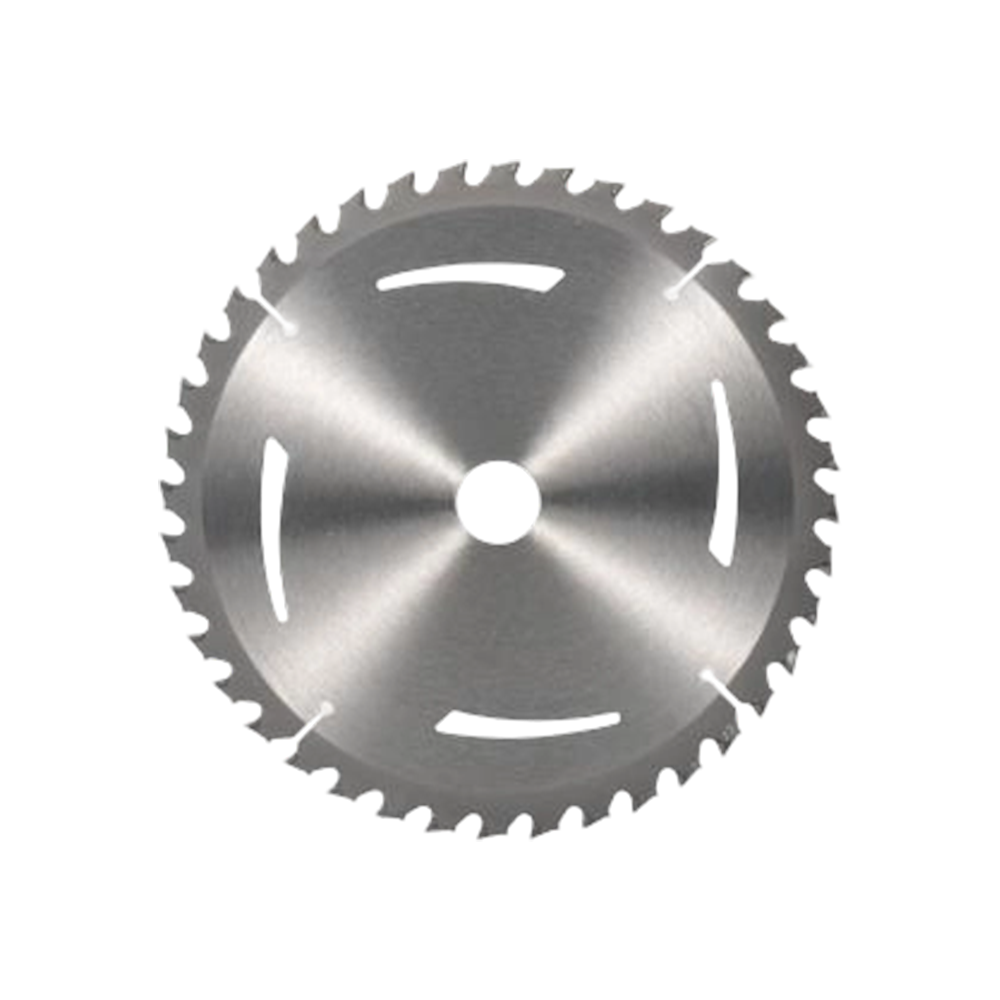
A woodworking circular saw blade is a round metal plate with teeth around the edge. It spins at high speed to slice through materials like structural timber, wooden boards, or softwood. The version we are looking at here comes with a steel body made from high-grade steel. The teeth get a harder treatment—tungsten carbide tips are attached to each tooth. Why does that matter? Because regular steel would dull fast when you cut solid wood day after day. Tungsten carbide keeps the edge sharper for longer. Diameter options range from 76mm to 250mm. A 76mm blade fits small trim saws. A 250mm blade goes on larger table saws or mitre saws found in furniture manufacturing lines.
When the blade spins, each tooth acts like a tiny chisel. It pulls into the wood fiber and lifts out a chip. Multiple tooth configurations are available to match different cutting conditions. Fewer teeth mean faster cuts but rougher edges. More teeth give smoother results, but a slower feed. For example, cutting structural timber materials like spruce beams? A blade with 24 teeth clears dust quickly. Cutting wooden boards for a cabinet door? Go with 60 teeth or more. The tungsten carbide tips resist heat buildup, too. Heat kills blades. So this design keeps working longer without losing shape.
Let's put the three types side by side. Are your everyday option for rough work. They tolerate nails sometimes. They cut fast. Surface finish is secondary. Woodworking saw blades focus on precision. You use these for joinery, trim, and visible surfaces. The tooth count runs higher. The steel body often has expansion slots to reduce vibration. Are a different beast. Larger diameter, heavier construction. They handle continuous operation in a mill environment. Thicker kerf, too. But for a typical workshop, you will not need true sawmill blades. What you need is a woodworking circular saw blade that matches your material and machine.
One thing people miss: diameter choice affects cutting depth. A 76mm blade only cuts about 25mm deep. A 250mm blade cuts over 80mm deep. So think about your stock thickness before buying.
Clean resin off the blade regularly. Sticky buildup changes the tooth geometry. Also, store blades flat or hung up. Warped steel causes dangerous kickback. And match the blade's speed rating to your saw. Running a 76mm blade on a high-rpm trim saw is fine. Running a 250mm blade on an underpowered saw creates problems.
Pick based on material type, cut quality needed, and machine size. The woodworking circular saw blade with tungsten carbide tips and multiple tooth options covers most jobs from solid wood to softwood to wooden boards. Keep a coarse blade for framing and a fine blade for furniture. That simple rule works better than memorizing specs.