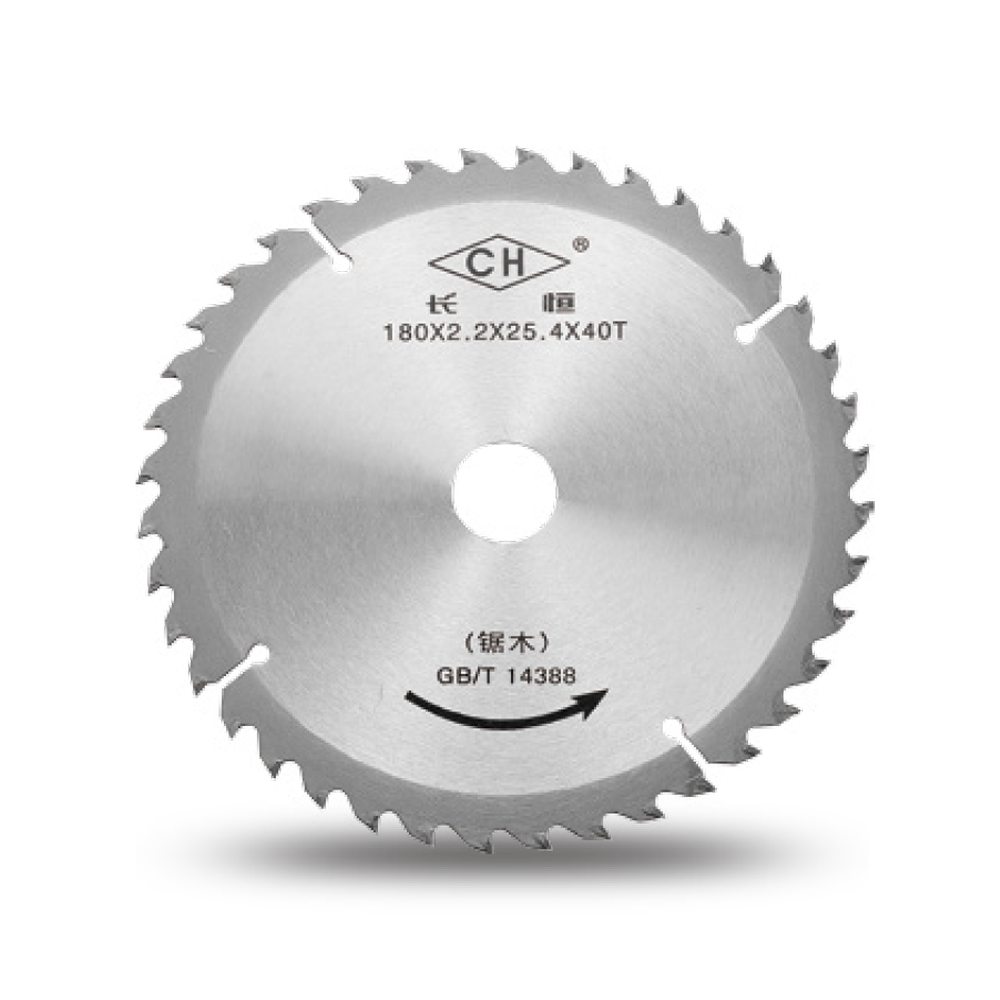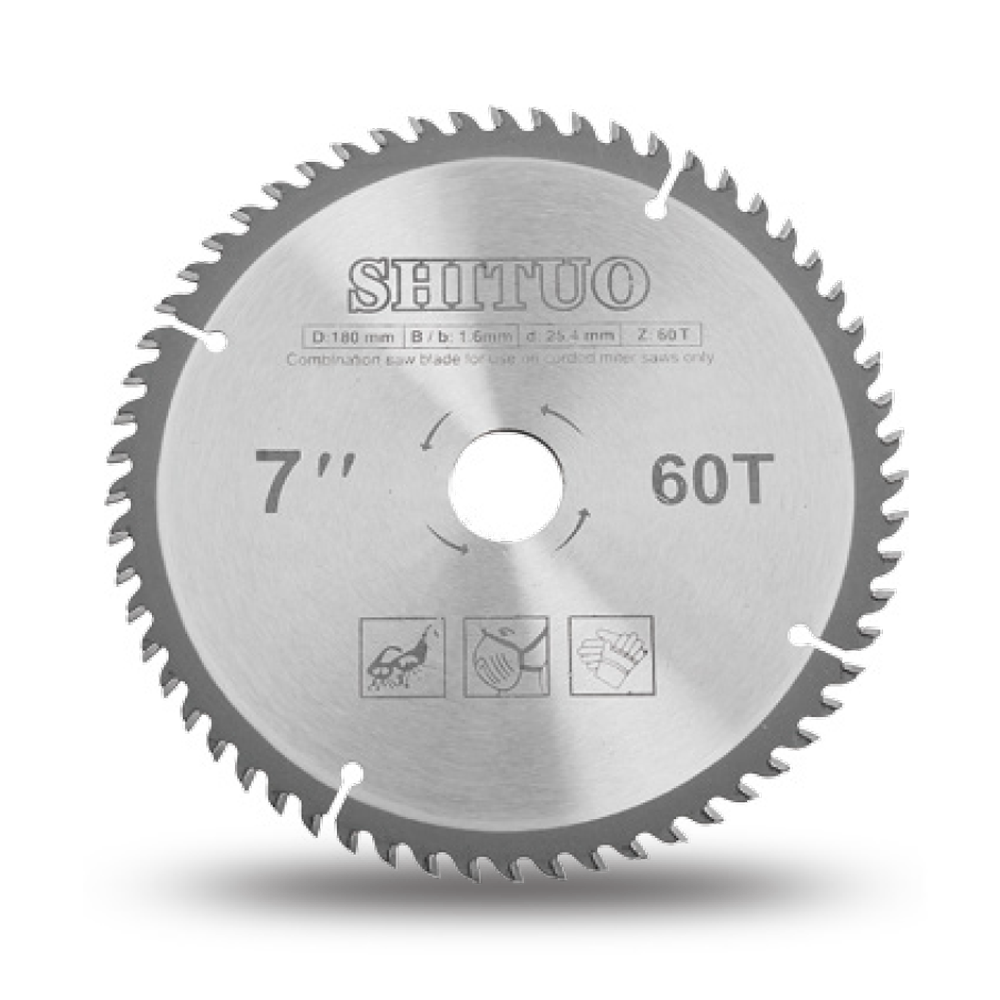
TCT Saw Blade

Laminate Flooring Cutting Blades

Home / Products / TCT Saw Blade / Universal Aluminum Cutting Saw Blade
  • Zhejiang Changheng Tools Co., Ltd.
  • Zhejiang Changheng Tools Co., Ltd.
TCT Saw Blade

Universal Aluminum Cutting Saw Blade

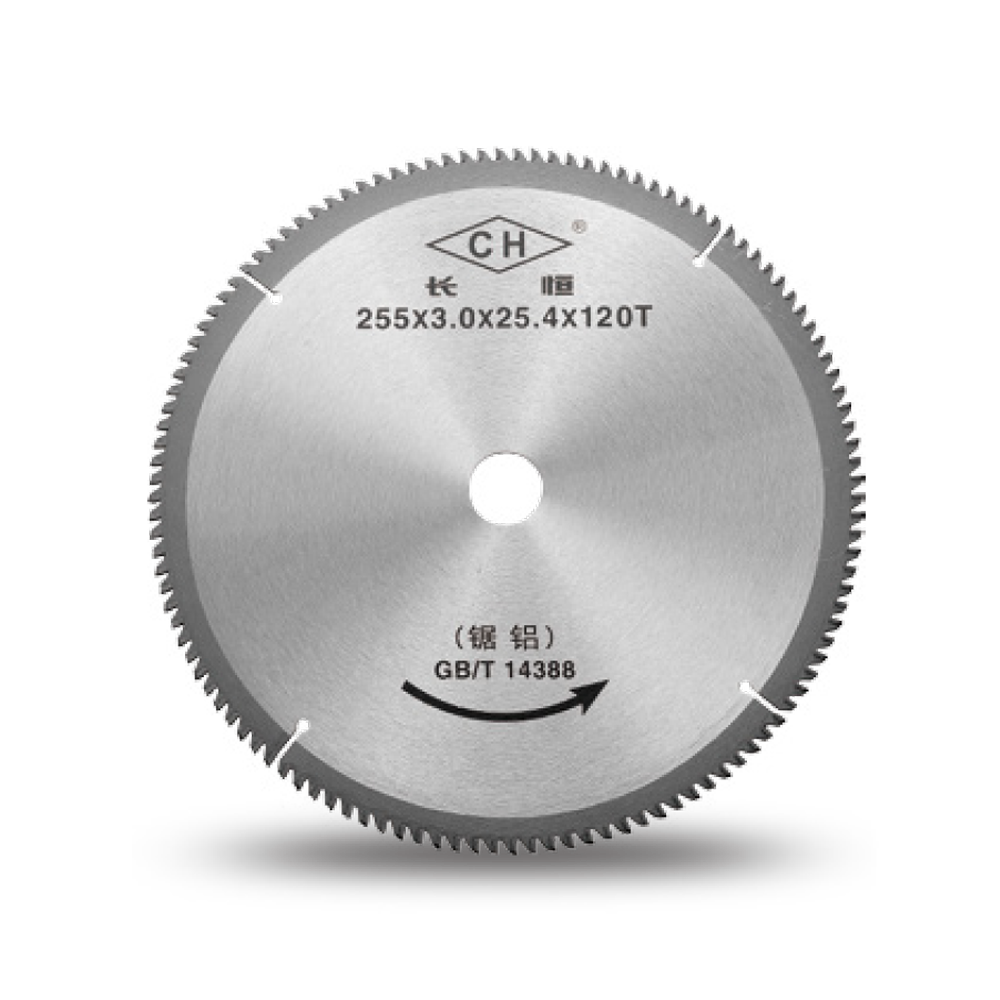
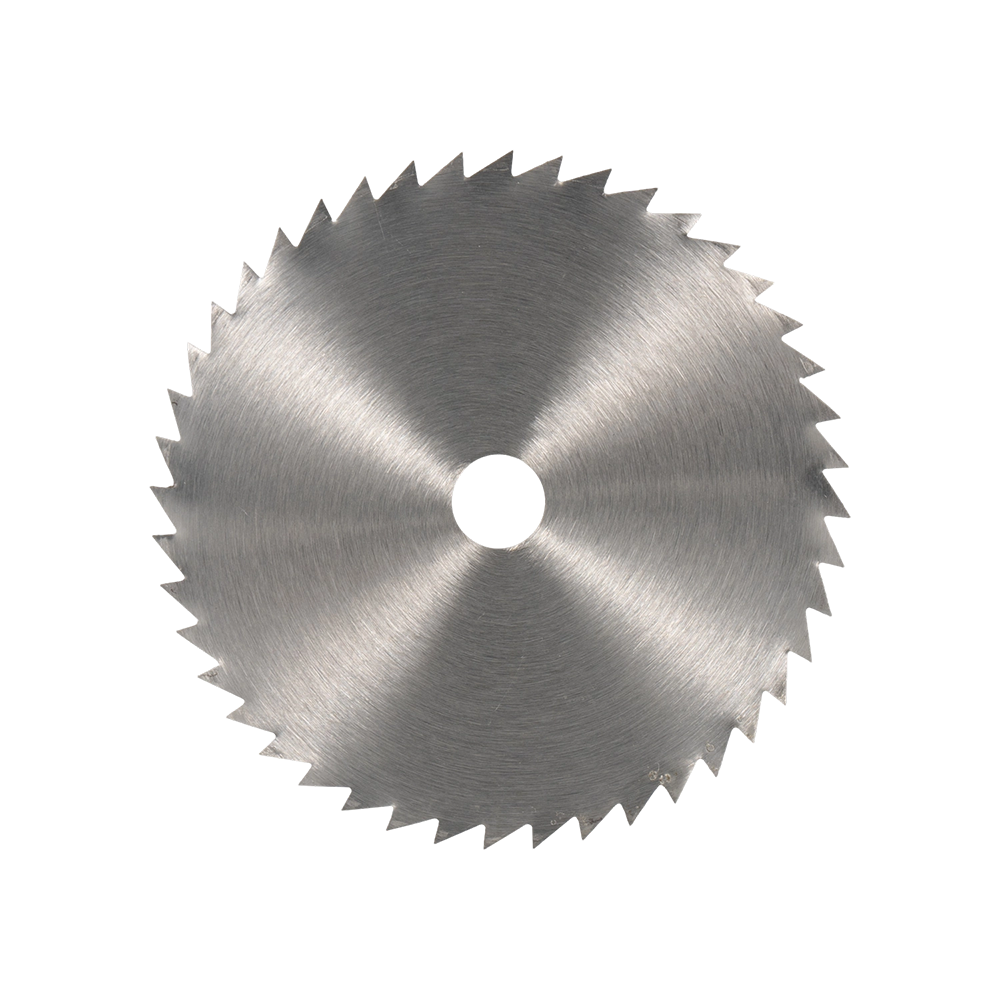
The Universal Aluminum Cutting Saw Blade is specially designed for cutting aluminum alloys. It is produced with a high-strength blade body and wear-resistant carbide tips to ensure stable cutting performance during non-ferrous metal processing. The blade adopts a flat top grind (FTG) tooth configuration, which provides high tooth strength and excellent impact resistance. It is suitable for cutting aluminum profiles and bars with a thickness not exceeding one-third of the blade diameter, as well as certain engineering plastic materials.

During operation, the blade runs smoothly with efficient chip removal, effectively reducing burr formation and improving machining precision. This product is widely used in window and door profile processing, industrial aluminum cutting, and decorative material fabrication. It serves as a practical and reliable solution for general-purpose aluminum and plastic cutting applications.


Tooth shape: Flat tooth
Applicable: Aluminum alloy (rod) material not exceeding 1/3 of the thickness of the saw blade, plastic material.

Zhejiang Changheng Tools Co., Ltd.Product Parameters
Dimension Base thickness (mm) Kerf (mm) Hold diameter (mm) Teeth num.
Inch Metric (mm)
10" 250mm 1.6  2.4  25.4/30 80T 100T 120T
12” 300mm 1.7  2.6  25.4/30 80T 100T 120T
14" 350mm 2.0  2.8  25.4/30 100T 120T
16" 400mm 2.5  3.5  25.4/30 100T 120T
18" 450mm 2.5  3.5  25.4/30 100T 120T
20" 500mm 2.5  3.5  25.4/30 100T 120T
Contact us

For exclusive deals and latest offers, sign up by entering your email address below.
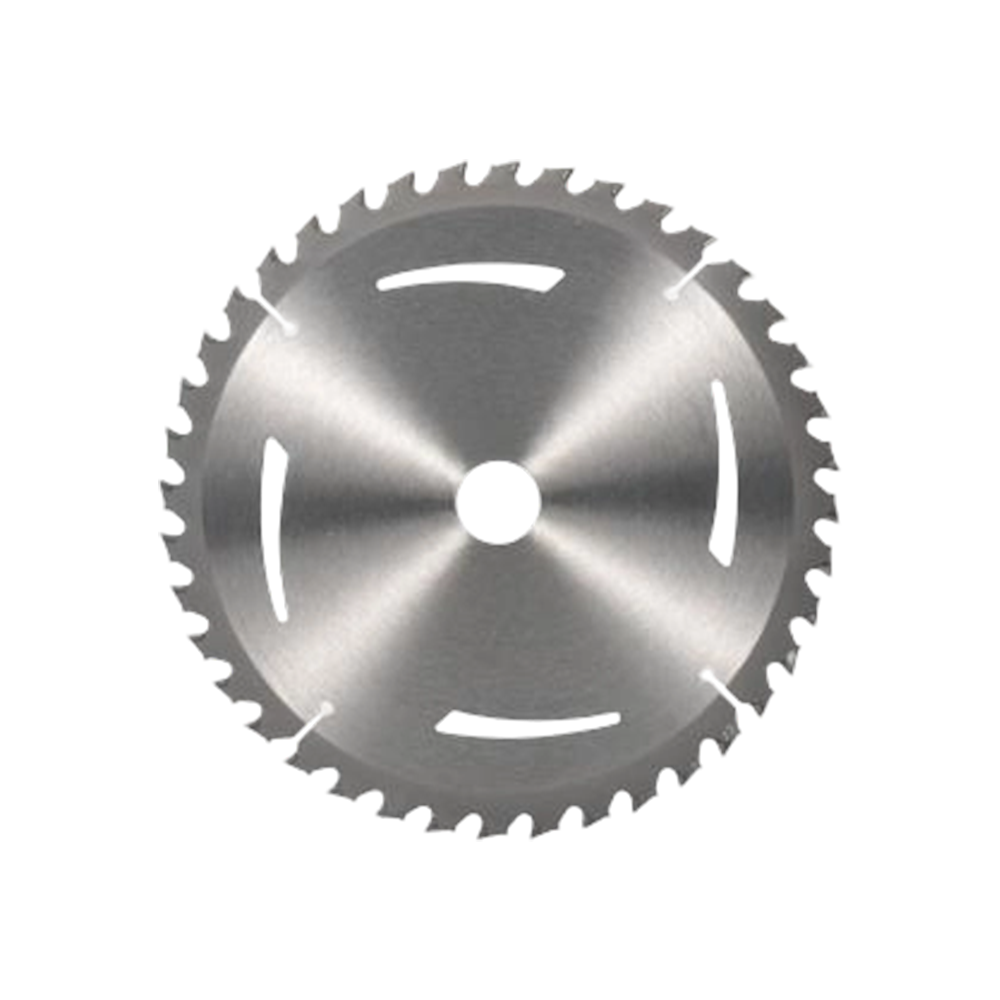
Which Saw Blade Works for Plywood, Laminate Flooring, and Laminated Panels

Not every wood-cutting blade handles engineered materials the same way. Someone who just grabbed a general-purpose blade off the shelf might end up with chipped edges, burned surfaces, or a blade that dulls after a few cuts. This matters especially for cabinet shops, flooring installers, and panel processing lines.

Defining These Three Blade Types

A plywood cutting blade refers to a circular saw blade designed with a high tooth count—typically 80 to 100 teeth—and a steep hook angle. The goal is to shear through the veneer layers without tearing the top or bottom face. Plywood contains adhesive between layers, which can be abrasive. So these blades often use carbide tips to resist that wear.

Laminate flooring cutting blades focus on a different problem. Laminate flooring has a hard melamine or aluminum oxide top layer. That surface dulls standard blades fast. Blades for this application usually feature a triple-chip or alternate top bevel tooth grind. The triple-chip design reduces chipping on the decorative layer, leaving a clean edge that locks together during installation.

Then there are laminated panel blades. Laminated panels include products like MDF with a decorative foil, HPL (high-pressure laminate), or acrylic-faced boards. These materials combine a soft core with a brittle surface. A blade for laminated panels needs negative or low hook angles to prevent the teeth from grabbing and blowing out the top laminate.

How Tooth Geometry Affects Cut Quality?

Take a closer look at the tooth design. For plywood, a high tooth count with an alternate top bevel (ATB) works well. Each tooth slices into the wood fibers at an angle, producing a smooth finish on both sides. But if the same blade goes into laminate flooring, the ATB teeth might chip the hard surface. That is where it with a triple-chip grind (TCG) comes in. One tooth flattens the bottom, the next tooth cuts the side, creating a cleaner edge on brittle materials.

For it, a negative hook angle makes a noticeable difference. Negative hook means the tooth leans backward relative to the rotation direction. This prevents the blade from self-feeding aggressively. Instead, the operator controls the feed rate, and the top laminate stays intact. Positive hook blades, common for solid wood, would pull too hard and cause blowout.

Where Each Blade Gets Used in a Workshop?

  • Plywood cutting blades show up in furniture manufacturing and cabinet shops. A typical job involves cutting 3/4-inch Baltic birch plywood for drawer boxes or shelving. The blade needs to leave a glue-ready edge without splintering. Many professionals choose an 80-tooth ATB blade with a 5/8-inch arbor for their table saws.
  • Are common on miter saws or sliding compound miter saws. Flooring installers often set up a saw station right inside a house. They cut planks to length for door frames, corners, and end rows. A blade that produces a clean cut means no extra sanding or filing before clicking the planks together. Some blades also feature a non-stick coating to reduce resin buildup from the laminate's adhesive layer.
  • Laminated panel blades serve CNC routers and panel saws in shops that process decorative boards. Think of kitchen cabinet doors with a foil wrap, or office furniture with melamine faces. A blade designed for laminated panels keeps the surface layer from chipping at the entry and exit points of the cut.

Comparing These Blades With Standard Wood Blades

Someone might wonder why not use a single general-purpose blade for all these materials. Here is the difference.

Tooth count and grind. A standard 40-tooth ATB blade cuts solid pine or oak fine. But on plywood, it leaves rough edges. On laminate flooring, it chips the decorative layer. On laminated panels, it pulls out chunks of the surface. Specialized blades use higher tooth counts or specific grinds like TCG or negative hook.

Carbide grade. Plywood cutting blades often use a standard C4 or C5 carbide. That handles the abrasive glue in plywood reasonably well. Laminate flooring cutting blades need a micro-grain carbide that resists the extreme wear from aluminum oxide. Cheaper blades lose their edge in fewer than fifty cuts on laminate flooring.