



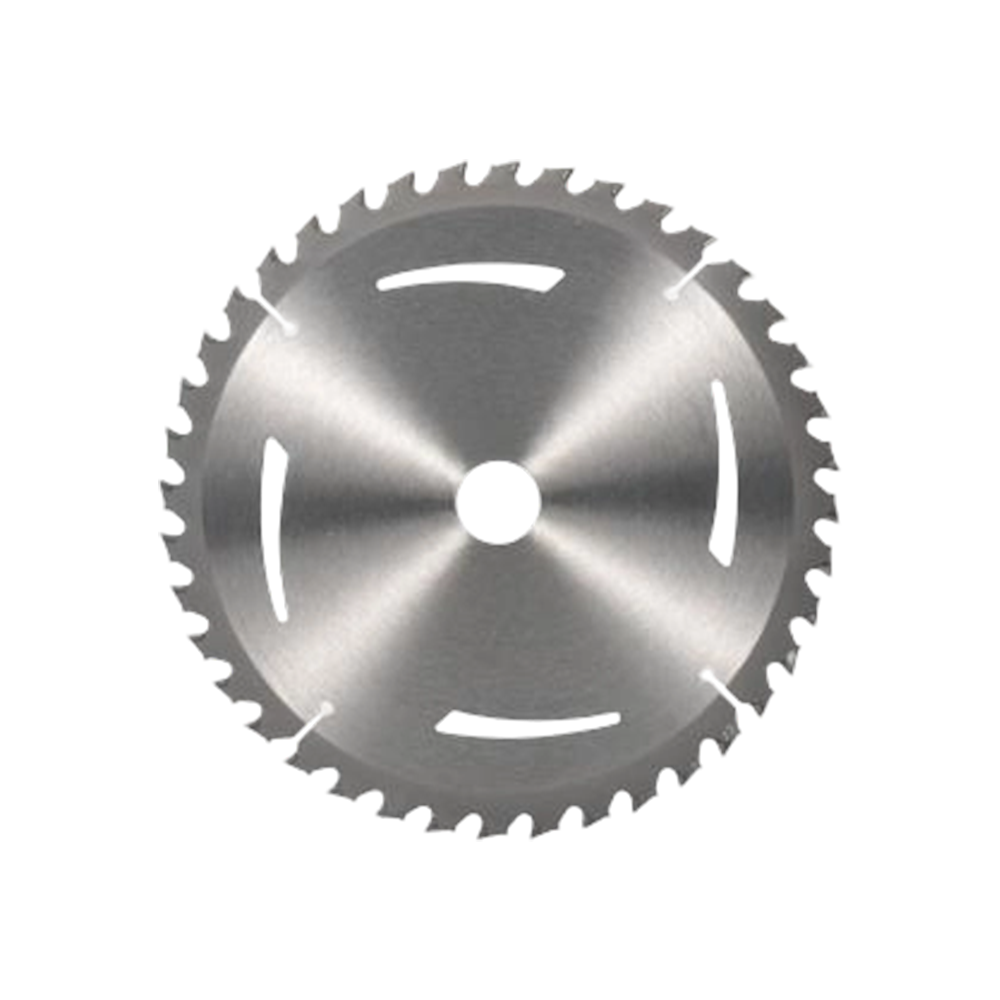
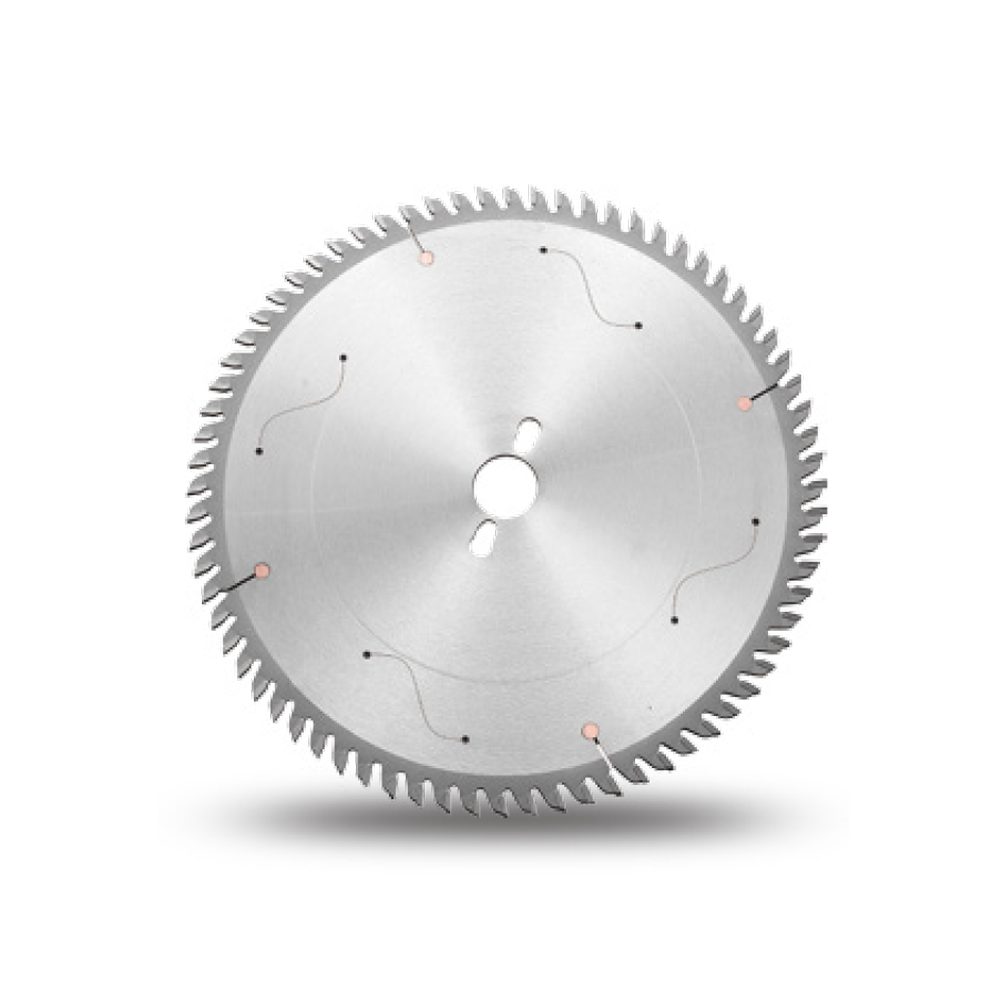
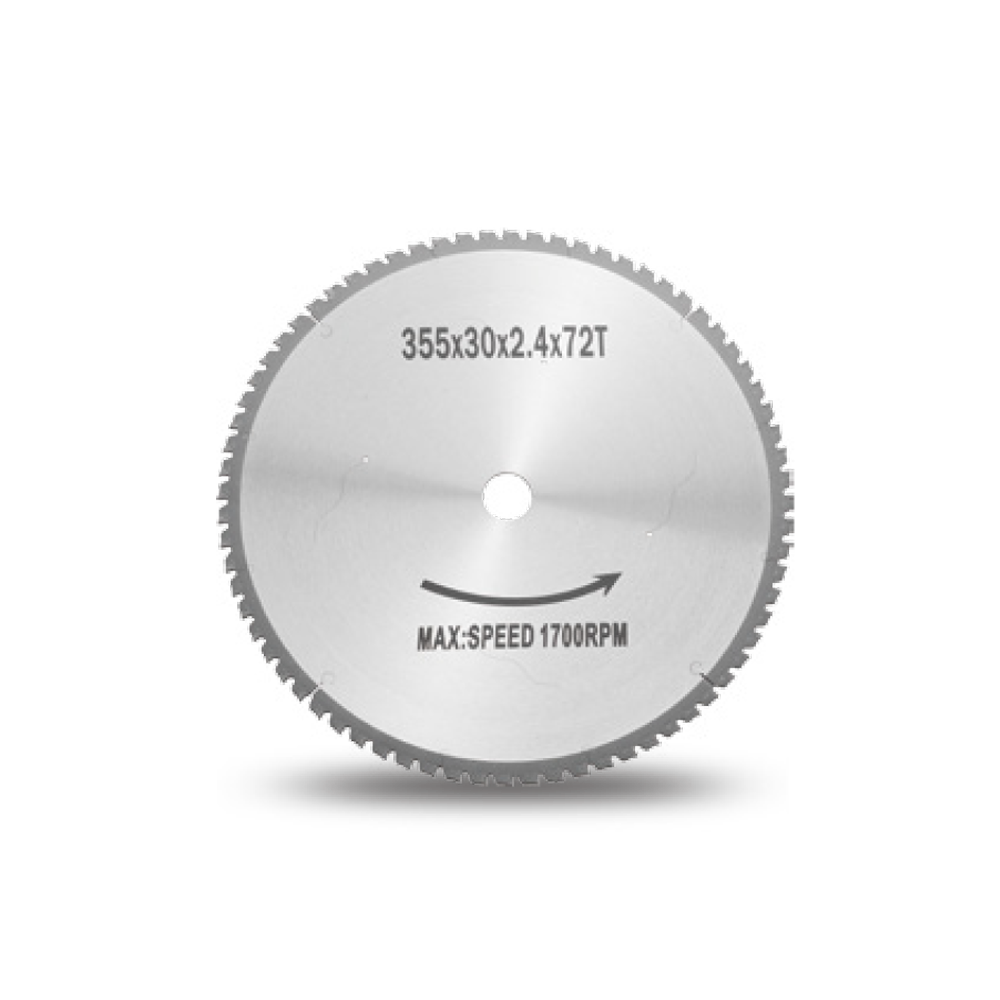
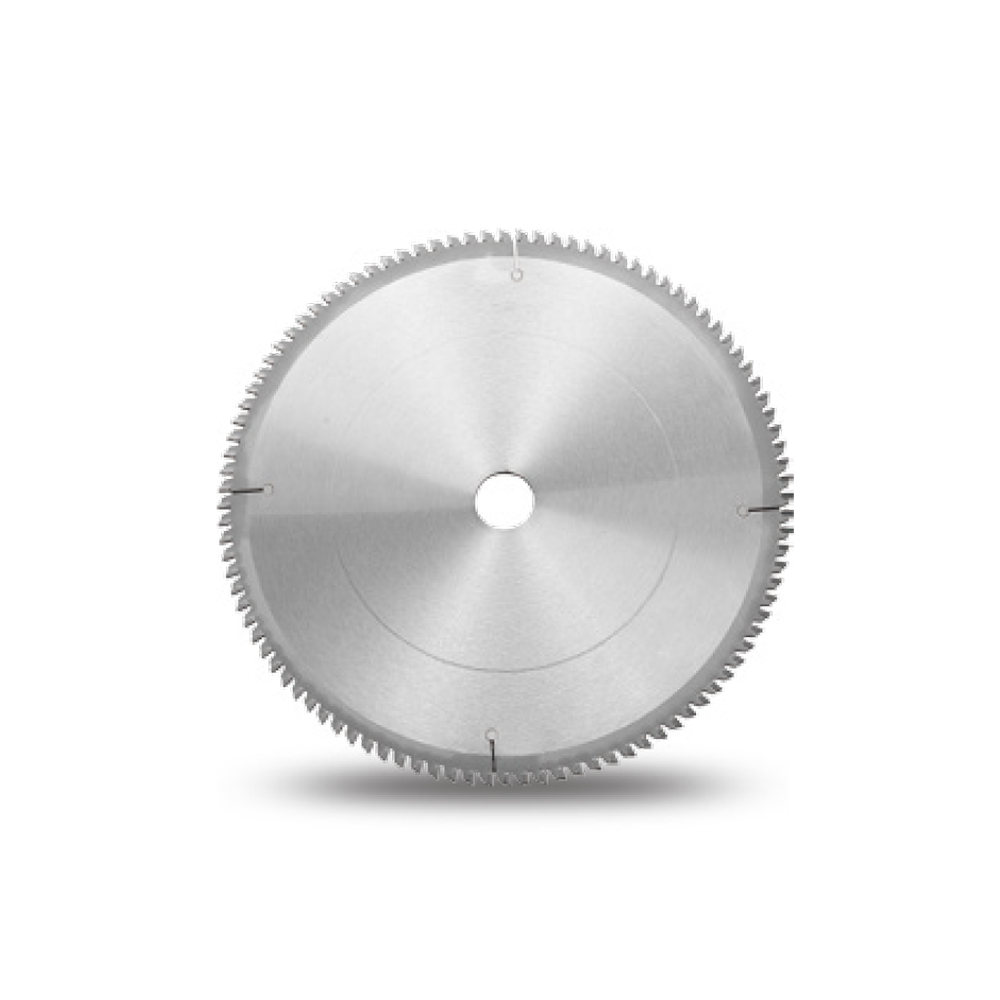
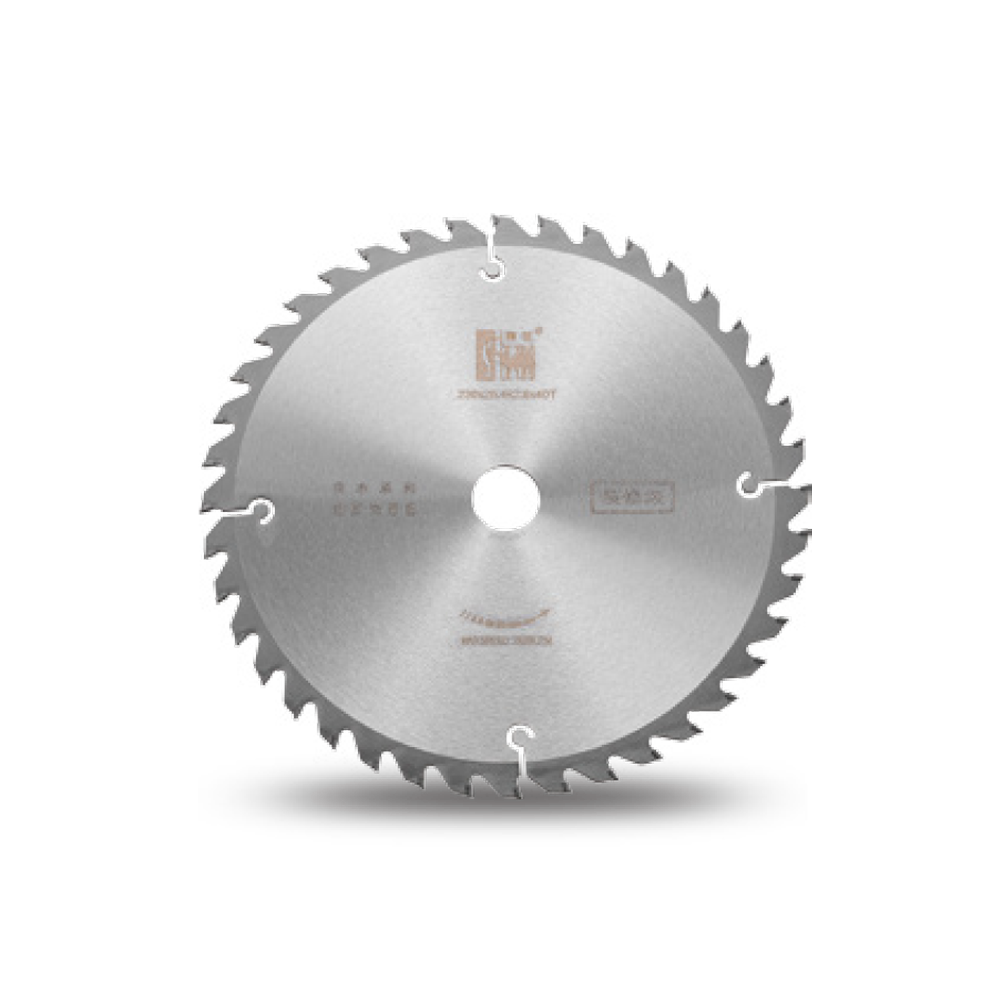
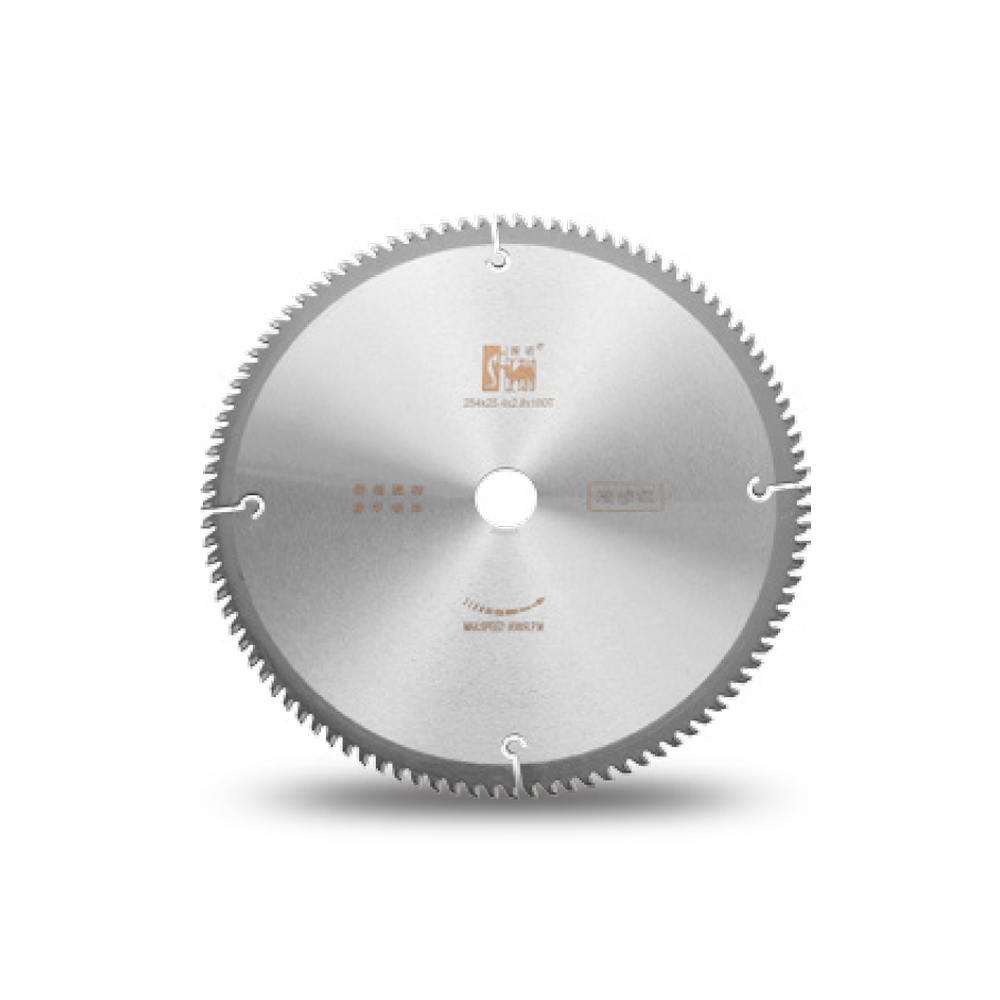
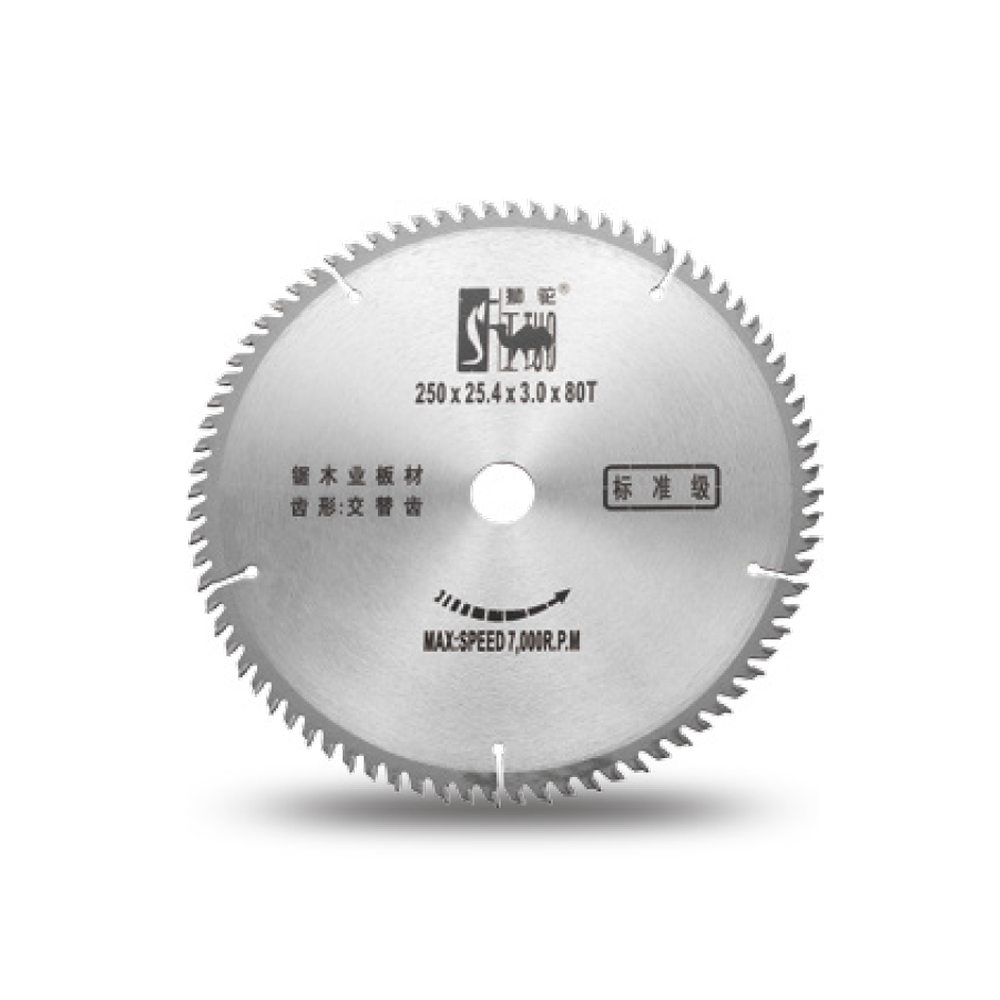
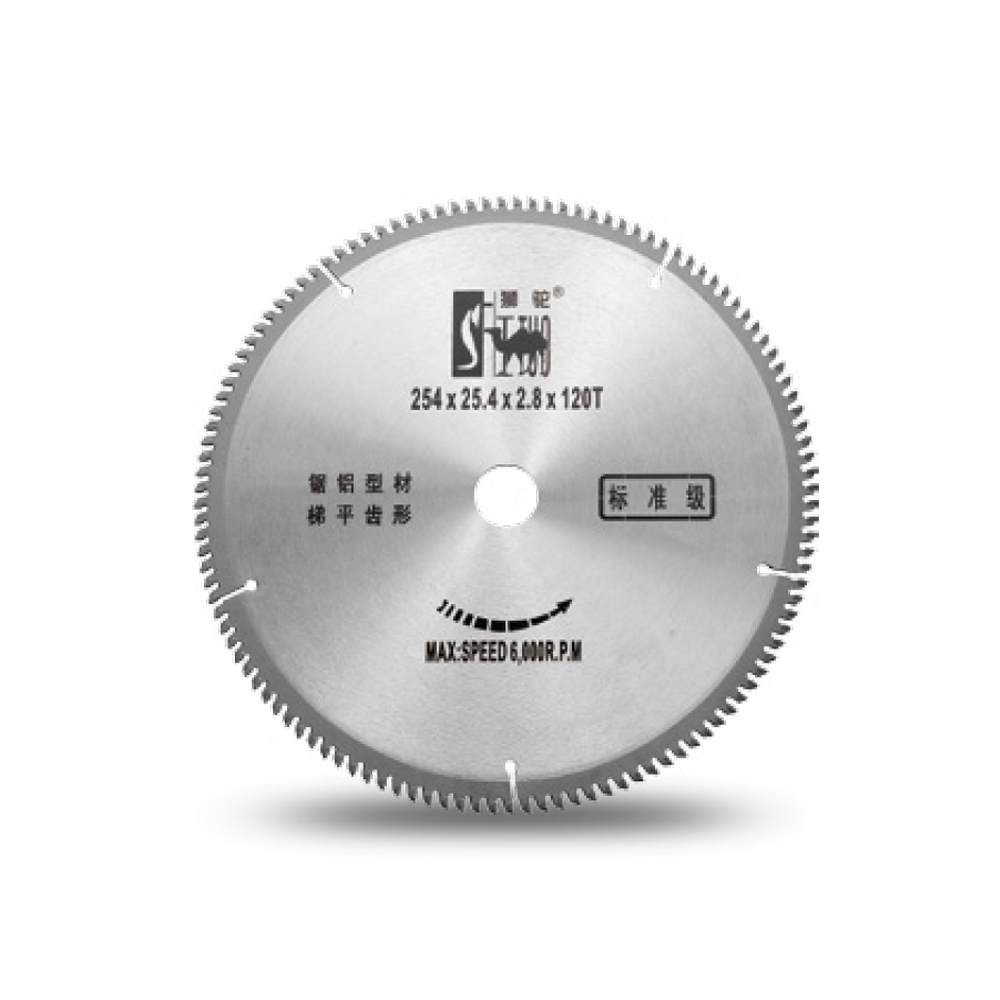
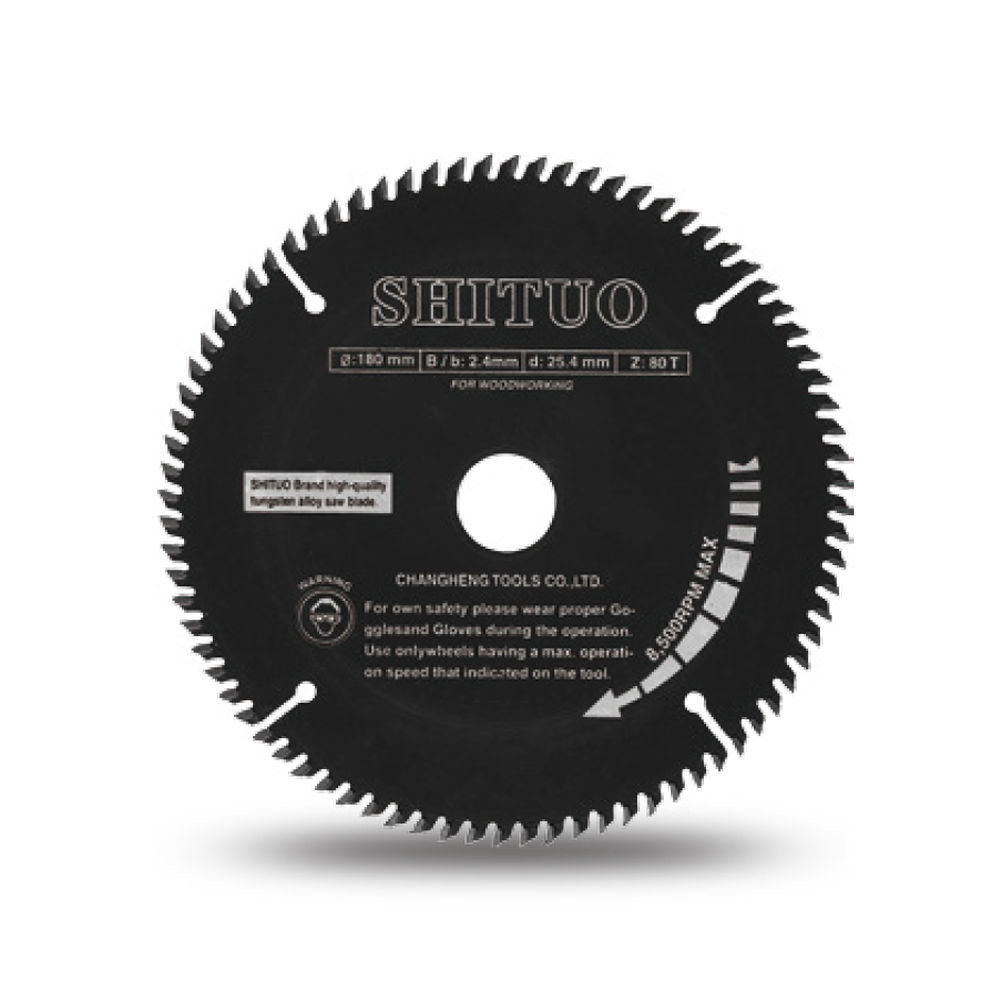
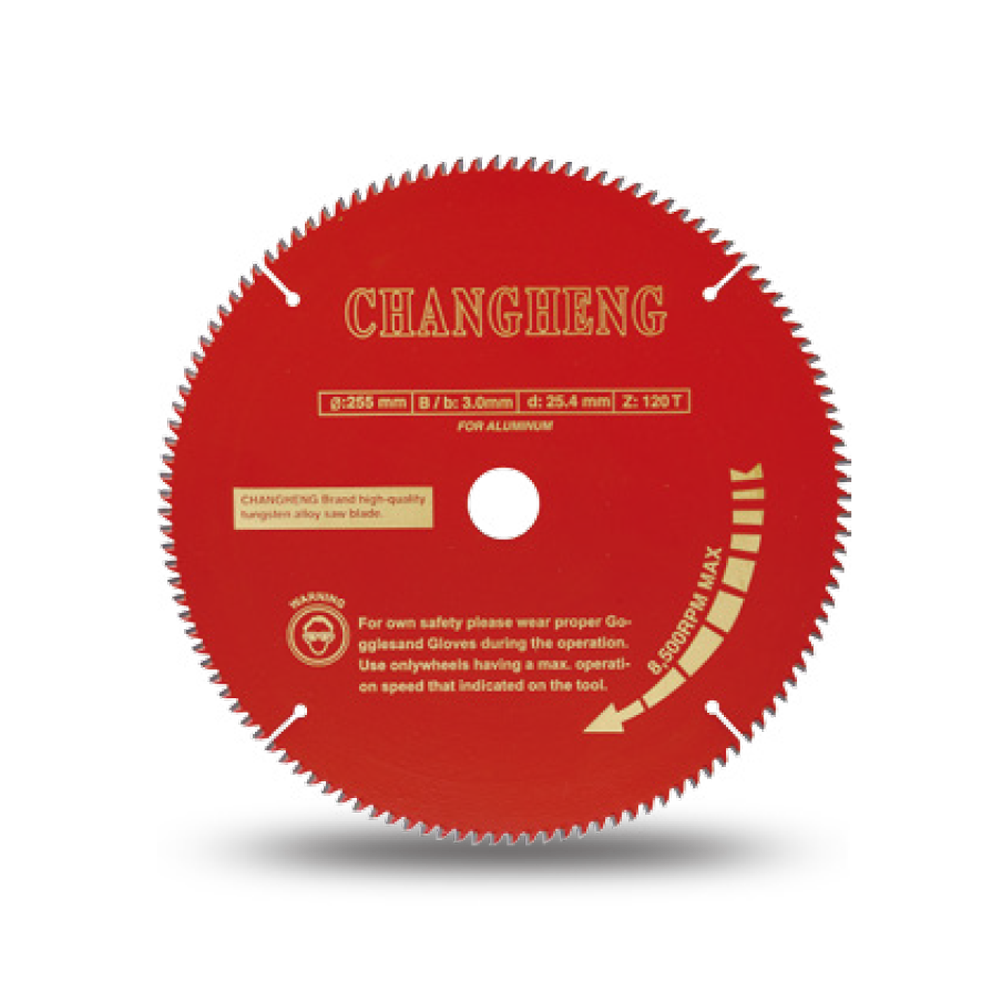
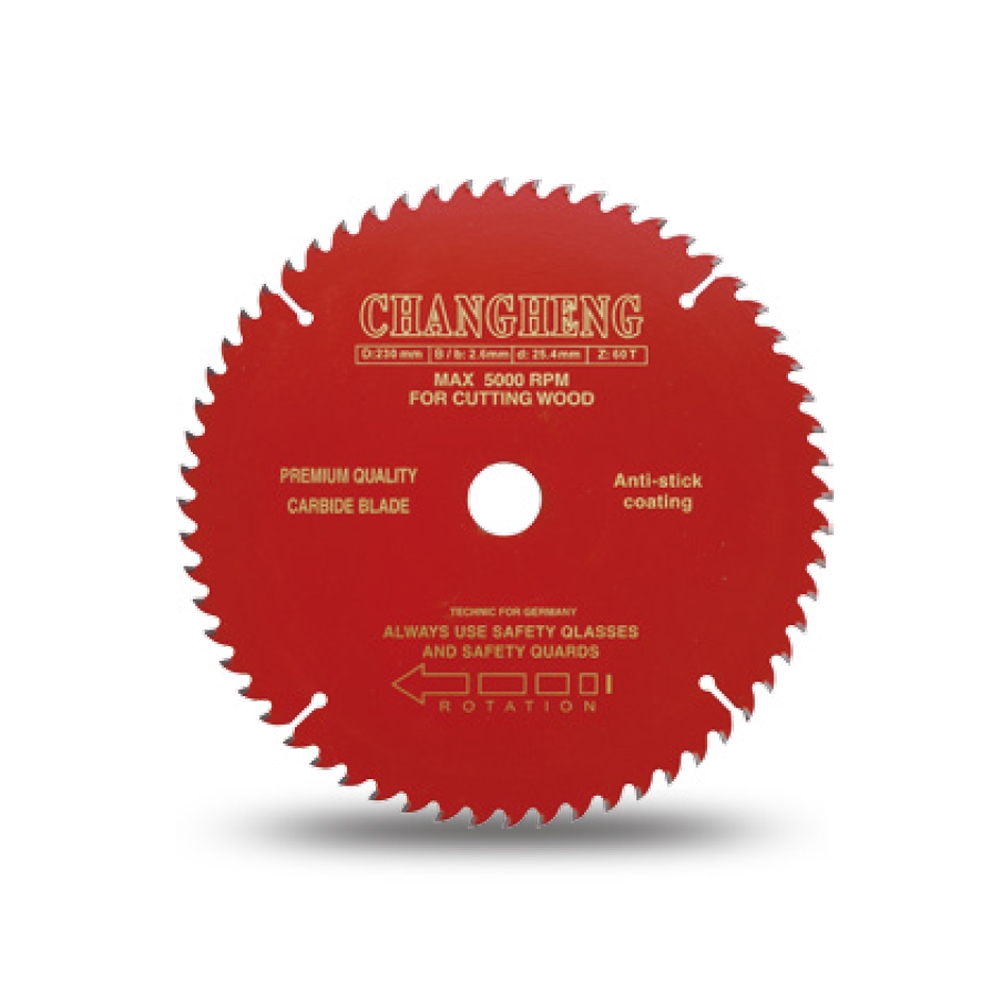
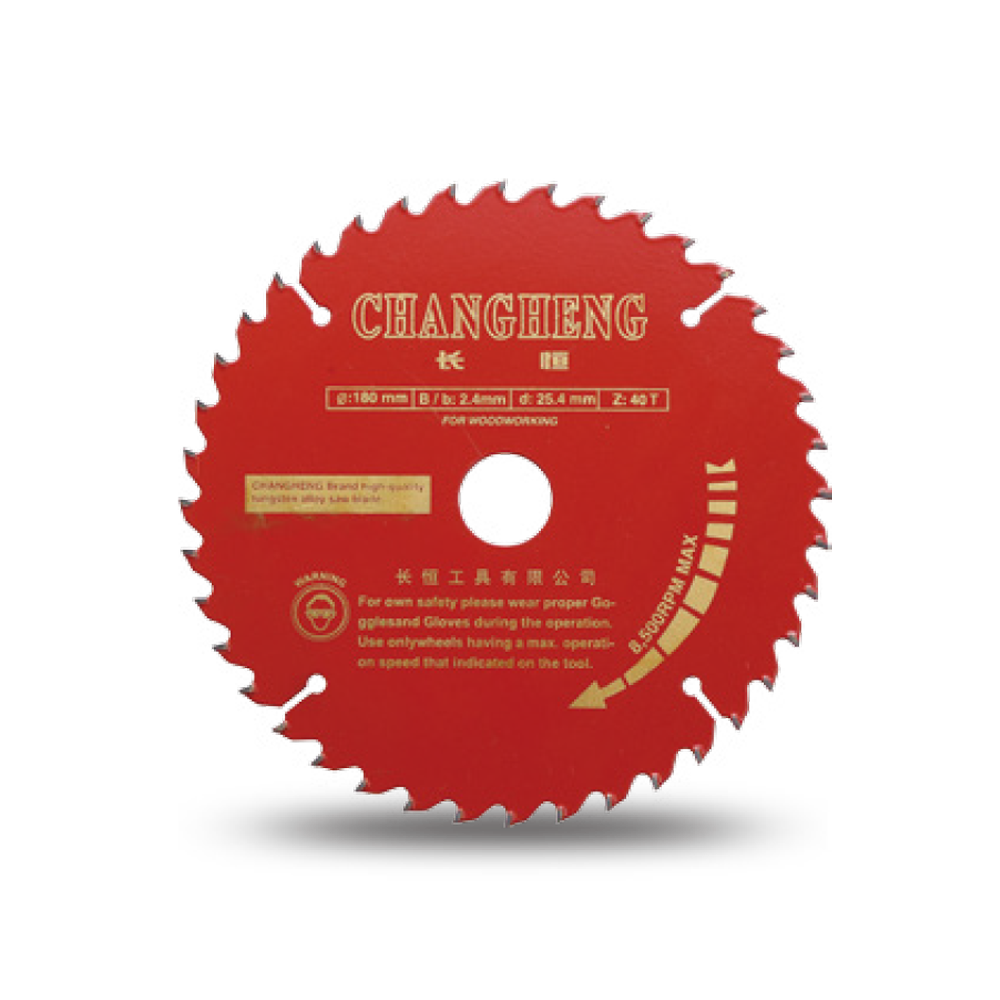
TCT Saw Blades (Tungsten Carbide Tipped Circular Saw Blades) are manufactured with high-strength alloy steel bodies and premium tungsten carbide tips, which are precisely brazed under high-temperature processes. They offer nice wear resistance, sharp cutting performance, and extended service life. These blades are widely used for cutting wood, plywood, MDF, particle board, aluminum profiles, and plastic materials. Various tooth geometries such as ATB (Alternate Top Bevel), TCG (Triple Chip Grind), and FTG (Flat Top Grind) are available to meet different cutting requirements. Multiple diameter and bore size options ensure compatibility with table saws, panel saws, sliding saws, and cutting machines. The blades deliver stable operation, smooth cutting surfaces, and improved production efficiency.
Carbide vs Circular vs Industrial Saw Blades: Key Differences & Buying Guide
What Each Blade Type Really Means
A carbide saw blade uses tungsten carbide tips brazed onto the teeth. That's a metal matrix composite nearly as hard as diamond. It stays sharp through abrasive stuff like plywood, MDF, or even aluminum.
A circular saw blade is any round blade designed for a circular saw—handheld or table-mounted. Most modern ones have carbide tips, but cheaper versions use high-speed steel (HSS). The term describes the shape and mounting, not the material.
An industrial saw blade is a performance tier, not a shape. These are built for continuous, high-feed-rate production. Think eight-hour shifts, cutting stacked laminate or bundled rebar. They often feature thicker kerfs, larger carbide tips, and reinforced bodies to resist heat warping.
Why Carbide Cuts Longer (And Where It Gets Brittle)
Carbide's magic isn't sharpness—it's retention. A steel blade gets razor-sharp but loses that edge after 50 feet of cutting melamine. Carbide? You'll get 500 to 2,000 feet depending on the grade. The downside: Carbidee is brittle. Drop a blade on concrete, and a tooth can snap off. That's why premium blades use a tougher cobalt binder in the carbide mix.
Circular saw blades rely on tooth geometry more than material. A ripping blade (fewer teeth, deep gullets) blasts through wood grain. A crosscut blade (more teeth, shallower gullets) shaves fibers cleanly. Use the wrong one, and your saw binds or burns.
Industrial blades go further. They add expansion slots to manage heat, and often a non-stick coating (PTFE or ceramic) to stop resin buildup. Some are tensioned so precisely that they spin true at 6,000 RPM for hours without wobbling.
Real-World Scenarios: Which Blade Belongs in Your Saw Right Now
- Carbide saw blades dominate custom cabinet shops. Why? Because cabinetmakers cut sheet goods with glue lines that destroy HSS in one day. A 40-tooth carbide combo blade is the workhorse here—handles plywood, hardwoods, and even soft plastics without changing tools.
- Circular saw blades shine on job sites. Framers love a 24-tooth carbide-tipped blade for ripping 2x12s. It's cheap to replace when they hit a nail. To finish work on site (crown molding, siding), they swap to a 60-tooth fine-finish blade. Same saw, different blade.
- Industrial saw blades live in high-volume settings. Picture a window plant cutting vinyl extrusion 20 hours a day. Or a lumber mill slicing wet Douglas fir at 200 feet per minute. These blades cost three times as much but last ten times longer under constant load.
Feature-by-Feature Showdown: Carbide vs. Circular vs. Industrial
| Feature | Carbide Saw Blade | Circular Saw Blade (General) | Industrial Saw Blade |
|---|---|---|---|
| Typical user | Cabinetmaker, woodworker | Framing crew, DIYer | Factory production line |
| Material | Tungsten carbide tips on steel body | HSS or low-grade carbide | Premium carbide + hardened steel |
| Lifespan (abrasive materials) | 200–1,000 linear feet | 50–200 feet (HSS) | 2,000–10,000+ feet |
| Heat tolerance | Moderate (400°F max) | Low (300°F) | High (600°F with cooling slots) |
What Your Search Query Actually Means (And How to Buy Smart)
If you're googling "best carbide saw blades for metal cutting," you need a carbide blade—but look for negative rake angles to prevent grabbing. Searching "how to choose circular saw blades for woodworking"? Focus on tooth count relative to your material thickness. And if "industrial saw blades for high-volume production" brought you here, don't settle for hardware-store blades; look for brands with tension rings and anti-vibration vents.
Most people overbuy on industrial specs or underbuy on carbide quality. Match the blade to your runtime, not your ego. A $40 carbide blade from a known brand will outperform a $150 industrial blade used for occasional weekend cuts. And that cheap HSS circular blade? Leave it for soft pine and emergency use only. Your workpiece—and your ears—will thank you.
keep in touch
-
We are committed to providing durable, reliable, and efficient cutting solutions for global B2B clients and partners.
-
Useful Links
Home Products About Us Manufacturing Custom Service News Contact Us -
Contact Us
+86-579-89270208
+86-579-89270636ch001@changhengsaws.comNo. 102, Huacheng East Road, Chengxi Industrial Zone, Yongkang, Zhejiang, China -
Mobile Web
