



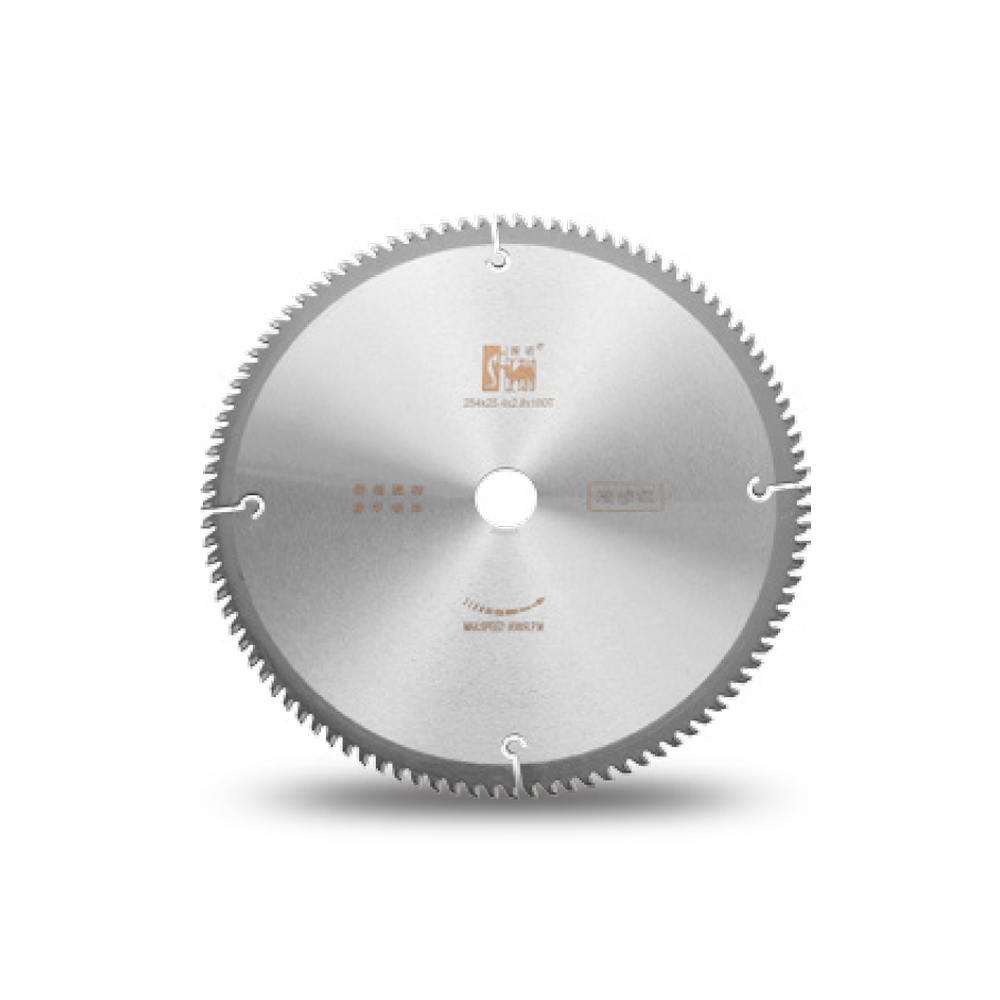
Industrial Circular TCT Aluminum Saw Blade
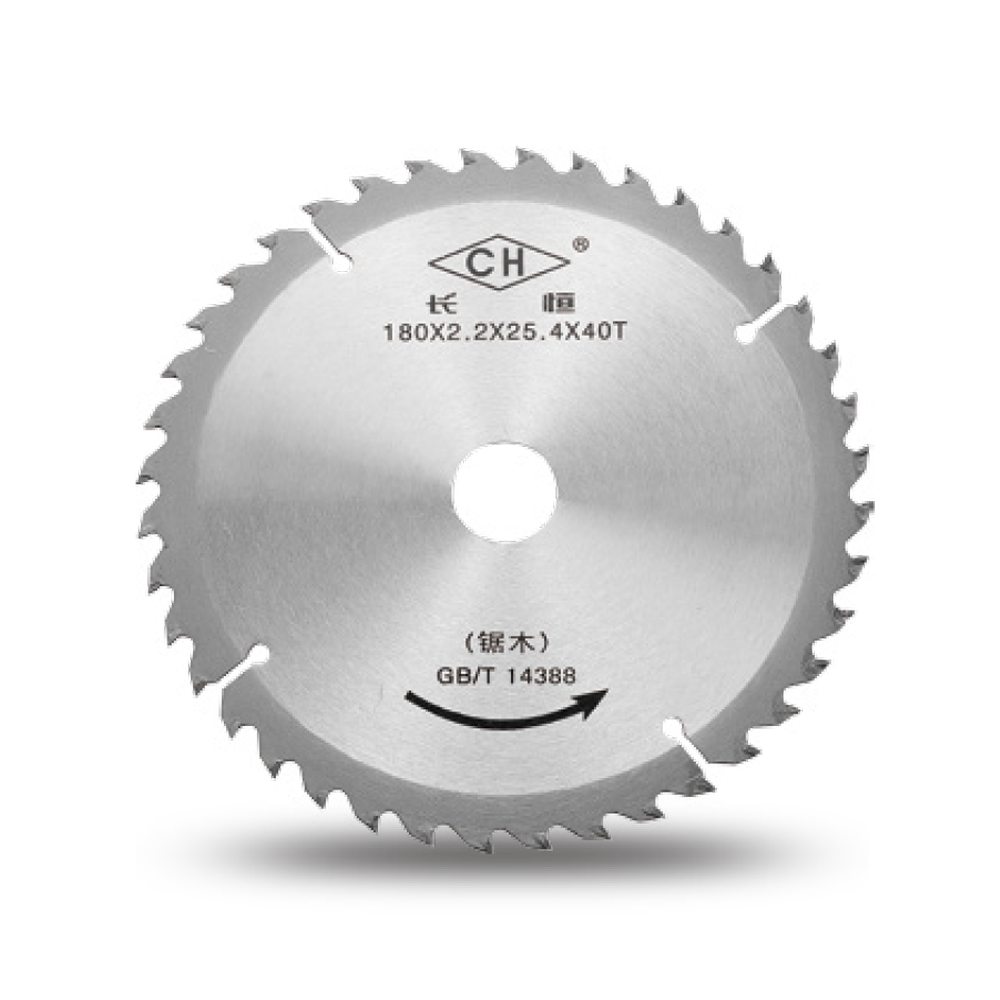
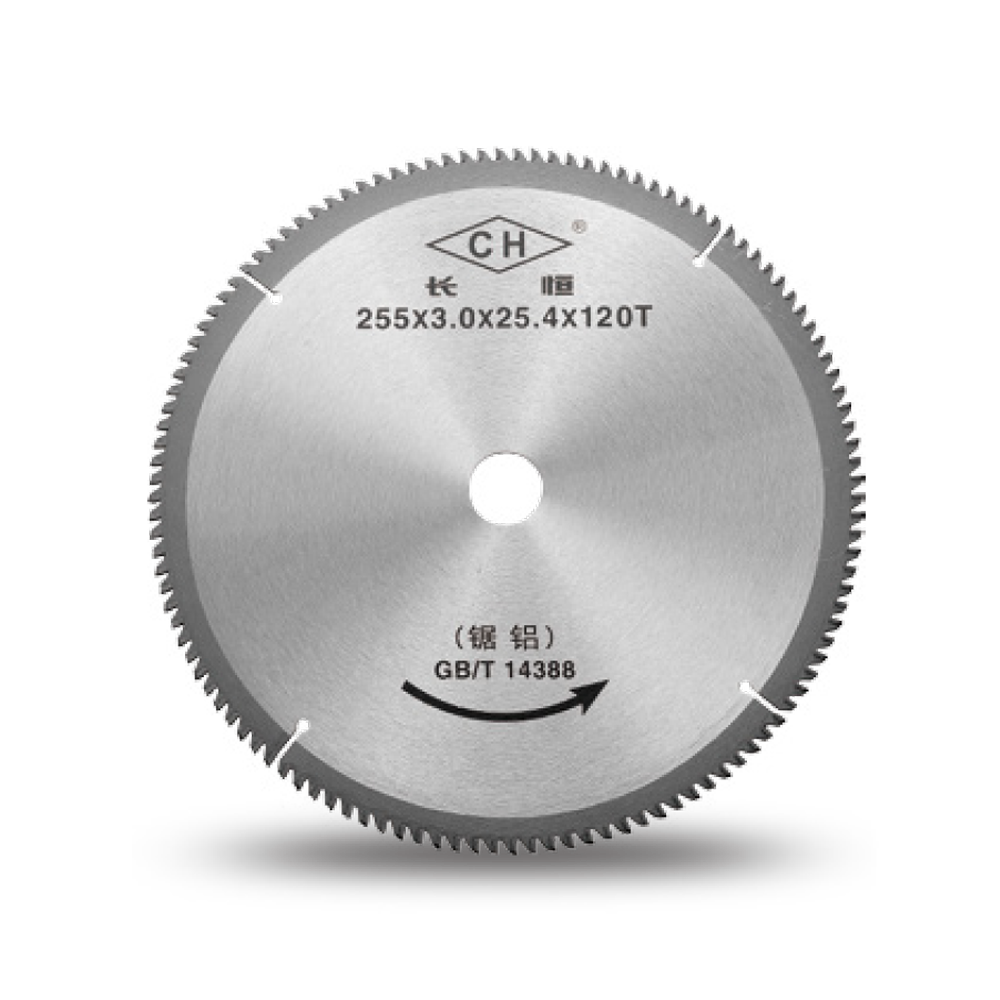
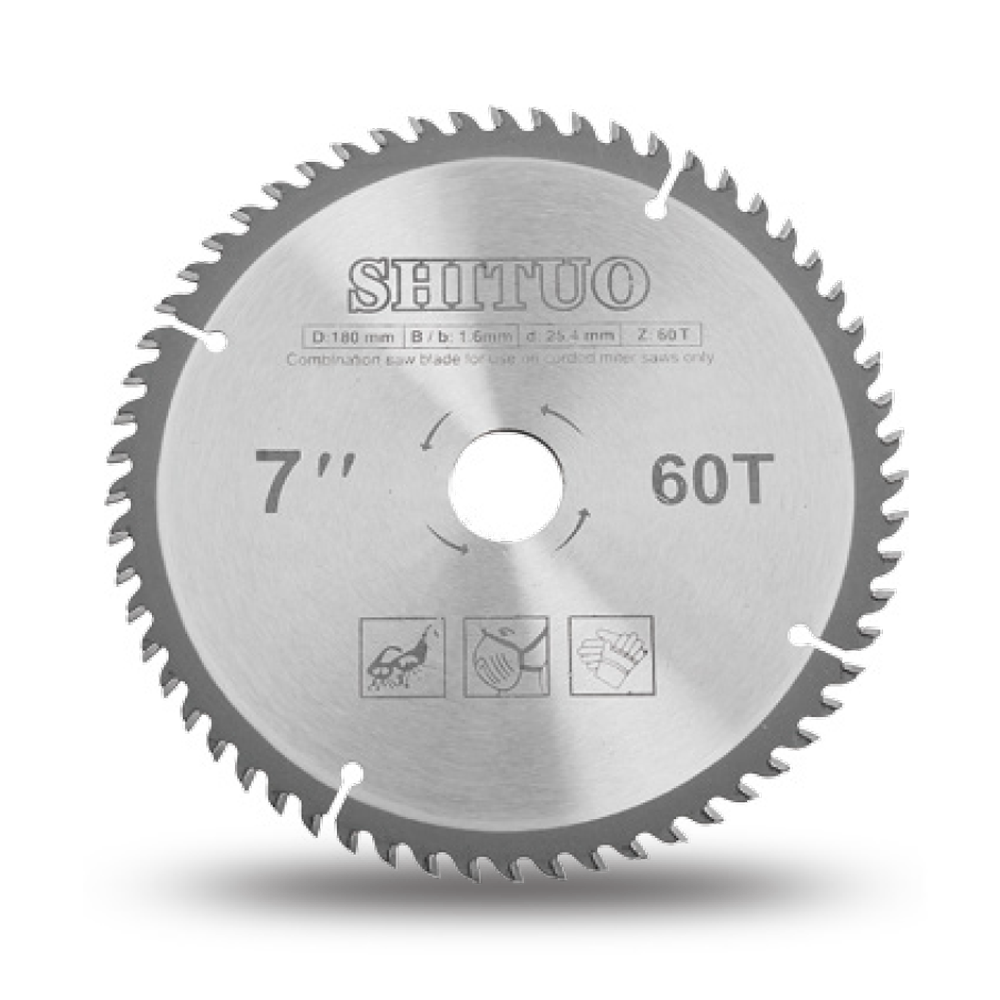
The Industrial Circular TCT Aluminum Saw Blade is specifically engineered for cutting aluminum profiles and non-ferrous metals. It is manufactured with premium-grade materials and high-hardness carbide tips to ensure clean, stable cutting performance. The TCG (Triple Chip Grind) tooth configuration helps reduce burr formation and improves cutting precision on aluminum alloys, window and door profiles, and other metal materials. This blade is suitable for professional installation work and metal fabrication environments where cutting quality and durability are essential.
Tooth shape: TCG
Applicable: cutting for aluminum alloy profiles and nonferrous metals.
 Product Parameters
| Dimension | Base thickness (mm) | Kerf (mm) | Hold diameter (mm) | Teeth num. | |||||||||||||||||||
| Inch | Metric (mm) | ||||||||||||||||||||||
| 4" | 110mm | 1.2 | 1.8 | 20 | 20T 30T 40T | ||||||||||||||||||
| 7" | 180mm | 1.3 | 2.0 | 20/25.4 | 30T 40T 60T | ||||||||||||||||||
| 8" | 200mm | 1.5 | 2.5 | 20/25.4 | 40T 60T 80T 100T | ||||||||||||||||||
| 9" | 230mm | 1.7 | 2.6 | 20/25.4 | 40T 60T 80T 100T | ||||||||||||||||||
| 10" | 250mm | 1.8 | 2.8 | 25.4/30 | 40T 60T 80T 100T 120T | ||||||||||||||||||
| 12" | 300mm | 2.2 | 3.2 | 25.4/30 | 40T 60T 80T 100T 120T | ||||||||||||||||||
| 14" | 350mm | 2.5 | 3.5 | 25.4/30 | 40T 60T 80T 100T 120T | ||||||||||||||||||
| 16" | 400mm | 2.5 | 3.5 | 25.4/30 | 40T 60T 80T 100T 120T | ||||||||||||||||||
For exclusive deals and latest offers, sign up by entering your email address below.

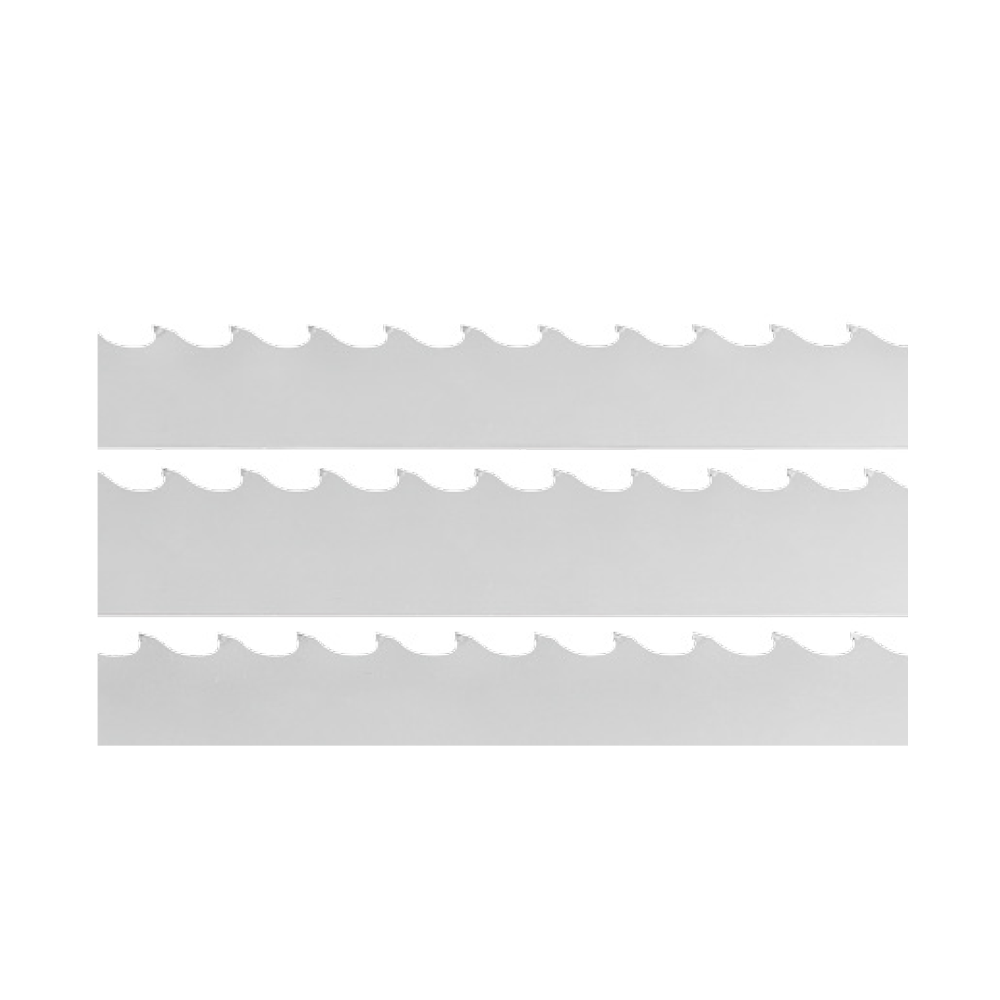

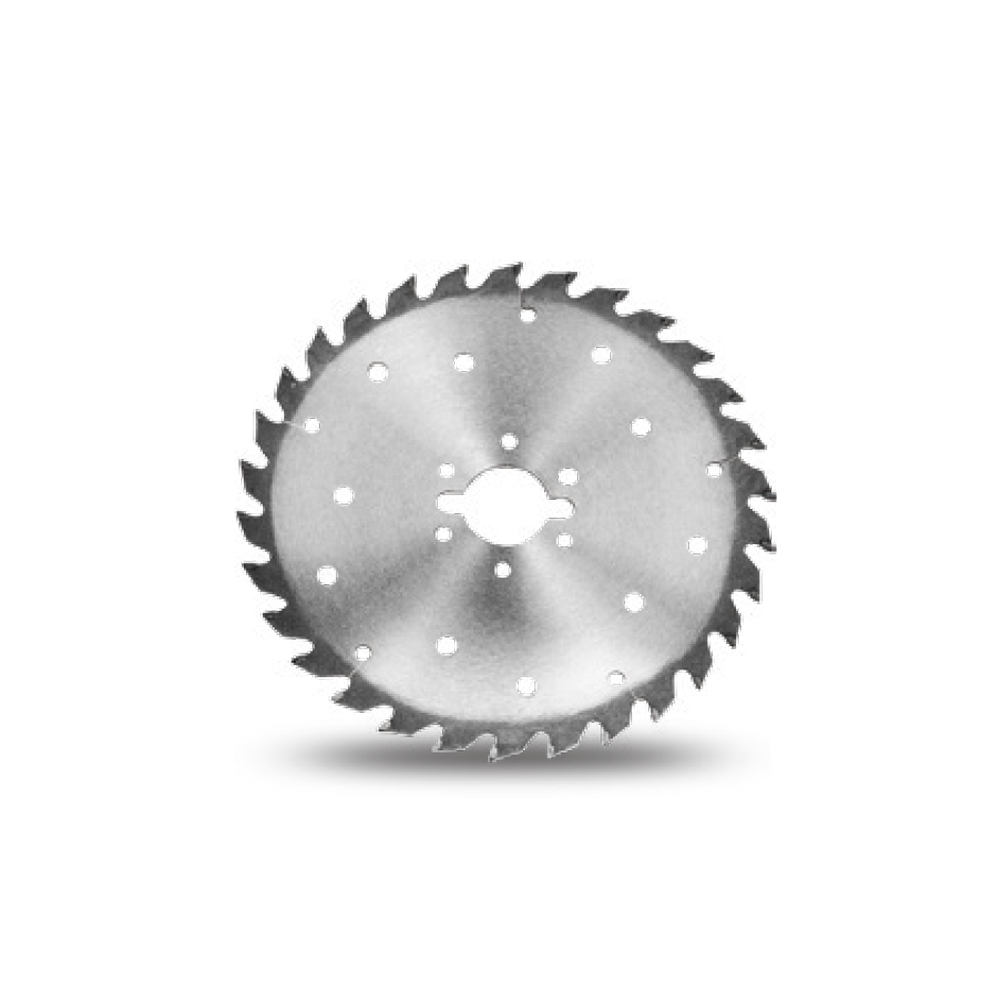
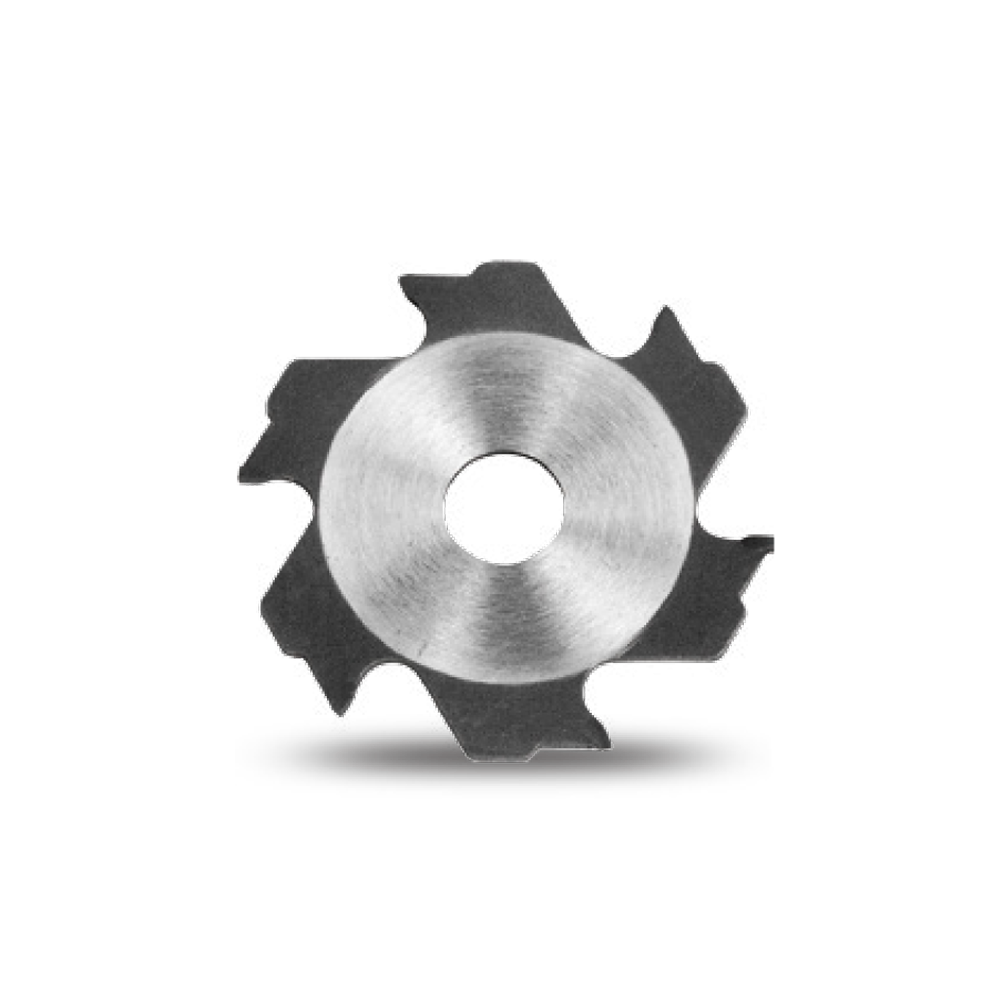
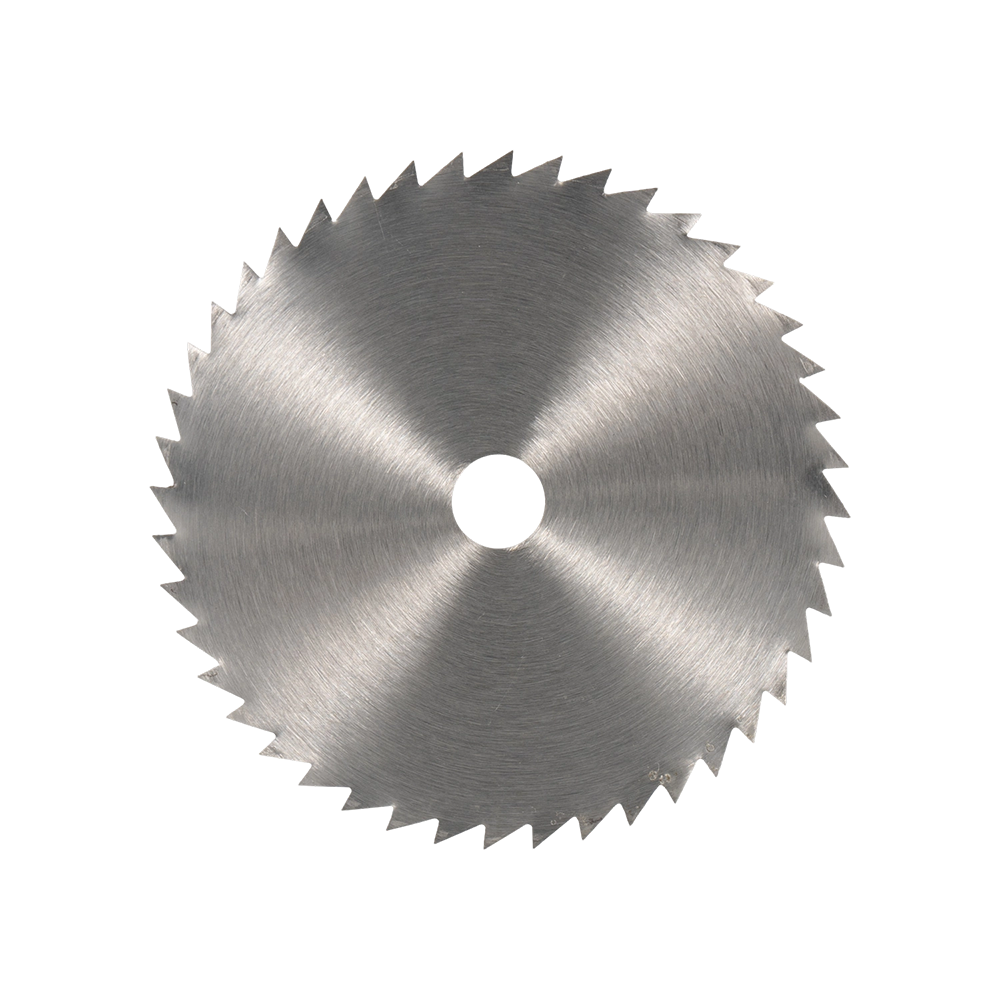
How Tooth Geometry Impacts Aluminum Cutting Quality and Safety?
What makes a carbide blade different from an aluminum blade
A standard wood-cutting blade has a different tooth geometry. Put that near aluminum, and you get grabby cuts, rough edges, and maybe a kickback situation. The aluminum cutting blade solves this with a negative hook angle. Negative hook means the tooth leans backward relative to the rotation direction. This keeps the blade from pulling itself into the soft metal. Operators get better feed control, especially on thin-walled extrusions that tend to chatter.
The TCG tooth arrangement alternates between a chamfered tooth and a flatraker tooth. One tooth roughs the material, the next cleans the kerf. This two-step action reduces burr formation along the cut line. For anyone cutting aluminum alloys repeatedly, fewer burrs mean less time with a deburring tool afterward.
Where professionals use this blade
You find these blades in several settings. Window and door manufacturers run them on double-miter saws, cutting thousands of profiles per shift. On-site installation crews use them on portable miter saws to cut handrails, storefront systems, and aluminum partition frames. Metal service centers use them on automatic cutoff saws, processing bar stock and extrusions.
Some shops also use TCT aluminum blades on non-ferrous materials like brass, copper, and even plastics such as PVC or fiberglass. But one rule stays constant: never cut ferrous metals like steel or iron. The carbide tips can handle aluminum's softness, but steel will chip them quickly.
Tooth count and material thickness: a practical view
A blade with 80 to 120 teeth on a 10‑inch diameter works well for most aluminum profiles. Thinner materials—say 1mm wall thickness—need more teeth to avoid snagging. Thicker, solid bars, around 6mm or more, can use fewer teeth without overheating. Some shops keep two blades: one with high‑tooth for finishing cuts on visible architectural parts, another with lower teeth for rough cutting stock.
Comparing carbide-tipped to other blade types
High‑speed steel blades cost less upfront. But they dull faster on aluminum, especially on alloys with higher silicon content. A shop making many cuts each day will change HSS blades several times in one shift. Carbide-tipped blades keep their edge longer. Solid carbide blades exist, but the entire body is carbide. Those are brittle and expensive, and they serve more for composite machining than everyday aluminum cutting.
The TCG geometry outperforms ATB (alternate top bevel) on sticky or harder aluminum alloys. ATB blades leave a rougher edge because each tooth shears in alternating directions. TCG produces a cleaner cut with less fuzz on the edge.
Keeping the blade in working order
Aluminum chips can stick to the carbide tips. Heat from cutting melts tiny amounts of aluminum onto the teeth. This buildup changes the tooth shape and makes cuts worse. A routine cleaning with a dedicated blade cleaner removes that residue. Avoid water or acidic solutions. Some fabricators use stick lubricant on the blade path before each cut. The lubricant reduces friction and keeps chips from welding onto the tips.
What about carbide-tipped circular blades for other metals
The same blade works on copper and brass, but those materials are gummier. Feed rates need adjustment. Slower feeding gives better results. For plastics like acrylic, the TCG blade also works, though a dedicated plastic blade with a different hook angle might perform better.
When you choose a carbide blade for cutting aluminum extrusions, check the blade's maximum RPM rating against your saw. Running a blade too fast creates excess heat and shortens tip life. Running too slowly may cause chipping on thin sections.
A final note on selection
Not every carbide-tipped circular blade suits aluminum. Look for the TCG label and a negative hook angle specification. A tooth count between 80 and 100 for a 10‑inch blade gives a solid starting point. From there, adjust based on your material thickness and desired edge finish. Many suppliers list these details on the blade body or packaging. Reading those labels takes a few seconds but saves you from poor cuts and early blade replacement.
keep in touch
-
We are committed to providing durable, reliable, and efficient cutting solutions for global B2B clients and partners.
-
Useful Links
Home Products About Us Manufacturing Custom Service News Contact Us -
Contact Us
+86-579-89270208
+86-579-89270636ch001@changhengsaws.comNo. 102, Huacheng East Road, Chengxi Industrial Zone, Yongkang, Zhejiang, China -
Mobile Web
OEM Industrial Circular TCT Aluminum Saw Blade Factory
