




Band Saw Blade for Wood Cutting
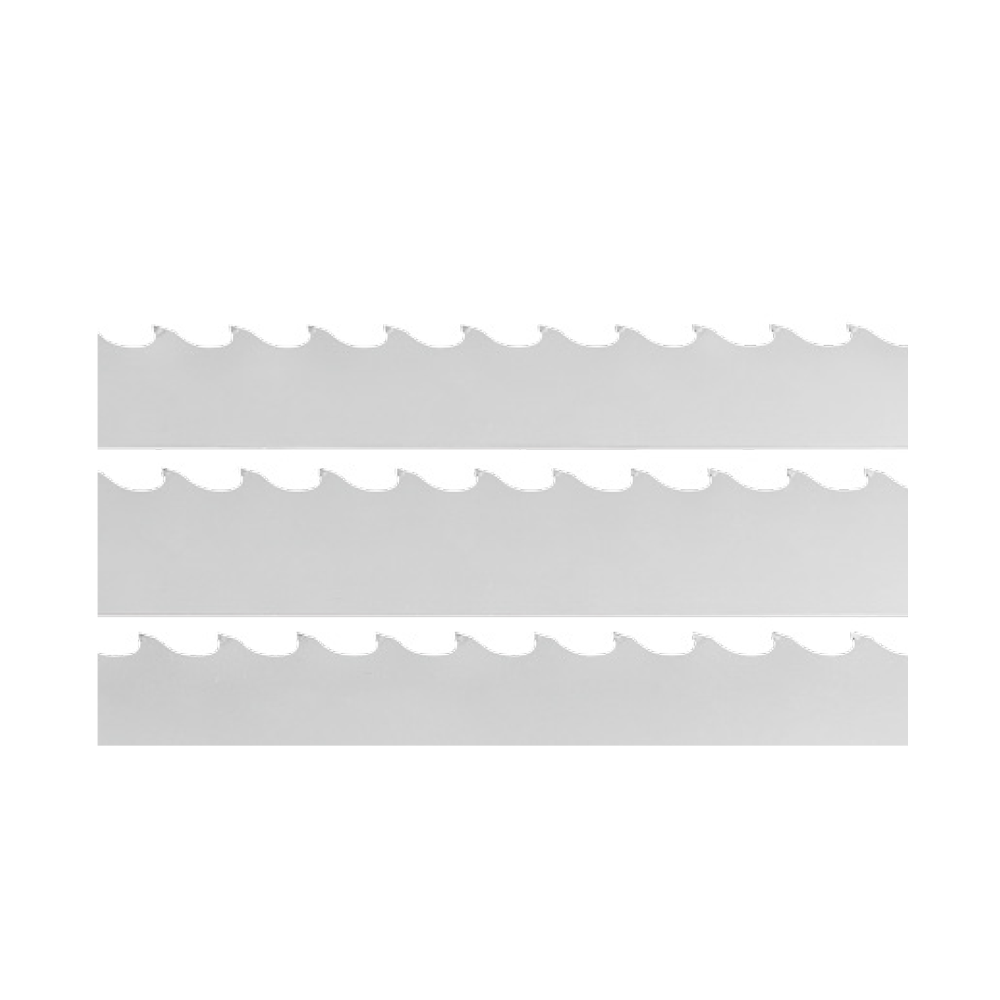
This Band Saw Blade for Wood Cutting is mainly used for cutting dry softwood and hardwood on both vertical band saw machines and horizontal band saw machines in woodworking production lines. In daily factory operation, it is often applied in furniture making plants, sawmills, and general wood processing workshops where solid wood materials need continuous cutting work. As one of the commonly selected Wood Cutting Saw Blades in this type of application, it is made from steel material that has been heat treated during manufacturing to help the blade stay stable during running conditions. The tooth section is sharpened before leaving the factory, so it can support regular wood feeding and cutting without frequent adjustment. Depending on different machines, various sizes and specifications can be supplied for actual working needs. In the market, many users and distributors from Wood Cutting Band Saw Blade Suppliers also provide this type of blade for timber cutting, furniture production, and general woodworking usage.
Tooth shape: --
Applicable: Suitable for cutting dry soft and hard wood.
 Product Parameters
| Width (mm) | Base thickness (mm) | TPI | |||||||||||||||||||||||||||||
| 0.56mm | 16 | 4 | |||||||||||||||||||||||||||||
| 0.56mm | 20 | 4 | |||||||||||||||||||||||||||||
For exclusive deals and latest offers, sign up by entering your email address below.

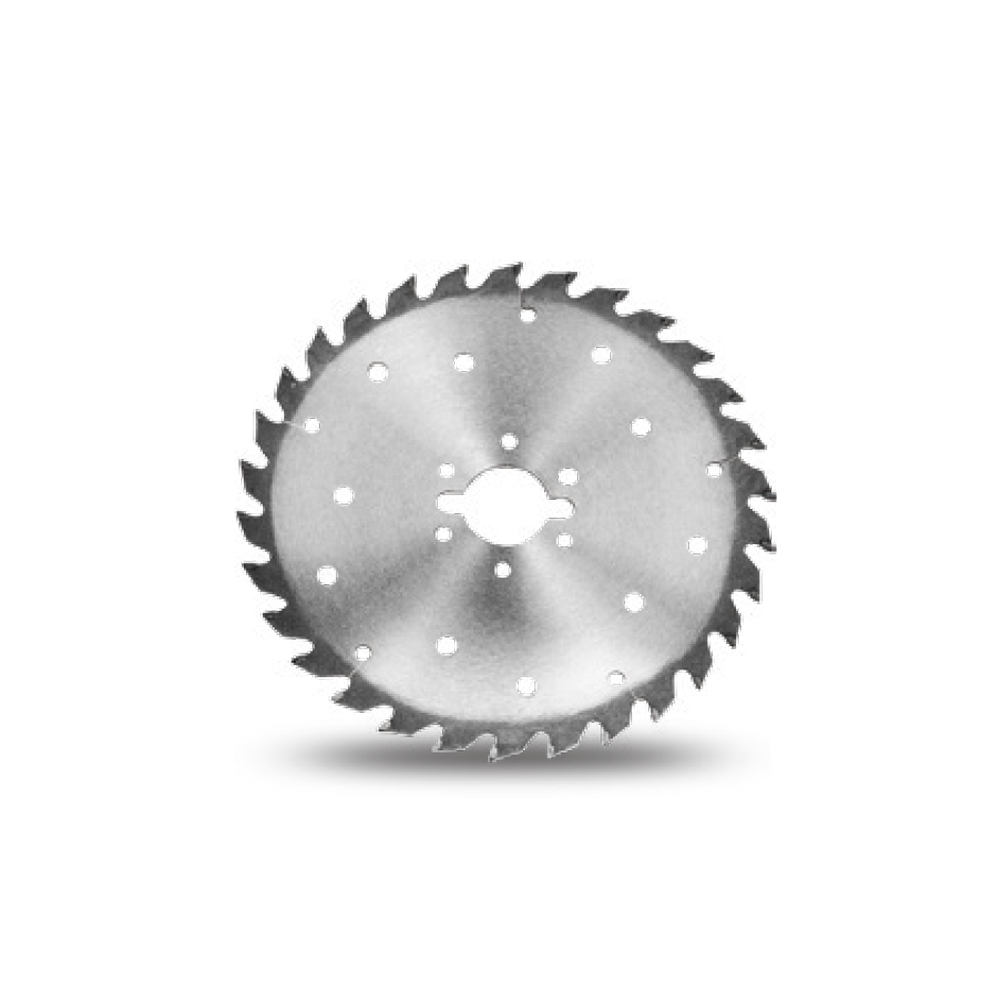
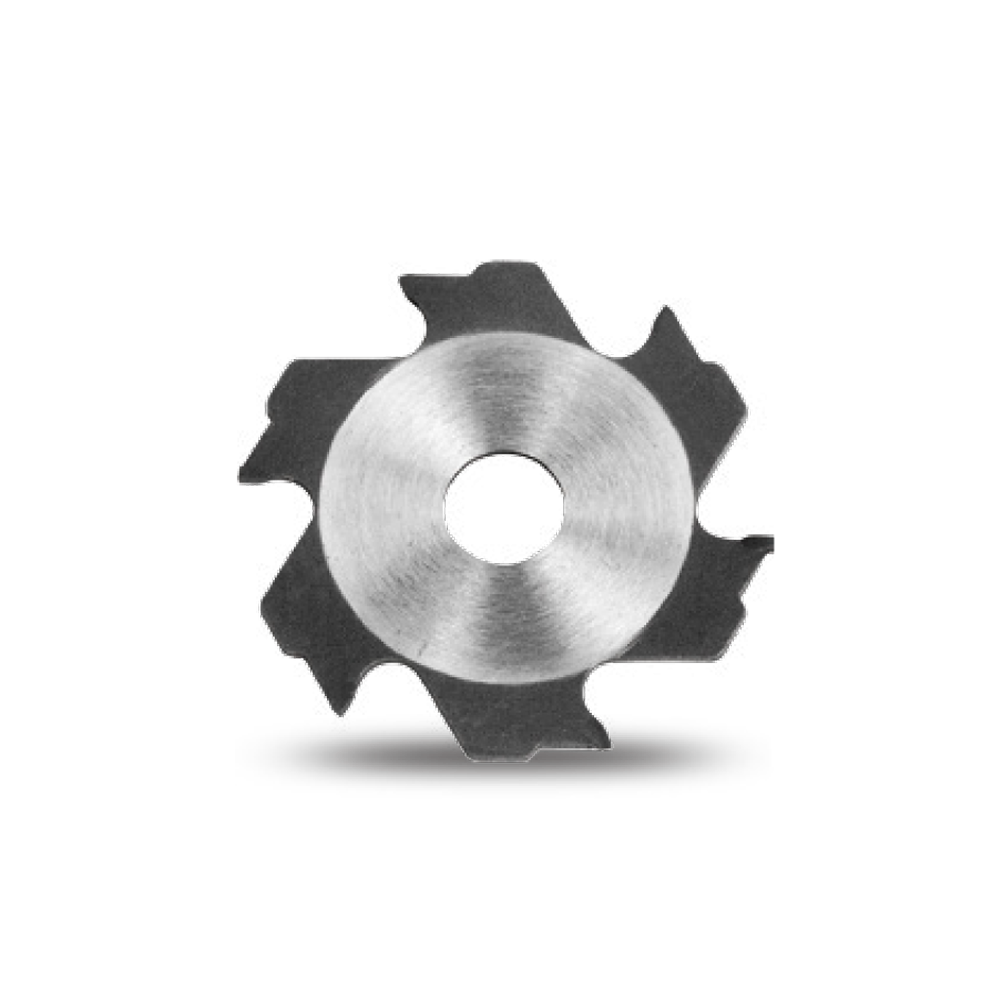
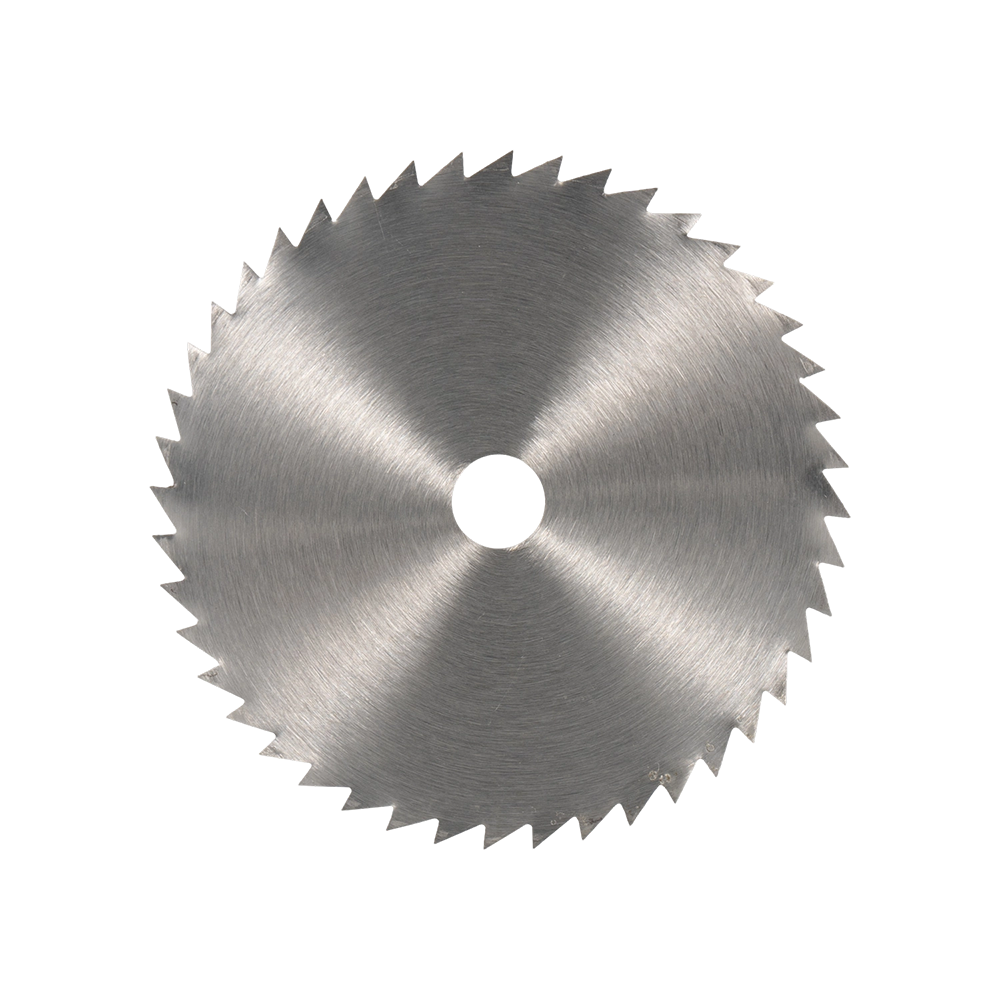
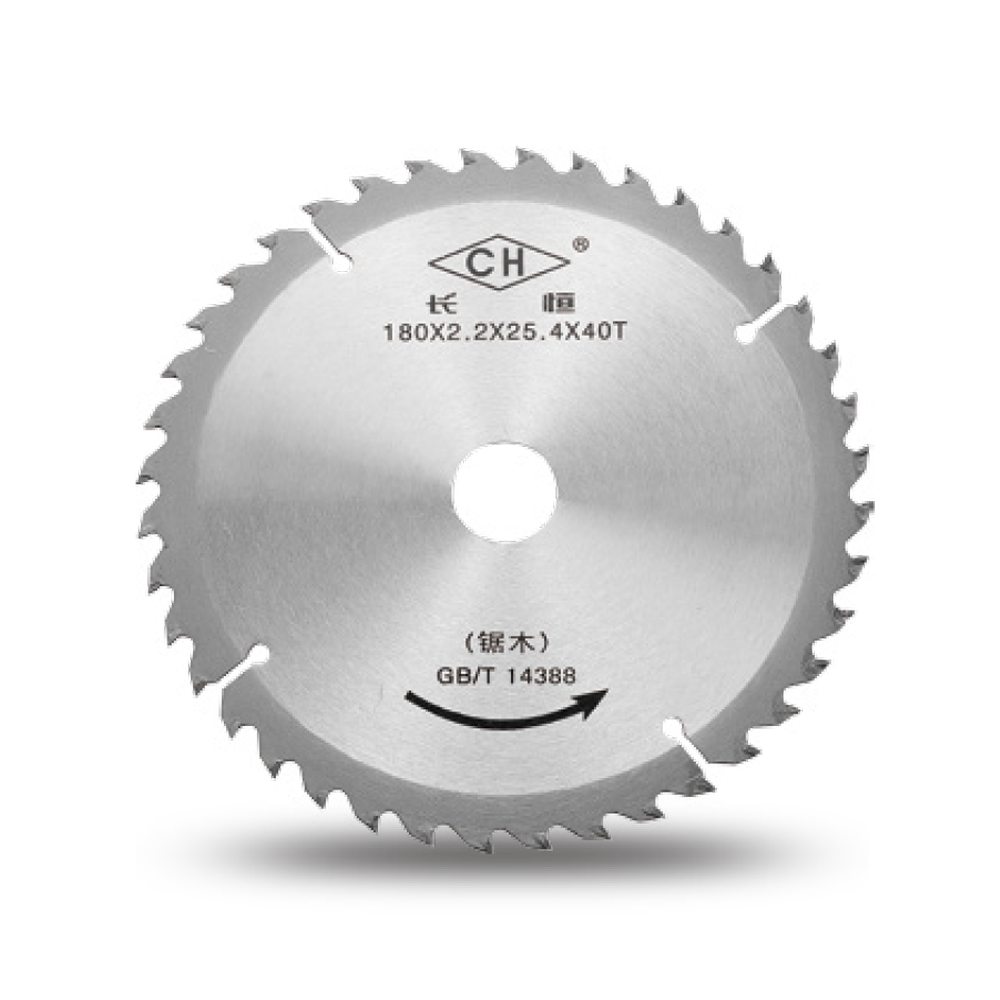
Band Saw Blades for Wood: What Matters for Clean, Efficient Cuts
What Exactly Is a Wood Cutting Saw Blade?
A wood cutting saw blade is a tool designed to slice through lumber, timber, or any solid wood product. This category covers many blade types, but one common version is the band saw blade for wood cutting. Unlike a circular blade that spins on a fixed center, a band saw blade forms a continuous steel loop. It runs over two or three wheels, moving in one steady direction. The cutting action happens along a straight or curved path, depending on how the operator feeds the wood.
How a Band Saw Blade for Wood Cutting Works
The operation is straightforward. On a vertical band saw, the blade travels downward through a worktable. The user pushes the wood against the blade. On a horizontal band saw machine, the blade moves horizontally, and the wood stays fixed. This setup appears often in small sawmills and timber yards. The blade receives tension from the wheels. That tension keeps the blade tracking straight. Without proper tension, the blade drifts sideways and ruins the cut.
Manufacturers produce these blades from quality steel with controlled heat treatment. The goal is a blade that bends around the wheels without cracking but stays rigid enough in the cutting zone. A blade that bends too easily wanders off the line. A blade that resists bending puts excess stress on the saw. Good blades find a working balance, offering stable performance and reliable cutting accuracy during continuous operation. The teeth are professionally sharpened so the cutting edges stay clean, the cut surface feels smooth, and the material processing runs efficiently.
Where You See Wood Cutting Saw Blades in Action
In furniture manufacturing, a band saw blade for wood cutting shapes curved parts like chair legs, armrests, and cabinet door frames. Those curves would be nearly impossible on a table saw. In woodworking workshops, these blades handle resawing – turning a thick board into two thinner boards – and cutting irregular shapes for custom furniture. In timber production facilities, wider blades on horizontal band mills cut logs into dimensional lumber. Those blades run for hours through dry hardwood like oak or maple and dry softwood like pine or spruce.
For a small sawmill operation, having the right sawmill blades makes a difference. A mill blade must clear sawdust quickly to prevent binding. It must also tolerate occasional contact with foreign objects like small stones. Workshop blades, by contrast, focus on producing smooth surfaces on finished wood products. Using a heavy mill blade on a small vertical band saw usually fails because the blade is too stiff for the machine.
Band Saw Blade vs Other Wood Cutting Tools
Here is a practical comparison. A circular saw blade spins fast and cuts straight lines quickly. It removes more material per cut, so wood waste is higher. A table saw blade gives straight cuts for joinery, but you cannot cut curves. A reciprocating blade moves back and forth; it works for demolition but leaves a rough finish. A chain saw blade works on logs outdoors, but the surface quality is coarse.
A band saw blade for wood cutting fills a different role. It cuts curves, performs resawing, and handles thick material with less waste. The narrow kerf means more usable wood from every board. For someone making curved furniture parts or resawing expensive hardwood, a band saw blade saves material and time.
Choosing the Right Blade for Your Work
Selecting a wood cutting saw blade depends on the wood type and the machine. Dry hardwood needs a blade that holds a sharp edge longer. Dry softwood cuts easier, but resin builds up on the teeth. A skip tooth pattern helps clear that resin. Blade width also matters. Narrow blades turn tight curves. Wide blades stay straight for resawing thick stock. The band wheel size on your saw limits how wide a blade you can use. A blade too wide for the wheels will not track correctly.
A small tip from regular band saw users: clean resin off the blade after cutting softwood. Resin buildup slows the cut more than a slightly dull tooth. A cloth with a solvent safe for steel removes that sticky layer. That simple step keeps the band saw blade for wood cutting working properly across many projects. Keeping a record of cutting hours per blade also helps you know when to swap in a fresh one.
keep in touch
-
We are committed to providing durable, reliable, and efficient cutting solutions for global B2B clients and partners.
-
Useful Links
Home Products About Us Manufacturing Custom Service News Contact Us -
Contact Us
+86-579-89270208
+86-579-89270636ch001@changhengsaws.comNo. 102, Huacheng East Road, Chengxi Industrial Zone, Yongkang, Zhejiang, China -
Mobile Web
