



Brush Cutter Blades are designed for use with brush cutters and grass trimmers, ideal for cutting grass, weeds, shrubs, and small branches. Manufactured from high-carbon steel or alloy steel and heat-treated for enhanced hardness and wear resistance, these blades provide reliable impact strength and long-lasting cutting performance. Different configurations such as 2-tooth, 3-tooth, multi-tooth, and circular saw-type blades are available to meet various vegetation clearing requirements. Easy installation and efficient cutting performance make them suitable for landscaping, agricultural maintenance, forestry operations, and roadside vegetation management.
Which Blade for Tough Weeds, Brush, or Grass? A Practical Guide
What Do These Blades Actually Do?
You mount this one on a straight‑shaft brushcutter. It is a thick metal disc with teeth. Its job is chewing through woody stuff – brambles, small saplings, thick blackberry canes. Not ordinary grass.
Then there is the trimmer brush blade. This one looks similar but fits a regular string trimmer. You need an adapter kit. The idea is to give a lighter trimmer some bite without buying a second machine. It works, but you have to be careful.
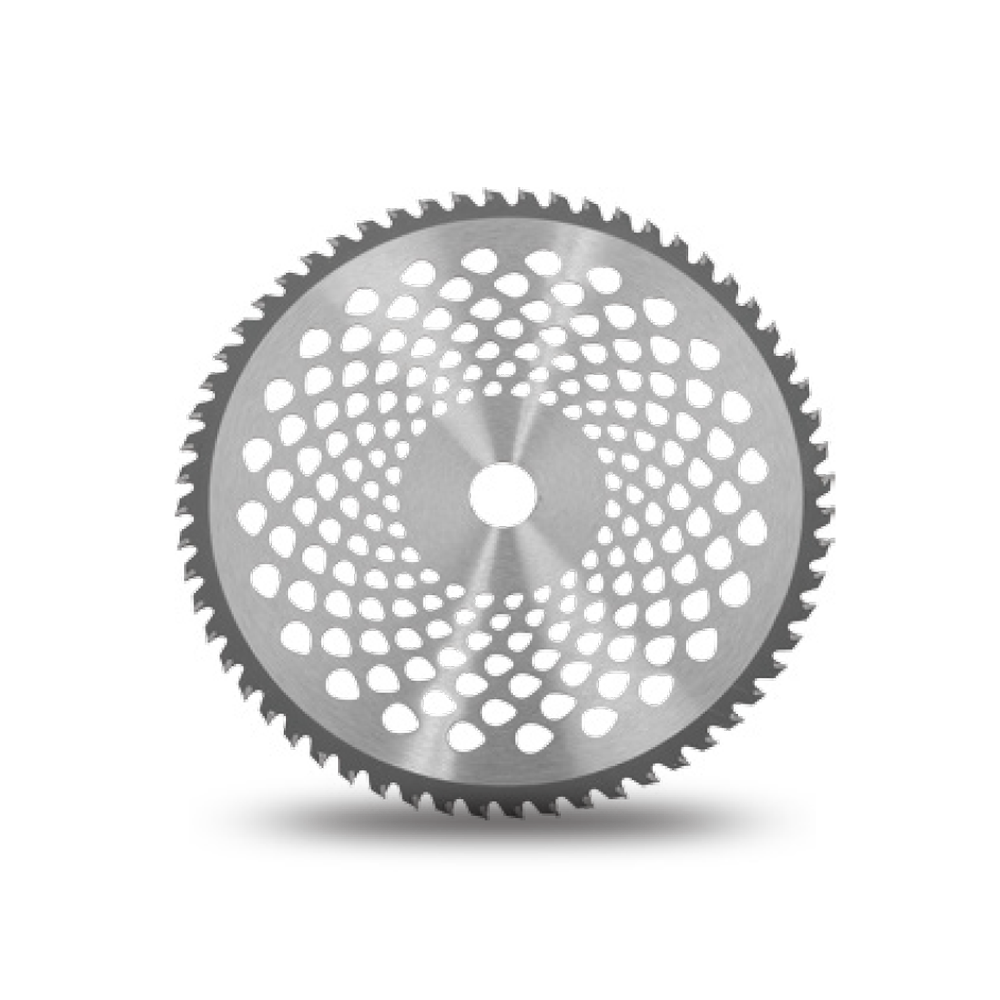
The grass cutter blade is different again. Thinner metal, many small teeth – sometimes forty or eighty of them. This blade hates thick wood. But tall grass, nettles, reeds, or overgrown lawn? That is where it shines.
How Do They Behave In The Field?
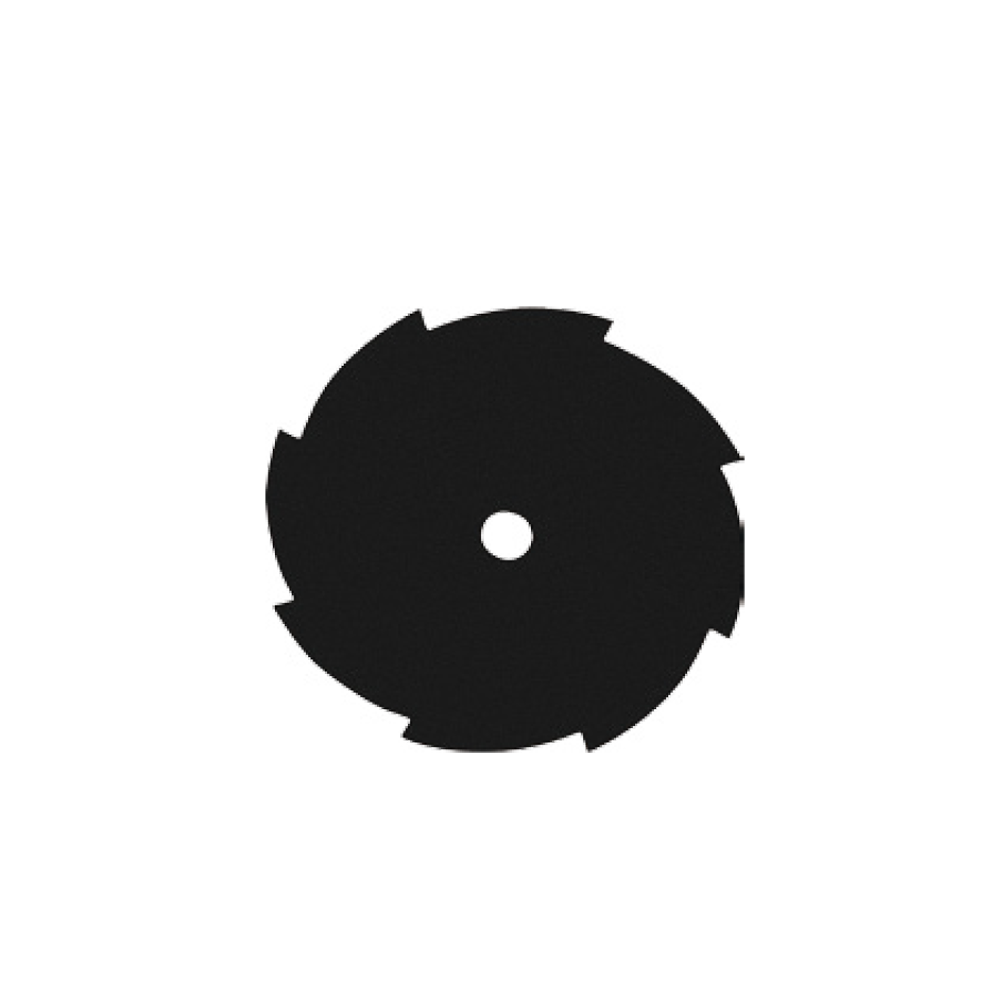
A brush cutter blade has two, three, or four large teeth. Some designs have eight. The material is hardened steel. Carbide‑tipped versions stay sharp longer when you cut abrasive plants or sandy soil. With a three‑tooth brush blade, you can take down vegetation up to one inch thick. Swap to a saw blade, and you push that to three inches.
Now, it cannot do that. The engine on a standard trimmer is smaller. The shaft may be bent, not straight. So the blade itself is lighter and smaller in diameter. It spins at a similar speed but with less torque. You get through light brush – say, a patch of overgrown blackberry along a fence – but you would not clear a half‑acre thicket with it. The trimmer would overheat or break.
It sits at the other end. A high tooth count means a clean cut on soft stems. But those fine teeth snap if you hit a hidden branch. So you only use this blade where you already know the ground is clear of woody debris.
When You Grab One vs. Another?
Imagine a neglected field behind a rural house. The grass is waist‑high. There are young ash saplings and thorny vines. You take a straight‑shaft brushcutter with a four‑tooth brush blade. You knock down the woody stuff first. That blade does not clog. It chips through stems like a rotary mower on steroids.
Once the brush is flat, you switch to it. Now you go over the same area again. The fine teeth slice the tall grass and remaining soft weeds. The result looks clean, almost mown. Two blades, two passes.
But a homeowner with only a curved‑shaft string trimmer faces a different situation. They do not want to buy a brushcutter. So they get the kit. They bolt it on. It works for that one overgrown corner near the compost pile. They accept that the trimmer will run hot after ten minutes. They stop and let it cool. That is the trade‑off.
Farmers clearing fence lines do not mess around. They use brush cutter blades on dedicated brushcutters, often with shoulder straps and bike handles. They might run the machine for four hours straight. would not survive that. And would be dull in twenty minutes on woody weeds.
One More Thing People Miss
Do not assume a grass cutter blade is just a weaker brush blade. It is a different tool. Use a brush blade on tall grass, and you tear the grass rather than cutting it. The result looks ragged. Use it on a woody brush, and you break teeth or stall the engine. So match the blade to what you actually see in front of you.
Check your equipment manual before buying. Some manufacturers say no to any blade on certain lightweight models. Ignore that, and you might snap the drive shaft or crack the gear housing. That repair costs more than a new brushcutter.
Which One Do You Pick?
If you own a brushcutter, get a brushcutter blade for heavy work and a grass cutter blade for routine tall grass. If you only own a string trimmer and face occasional thick weeds, a trimmer brush blade saves you money. Just do not push it too hard. And if your property is nothing but an overgrown lawn with no woody plants, stick to it. It cuts cleaner and faster than any brush blade ever will.
keep in touch
-
We are committed to providing durable, reliable, and efficient cutting solutions for global B2B clients and partners.
-
Useful Links
Home Products About Us Manufacturing Custom Service News Contact Us -
Contact Us
+86-579-89270208
+86-579-89270636ch001@changhengsaws.comNo. 102, Huacheng East Road, Chengxi Industrial Zone, Yongkang, Zhejiang, China -
Mobile Web
