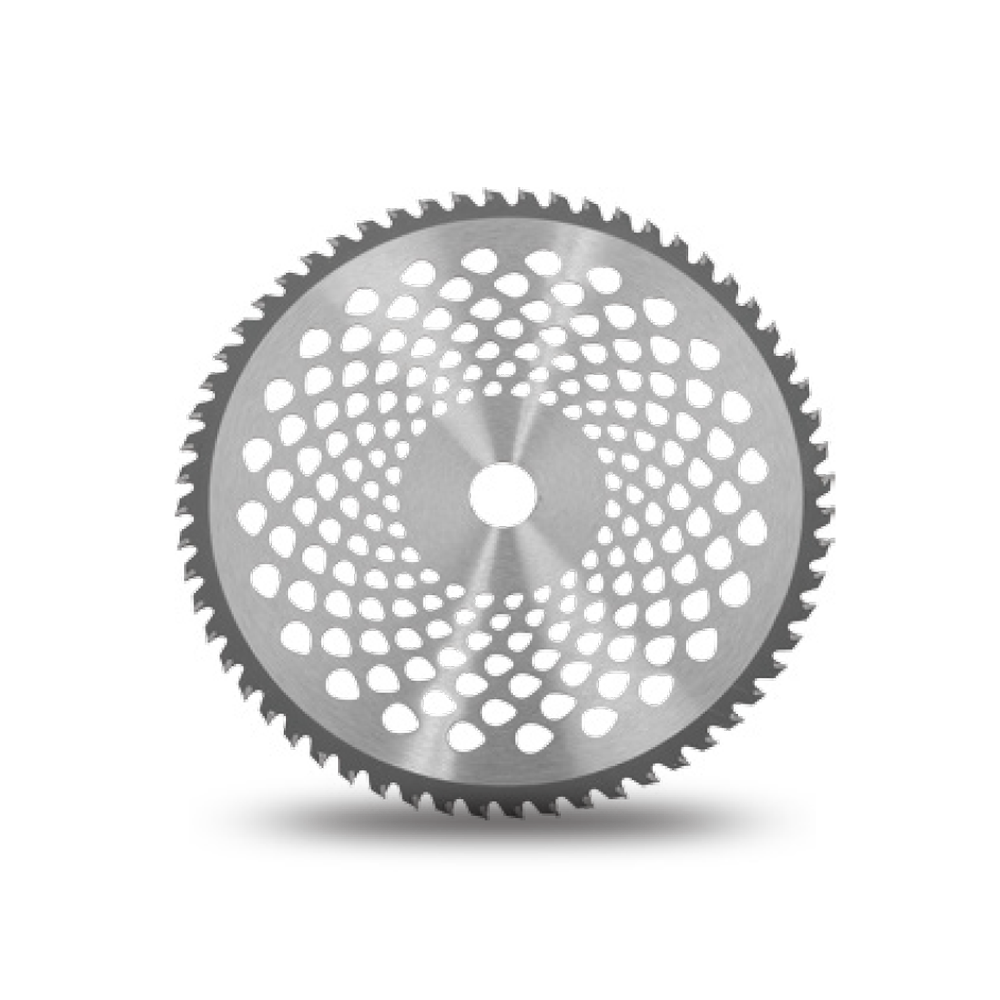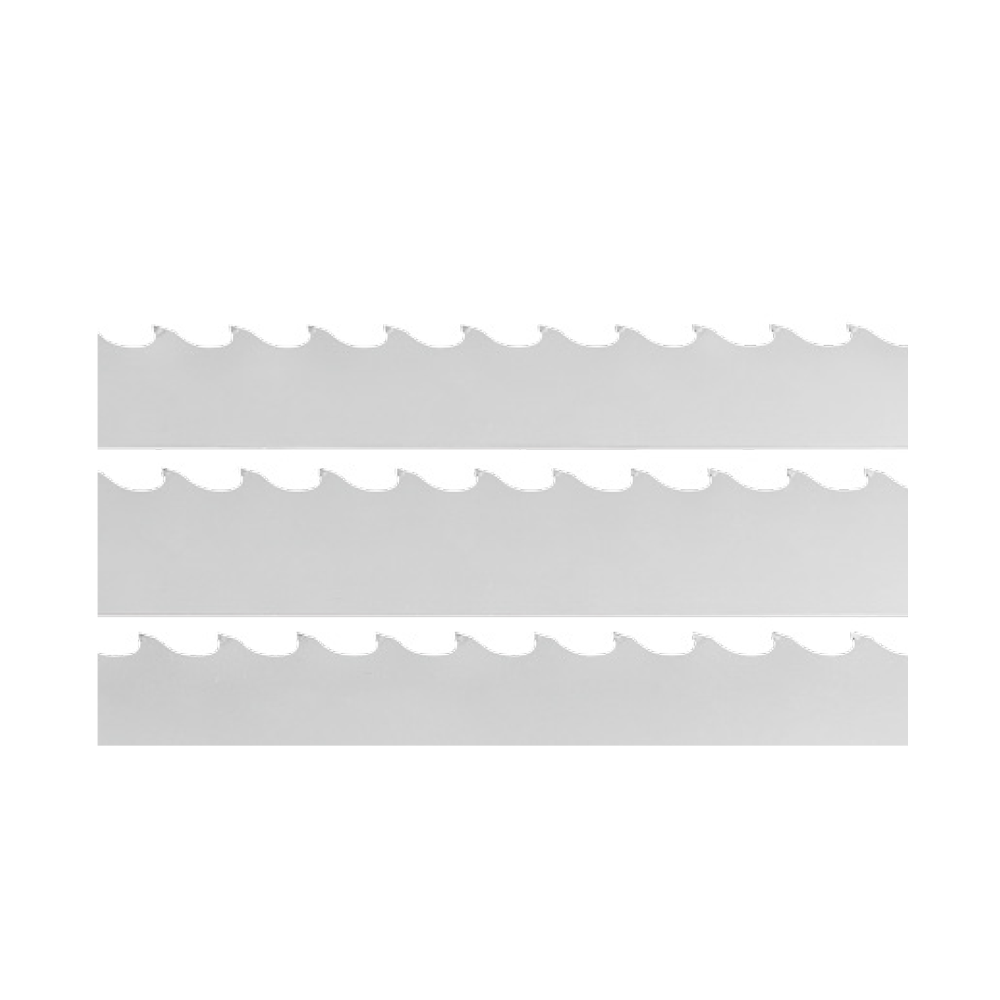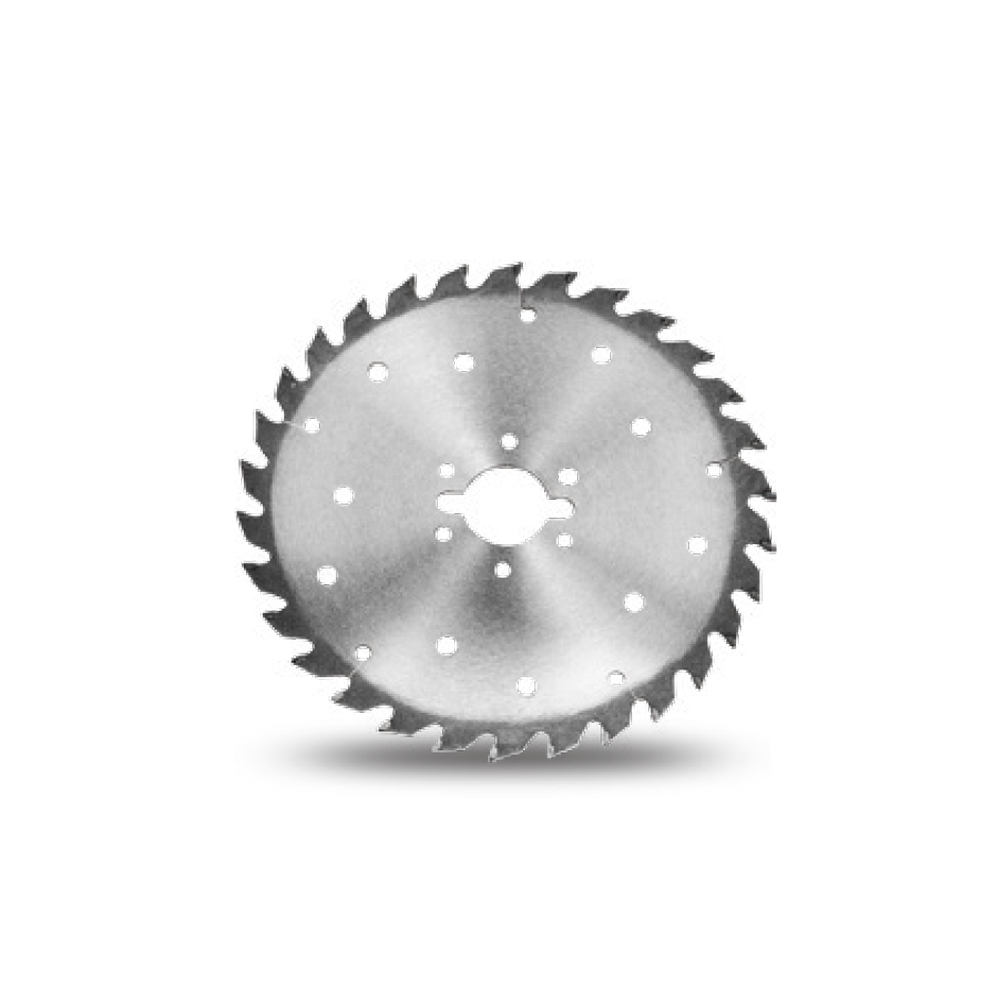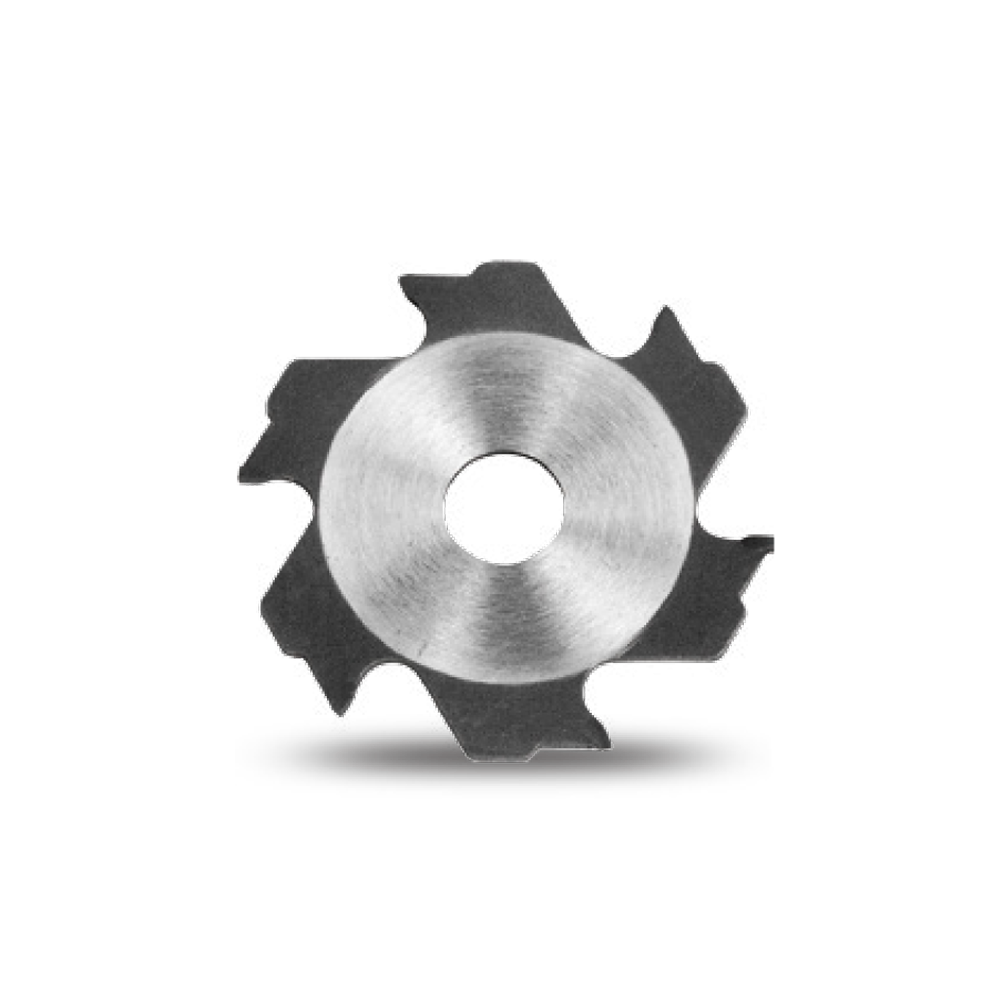
TCT Saw Blade

Carbide Tipped Circular Blades

Home / Products / TCT Saw Blade / Ultra-Thin Carbide Saw Blade for Cutting Wood For Cordless Saws
  • Zhejiang Changheng Tools Co., Ltd.
  • Zhejiang Changheng Tools Co., Ltd.
  • Zhejiang Changheng Tools Co., Ltd.
  • Zhejiang Changheng Tools Co., Ltd.
TCT Saw Blade

Ultra-Thin Carbide Saw Blade for Cutting Wood For Cordless Saws

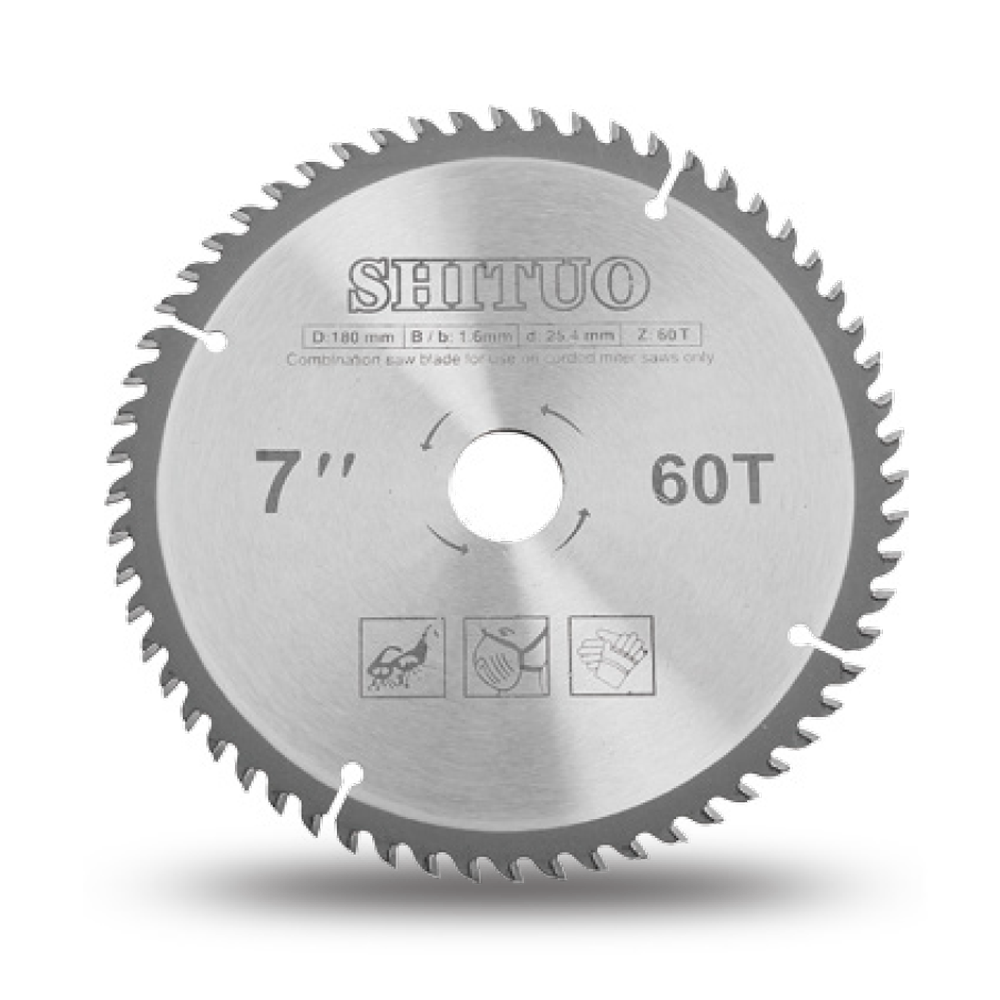
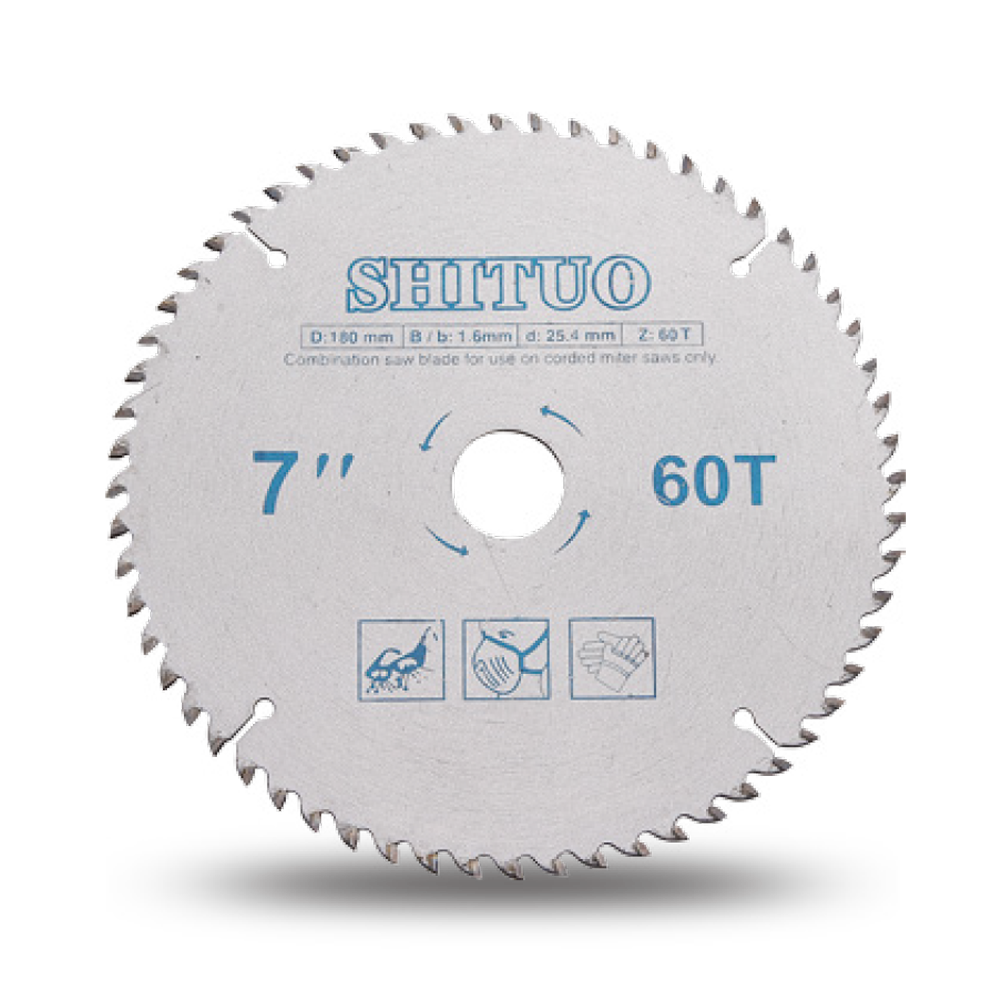
Thin-Kerf Carbide-Tipped Saw Blades – Optimized for Cordless Tools

Specifically engineered for cordless tools, featuring:

Thin Kerf : Reduces resistance and material waste, enhancing cordless tool efficiency and battery life.
Carbide-Tipped Teeth : Durable and sharp, ideal for common materials like wood and plastic.
Cordless-Optimized : Low-power, anti-binding design tailored to the torque and speed characteristics of cordless circular saws, miter saws, and more.
Versatile Cutting : Suitable for crosscutting and ripping wood, plywood, OSB, and similar materials.
Designed for professionals and DIY users who demand high performance and extended runtime from their cordless tools.

Recommended Applications
BLADE SPEC
BEST FOR
6-1/2" × 40T × thin kerf
All-purpose
: carpentry, sheet materials, general woodworking.
6-1/2" × 24T × thin kerf
Rough cutting, framing, demolition (speed & battery efficiency).
6-1/2" × 60T × thin kerf
Fine woodworking, trim, flooring (smooth finish).
7-1/4" × 40T × thin kerf                                                  Kerf (Cut Width)
Thin-kerf range: 1.1mm – 1.5mm
Ultra-thin: 0.8mm – 1.0mm (less resistance, slightly less rigid).
Thicker stock (2×4, plywood) with high-power cordless saws.
4-1/2" × 40T × thin kerf
Light-duty cuts (PVC, thin sheets, small trim).


Tooth shape: ATB
Applicable: It is suitable for cutting dry soft and hard wood, as well as sawing chipboard, MDF and blockboard. The sawing loss is small, the wood utilization rate is high, the sawdust is less, the environmental pollution is reduced, and the sawing power consumption is low.

Zhejiang Changheng Tools Co., Ltd.Product Parameters
Dimension Base thickness
(mm)
Kerf
(mm)
Hold diameter
(mm)
Teeth num.
Inch Metric(mm)
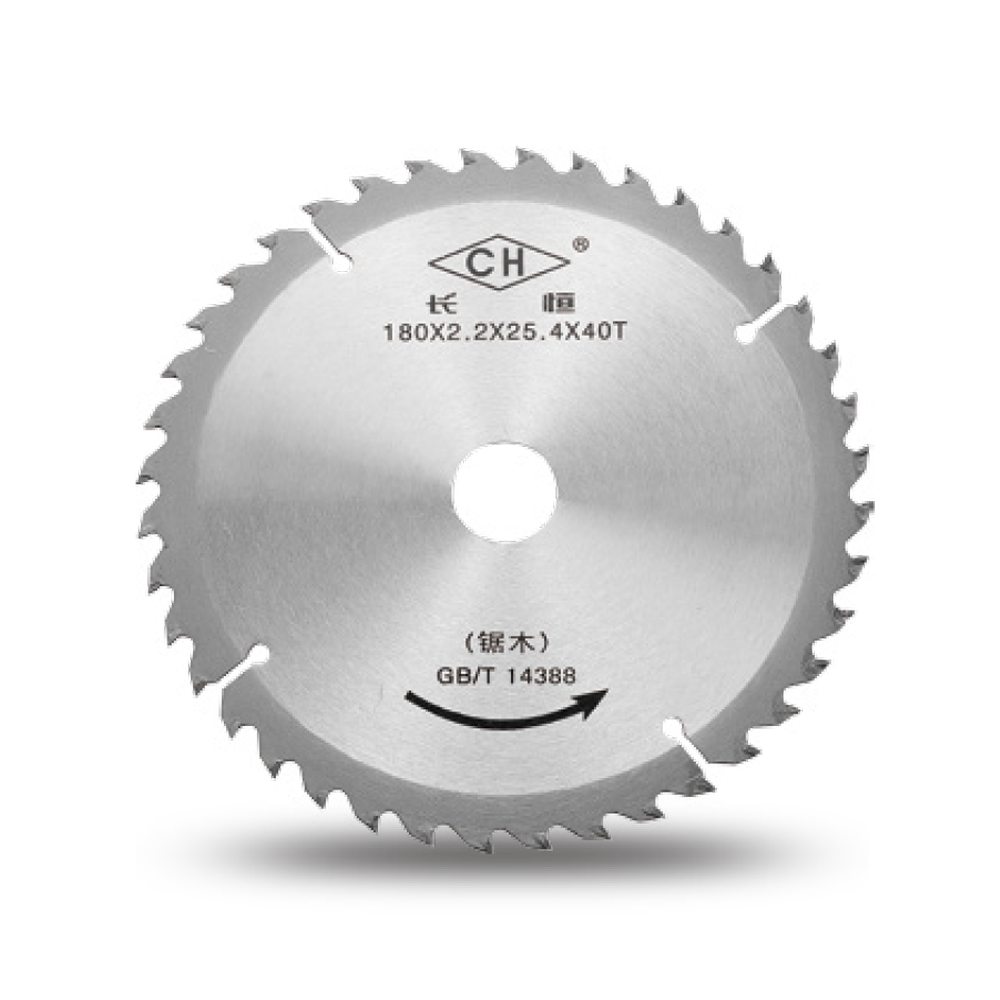
7" 180mm 0.9~1.2 1.0~1.6 20/25.4 40T 50T 60T
8" 200mm 0.9~1.2 1.2~1.6 20/25.4 40T 60T 80T 100T
9" 230mm 1.0~1.1 1.4~1.8 20/25.4 40T 60T 80T 100T
10" 250mm 1.2~1.5 1.6~2.0 25.4/30 40T 60T 80T 100T 120T
12" 300mm 1.3~1.7 1.8~2.2 25.4/30 40T 60T 80T 100T 120T
14" 350mm 1.3~1.7 1.8~2.4 25.4/30 40T 60T 80T 100T 120T
16" 400mm 1.7~2.0 2.0~2.6 25.4/30 40T 60T 80T 100T 120T
18" 450mm 1.8~2.2 2.2~2.8 25.4/30 40T 60T 80T 100T 120T
20" 500mm 2.0~2.5 2.0~2.5 25.4/30 40T 60T 80T 100T 120T
Contact us

For exclusive deals and latest offers, sign up by entering your email address below.
What Makes a Carbide Blade Different From Regular Steel Blades on Cordless Saws?

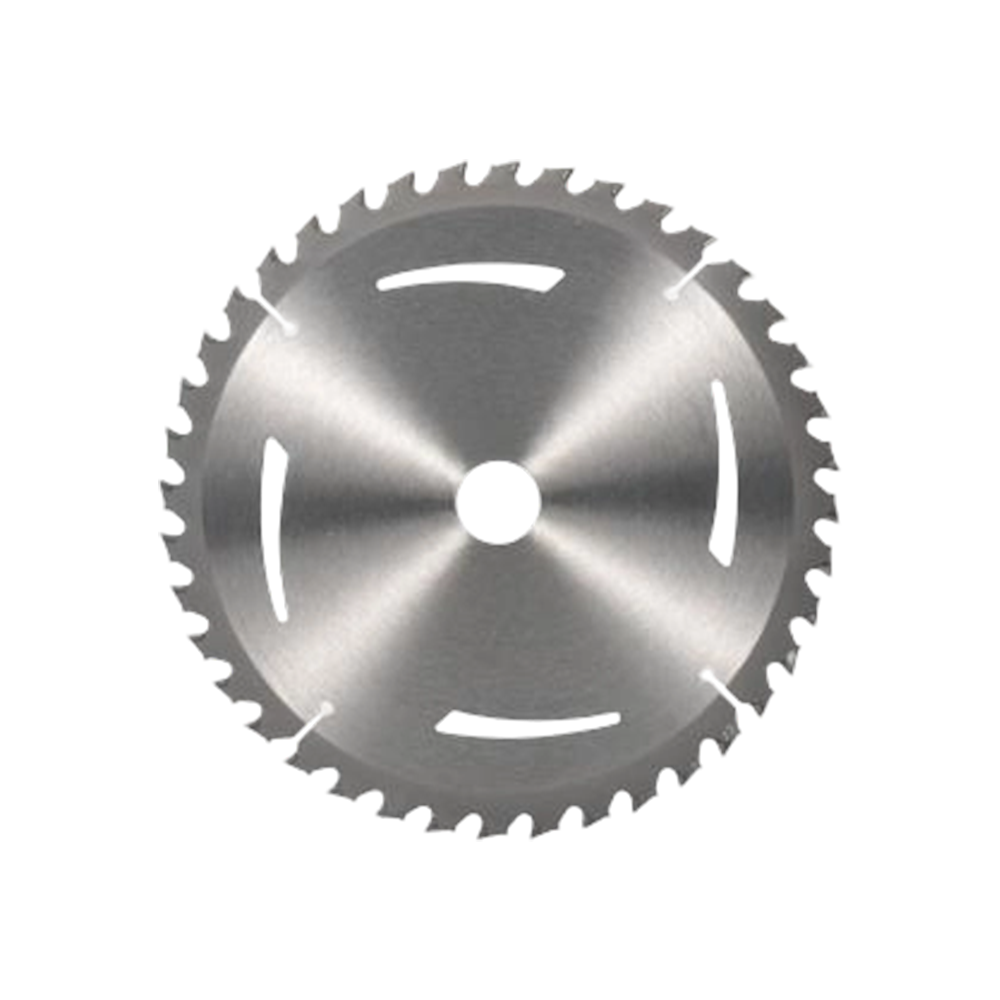
You might have noticed that some circular saw blades stay sharp for weeks while others go dull after a few cuts. The difference usually comes down to the teeth. A carbide blade uses a tungsten carbide tip brazed onto a steel body. That tip does not lose its edge quickly when cutting plywood, OSB, or even plastic. For cordless tools, this matters because swapping blades on a job site eats up battery time. Steel blades heat up faster, too. Once they overheat, the teeth soften. Carbide resists that heat. So when you run a cordless saw with it, you spend less time waiting for the tool to cool down or for the cut to finish.

Why Carbide Tipped Circular Blades Are Not All the Same for Ripping and Crosscutting?

Walk down the tool aisle, and you will see many carbide-tipped circular blades with different tooth counts and grinds. The shape of the tooth decides how the blade enters the wood. A flat-top tooth pushes material straight ahead. That works well for splitting lumber along the grain. On the other hand, a tooth with an alternating bevel slices across the grain like a chisel. That bevel reduces tear-out on the surface. If you grab the wrong blade for a task, your cordless saw might struggle. For example, using a high-tooth crosscut blade to rip a long 2×4 will feel slow. The motor pulls more current, and the battery drains before you finish half the board.

Rip Cut Blades – When You Need Speed and Battery Efficiency on Long Cuts?

Imagine cutting a stack of plywood strips for shelving. The blade has to move through layers of veneer and glue. A rip cut blade typically has 24 teeth or fewer, with deep gullets between teeth. Those gullets carry dust away from the cut line. On a cordless circular saw, this design keeps resistance low. You can lean into the saw without stalling. Thin kerf versions of rip cut blades go even further. They remove only about 1.1 mm of material per pass. That reduction in cut width means the motor does less work. A 5 Ah battery might last through two sheets of ¾-inch plywood when using a rip cut blade, whereas a general-purpose blade would stop halfway.

Crosscut Blades for Trim Work and Smooth Finishes Without Tear-Out?

Now switch to a different job: cutting window casing or baseboard. Here, the visible edge must look clean. Crosscut blades use a higher tooth count, often 60 to 80 teeth for a 6‑½ inch blade. Each tooth has an alternating bevel that shaves the wood fibers rather than tearing them. Cordless miter saws benefit from a thin‑kerf crosscut blade because the reduced resistance prevents the blade from deflecting. Deflection on a crosscut leaves a rough face. A common mistake is using a rip cut blade for crosscutting trim. The result looks fuzzy, and you have to sand each piece. With a proper crosscut blade, the cut surface feels smooth right off the saw.

Thin Kerf and Cordless Tools – Matching the Blade to Your Saw's Power?

Cordless saws do not have the sustained torque of corded models. That is why ultra‑thin (0.8 mm to 1.0 mm kerf) exists. They letana 18V saw cut through 2×4 lumber without bogging down. However, a very thin blade bends more easily if you push too hard. Some carpenters prefer a 1.2 mm thin kerf for framing because it offers slightly better stability. The rule is simple: for rough cuts and demolition, use a lower tooth count, thin kerf blade. For fine woodworking, go with a higher tooth count and guide the saw slowly. Either way, sticking with an acarbide-tipped blade saves you from sharpening or replacing blades every few hours.