



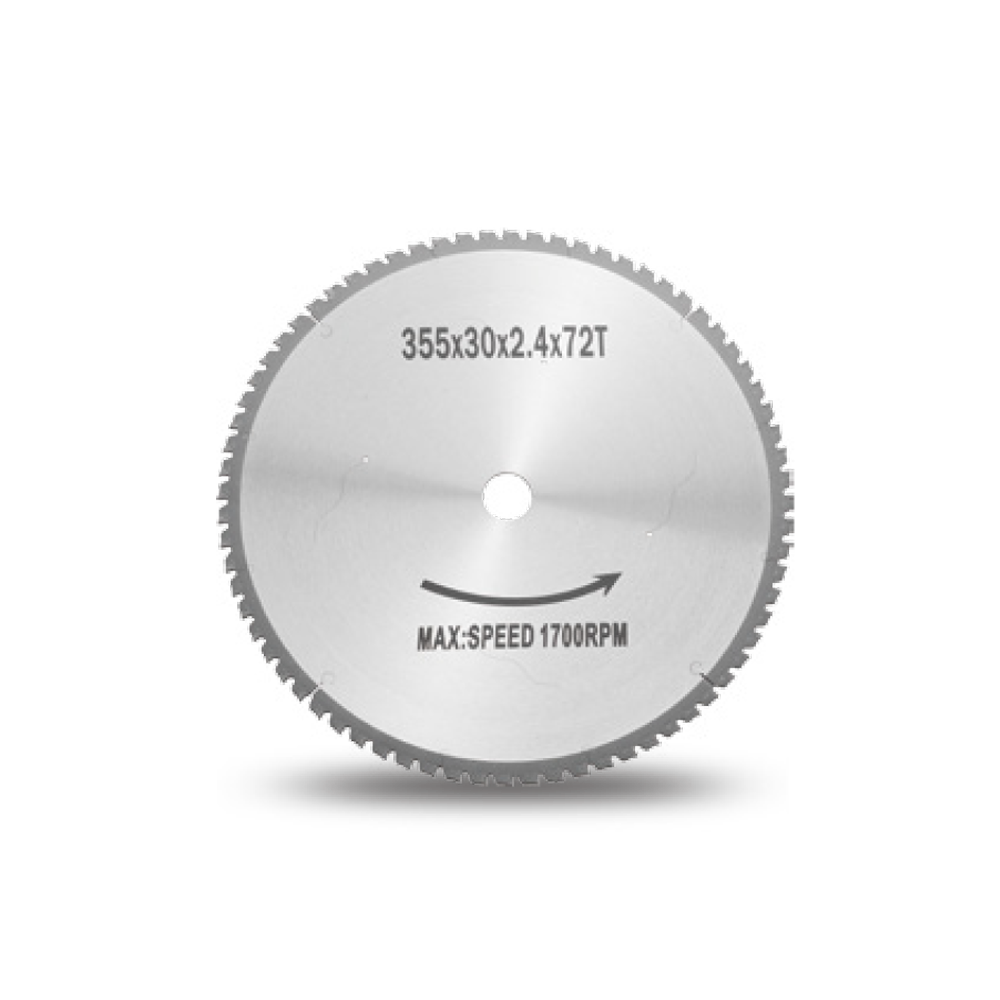
Professional TCT Metal Cutting Saw Blade
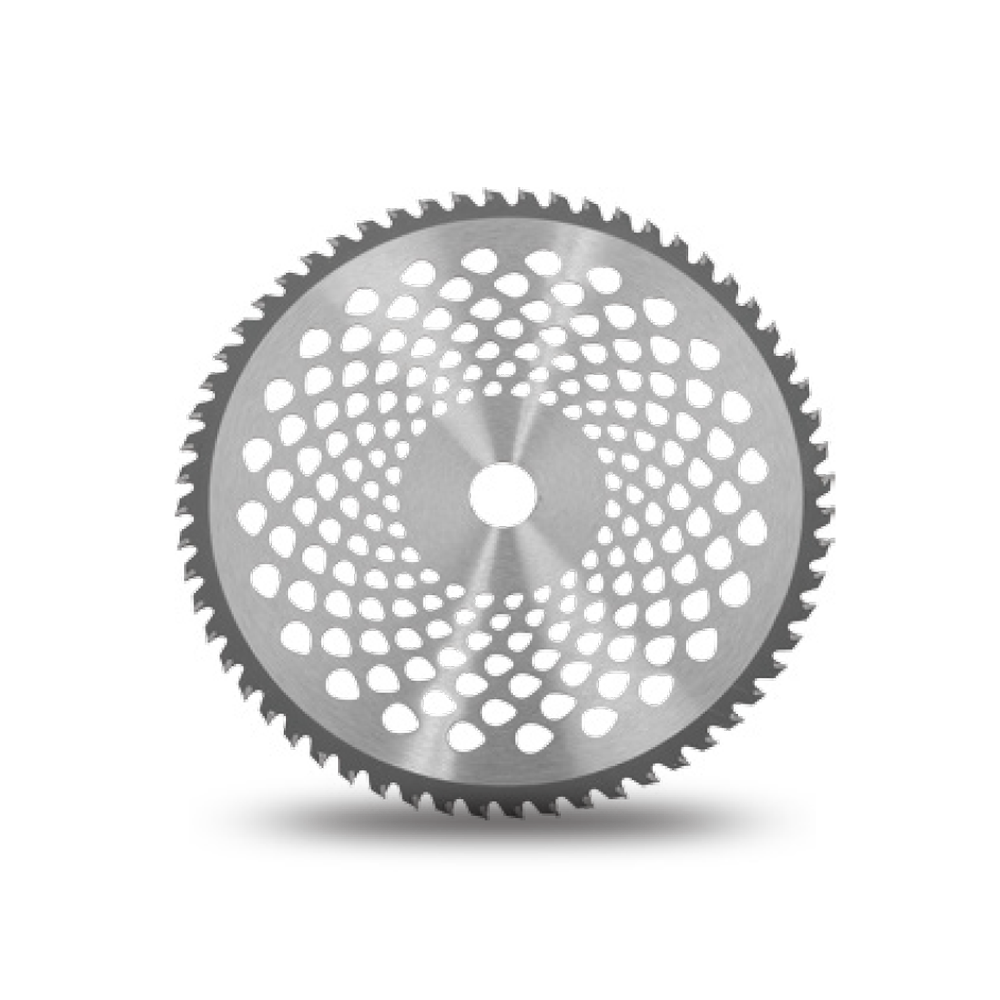
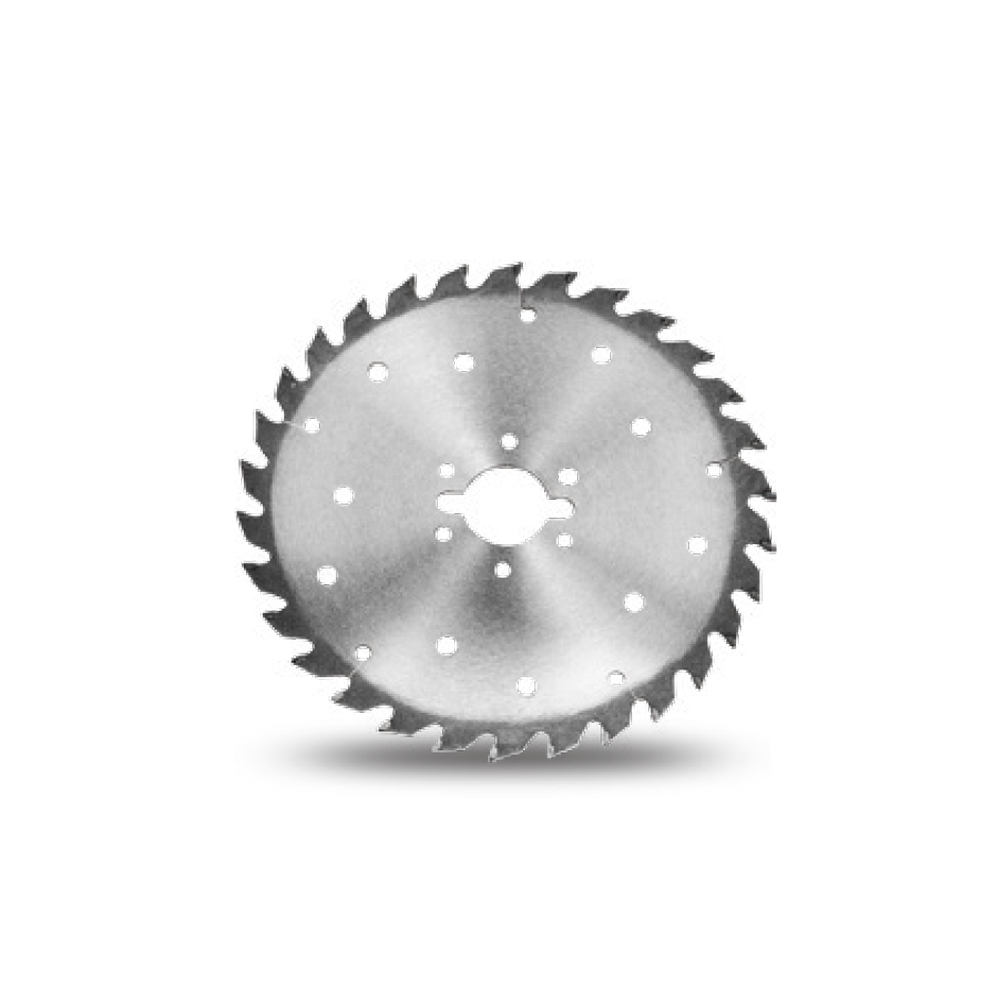
The Professional TCT Metal Cutting Saw Blade is engineered for efficient cutting of ferrous metal profiles with a thickness of up to 5 mm. It is suitable for processing mild steel tubes, angle steel, and thin-walled structural sections.
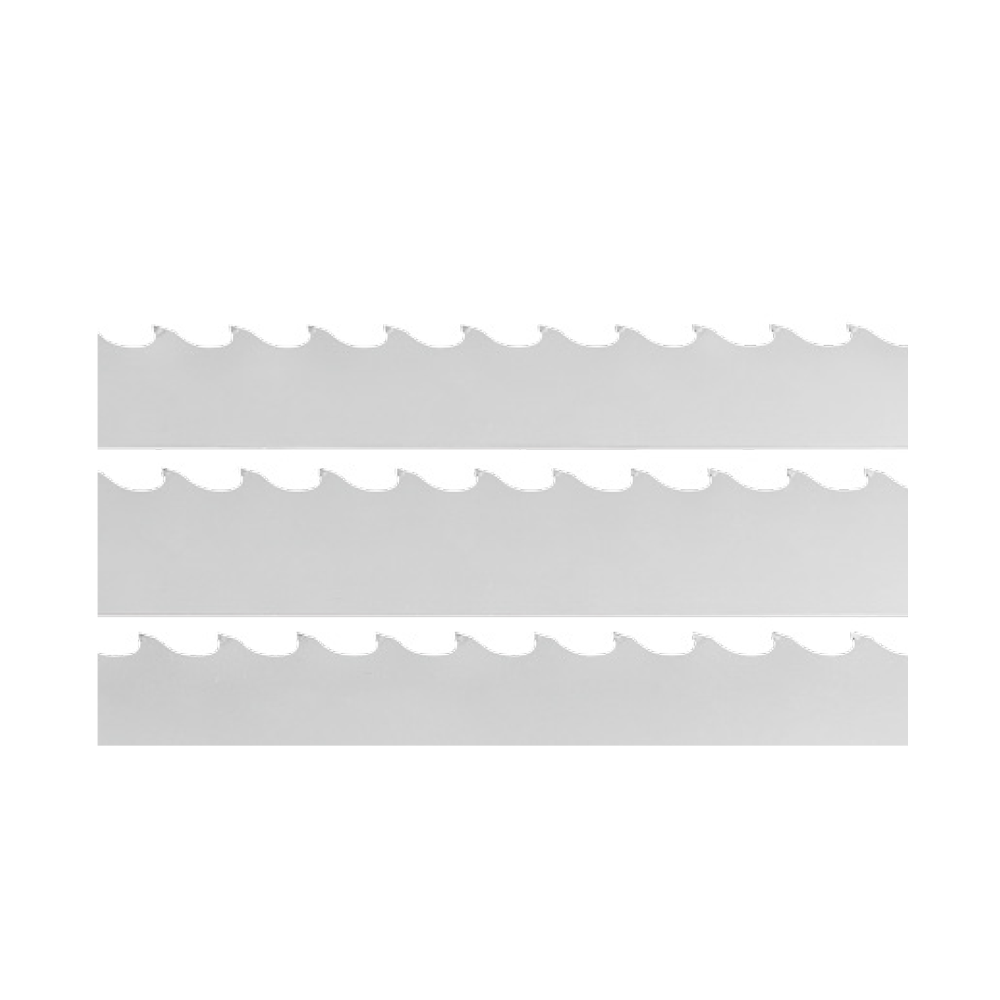
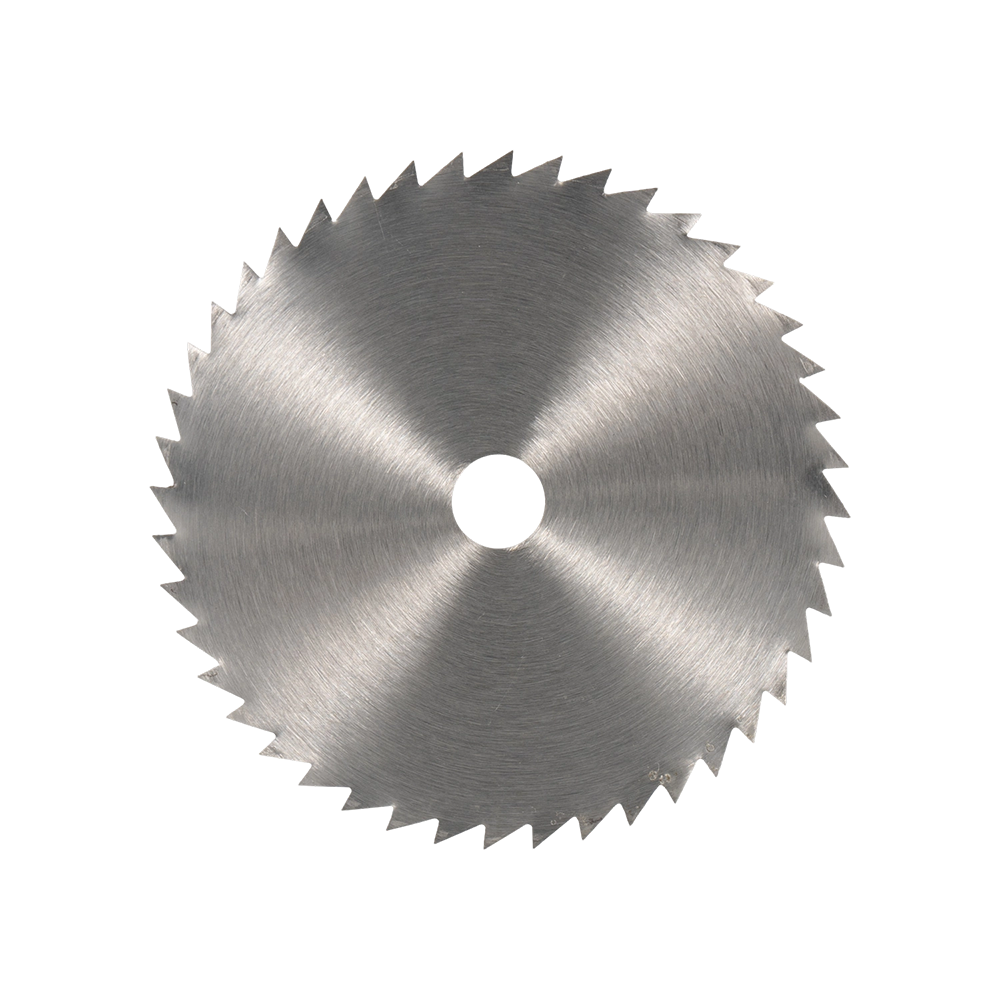
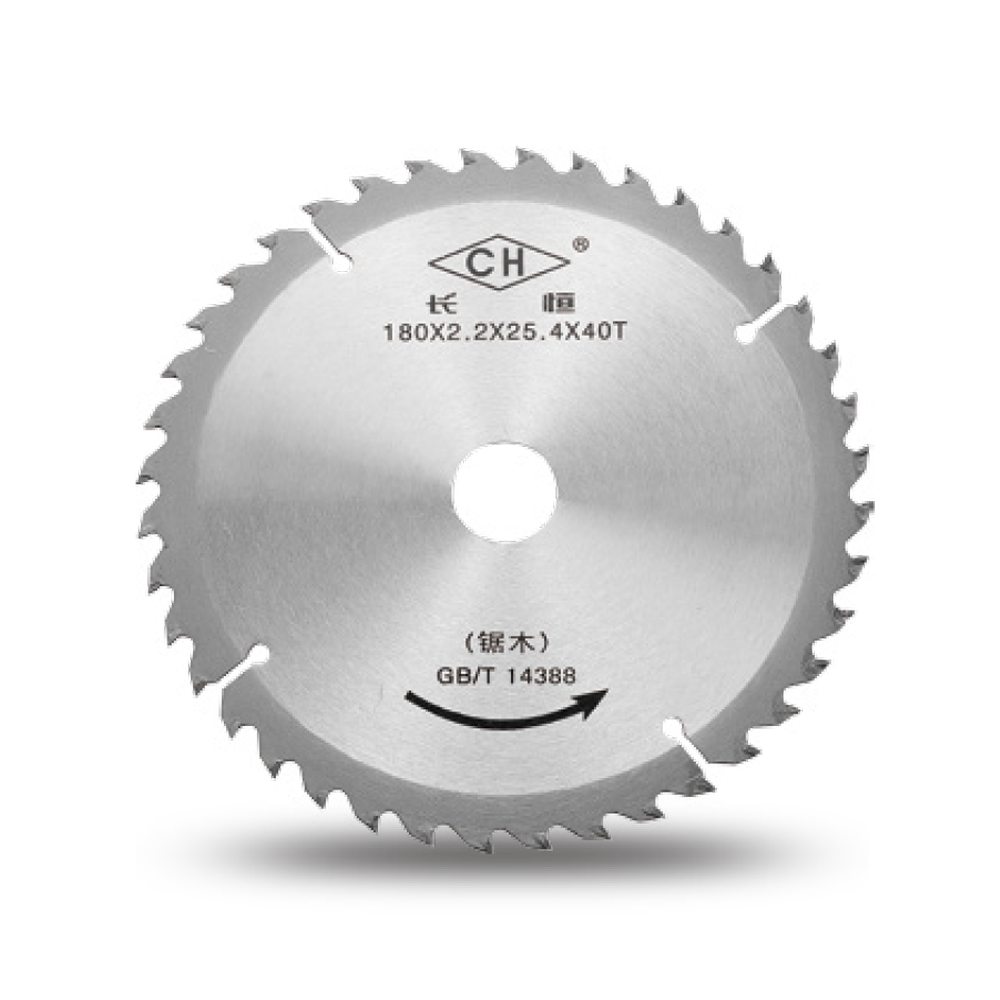
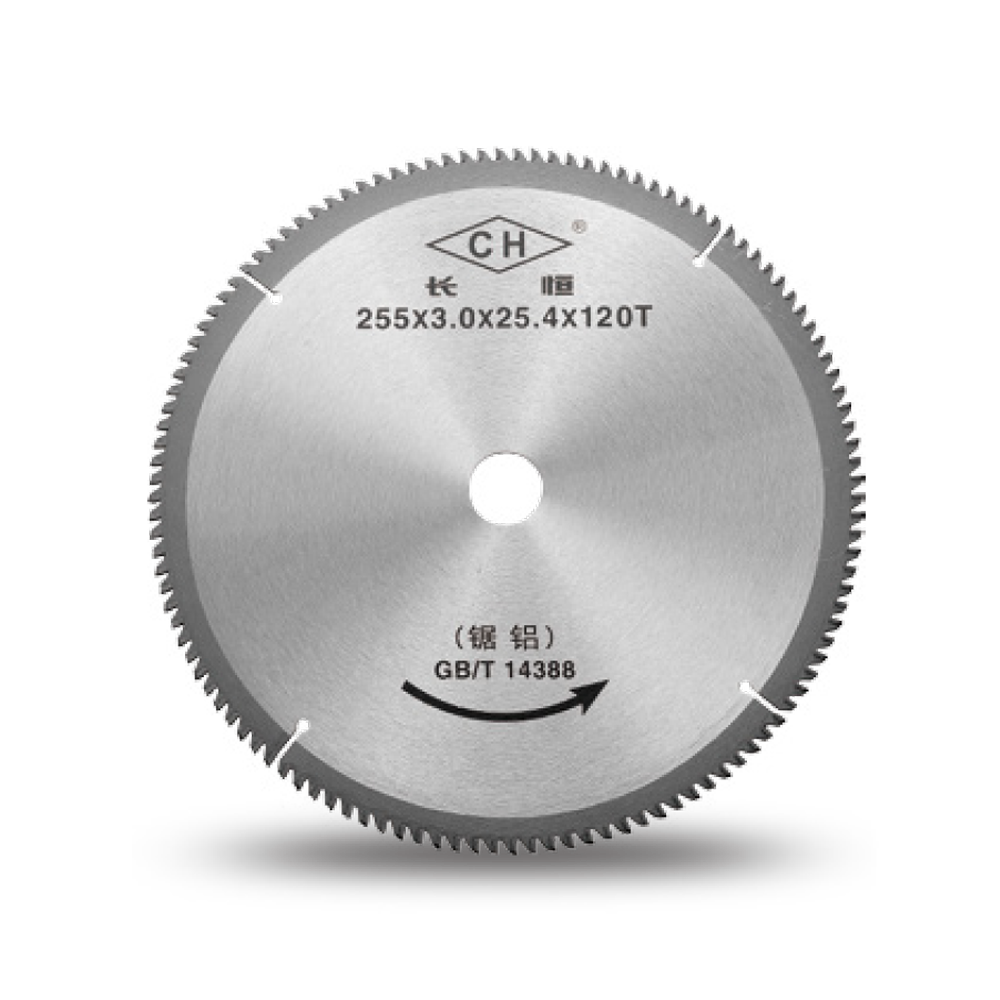
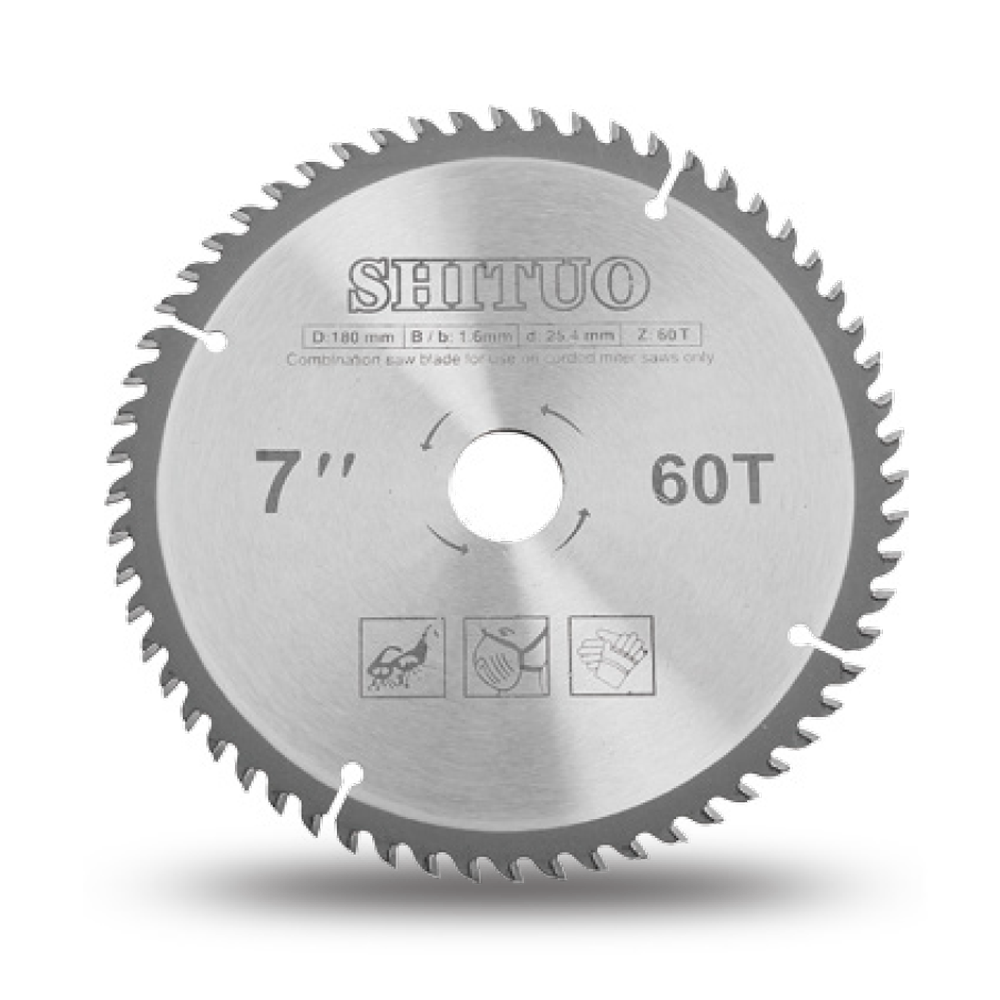
The blade features a reinforced steel body combined with high-hardness tungsten carbide tips, providing reliable wear resistance and impact strength. The ATB tooth design helps reduce cutting resistance, ensuring smoother feed rates and minimizing burr formation.
Designed for use on cold saw machines and metal cutting equipment, this blade offers stable performance, controlled heat generation, and relatively clean cutting edges, meeting the productivity requirements of metal fabrication applications.
Tooth shape: ATB
Applicable: Black metal profiles not exceeding 5 mm thick.
 Product Parameters
| Dimension | Base thickness (mm) | Kerf (mm) | Hold diameter (mm) | Teeth num. | |||||||||||||||||||||||||
| Inch | Metric (mm) | ||||||||||||||||||||||||||||
| 41/2" | 115mm | 1.7 | 2.2 | 16/20 | 24T | ||||||||||||||||||||||||
| 7" | 185mm | 1.7 | 2.2 | 16/20 | 36T | ||||||||||||||||||||||||
| 8" | 200mm | 1.7 | 2.2 | 16/20 | 40T | ||||||||||||||||||||||||
| 9" | 230mm | 1.7 | 2.2 | 20/25.4 | 48T | ||||||||||||||||||||||||
| 10" | 255mm | 1.7 | 2.2 | 25.4/30 | 50T | ||||||||||||||||||||||||
| 12" | 305mm | 1.8 | 2.2 | 20/25.4 | 60T | ||||||||||||||||||||||||
| 14" | 355mm | 1.8 | 2.2 | 25.4 | 72T | ||||||||||||||||||||||||
For exclusive deals and latest offers, sign up by entering your email address below.
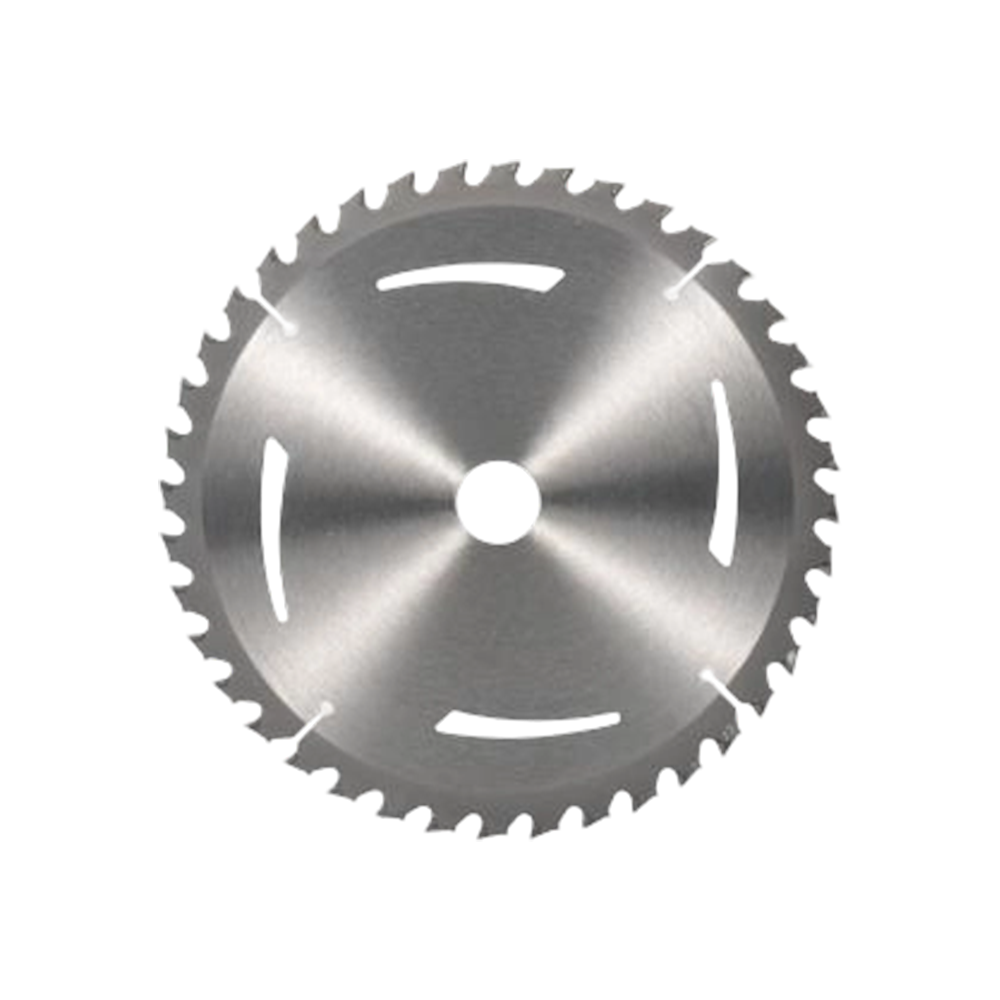

What a Professional Metal Cutting Saw Blade Really Delivers in Fabrication?
What a Professional Metal Cutting Saw Blade Actually Does
Walk into any metal fabrication shop, and you will see different blades for different jobs. A metal cutting saw blade meant for ferrous metals has a specific job: cutting through black metal profiles. The Professional TCT Metal Cutting Saw Blade comes with a reinforced steel body. That body holds high-hardness tungsten carbide tips. Those tips take the impact when you cut mild steel tubes, angle steel, or thin-walled structural sections up to 5 mm thick.
What are metal cutting saw blades used for in daily shop work. The answer is simple—cutting parts to length without overheating the material. Unlike an abrasive disc that burns through metal, this circular blade uses an ATB tooth shape. ATB stands for alternate top bevel. Each tooth leans in alternating directions. That design lowers cutting resistance. You feel a smoother feed when pushing the blade into a mild steel tube. Burrs along the cut edge stay small. Not gone, but small enough that cleanup takes less time.
Why Heavy-Duty Metal Cutting Blades Need TCT Tips
Heavy-duty metal cutting blades face a problem: heat and wear. Ferrous metals like angle steel or thin-walled profiles fight back against the cutting edge. A standard steel blade dulls fast. So manufacturers add tungsten carbide tips. Carbide stays hard when the blade spins at high speeds against black metal.
Another point people overlook—the blade body itself. A reinforced body resists bending. When you cut many pieces of angle steel in a row, the blade stays straight. Vibration goes down. Cuts come out cleaner. For someone wondering how to choose tct metal cutting blade for a cold saw machine, the answer often involves checking both the tip material and the body thickness. This particular blade works on cold saw machines and other metal cutting equipment. Heat generation stays controlled. You do not get blue edges on the workpiece.
Real Scenarios for Metal Cutting Circular Blades
Picture a shop that builds handrails from mild steel tubes. The tubes are 3 mm thick. The worker needs fifty pieces at exactly the same length. A metal cutting circular blade on a cold saw does that job quickly. Each cut takes a few seconds. The ATB tooth shape pulls through the tube wall without grabbing.
Another scenario: cutting angle steel for shelf brackets. The angle steel has a 4 mm wall. The blade handles it. Because the tips are tungsten carbide, you get multiple cuts before any drop in performance. Fabricators also use these blades on thin-walled steel profiles like those found in trailer frames or HVAC supports. The blade does not produce a shower of sparks like an abrasive wheel. That matters in workshops where dust or flammables sit nearby.
How This TCT Blade Compares to Other Cutting Options
Let us put the Professional TCT Metal Cutting Saw Blade next to an abrasive cut-off wheel. The abrasive wheel spins and grinds its way through metal. It creates heat. Lots of heat. The edge of the metal turns blue. Sparks fly everywhere. The wheel gets smaller as you use it. A TCT blade does not shrink. It shears the metal. Heat stays low. Sparks stay low. The cut edge keeps its original color.
Now compare to a high-speed steel (HSS) circular blade. HSS blades cut ferrous metals too. But HSS loses sharpness faster when the metal has scale or hard spots. Tungsten carbide tips last longer. However, you cannot drop a TCT blade on a concrete floor. The tips may chip. And if you hit a hardened inclusion inside the metal, the tip can crack. So there is a trade-off.
For metal cutting circular blades used on thin-walled structural sections, many custom saw blade manufacturers choose TCT because of the balance between durability and cut quality. You do not get perfect results. But you get consistent results. Feed pressure stays reasonable on a manual cold saw. Automatic machines run with steady torque. Burr formation is lower than with abrasive cutting. Not zero. But lower.
keep in touch
-
We are committed to providing durable, reliable, and efficient cutting solutions for global B2B clients and partners.
-
Useful Links
Home Products About Us Manufacturing Custom Service News Contact Us -
Contact Us
+86-579-89270208
+86-579-89270636ch001@changhengsaws.comNo. 102, Huacheng East Road, Chengxi Industrial Zone, Yongkang, Zhejiang, China -
Mobile Web
