



Laminate Flooring Cutting Blades
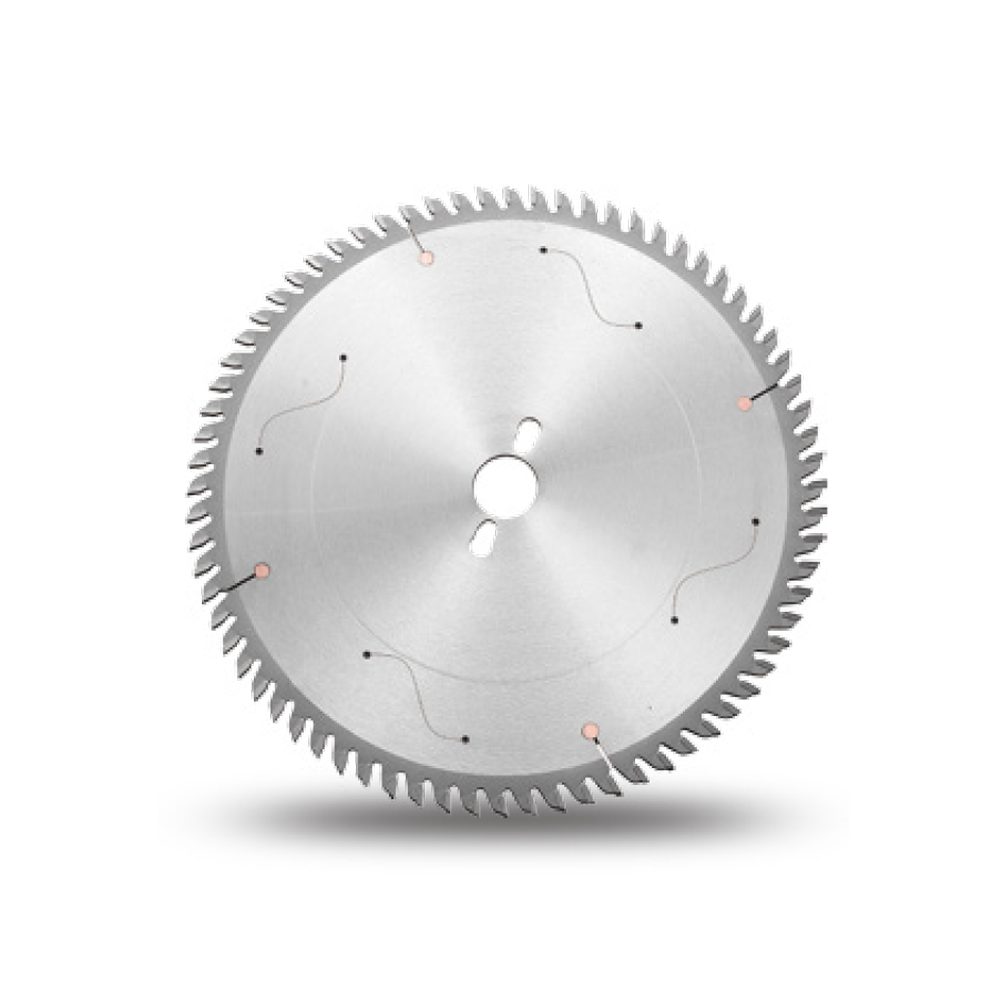
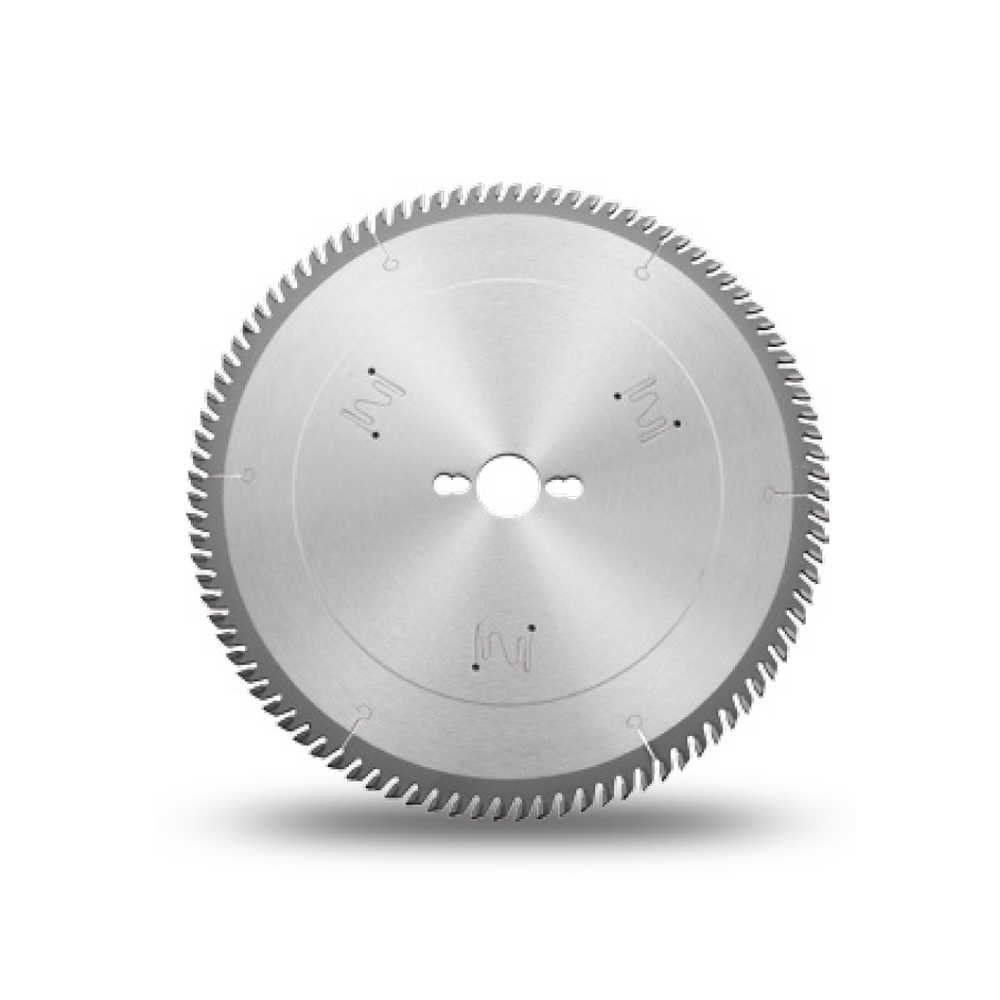
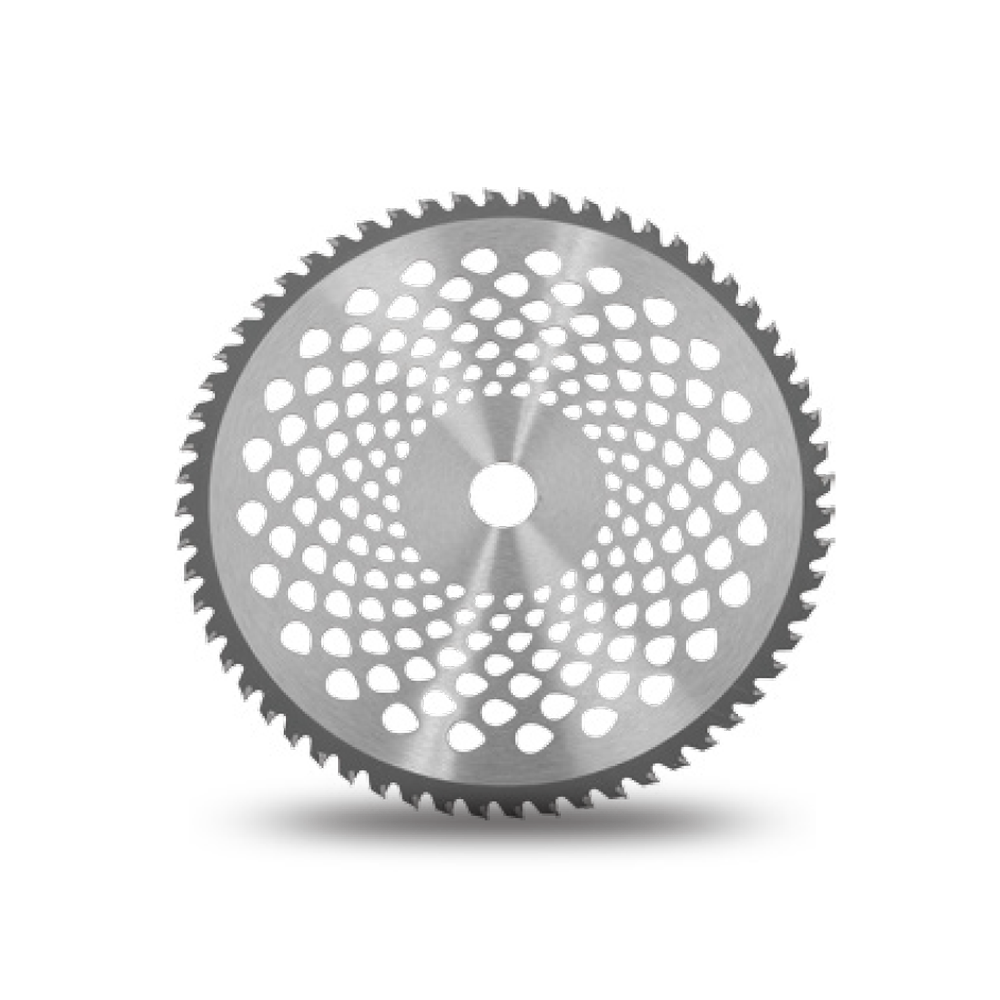
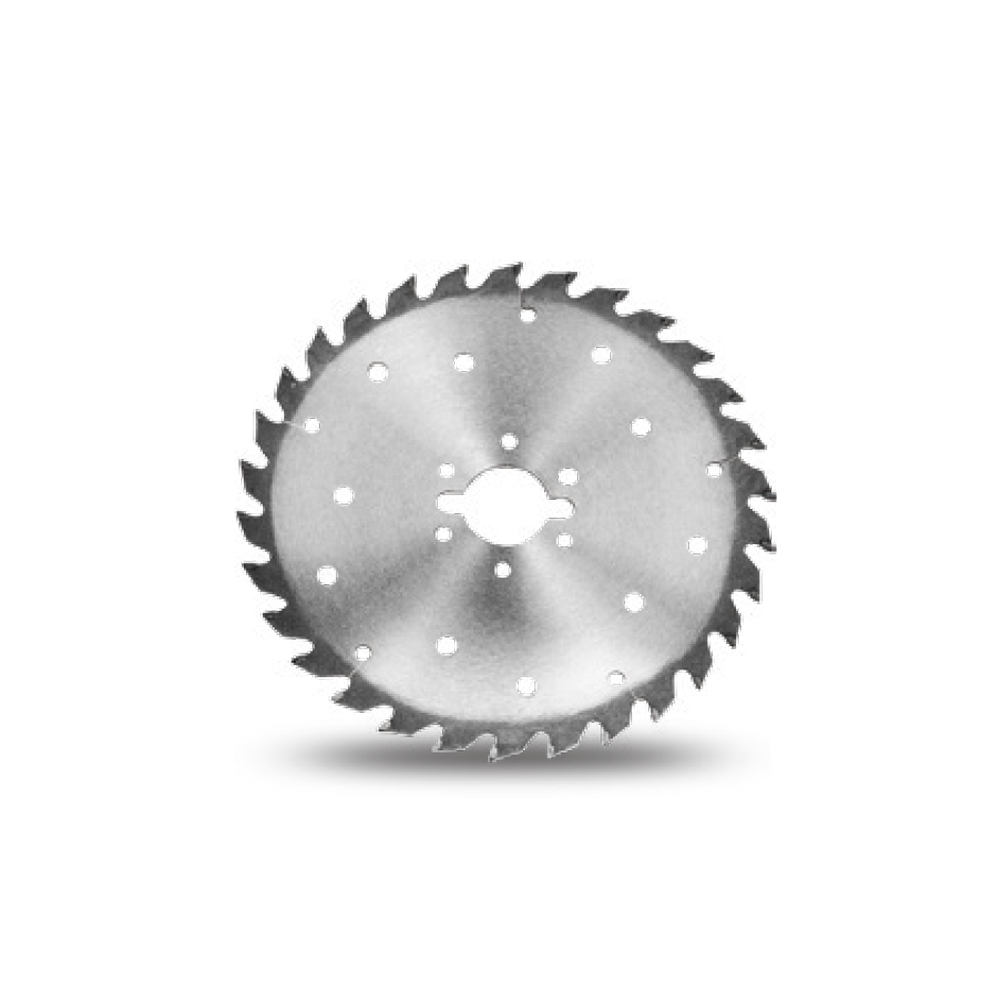
TCT Circular Saw Blade for Panel Saw
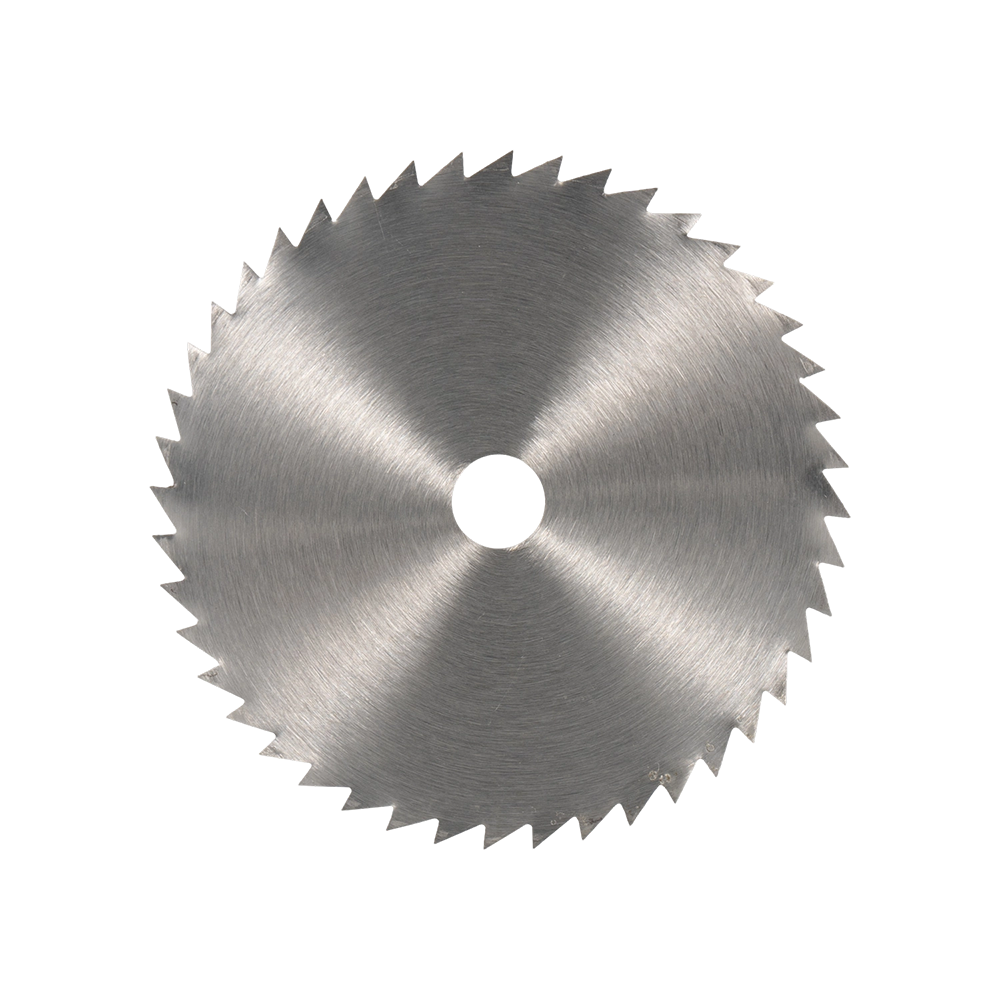
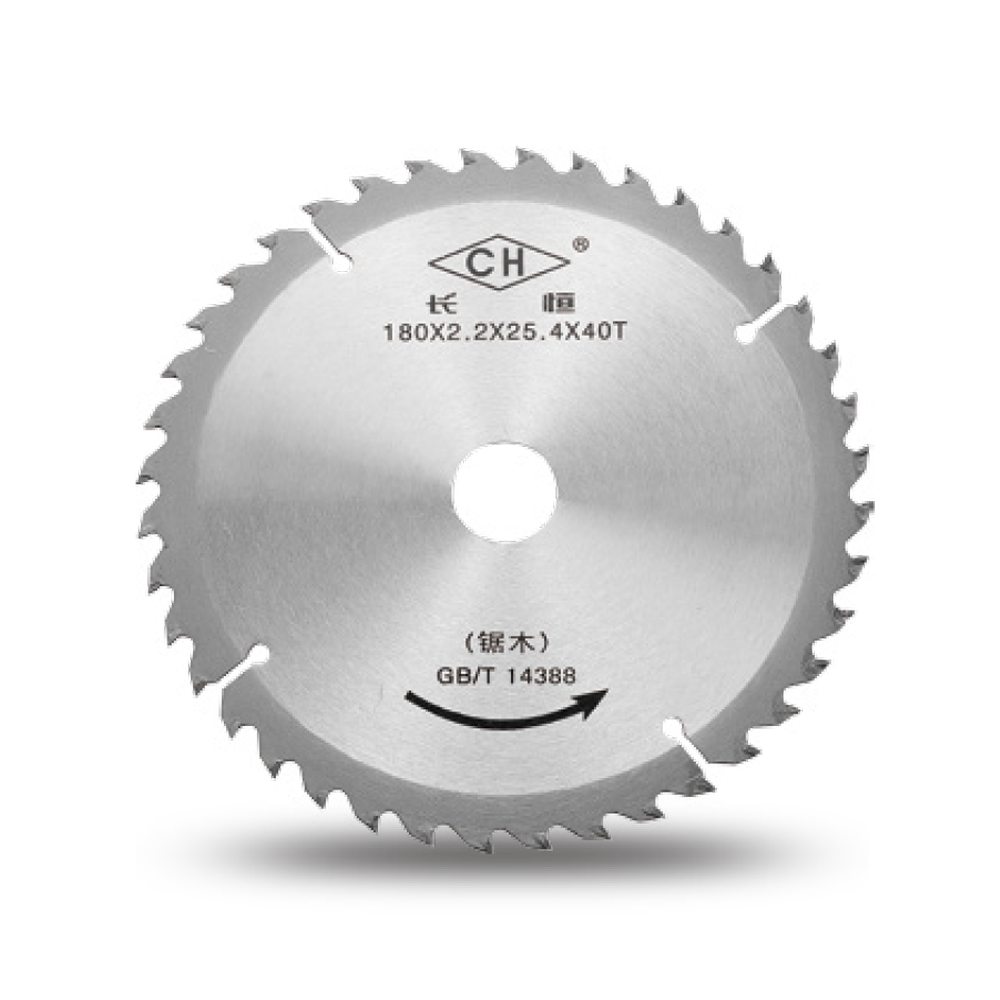
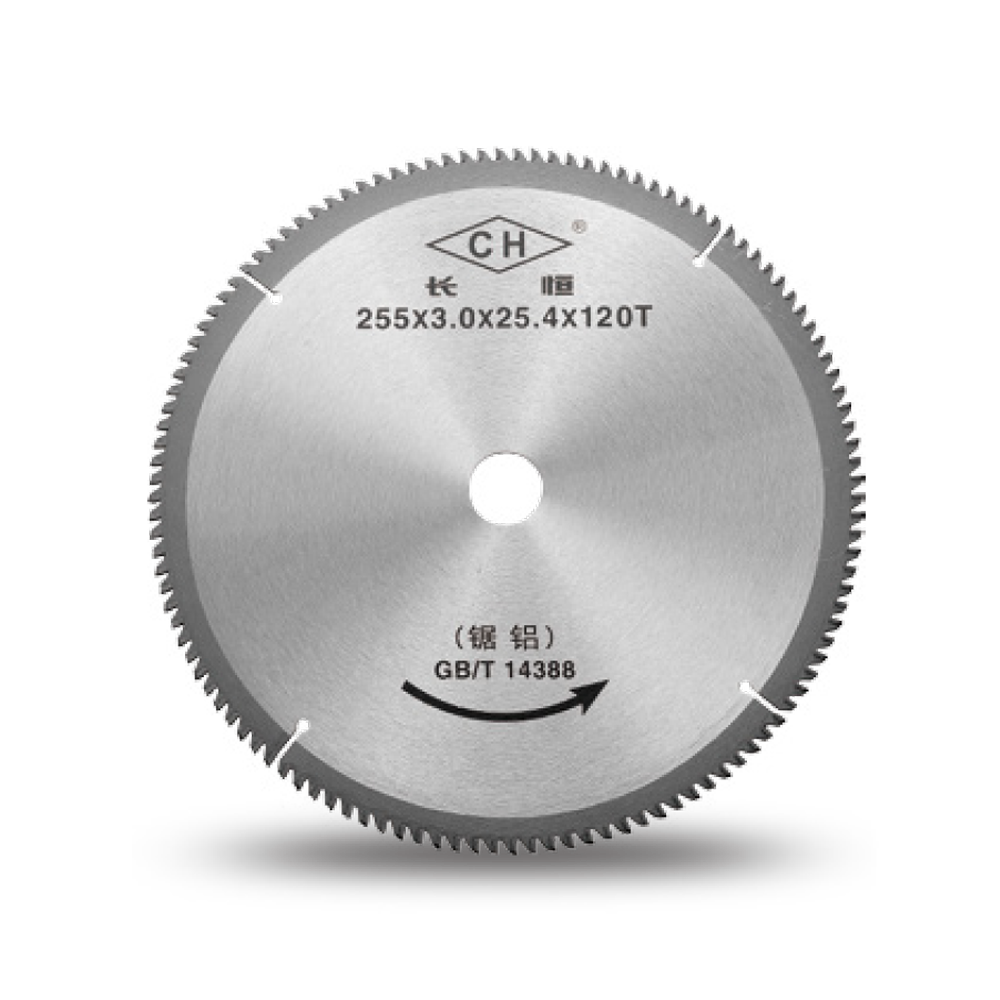
The TCT Circular Saw Blade is specifically designed for panel sizing machines and woodworking production lines. It is suitable for cross-cutting solid wood as well as precision cutting of engineered boards such as MDF, particle board, and plywood.
Manufactured with a high-grade alloy steel body and premium tungsten carbide tips, the blade undergoes precision grinding to ensure consistent tooth geometry and cutting stability. ATB (Alternate Top Bevel) and FTG (Flat Top Grind) tooth configurations are available to accommodate different cutting requirements.
The blade delivers smooth cutting surfaces with reduced chipping, helping improve panel finishing quality. It is ideal for use on electronic panel saws and sliding table saws operating at high rotational speeds.
Tooth shape: ATB、FTC
Applicable: Cross-cutting for solid wood, Subtly cutting for particleboard, plywood, blockboard, etc.
Applicable machine: table saw, horizontalpanel saw, circular saw machine.
Inner diameter and position of the hole according to the customer's requirement.
 Product Parameters
| Dimension | Base thickness (mm) | Kerf (mm) | Hold diameter (mm) | Teeth num. | |
| Inch | Metric (mm) | ||||
| 12″ | 300 | 2.2 | 3.2 | 30 | 72T |
| 12″ | 300 | 2.2 | 3.2 | 30 | 96T |
| 12″ | 305 | 2.2 | 3.2 | 30 | 120T |
For exclusive deals and latest offers, sign up by entering your email address below.

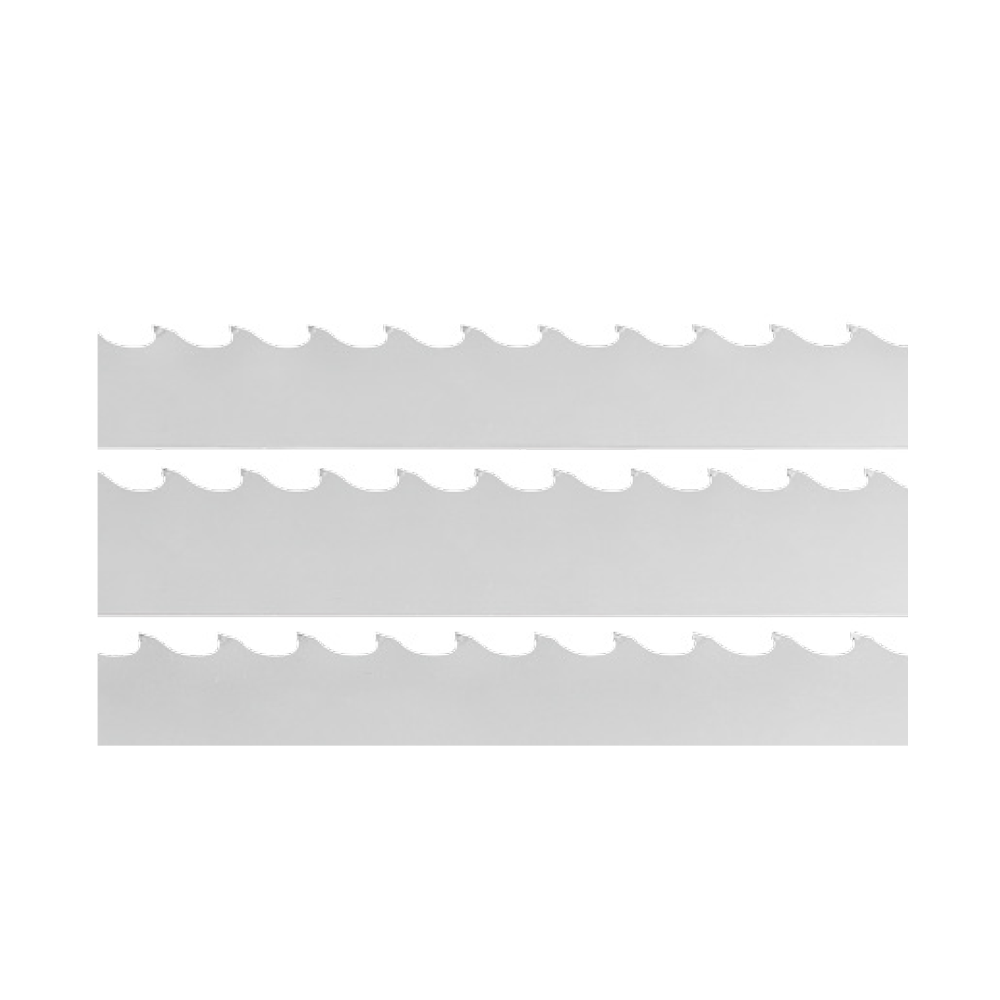

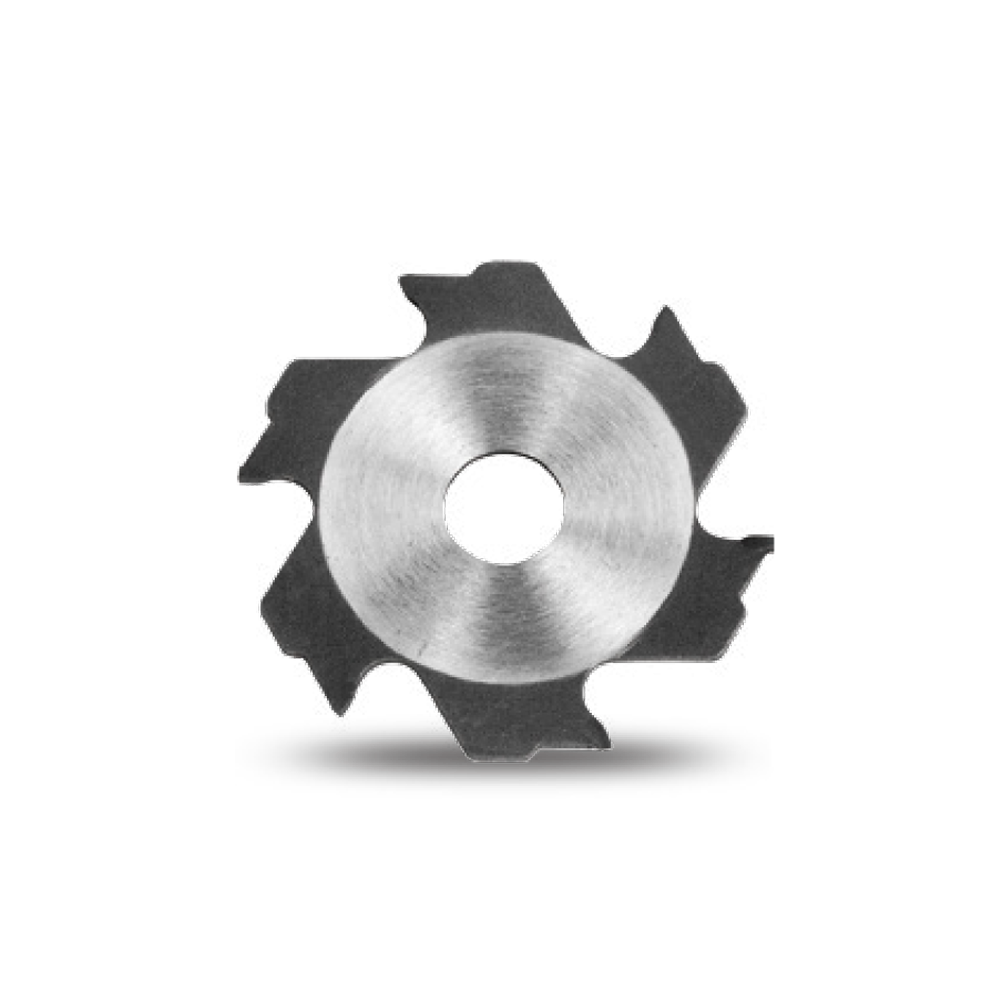

Precision Laminate Cutting: How TCT Circular Blades Deliver Clean Panel Edges
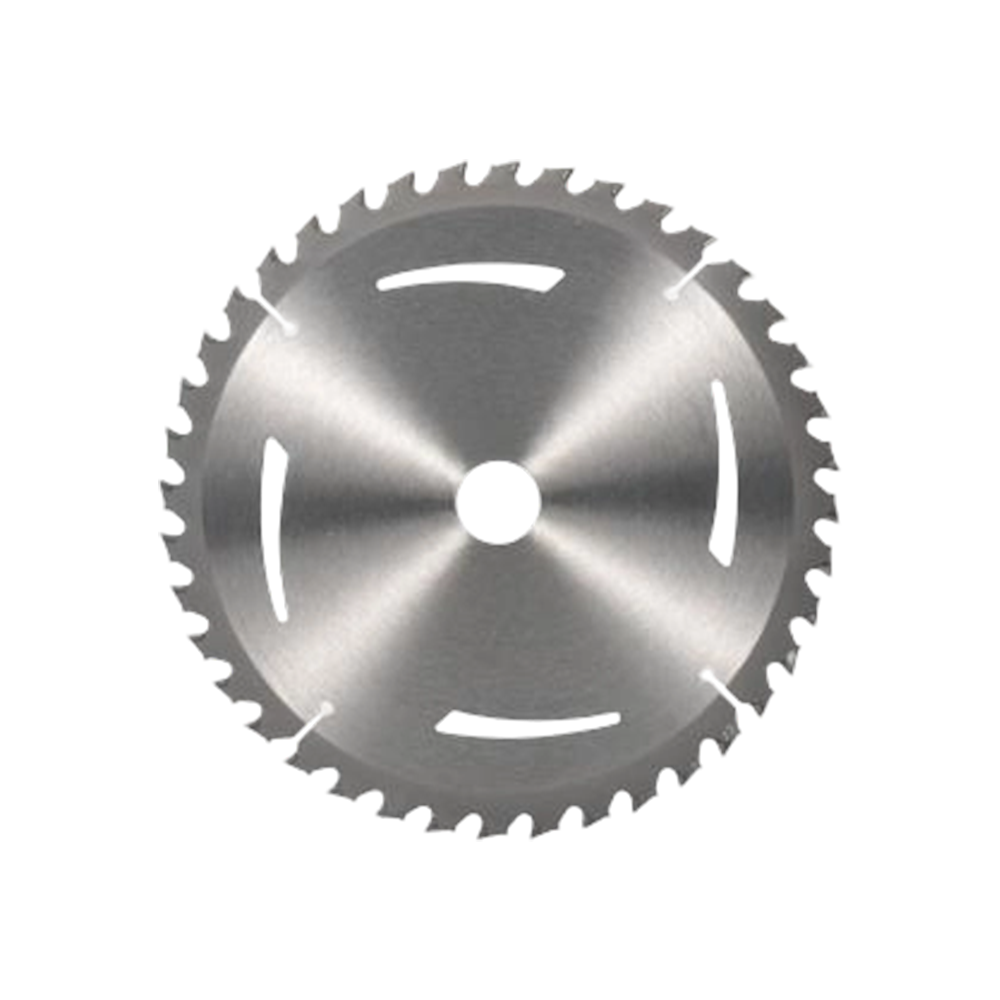
When someone talks about laminate flooring cutting blades, they usually mean circular saw blades designed to cut through engineered wood products. These laminated panel blades come with tungsten carbide tips attached to a steel disc. The idea is simple: a standard blade wears down too fast when cutting materials like MDF, particle board, or plywood because those boards contain glues and resins that are abrasive. A TCT circular saw blade for panel saw solves that problem by using hard carbide teeth that stay sharp longer.
The blade body is made from high-grade alloy steel. That gives it stability. The tips are premium tungsten carbide. Together, they handle both cross-cutting solid wood and precision cutting of engineered boards without losing edge quality quickly.
How the Cutting Happens
Two tooth shapes dominate this space: ATB and FTG. ATB stands for Alternate Top Bevel. The teeth lean left and right in turn. This creates a shearing motion. For laminate and melamine surfaces, an ATB blade produces a cleaner edge with less chipping. FTG stands for Flat Top Grind. Those teeth have square tops. They work more like a chisel. FTG is useful when you need to rip solid wood or cut materials where a rougher surface is acceptable.
Some users ask for a combination pattern. A blade might have four ATB teeth followed by one FTG tooth. That setup tries to balance smooth cross-cutting with faster ripping. There is no single correct choice. It depends on the material and the machine.
The blade undergoes precision grinding during manufacturing. That step keeps the tooth geometry consistent from tooth to tooth. Without that, the blade would wobble or cut unevenly at high rotational speeds, which is common on electronic panel saws and sliding table saws.
Where You Would Use These Blades
These laminated panel blades show up in different work settings. One typical scenario is a cabinet shop cutting plywood for boxes. Another is a flooring installer trimming laminate planks to fit room dimensions. A third is a furniture factory running a horizontal panel saw for particle board.
For cross-cutting solid wood, an ATB blade works well because the beveled teeth slice across the grain without tearing. For subtle cutting of particle board, plywood, or blockboard, the same blade delivers a smooth surface with reduced chipping along the edges. That matters when the cut edge will be visible or when the panel needs finishing without extra sanding.
The machine types vary. Table saws, horizontal panel saws, and circular saw machines all accept these blades, provided the bore diameter and positioning holes match. Many manufacturers allow customers to specify inner diameter and hole positions according to their machine requirements.
Comparing Your Options
People often ask how TCT blades compare to other types. One common alternative is PCD diamond blades. A PCD blade can last many times longer than a TCT blade when cutting abrasive laminates. But the purchase price is much higher. For a small shop doing occasional cutting, a TCT blade makes more sense. For a production line running eight hours a day on highly abrasive materials, PCD might pay off over time.
Another comparison is between tooth configurations. ATB gives you a cleaner cut on laminates and veneers. FTG gives you a faster cut on solid wood but leaves a rougher surface. A third configuration called TCG (Triple-Chip Grind) exists for very hard or abrasive materials like aluminum composite panels or dense laminates. TCG alternates a trapezoidal tooth with a flat raker tooth. That design reduces friction and resists chipping on tricky surfaces.
Tooth count also matters. A blade with 80 teeth on a 250mm diameter will cut more slowly but produce a smoother finish. A blade with 48 teeth will cut faster but may leave small chips on the laminate surface. There is no universal best count. You match the blade to the material and the required finish quality.
A Few Practical Notes
The alloy steel body needs to stay flat under load. High-tension construction helps with that. Expansion slots cut into the blade body release heat during long cutting runs. That prevents warping. Some blades also carry a protective coating that reduces friction and keeps resin from sticking to the teeth.
When the blade starts leaving rough cuts or burning the material, it may be time for resharpening. A professional sharpening service can restore the tooth geometry. That costs less than a new blade in many cases. Keeping a spare blade on hand avoids downtime while one blade is being sharpened.
keep in touch
-
We are committed to providing durable, reliable, and efficient cutting solutions for global B2B clients and partners.
-
Useful Links
Home Products About Us Manufacturing Custom Service News Contact Us -
Contact Us
+86-579-89270208
+86-579-89270636ch001@changhengsaws.comNo. 102, Huacheng East Road, Chengxi Industrial Zone, Yongkang, Zhejiang, China -
Mobile Web
OEM TCT Circular Saw Blade for Panel Saw Factory
