

 русский
 Español
 Industry News
Why Do Pipe Cutting Blades Matter in Profile Cutting Tasks?
One Source for Every Cutting Blade Need
Cutting Requirements in Modern Fabrication
Industrial cutting processes rely on stable tool geometry, consistent feed behavior, and controlled material separation. In production environments where surface condition and dimensional consistency matter, blade selection becomes a central factor affecting downstream assembly and finishing workload.
Within this context, tooling categories such as No Burr Saw Blades, Pipe Cutting Blades, and Anti-Vibration Saw Blades are widely applied across wood-based panels, plastics, aluminum profiles, and similar engineered materials. Their role is closely tied to controlling edge conditions, managing vibration during rotation, and supporting repeatable cut paths in batch production.
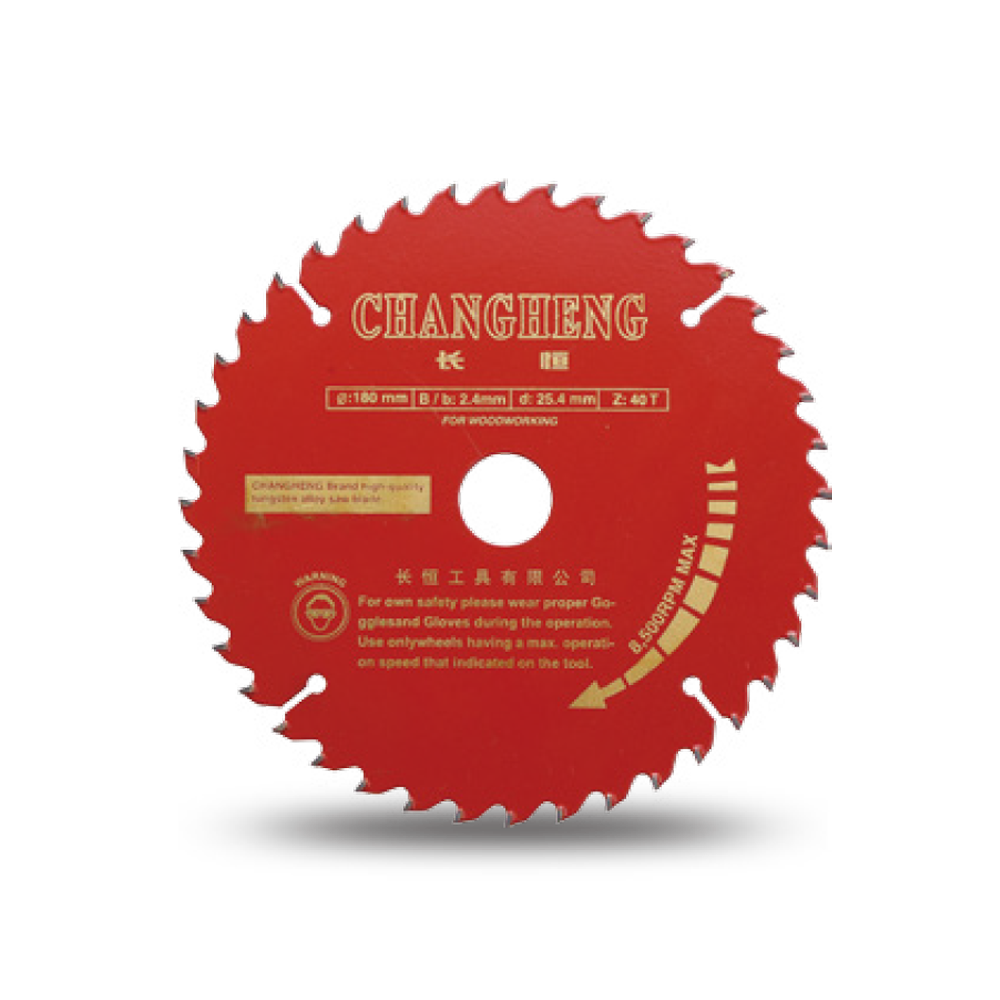
Manufacturers and wholesalers often design these blades with wear-resistant substrates and sharpened tooth geometries that support extended operational cycles. Applications typically include plywood, MDF, particle board, plastic sheets, aluminum extrusions, and similar structural materials used in fabrication environments.
Blade Geometry and Surface Control in Cutting Operations
Cutting quality is influenced by tooth design, rake angle, and stabilization during rotation. In production settings, surface tear-out and edge deformation can create additional finishing work, especially in laminated or coated materials.
No Burr Saw Blades are designed around controlled chip removal and reduced edge fraying. The tooth structure is aligned to minimize irregular breakout at the cut line, which supports cleaner edges in panel processing environments.
In many woodworking and composite material operations, No Burr Saw Blades are associated with reduced post-cut trimming requirements. This is particularly relevant when working with decorative laminates or coated boards where surface integrity carries functional and visual value.
Material behavior varies between wood fiber boards and synthetic sheets, but consistent blade engagement helps stabilize cut geometry across both categories.
Pipe Cutting Behavior and Hollow Section Processing
Hollow section materials present unique challenges during cutting due to thin wall thickness and susceptibility to deformation. Feed inconsistency or unstable blade motion can result in edge distortion or internal burr formation.
Pipe Cutting Blades are designed to manage these conditions by supporting controlled engagement with tubular structures. Tooth spacing and cutting angles are adjusted to distribute load across the cutting arc.
In fabrication environments dealing with aluminum tubing, steel conduit, or composite pipes, Pipe Cutting Blades contribute to more uniform separation behavior. This is particularly relevant when downstream welding or fitting operations depend on consistent edge alignment.
Across many industrial setups, Pipe Cutting Blades are used in repetitive cutting cycles where dimensional repeatability is required for assembly line integration.
Vibration Control and Operational Stability
Rotational cutting tools naturally generate oscillation forces due to uneven material resistance and spindle dynamics. These forces can influence cut accuracy, surface condition, and tool wear progression.
Anti-Vibration Saw Blades are developed to reduce oscillation amplitude during operation by incorporating structural damping features within the blade body. These features help stabilize the cutting motion across different feed rates.
In production environments, Anti-Vibration Saw Blades are often selected when maintaining consistent cut alignment across longer cycles is required. Reduced vibration contributes to steadier material contact and more predictable chip flow.
Workshops processing mixed materials such as plastics, wood composites, and aluminum profiles frequently integrate Anti-Vibration Saw Blades into general-purpose cutting systems to support stable output across variable workloads.
Wood, MDF, and Plastic Panel Processing Applications
Panel-based materials such as MDF, plywood, and particle board exhibit layered or fibrous structures that respond differently to cutting forces. Tear-out along edges can be influenced by fiber direction, adhesive density, and surface coating.
No Burr Saw Blades are frequently used in these environments to manage edge quality during cross-cutting and rip-cutting operations. Their geometry supports controlled separation of fibers, reducing irregular breakout zones.
In furniture production and interior panel processing, No Burr Saw Blades are commonly applied to support cleaner joining surfaces and reduce additional sanding steps.
Plastic sheets also present unique thermal and mechanical behavior during cutting. Excess friction can affect edge clarity, and blade design plays a role in controlling heat distribution during contact.
Aluminum Profiles and Extrusion Cutting Dynamics
Aluminum profiles require stable cutting conditions due to material hardness and tendency toward surface marking. Thin-walled extrusions can also deform if subjected to uneven cutting pressure.
Pipe Cutting Blades are often applied in aluminum extrusion environments due to their controlled engagement geometry. They help maintain consistent separation along the profile without excessive distortion.
In production lines handling window frames, structural rails, or modular aluminum systems, Pipe Cutting Blades are integrated into automated and semi-automated saw systems.
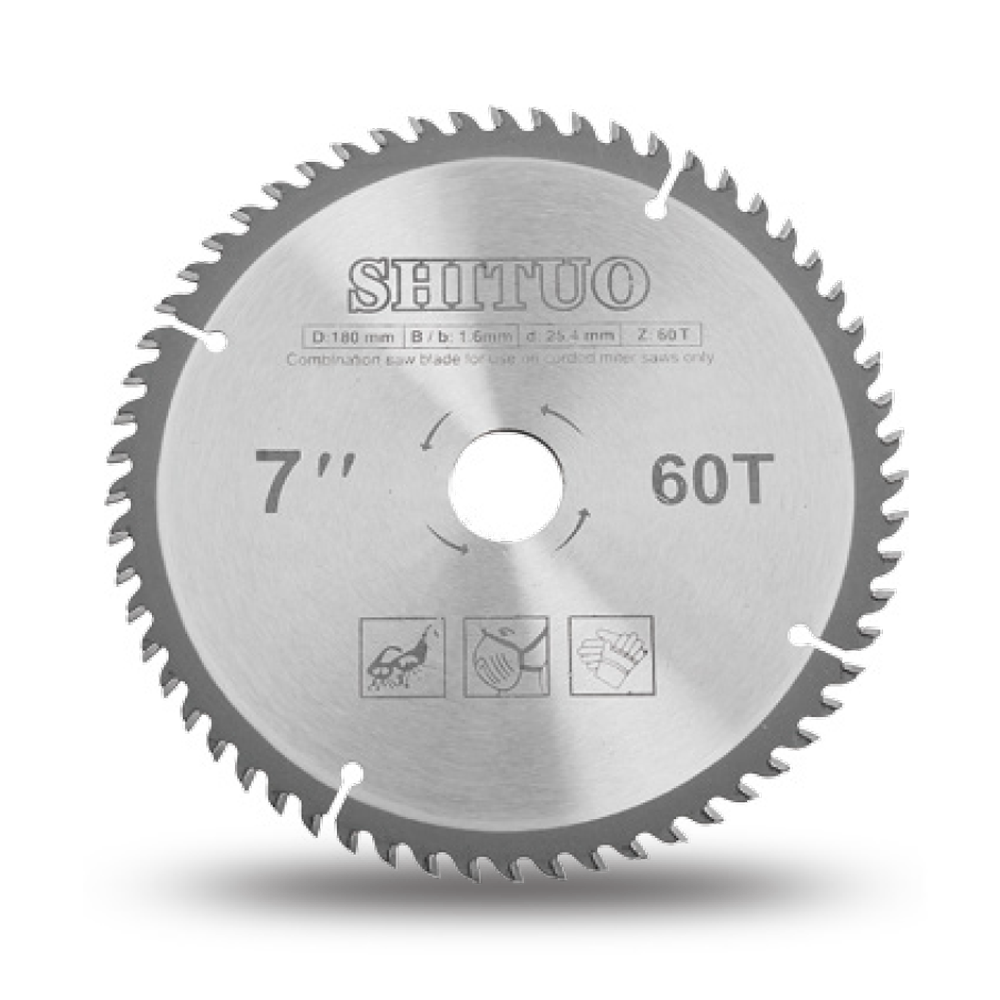
At the same time, vibration control becomes relevant when dealing with long extrusion lengths, where resonance can affect blade tracking.
Wear Resistance and Service Life Considerations
Tool wear is influenced by material hardness, feed rate, spindle stability, and cutting frequency. Over time, edge dulling can affect both surface quality and dimensional accuracy.
Blade materials used in No Burr Saw Blades are typically selected to support sustained cutting cycles across wood-based and synthetic panels. Wear resistance contributes to maintaining edge behavior over extended usage periods.
Similarly, Anti-Vibration Saw Blades incorporate structural reinforcement that reduces micro-movement stress during operation. This contributes to the slower degradation of cutting edges under repetitive load conditions.
In mixed-material environments, combining stability and edge control helps maintain consistent output across different production batches.
Production Workflow Integration and Blade Selection Logic
Blade selection in industrial environments is often determined by material type, required edge condition, and machine configuration. Operators may switch between different blade categories depending on task requirements.
No Burr Saw Blades are typically associated with panel finishing stages where surface condition is critical.
Pipe Cutting Blades are aligned with tubular and extrusion processing tasks.
Anti-Vibration Saw Blades are applied in situations where operational stability influences output consistency.
In some workflows, all three categories may appear within a single production facility, supporting different stages of material transformation.
Selection is influenced by throughput requirements, material composition, and downstream assembly conditions rather than a single uniform cutting approach.
Oriented Perspective on Cutting Tool Categories
Industrial cutting environments depend on controlled interaction between blade geometry and material behavior. Each blade category addresses a specific operational requirement, whether related to edge condition, hollow section processing, or vibration control.
Across wood-based panels, aluminum profiles, plastics, and similar materials, No Burr Saw Blades, Pipe Cutting Blades, and Anti-Vibration Saw Blades form a structured tooling group supporting varied fabrication tasks.
Different cutting tasks require different blade functions. No Burr Saw Blades support cleaner edges on panels, Pipe Cutting Blades improve stability on tubes and profiles, and Anti-Vibration Saw Blades help reduce vibration during cutting for more consistent operation across wood, plastic, and aluminum materials.
keep in touch
-
We are committed to providing durable, reliable, and efficient cutting solutions for global B2B clients and partners.
-
Useful Links
Home Products About Us Manufacturing Custom Service News Contact Us -
Contact Us
+86-579-89270208
+86-579-89270636ch001@changhengsaws.comNo. 102, Huacheng East Road, Chengxi Industrial Zone, Yongkang, Zhejiang, China -
Mobile Web
