

 русский
 Español
 Industry News
Diamond Blade Applications In Panel Saw And Cutting Lines Overview
One Source for Every Cutting Blade Need
Cutting Demands in Industrial Saw Operations
Industrial cutting environments depend on consistent geometry, stable feed behavior, and repeatable cutting results across different machine configurations. A Diamond Blade is often selected when abrasive resistance and dimensional stability are required across dense material categories and continuous processing cycles.
Across woodworking, panel processing, and engineered board production, blade selection is influenced by feed speed requirements, kerf consistency, and machine compatibility constraints. In many setups, operators compare Budget Saw Blades and Value Saw Blades based on durability expectations, machine fitment range, and output uniformity across shifts.
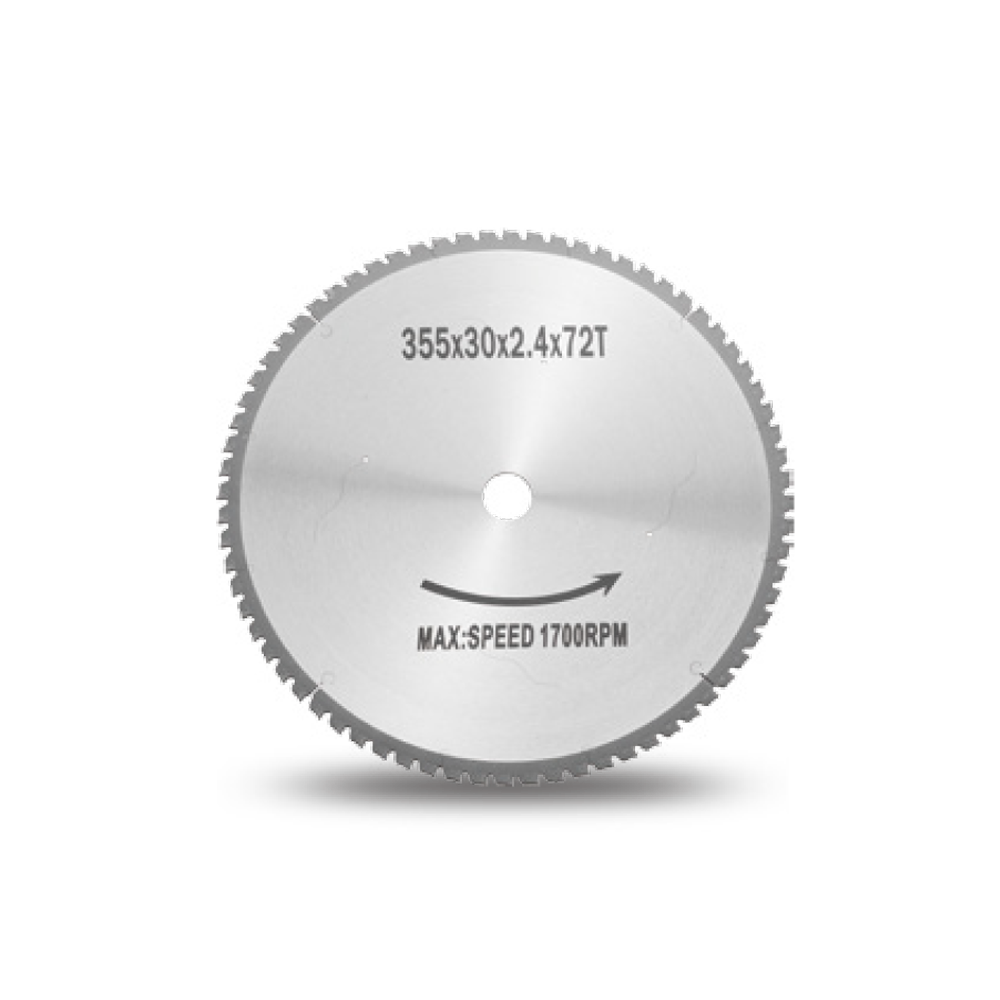
Modern production lines prioritize predictable cutting flow rather than irregular adjustments, especially when multiple saw platforms operate in parallel.
Machine Compatibility Across Saw Platforms
Saw systems in industrial environments include table saws, sliding saws, panel saw systems, and automated cutting machines. Each platform imposes specific requirements on bore diameter, blade thickness, and rotational stability.
Budget Saw Blades are frequently used in general-purpose cutting stations where multiple material types are processed. Their design supports a range of diameters and bore configurations, allowing integration with different equipment layouts without extensive reconfiguration.
Value Saw Blades are often selected for operations requiring steady surface finish behavior and reduced post-processing workload. Their geometry supports controlled chip removal and consistent feed resistance across varied material densities.
Compatibility planning often includes:
- Bore size alignment with spindle assemblies
- Diameter matching with machine RPM thresholds
- Kerf width coordination with feed mechanisms
- Material category alignment across production batches
In mixed production facilities, Budget Saw Blades and Value Saw Blades may coexist across different stations depending on workload segmentation.
Diameter and Bore Configuration Considerations
Blade diameter and bore sizing directly influence operational stability and machine adaptability. A Diamond Blade used in industrial environments often requires precise mounting alignment to maintain rotational balance at high feed rates.
Smaller diameter configurations are typically used in compact cutting units, while larger diameters are applied in panel sizing systems. Bore variation supports integration across different spindle standards, reducing dependency on a single machine configuration.
Production environments often maintain multiple blade configurations to accommodate:
- Variable material thickness
- Different cutting depths
- Machine-specific spindle sizes
- Batch-based production adjustments
In this context, Budget Saw Blades provide flexibility for mixed-diameter requirements, while Value Saw Blades are often selected for stable output consistency across repeated production cycles.
Cutting Stability in Continuous Processing
Cutting stability is influenced by tooth geometry, body tension, and vibration control. A Diamond Blade is commonly associated with reduced wear behavior when processing abrasive or composite materials.
Stable cutting behavior contributes to:
- Reduced vibration transfer to machine frames
- More consistent edge alignment
- Lower deviation in repetitive cuts
- Improved feed consistency under load variation
In continuous processing lines, Budget Saw Blades are often allocated to secondary or auxiliary cutting stations where throughput flexibility is prioritized.
Value Saw Blades are commonly used in controlled production stages where surface consistency plays a larger role in downstream assembly or finishing processes.
Production Workflow Integration and Equipment Layout
Industrial production workflows often distribute cutting tasks across multiple machines to balance throughput and reduce bottlenecks. A Diamond Blade may be positioned at initial sizing stages where raw materials require dimensional reduction before secondary processing.
Workflow segmentation commonly includes:
- Primary sizing operations
- Secondary trimming operations
- Edge refinement stages
- Batch standardization cutting
Within this structure, Budget Saw Blades are frequently used in general processing lines where material variation is higher. Their adaptability supports shifts in production demand without requiring frequent tooling replacement.
Value Saw Blades are often integrated into stable production lines where consistent output dimensions are required for downstream assembly.
Material Behavior and Surface Interaction
Different blade categories interact differently with engineered boards, laminated surfaces, and composite materials. A Diamond Blade interacts with dense materials through abrasion resistance characteristics that reduce degradation during prolonged operation.
Surface interaction outcomes depend on:
- Tooth engagement angle
- Feed rate consistency
- Material density variation
- Heat dispersion during cutting cycles
Value Saw Blades are often chosen for applications where surface smoothness reduces additional finishing steps. Their geometry supports controlled exit points during cutting cycles.
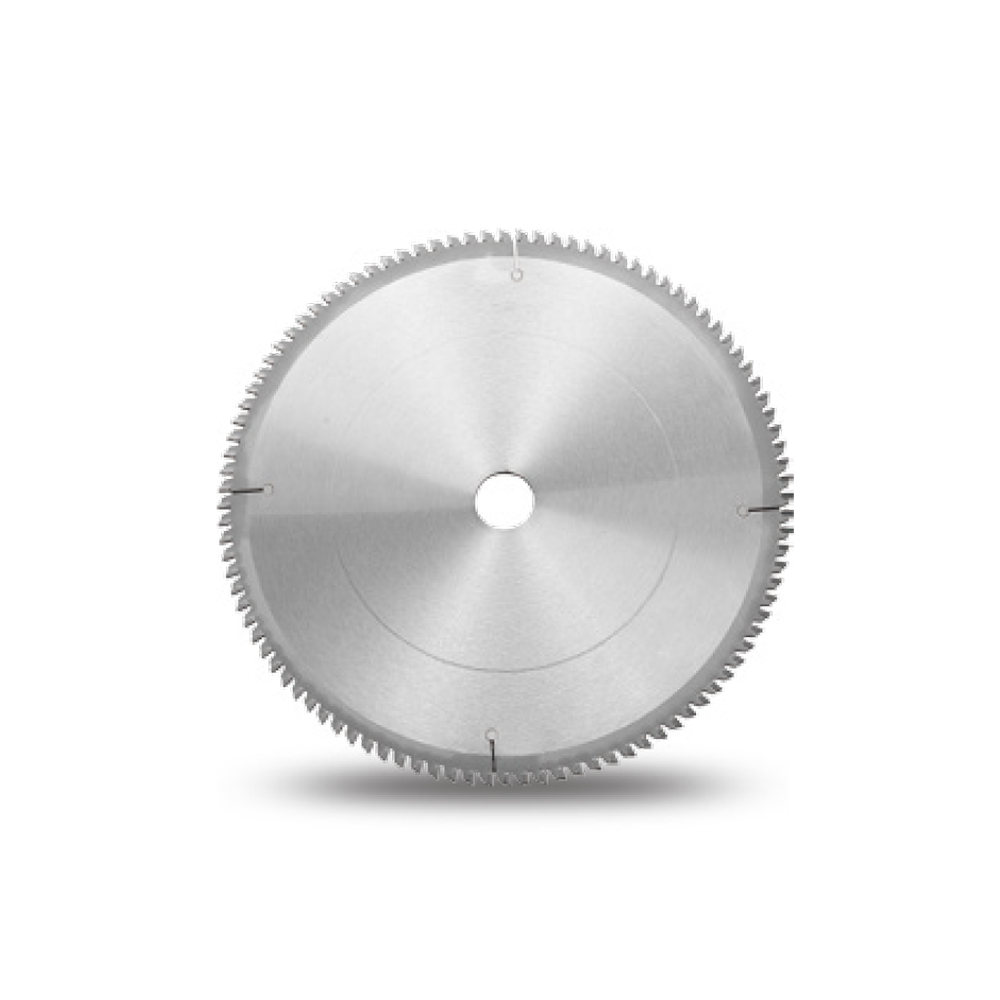
Budget Saw Blades remain widely used in general fabrication environments where material variation is high, and production requirements shift frequently.
Production Efficiency Across Multi-Station Systems
Production efficiency in cutting environments is influenced by cycle time stability and machine utilization rates. A Diamond Blade contributes to reduced tool change frequency in abrasive material conditions, supporting continuous operation cycles.
Efficiency factors include:
- Reduced downtime for blade replacement
- Stable feed speed across production shifts
- Consistent kerf behavior across batches
Budget Saw Blades are frequently used in parallel processing stations where workload distribution is dynamic. Their role supports operational flexibility rather than specialized output consistency.
Value Saw Blades are often associated with controlled output environments where dimensional repeatability supports downstream assembly efficiency.
In this structure, Budget Saw Blades and Value Saw Blades function as complementary tooling categories within distributed production systems.
Surface Finish Behavior and Output Consistency
Surface finish requirements vary depending on end-use applications and material classification. A Diamond Blade may be used in initial processing stages where surface finish is secondary to dimensional accuracy.
Key surface-related factors include:
- Edge chip formation control
- Exit cut behavior on laminated surfaces
- Fiber tear reduction in composite boards
- Consistency across repeated cutting cycles
Value Saw Blades are frequently used where surface consistency reduces additional sanding or edge correction processes. Their controlled cutting behavior supports smoother output across batch operations.
Budget Saw Blades provide operational flexibility in environments where surface requirements vary across production runs.
Procurement Planning and Operational Allocation
Procurement decisions in industrial cutting environments are influenced by machine compatibility, material type distribution, and production scheduling complexity. A Diamond Blade is typically allocated based on specific material processing requirements rather than general usage.
Operational planning often considers:
- Machine distribution across production lines
- Material type frequency across batches
- Expected tool wear patterns
- Replacement cycle scheduling
Budget Saw Blades are commonly selected for high-variation environments where multiple cutting conditions exist within the same facility.
Value Saw Blades are often assigned to stable production lines where consistent output behavior reduces variability in downstream operations.
Operational Notes on Production System Alignment
Industrial cutting environments rely on structured blade allocation across machines with differing workload intensity. A Diamond Blade supports targeted processing stages where material resistance requires higher structural durability.
Value Saw Blades support stable cutting environments where output consistency influences downstream assembly quality.
Budget Saw Blades support flexible deployment across varied production conditions and machine types.
This layered tooling approach allows production facilities to distribute workload intensity while maintaining alignment across multiple saw systems and processing stations.
keep in touch
-
We are committed to providing durable, reliable, and efficient cutting solutions for global B2B clients and partners.
-
Useful Links
Home Products About Us Manufacturing Custom Service News Contact Us -
Contact Us
+86-579-89270208
+86-579-89270636ch001@changhengsaws.comNo. 102, Huacheng East Road, Chengxi Industrial Zone, Yongkang, Zhejiang, China -
Mobile Web
