

 русский
 Español
 Industry News
How To Compare Carbide Tooth Replacement Across Miter Saw Blades?
One Source for Every Cutting Blade Need
Understanding the Role of Carbide Tooth Replacement
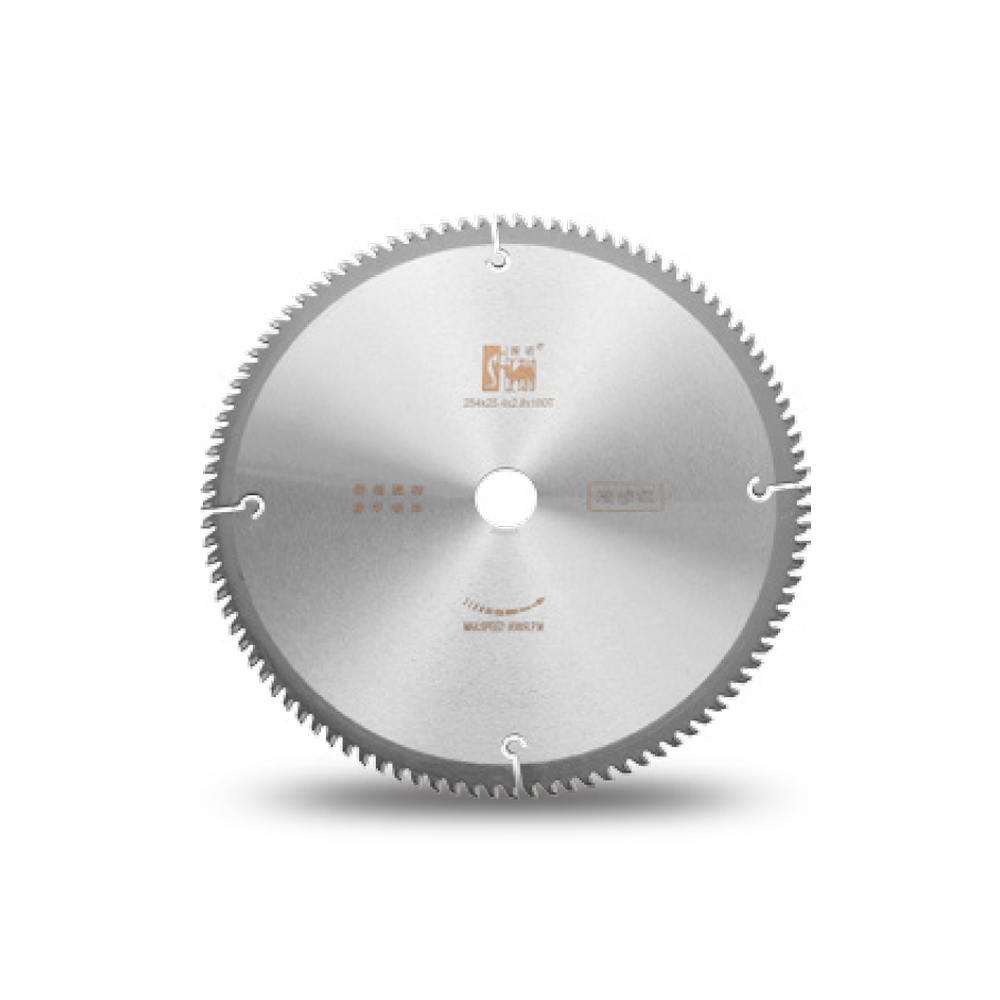
Carbide tooth replacement is a practical solution for extending the working life of miter saw blades used in demanding environments. In woodworking, metal fabrication, furniture production, and steel processing, cutting tools face repeated stress, heat buildup, and material resistance. Over time, teeth wear down, chip, or lose cutting efficiency.
Instead of discarding the entire blade, replacing carbide teeth allows operators to restore performance while controlling operational costs. This approach fits well in production settings where downtime and tooling expenses directly affect output.
Miter saw blades with carbide teeth are valued for their ability to handle straight and contour cutting. The hardness of carbide supports consistent cutting across different materials, but even durable materials eventually degrade. Replacement keeps tools aligned with production requirements without frequent full replacements.
Common Pain Points in Daily Operations
Tool Wear and Production Interruptions
One of the recurring issues in industrial cutting is unplanned stoppage due to worn teeth. When cutting quality drops, operators must pause work, inspect tools, and make adjustments. This interrupts workflow and affects delivery timelines.
Carbide tooth replacement helps reduce these interruptions by providing a faster way to restore cutting capability compared to sourcing new blades.
Cost Pressure on Tooling
Frequent replacement of full blades increases operational expenses. Many workshops look for alternatives such as Budget Saw Blades or Value Saw Blades, but these may wear faster depending on the application.
Balancing cost and durability becomes a key concern. Carbide tooth replacement offers a middle path by retaining the blade body while renewing the cutting edge.
Material Versatility Challenges
Cutting different materials—wood, aluminum, steel—requires consistent tooth sharpness and geometry. A dull or damaged tooth affects cut accuracy and surface finish.
In some cases, operators switch between blade types, including Diamond Blade options for harder materials. However, for general-purpose cutting, maintaining carbide teeth through replacement can support a wider range of applications without constant tool changes.
How Carbide Tooth Replacement Supports Efficiency
Extending Blade Lifecycle
Replacing carbide teeth extends the usable life of miter saw blades. Instead of discarding the entire tool, only the worn components are addressed. This reduces waste and aligns with cost-conscious production strategies.
In facilities where multiple saws operate daily, lifecycle extension can significantly impact overall tooling budgets.
Maintaining Cutting Accuracy
Sharp and properly aligned teeth contribute to cleaner cuts and stable operation. Carbide tooth replacement restores the original geometry of the blade, helping maintain precision in both straight and contour cutting tasks.
This is particularly relevant in furniture production, where edge quality affects downstream processes such as assembly and finishing.
Reducing Inventory Complexity
Keeping a large inventory of spare blades can be costly and difficult to manage. By focusing on carbide tooth replacement, companies can reduce the number of full blades they need to stock.
This approach works well alongside selective use of Budget Saw Blades and Value Saw Blades for less demanding tasks, while reserving carbide-based solutions for higher-load operations.
Comparing Carbide Tooth Replacement with Other Blade Options
Carbide vs Diamond Blade
Diamond Blade tools are often used for cutting very hard materials such as stone or reinforced composites. They offer durability in specific applications but may not be necessary for general woodworking or metal fabrication.
Carbide tooth replacement remains a practical choice for industries that require flexibility across different materials. While Diamond Blade solutions have their place, carbide provides a balance between durability and adaptability.
Carbide vs Budget Saw Blades
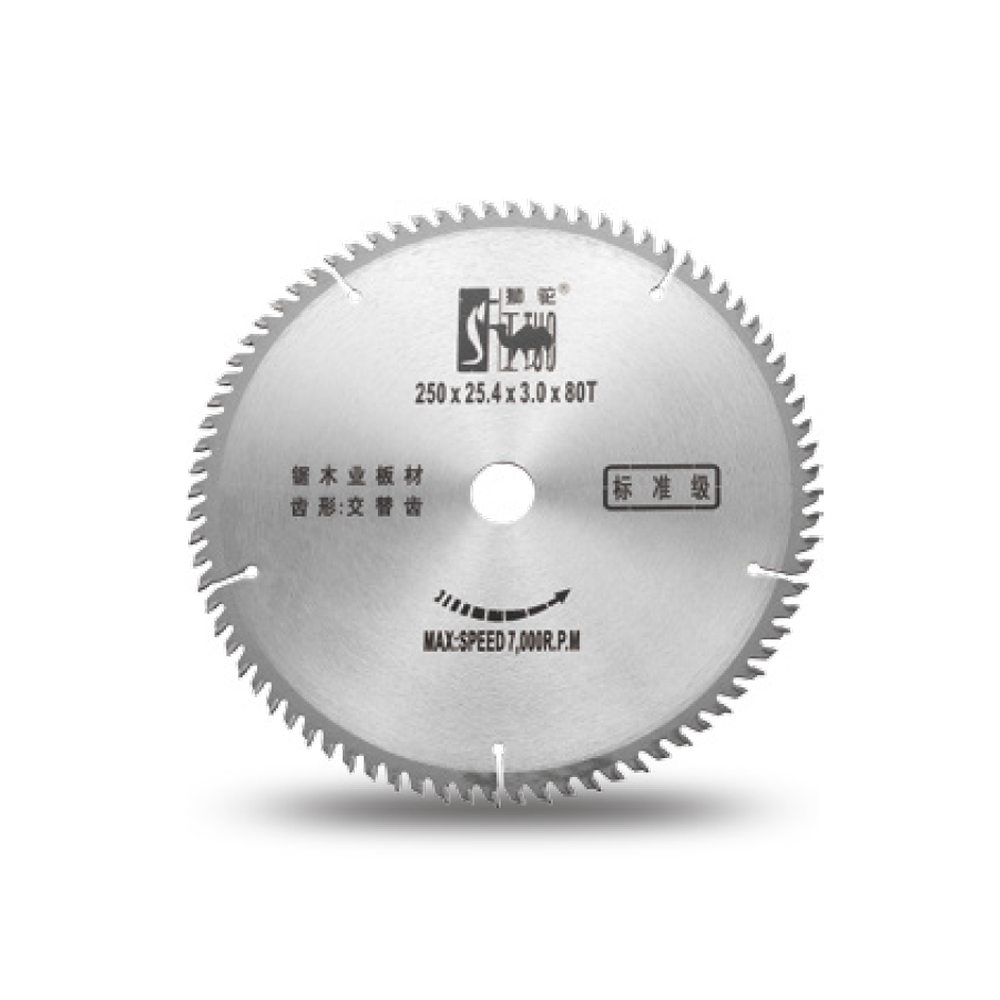
Budget Saw Blades are often selected for short-term use or less demanding jobs. They can reduce upfront costs but may require more frequent replacement.
Carbide tooth replacement shifts the focus toward long-term usability. Instead of repeatedly purchasing new blades, users maintain existing tools and replace only the worn teeth.
Carbide vs Value Saw Blades
Value Saw Blades aim to balance cost and performance. They are commonly used in medium-duty applications where extreme durability is not required.
In contrast, carbide tooth replacement supports sustained use in heavier workloads. It allows users to keep blade bodies in service while maintaining cutting quality through periodic tooth renewal.
When to Replace Carbide Teeth
Visible Damage
Chipped, cracked, or missing teeth are clear indicators that replacement is needed. Continuing to use damaged blades can affect cut quality and machine performance.
Reduced Cutting Performance
If cutting becomes slower or requires more force, it may indicate worn teeth. This is often accompanied by rough edges or increased material resistance.
Heat Build-Up
Excessive heat during cutting can signal dull teeth. Heat affects both the blade and the material being cut, potentially leading to deformation or discoloration.
Replacing carbide teeth helps restore efficient cutting and reduces unnecessary stress on equipment.
Industry Applications of Carbide Tooth Replacement
Woodworking
In woodworking, clean cuts and consistent edges are essential. Carbide tooth replacement supports repetitive cutting tasks, including crosscuts and angled cuts.
Workshops that produce cabinets, panels, and structural components benefit from maintaining blade sharpness without frequent replacements.
Metal Fabrication
Cutting metal requires durable and heat-resistant teeth. Carbide tooth replacement allows blades to maintain performance across different metal types.
This is especially useful in fabrication environments where cutting requirements vary throughout the day.
Furniture Production
Furniture manufacturing involves both straight and contour cutting. Maintaining blade precision helps reduce rework and improve assembly efficiency.
Carbide tooth replacement supports these needs by keeping blades aligned with production demands.
Steel Processing
Steel cutting places high stress on tools. Carbide teeth handle these conditions better than many alternatives, but they still wear over time.
Replacing the teeth instead of the entire blade provides a practical solution for maintaining cutting capability in steel processing operations.
Maintenance Tips for Longer Blade Use
Regular Inspection
Checking blades for wear and damage helps identify when carbide tooth replacement is needed. Early detection prevents further issues.
Proper Cleaning
Removing debris and buildup from blades helps maintain cutting efficiency. Clean blades experience less friction and wear.
Correct Storage
Storing blades in a dry and stable environment reduces the risk of corrosion or accidental damage.
Balanced Usage
Using different blade types for specific tasks can extend overall tool life. For example, combining carbide solutions with occasional use of Value Saw Blades or Budget Saw Blades can distribute workload effectively.
Final Thoughts on Practical Usage
Carbide tooth replacement offers a balanced approach to maintaining miter saw blades in industrial environments. It addresses common challenges such as tool wear, cost pressure, and production continuity.
By integrating carbide solutions with other blade types like Diamond Blade, Budget Saw Blades, and Value Saw Blades, operations can adapt to varying cutting demands while maintaining efficiency.
This approach supports long-term usability of tools and aligns with the practical needs of woodworking, metal fabrication, furniture production, and steel processing industries.
keep in touch
-
We are committed to providing durable, reliable, and efficient cutting solutions for global B2B clients and partners.
-
Useful Links
Home Products About Us Manufacturing Custom Service News Contact Us -
Contact Us
+86-579-89270208
+86-579-89270636ch001@changhengsaws.comNo. 102, Huacheng East Road, Chengxi Industrial Zone, Yongkang, Zhejiang, China -
Mobile Web
