

 русский
 Español
 Industry News
How Do Diamond Concrete Blades Improve Cutting Site Efficiency Performance?
One Source for Every Cutting Blade Need
Introduction: Demands in Modern Concrete Cutting Operations
Concrete processing environments have evolved toward higher throughput requirements, tighter dimensional expectations, and longer continuous operation cycles. Equipment selection alone is not enough; cutting tools directly influence output consistency, surface condition, and machine loading stability.
In structural fabrication and infrastructure-related cutting tasks, Diamond Concrete Blades are widely applied when abrasive resistance and stable cutting interaction are required on dense aggregates. For extended production runs where interruption frequency must be controlled, Long Life Blades are commonly integrated into continuous workflows. When surface refinement becomes a downstream requirement, Clean Cut Saw Blades are selected to maintain controlled edge formation and reduce secondary finishing effort.
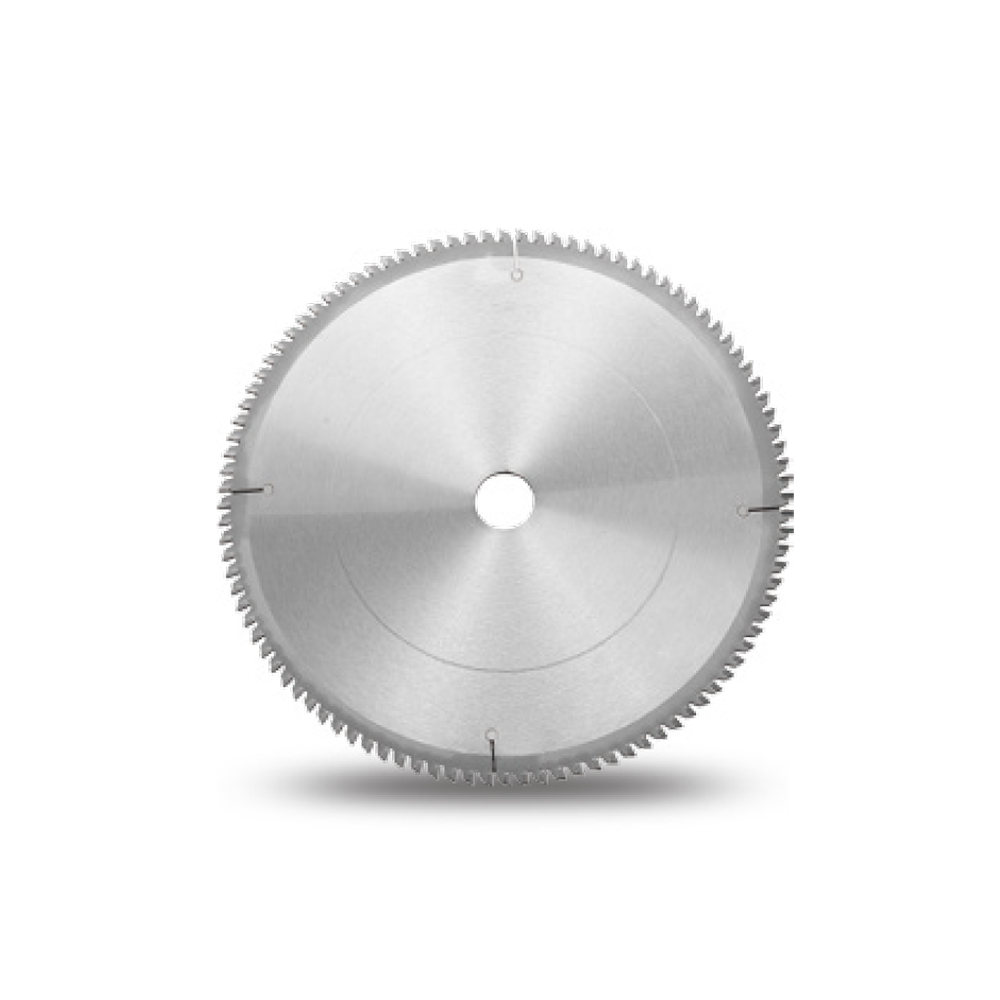
These three categories often operate within the same facility but serve different stages of the cutting process, forming a structured tooling system rather than isolated product choices.
Core Operational Challenges in Concrete Cutting Environments
Concrete cutting systems typically deal with fluctuating hardness, embedded reinforcement, and inconsistent feed pressure. These variables create instability in tool wear patterns and can affect cutting uniformity across production batches.
Tool degradation is not only a wear issue but also a process control issue. As cutting resistance changes, machine load distribution shifts, affecting output consistency.
In abrasive-heavy applications, Diamond Concrete Blades are introduced to stabilize material engagement and reduce unpredictable wear progression. However, when production cycles extend over long shifts, tool lifespan becomes a scheduling factor. In such cases, Long Life Blades reduce the frequency of changeovers, helping maintain more continuous machine utilization.
For finishing-sensitive operations, Clean Cut Saw Blades are used when edge smoothness and dimensional alignment influence downstream assembly or welding preparation. Each category addresses a different operational constraint rather than competing for the same role.
Cutting Performance Behavior and System Stability
Cutting stability is influenced by blade composition, segment structure, rotational balance, and material interaction behavior under load. Variations in these factors can create inconsistent cutting depth or surface texture.
Diamond Concrete Blades are designed for controlled abrasion against high-density aggregates. Their structure supports consistent engagement with mineral-based materials, reducing abrupt load fluctuations during cutting.
In extended runtime environments, Long Life Blades are used to maintain operational continuity. Their wear distribution characteristics allow longer usage intervals before replacement, supporting more stable production scheduling.
When edge precision is required after primary cutting, Clean Cut Saw Blades help maintain smoother kerf formation, particularly in applications where dimensional consistency is critical for assembly alignment.
Blade Configuration, Compatibility, and Machine Integration
Industrial cutting environments rarely operate with a single machine type. Floor saws, stationary cutters, and handheld systems may coexist within the same production facility, requiring adaptable tooling configurations.
| Blade Category | Primary Function | Operational Focus |
|---|---|---|
| Diamond Concrete Blades | Abrasive material cutting | Dense aggregate stability |
| Long Life Blades | Extended runtime cutting | Reduced replacement frequency |
| Clean Cut Saw Blades | Edge refinement cutting | Controlled surface finish |
Diamond Concrete Blades are typically manufactured in multiple diameter ranges to support different cutting depths and machine classes. This allows integration across both portable and fixed systems.
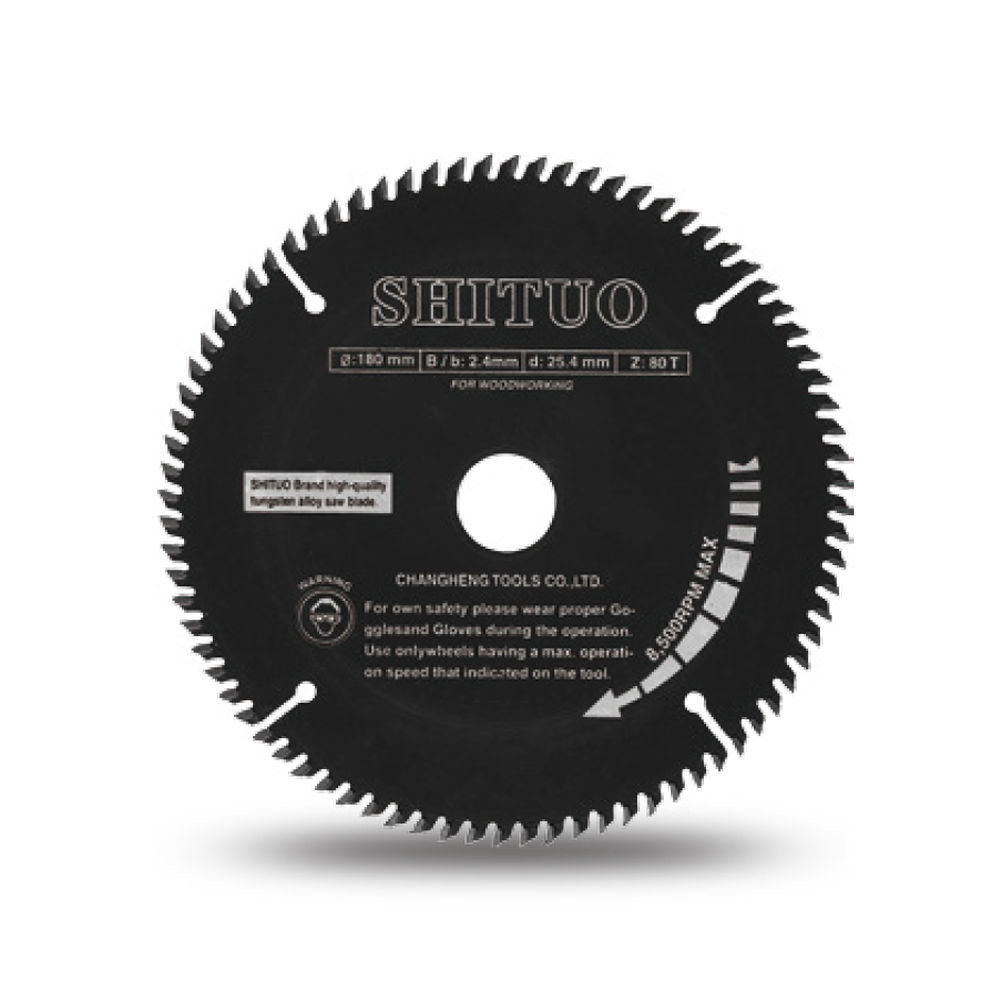
Long Life Blades often include multiple bore configurations to align with spindle standards across various equipment types, supporting stable rotational behavior under load.
Clean Cut Saw Blades are also designed with machine compatibility in mind, particularly in environments where feed rate and rotational speed need to align with finishing requirements.
Application Segmentation in Industrial Use Cases
Different stages of fabrication require different cutting outcomes. Matching blade type to process stage reduces inefficiencies and improves workflow consistency.
Primary structural cutting:
- Focus on material removal efficiency
- Controlled interaction with reinforced concrete
- Reduced structural resistance variability
In this stage, Diamond Concrete Blades are typically used to handle dense aggregate structures while maintaining predictable cutting progression.
Extended production cycles:
- Continuous operation across shifts
- Reduced downtime for blade changes
- Stable load distribution over time
Here, Long Life Blades support longer operational windows, reducing interruptions in production sequencing.
Finishing and alignment preparation:
- Edge refinement before assembly
- Reduced rework requirements
- Controlled kerf geometry
In this phase, Clean Cut Saw Blades contribute to smoother surface transitions and improved dimensional alignment.
Comparative Behavior in Cutting Operations
Performance differences between blade categories are not only based on durability but also on interaction characteristics with material types.
Diamond Concrete Blades focus on abrasive resistance and stable engagement with mineral-heavy surfaces. Their behavior is consistent under variable aggregate conditions, which supports predictable cutting depth.
Long Life Blades prioritize operational continuity. Their design supports extended use cycles, which is particularly relevant in environments where production scheduling depends on minimizing interruptions.
Clean Cut Saw Blades prioritize surface control. Their cutting behavior is tuned toward reducing edge irregularities, especially in applications requiring alignment precision after cutting.
Maintenance Considerations and Operational Longevity
Tool maintenance strategies in industrial cutting environments are closely tied to usage intensity and material type. Blade degradation patterns affect both output quality and machine load stability.
Wear monitoring is typically based on:
- Segment condition evaluation
- Cutting resistance changes
- Surface finish consistency
- Operational noise variation
In abrasive-heavy environments, Diamond Concrete Blades require periodic inspection to ensure consistent segment integrity. Their performance stability is closely tied to aggregate hardness variation.
For extended runtime systems, Long Life Blades are evaluated based on wear progression over time rather than short-cycle performance, aligning with continuous production planning.
In finishing-sensitive applications, Clean Cut Saw Blades are monitored for edge consistency, as even minor degradation can affect downstream alignment or assembly accuracy.
Workflow Structuring in Multi-Stage Cutting Systems
Many industrial facilities structure cutting operations into multiple stages rather than relying on a single tool type across all processes. This segmentation helps distribute wear load and improve output consistency.
A typical workflow structure may include:
- Primary structural cutting stage
- Intermediate shaping or sizing stage
- Final edge refinement stage
Within this structure:
- Diamond Concrete Blades support initial material breakdown
- Long Life Blades support continuous intermediate processing cycles
- Clean Cut Saw Blades support finishing and alignment preparation
This layered approach allows each blade category to operate within its optimized condition range rather than being forced into multi-role usage.
Structured Tool Selection in Industrial Cutting Systems
Concrete cutting operations rely on controlled interaction between material properties, machine behavior, and blade configuration. Different blade categories serve distinct roles within this system rather than functioning as interchangeable tools.
Diamond Concrete Blades support abrasive material processing in primary cutting stages.
Long Life Blades support extended operational cycles where continuity is required.
Clean Cut Saw Blades support finishing stages where edge control becomes relevant.
When integrated across a structured workflow, these blade types contribute to more stable cutting behavior, improved process continuity, and more consistent output characteristics across industrial applications.
keep in touch
-
We are committed to providing durable, reliable, and efficient cutting solutions for global B2B clients and partners.
-
Useful Links
Home Products About Us Manufacturing Custom Service News Contact Us -
Contact Us
+86-579-89270208
+86-579-89270636ch001@changhengsaws.comNo. 102, Huacheng East Road, Chengxi Industrial Zone, Yongkang, Zhejiang, China -
Mobile Web
