


 Industry News
What Causes Rough Cuts With TCT Circular Saw Blade for Wood
One Source for Every Cutting Blade Need
Cutting wood can look like a simple job right up until the finished edge reveals small chips, torn fibers, or an uneven surface staring back at you. A saw blade might seem well suited to the task, yet the result can still vary quite a bit from one piece of wood to the next.
When a cut turns rough, the blade itself isn't always to blame. Tooth condition, cutting direction, wood properties, feed method, installation, and general tool wear can all play into the final edge someone ends up with.
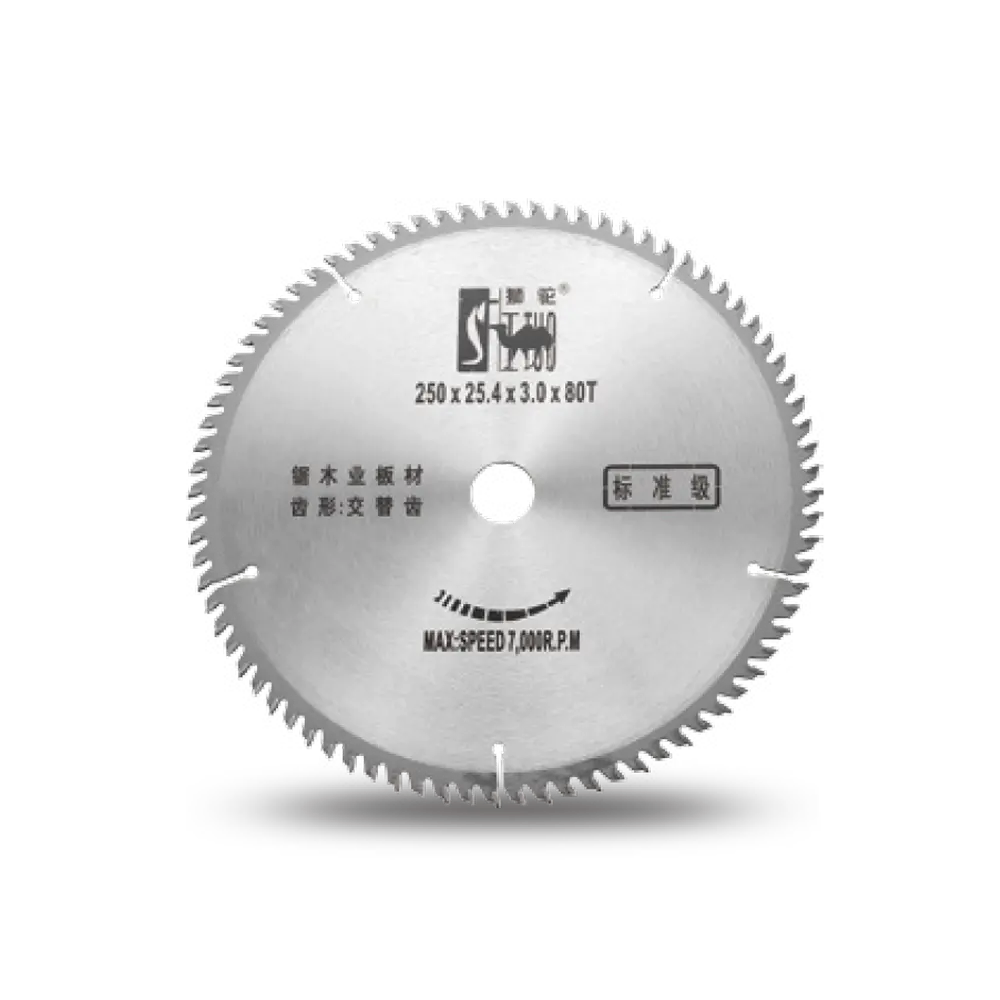
A Tungsten Carbide Tipped Circular Saw Blade gets built for cutting applications where durable cutting edges matter, but its performance still hinges on how the blade gets selected and used out on the job. Working through the relationship between the blade and the material can help someone figure out why rough edges keep showing up.
It can also make routine cutting work a lot easier to manage day to day, rather than fighting the same problem over and over.
Why Can TCT Saw Blades Produce Rough Wood Edges?
A rough edge usually shows up when the cutting process doesn't separate the wood fibers cleanly. Wood is a natural material at the end of the day, so its structure can shift noticeably from one board to another even within the same batch.
Grain direction, density, moisture condition, surface features, and internal variation can all shape how the material responds once a saw blade meets it.
| Possible Cause | Effect on Cut |
|---|---|
| Worn teeth | Less consistent cutting |
| Damaged tooth edges | Increased chipping |
| Unsuitable cutting direction | More visible fiber tearing |
| Irregular feeding | Uneven cutting surface |
| Poor installation | Blade movement during cutting |
| Material variation | Different cutting response |
How these factors interact with each other matters quite a bit here. A blade with perfectly good teeth can still produce a rough edge if the material gets fed unevenly during the cut.
Likewise, careful feeding on its own won't fix a problem rooted in damaged or worn teeth sitting on the blade. That's why rough cutting is worth treating as a process issue rather than pinning the blame on one component right away.
How Does Tooth Condition Affect Cutting Quality?
The teeth are the part of the blade actually meeting the wood, so their condition has a real, noticeable effect on the cut produced. A clean, properly maintained cutting edge can engage the material in a controlled way rather than tearing through it.
As the teeth wear down over time, the cutting action tends to grow less consistent from pass to pass. Small chips can start appearing along the edge, and the surface may need extra finishing work afterward.
| Tooth Condition | Possible Cutting Result |
|---|---|
| Clean cutting edge | More controlled material removal |
| Normal wear | Gradual change in cutting quality |
| Damaged tooth | Localized roughness or chipping |
| Uneven wear | Inconsistent edge appearance |
| Contaminated tooth | Less predictable cutting |
Users should take a closer look at the blade once rough edges start showing up repeatedly rather than as a one-off. A single damaged tooth can sometimes leave a surprisingly visible mark on its own.
Multiple worn teeth together can affect the overall look of the cut across the whole piece. The condition of the teeth is worth considering alongside the type of wood being cut, since the two interact. A blade used frequently may need attention even when the damage isn't obvious at a glance. Regular inspection can help catch changes before they turn into a bigger production headache.
Can Cutting Direction Change the Appearance of a Wood Edge?
Wood fibers run in a natural direction of their own. The relationship between that direction and the blade's movement can shape how the fibers separate during cutting.
Cuts made with the grain tend to behave differently from cuts made across the grain. The visible result can also shift depending on the structure of the specific material being cut.
| Cutting Relationship | Possible Result |
|---|---|
| Along the grain | Fiber direction influences the cut |
| Across the grain | More fiber ends are exposed |
| Changing grain | Edge appearance may vary |
| Irregular grain | Chipping can become less predictable |
This shows up especially in wood with grain patterns that shift throughout the board. The blade can move through sections that respond quite differently within the very same workpiece.
Users should avoid assuming one cutting approach will produce identical results across every type of wood they run into. The TCT Circular Saw Blade for Wood should get matched with the intended cutting application and the material's actual structure. Understanding the grain can also help someone choose a more sensible cutting direction whenever the workpiece allows a bit of flexibility.
How Do Wood Properties Influence Rough Edges?
Wood isn't a uniform material by any stretch. Different species, boards, and even sections within the same board can carry different textures and internal structures.
Knots, changing grain, harder patches, softer sections, and moisture differences can all affect how the material behaves under a blade. A blade that cuts smoothly through one piece may produce a noticeably different edge on another.
| Wood Characteristic | Cutting Consideration |
|---|---|
| Dense areas | May require more controlled feeding |
| Soft sections | Can respond differently to tooth contact |
| Knots | May create localized resistance |
| Changing grain | Can increase fiber movement |
| Moisture variation | Can influence material behavior |
| Surface coating | May affect tooth contact |
This doesn't necessarily mean the blade itself is unsuitable for the job. The material can simply be creating a different cutting response on its own.
When roughness shows up only on certain sections of a board, it's worth examining the wood structure in that spot specifically. The pattern of the roughness can offer useful clues about what's actually going on. A rough edge that's consistent across every single piece points more toward blade condition or setup. Roughness that appears mainly around knots or changing grain tends to connect more closely with the material itself.
Does the Feed Method Affect the Finished Edge?
How the wood moves through the cutting process matters quite a bit, more than people sometimes realize. An inconsistent feed can cause the blade to meet changing amounts of material moment to moment.
That can make the cutting action less stable and can contribute to an uneven surface across the cut. A controlled feed lets the blade work through the material in a far more predictable manner.
| Feeding Habit | Potential Effect |
|---|---|
| Smooth movement | Supports consistent cutting |
| Uneven movement | May create an irregular edge |
| Sudden pressure | Can affect blade engagement |
| Pausing during the cut | May leave visible marks |
| Excessive force | Can increase cutting stress |
People sometimes push material harder when a cut starts feeling slow, hoping to speed things up. That can end up creating a new problem rather than solving the original one they were dealing with.
The blade should be allowed to do its intended cutting action without unnecessary force fighting against it. The right feeding approach depends on the equipment, blade, and material all together, not one fixed rule. Operators should follow the equipment and blade manufacturer's instructions rather than leaning on a single general rule of thumb picked up somewhere else. A calm, consistent process often makes it a lot easier to spot the real source of roughness.
Could Blade Installation Be Causing Rough Cuts?
Even a genuinely suitable blade can perform poorly when it isn't installed correctly. The blade needs to sit properly within the equipment so it can rotate and cut the way it's meant to.
Incorrect installation can affect blade stability in ways that aren't always obvious right away. That can show up as vibration, uneven cutting, or inconsistent edge quality across a job.
| Installation Area | What to Check |
|---|---|
| Blade seating | Confirm proper placement |
| Mounting components | Check that parts are correctly fitted |
| Rotation direction | Follow the marked cutting direction |
| Contact surfaces | Keep them clean and suitable |
| Blade condition | Inspect before installation |
The direction of rotation deserves particular attention during setup. Many blades are built to cut in a specific direction, and installation should follow the manufacturer's instructions rather than guesswork.
The mounting surfaces should also stay free of material that could get in the way of proper seating. Users shouldn't try to compensate for installation problems by pushing the wood more aggressively during the cut. Getting the setup right should come before any changes to the cutting process itself.
How Does Tool Wear Change TCT Saw Blade Performance?
Wear develops naturally through ordinary use over time. Even when a blade still looks visually intact, repeated cutting can gradually change the condition of its teeth underneath the surface.
The change can begin subtly, almost unnoticed at first. A previously clean edge may start showing small fibers or chips creeping in.
The cutting process itself can also start feeling different to whoever's operating the saw.
| Wear Sign | Possible Indication |
|---|---|
| Increasing roughness | Cutting edge may be changing |
| More visible fibers | Teeth may need inspection |
| Uneven edge quality | Possible tooth wear or damage |
| Changes in cutting feel | Blade condition may have changed |
| Repeated chipping | Review blade and cutting setup |
The right response depends on the blade and its intended maintenance process. Some blades can be serviced according to the manufacturer's recommendations without needing a full swap.
Others may need replacement once their condition no longer suits the application at hand. Continuing to use a worn blade just because it can still technically cut tends to increase finishing work down the line. It can also make production results a lot less consistent overall. A routine inspection schedule helps operators catch gradual changes before rough edges turn into a recurring headache.
What Should TCT Saw Blade Manufacturers Consider When Designing Blades for Wood?
For TCT Saw Blade Manufacturers, wood cutting involves more than just building a durable cutting edge and calling it done. The blade needs to suit the material, cutting direction, equipment, and expected application together.
Tooth arrangement, overall blade structure, and intended use all shape how the product actually behaves in practice. Different woodworking applications may call for different cutting characteristics entirely.
| Design Consideration | Application Focus |
|---|---|
| Tooth arrangement | Supports the intended cut |
| Cutting edge design | Influences fiber separation |
| Blade structure | Supports stable operation |
| Material selection | Relates to durability and use |
| Application category | Helps match blade with wood type |
A blade designed for one kind of woodworking task may not deliver the same experience in another. That's part of why manufacturers need to communicate intended applications clearly rather than vaguely.
Product information can help users understand what kind of wood and cutting process a given blade is actually designed to support. The Tungsten Carbide Tipped Circular Saw Blade category can span a range of woodworking applications, so product selection should follow actual cutting needs rather than a generic label. Clear communication between manufacturers and users can cut down on mismatched expectations before they cause frustration.
How Can Users Reduce Rough Edges During Everyday Wood Cutting?
Rough edges become easier to manage when users treat blade selection, equipment setup, material preparation, and maintenance as connected parts of one process rather than separate concerns. A simple inspection routine can help spot problems before cutting even begins.
Users can check the blade condition, confirm installation, examine the workpiece, and make sure the cutting direction matches the intended application before starting a job.
During cutting, steady material handling helps maintain a stable process throughout the piece. After cutting, the edge deserves an actual look rather than a judgment based only on how the machine sounded or felt.
When roughness shows up, users can work through the possible causes one at a time instead of changing several variables all at once and losing track of what actually fixed it.
A practical review can include:
- Inspect the tooth condition.
- Check whether the blade is installed correctly.
- Examine the wood grain and material characteristics.
- Review the way the workpiece is being fed.
- Consider whether the blade has experienced significant wear.
- Confirm that the selected TCT Circular Saw Blade for Wood matches the cutting application.
This kind of approach keeps troubleshooting organized rather than scattershot. It also helps separate a material-related issue from a blade or setup issue sitting underneath it.
For manufacturers and woodworking professionals, drawing that distinction can support better product selection and steadier, more consistent day-to-day cutting practices on the shop floor.
keep in touch
-
We are committed to providing durable, reliable, and efficient cutting solutions for global B2B clients and partners.
-
Useful Links
Home Products About Us Manufacturing Custom Service News Contact Us -
Contact Us
+86-579-89270208
+86-579-89270636ch001@changhengsaws.comNo. 102, Huacheng East Road, Chengxi Industrial Zone, Yongkang, Zhejiang, China -
Mobile Web
