


 Industry News
What Buyers Should Know About a TCT Circular Saw Blade for Wood
One Source for Every Cutting Blade Need
A workshop owner standing next to a stack of mismatched blades, trying to remember which one actually worked well on the laminated boards last month, is dealing with exactly the confusion that careful blade selection is meant to prevent. Choosing a suitable saw blade for woodworking starts with understanding the material, cutting task, equipment, and expected working conditions, rather than grabbing whatever's closest on the shelf. Buyers often focus on the blade itself as an isolated purchase, but a genuinely better purchasing decision comes from looking at how the blade fits the complete cutting process from start to finish.
Woodworking covers a genuinely wide range of tasks across different shops. A workshop may handle solid wood, panels, boards, laminated materials, or mixed wood products all within the same week. Each material can behave genuinely differently during cutting, sometimes in ways that only show up after the blade's already been running for a while. A blade that suits one job may not produce the same result in another, even when both jobs look similar on paper.
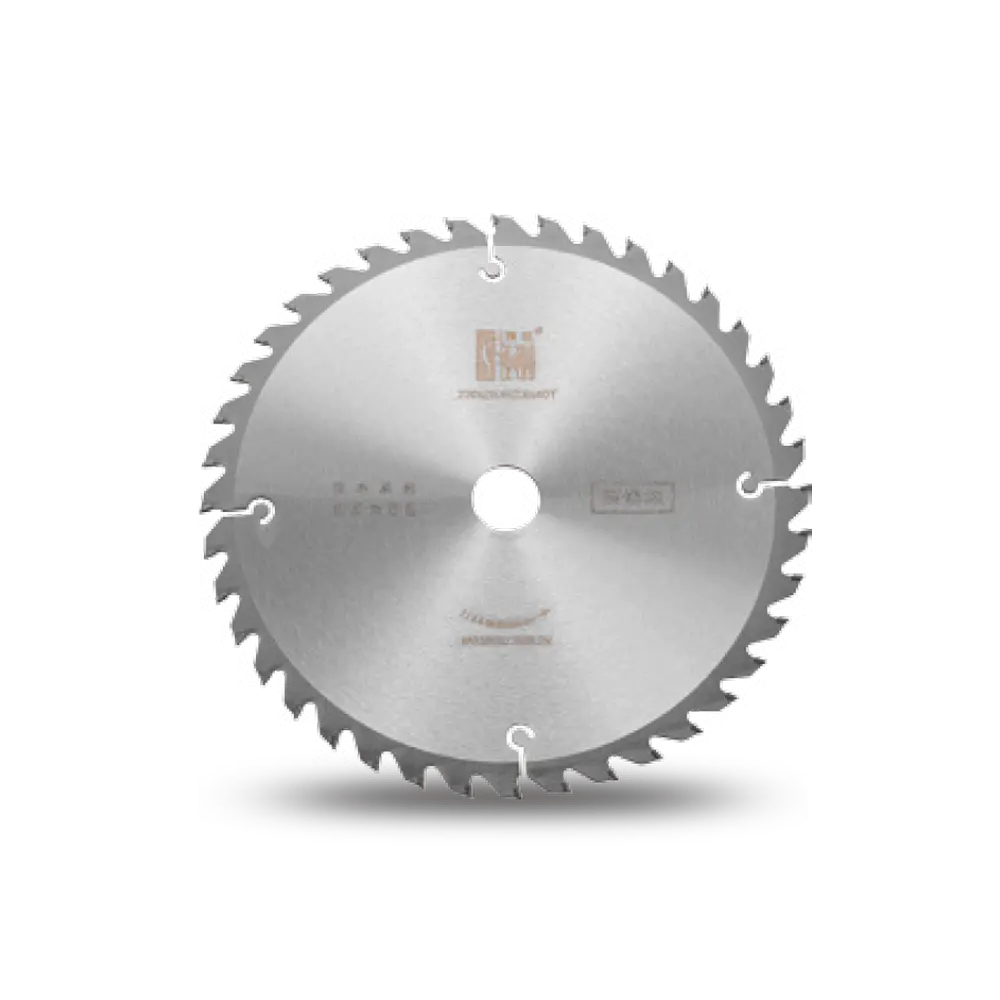
This makes blade selection genuinely more than a simple product comparison done by price tag. Buyers need to consider what they cut, how they cut it, how often the equipment actually operates, and how the blade will get maintained over its working life.
The TCT Circular Saw Blade for Wood category is commonly considered when buyers need a blade designed around woodworking applications specifically. Its usefulness depends on how well the product genuinely matches the intended task, rather than on the product name alone sitting on a catalog page.
Why Wood Type Matters When Choosing a Saw Blade
Wood type matters because different materials can place genuinely different demands on a cutting blade, even when they all fall under the general label of wood. Solid wood, processed boards, coated panels, and other wood-based products don't always respond to cutting in the same way once the blade actually makes contact.
Natural wood can vary in hardness, grain direction, moisture condition, and surface structure from one board to the next. A board with a simple grain may behave genuinely differently from one with changing grain directions running through it. Buyers who work with several wood types may therefore need a genuinely more flexible purchasing strategy than someone cutting the same material every day.
Processed wood products create another consideration worth thinking through. Some boards contain layers or surface coverings that can affect the cutting process in ways solid wood doesn't. The blade needs to work with the material actually in front of it, rather than simply getting selected according to the word wood printed on the label.
A useful purchasing conversation should include the actual materials used in the workshop day to day.
| Material Consideration | Why Buyers Should Consider It |
|---|---|
| Solid wood | Cutting behavior can vary with wood character |
| Wood panels | Surface layers may affect cutting |
| Laminated boards | The surface and inner material may differ |
| Repeated production work | Blade consistency becomes more important |
| Mixed materials | A broader selection strategy may be needed |
Buyers can also look at how frequently the material actually changes on their production floor. A workshop working with one familiar material may select a blade around that specific application without much fuss. A business handling many materials may prefer to discuss several suitable options with its supplier upfront.
The key question is genuinely simple to ask, even if the answer takes some thought: what material will the blade actually cut most often in daily operation?
That answer gives the rest of the purchasing process a genuinely clearer direction to follow.
What Cutting Tasks Buyers Should Consider
The cutting task should guide blade selection because different woodworking operations place genuinely different demands on the cutting process itself. Cutting a large board into rough sections isn't necessarily the same job as producing a clean finished edge for a visible surface.
Some woodworking operations focus on speed and repeated production above everything else. Others place genuinely greater attention on the appearance of the cut surface, since it's going straight into a finished product. A workshop producing furniture components may have genuinely different needs from a facility preparing rough wood for further processing down the line.
The size and shape of the workpiece also matter here. Large boards may require a genuinely different approach from smaller pieces run through the same machine. Straight cutting may create genuinely different requirements from repeated shaped work involving curves or angles.
Buyers should therefore describe the actual work in detail, instead of simply asking a supplier for a general-purpose blade and hoping for the best.
Questions worth discussing include several practical points.
- What type of wood is being cut?
- Is the work mainly rough cutting or finished cutting?
- Are the same materials processed repeatedly?
- Is the cut surface visible in the final product?
- Will the blade be used for occasional work or regular production?
- Does the equipment handle several types of cutting tasks?
These details can help suppliers recommend a product that genuinely fits the working situation described to them.
It also prevents a genuinely common purchasing problem seen across the industry. Buyers sometimes compare blades based on appearance or price alone, without considering what each blade was actually designed to do in the first place.
A lower purchase cost doesn't automatically mean a lower overall cost once the dust settles. If a blade doesn't suit the cutting task at hand, replacement, adjustment, or production interruptions may create genuinely additional work that outweighs any savings.
How Blade Structure Affects Woodworking Results
Blade structure affects how a saw interacts with wood, so buyers should examine the overall design, rather than focusing on one visible feature and calling it done. The arrangement of cutting elements, body design, and tooth pattern can all influence the way a blade behaves once it's actually cutting.
The cutting edge is the part that directly interacts with the material in front of it. Its shape and arrangement influence how wood actually gets removed during the cutting motion.
The main body also matters quite a bit here, beyond just the teeth. It needs to remain suitable for the equipment and the intended working conditions it'll be running under. A well-matched design can help maintain a genuinely more predictable cutting process across many cuts.
Different tooth arrangements can also be associated with different woodworking tasks depending on the job. Some are designed around cleaner cuts for visible surfaces, while others may be genuinely more appropriate for production work where the cutting process has genuinely different priorities altogether.
Buyers don't necessarily need to understand every manufacturing detail behind the blade. Instead, they should ask suppliers to explain how the blade design actually relates to the intended application in front of them.
A useful product discussion can focus on several points together.
- Wood material
- Cutting purpose
- Desired surface appearance
- Frequency of use
- Equipment type
- Expected maintenance routine
This keeps the purchasing process genuinely practical rather than theoretical.
The goal isn't selecting the blade with the most features listed on a spec sheet. It's identifying a design that genuinely makes sense for the actual work happening in that shop.
Does Equipment Compatibility Influence Blade Selection?
Equipment compatibility is genuinely essential because a suitable blade still needs to fit and operate correctly with the woodworking machine it's mounted on. Buyers should confirm compatibility before placing an order, rather than assuming that similar-looking blades can get used interchangeably across different machines.
Different machines can have genuinely different mounting arrangements and operating requirements built into their design. The blade needs to match the equipment in a way that genuinely supports safe and stable operation once it's spinning.
This is particularly important for businesses managing several machines across a larger floor. A blade that works with one machine may not automatically suit another sitting right next to it.
Equipment information should therefore become part of the purchasing conversation from the start.
Buyers can provide the supplier with information about the machine, its intended use, and the type of cutting being performed on it regularly. The supplier can then help determine whether the selected blade is genuinely appropriate for that setup.
Compatibility also affects production planning down the line.
If a business purchases a large quantity of blades without checking equipment requirements first, it may discover that the products can't get used as expected once they arrive. This creates genuinely unnecessary purchasing and storage problems that eat into the budget.
A simple compatibility check before ordering can prevent this kind of situation entirely.
The same principle applies when a workshop replaces older equipment with something new. The blade selection may need to get reviewed at the same time as the machine swap. Changes in machinery can affect which products are genuinely suitable for future production runs.
How Buyers Should Think About Cutting Quality
Cutting quality should get judged according to the finished product, rather than by a single feature of the blade viewed in isolation. Different woodworking businesses can have genuinely different ideas about what an acceptable cut actually looks like once it's done.
A furniture manufacturer may care genuinely a lot about a clean visible edge, since customers will see it. A construction material processor may have genuinely different priorities entirely, focused more on speed. A workshop preparing pieces for additional processing may not require the same surface appearance at all, since it'll get sanded or covered later.
This is why buyers should define the purpose of the cut before comparing products side by side.
A practical evaluation can include several aspects worth checking.
| Evaluation Area | Buyer Question |
|---|---|
| Edge appearance | Does the cut meet the product's visual needs? |
| Cutting consistency | Does the result remain reasonably consistent during regular work? |
| Material suitability | Does the blade fit the wood being processed? |
| Production needs | Does it suit the workshop's working rhythm? |
| Equipment fit | Can it be used with the intended machine? |
| Maintenance | Can the blade be managed conveniently after use? |
The desired result should also remain genuinely realistic given the material involved.
Wood is a natural material, after all, not a uniform synthetic. Grain direction, surface condition, and material composition can influence the finished cut regardless of blade quality. Buyers shouldn't expect a blade alone to eliminate every variation that comes from the wood itself.
Machine condition, workpiece preparation, operator habits, and blade maintenance all contribute to the final result together, not the blade in isolation.
This broader view can help buyers make genuinely more informed comparisons when evaluating options.
When Maintenance Becomes Important
Maintenance becomes genuinely important when a blade is used regularly, because cutting performance can change as the product gets exposed to repeated work over weeks and months. Dust, resin, material residue, and general wear can affect how a blade performs over time, even without any obvious damage.
Woodworking environments naturally produce a genuinely large amount of dust and debris throughout a working day. If residue builds up on the blade gradually, the cutting process may become genuinely less consistent without anyone noticing right away.
Regular inspection can help identify visible changes before they become genuinely larger production problems down the line.
The maintenance routine doesn't need to be complicated to be effective. Workers can check whether the blade is clean, whether the cutting edges appear worn, and whether the product remains suitable for the intended task at hand.
Storage also deserves genuine attention here, more than it usually gets.
A blade that's left in an unsuitable environment may get exposed to moisture, impact, or unnecessary contact with other tools sitting nearby. Proper storage can help protect the product between uses, extending its useful life.
For businesses, maintenance should also get included in production planning from the start. A blade isn't simply installed and forgotten about once it's mounted. Its condition can influence the cutting process throughout its entire working life on the machine.
A basic maintenance approach may include several habits worth building in.
- Cleaning the blade after appropriate use
- Checking the cutting edges for visible wear
- Keeping the product protected when not in use
- Reviewing cutting results during regular production
- Replacing or servicing the blade when its condition no longer matches the work
These habits can help workshops manage blade use genuinely more consistently across a whole team.
What Buyers Should Look for in a Saw Blade Supplier
Supplier selection should focus on product matching, communication, manufacturing capability, and service, rather than price alone as the deciding factor. A supplier that genuinely understands the buyer's application can make the selection process genuinely easier from the first conversation.
Woodworking businesses often have genuinely specific material and production requirements unique to their operation. A supplier should be able to discuss these requirements clearly and explain which product characteristics actually relate to the intended application in question.
Manufacturing consistency also matters a great deal for repeat orders placed over time. If a workshop relies on the same type of blade for regular production, changes between orders can create genuinely unnecessary adjustments on the shop floor.
Buyers can ask suppliers about their production process, quality checks, product customization, packaging, and after-sales support before committing. These questions are especially relevant for wholesale purchasing done at volume.
A supplier should also understand that different customers may need genuinely different blade configurations depending on their work.
For example, a furniture workshop, flooring producer, and woodworking distributor may all purchase blades for wood but use them in genuinely different ways day to day.
A supplier with experience across these applications may be genuinely better positioned to discuss suitable choices with each type of buyer.
Buyers should also stay careful with advertising claims that sound impressive but say little. Vague marketing language doesn't explain whether a product actually suits a particular cutting task in practice. Clear application information is genuinely more useful than a bold claim on packaging.
The most valuable supplier discussion is usually based on practical details exchanged directly.
What are you cutting? How are you cutting it? What machine are you using? What result do you need at the end?
Those questions provide a genuinely stronger foundation for purchasing than general product claims ever could.
How Buyers Can Build a Practical Blade Selection Process
A practical selection process starts with the application and moves toward product details, rather than beginning with a blade model and trying to find a use for it afterward. This approach can make purchasing genuinely clearer for both small workshops and larger woodworking operations alike.
A simple process can follow this general path: wood type, then cutting task, then equipment, then desired result, then blade structure, then maintenance, then supplier.
The material should get identified before the product gets selected. The cutting task should then get defined clearly. Equipment compatibility comes next in the sequence, because even a suitable design must genuinely work with the intended machine it's mounted on.
The desired cutting result helps narrow the options further along the way.
After that, buyers can discuss blade structure with the supplier directly. This is where product details become genuinely meaningful, because they're connected to a real application rather than a hypothetical one.
Maintenance should also get considered before ordering, not after the blades arrive. A product that fits the production process but is genuinely difficult to manage may create additional work for the workshop down the line.
Finally, supplier support becomes part of the decision as well. Buyers who expect regular orders may benefit from discussing production consistency, customization needs, packaging, and communication before entering a longer purchasing relationship together.
For buyers comparing woodworking saw blades, a TCT Circular Saw Blade for Wood should therefore get viewed as part of a wider cutting solution, rather than as an isolated product sitting on a shelf. The right purchasing decision comes from matching the blade with the wood, cutting task, equipment, working environment, and production expectations, all considered together rather than one at a time.
keep in touch
-
We are committed to providing durable, reliable, and efficient cutting solutions for global B2B clients and partners.
-
Useful Links
Home Products About Us Manufacturing Custom Service News Contact Us -
Contact Us
+86-579-89270208
+86-579-89270636ch001@changhengsaws.comNo. 102, Huacheng East Road, Chengxi Industrial Zone, Yongkang, Zhejiang, China -
Mobile Web
