


 Industry News
What Affects Tungsten Carbide Tipped Circular Saw Blade Performance
One Source for Every Cutting Blade Need
A furniture maker cutting oak for a tabletop and a construction crew cutting plywood for subflooring are both using a "wood cutting blade," but they're really facing two completely different jobs. Blade performance comes down to the material being cut, the specific cutting task, how the blade's actually built, the condition of the machine running it, and how the operator uses it day to day. All of these factors interact with each other, which is exactly why a blade that performs beautifully on one job can behave quite differently on another, even though it's technically the same product.
Wood processing itself spans a huge range of materials and applications. Softwood, hardwood, panels, laminated boards, and various other wood-based materials each put different demands on a blade, and what counts as a good result varies just as much — some projects care mainly about a clean, presentable surface, while others are really just about removing material efficiently and moving on.
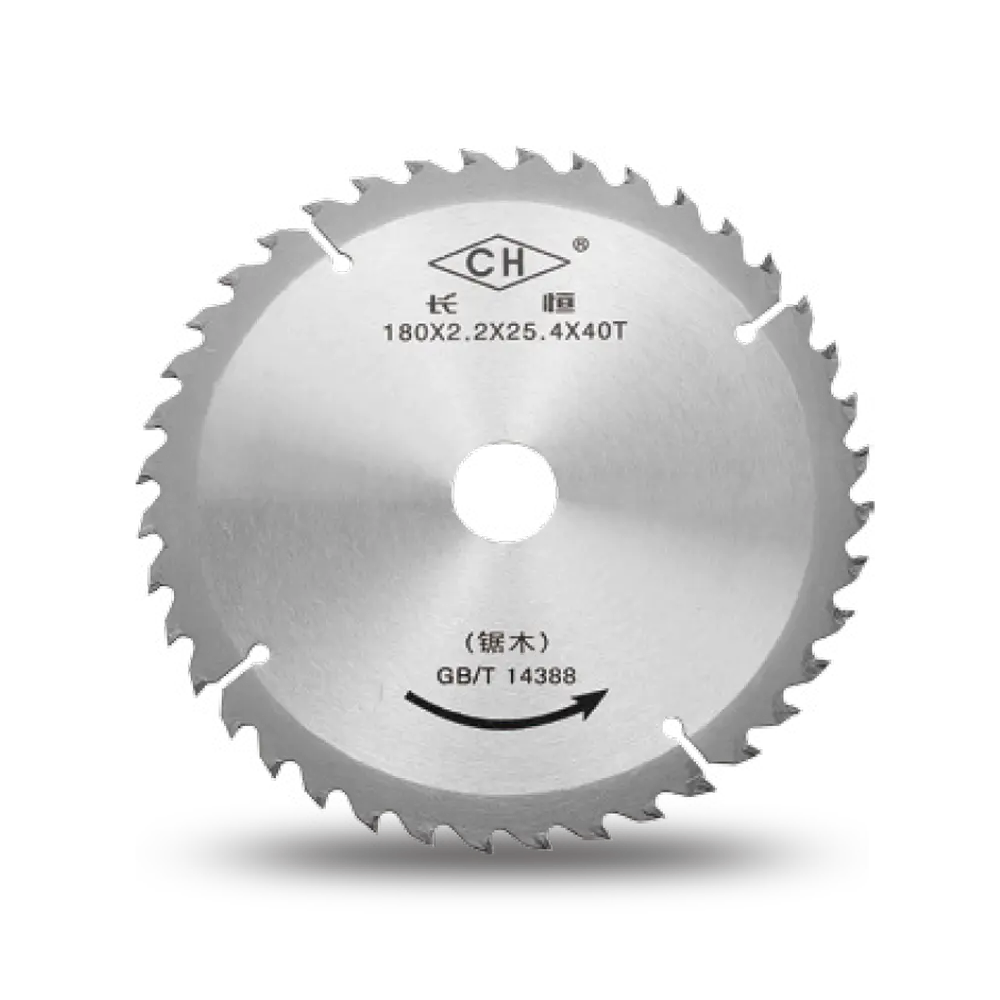
The blade is only one part of that whole cutting process. The machine, the workpiece itself, the operator's habits, and the maintenance routine all shape the final result just as much as the blade does. Getting a handle on how these pieces relate to each other helps both buyers and manufacturers make choices that actually hold up on the shop floor.
For the woodworking industry, this has turned blade selection into much more of an application-focused decision. Instead of picking based on a product name alone, users are increasingly thinking through how a blade actually matches the material, the equipment, and the specific cutting task at hand.
Why Wood Type Changes How a Blade Performs
Wood type shapes blade performance because different materials simply respond differently once the blade actually hits them. Density, internal structure, surface condition, and overall composition all change how the blade interacts with whatever's being cut.
Softwood behaves quite differently from hardwood at the saw. A dense material creates a noticeably different cutting experience than a softer one, and wood with an irregular internal grain structure — knots, uneven grain patterns — can throw off cutting conditions in ways that smoother, more uniform stock doesn't.
Wood-based panels bring their own set of considerations into play. Products made from compressed or layered wood carry different surface and internal characteristics than natural timber, so their cutting behavior tends to differ quite a bit from solid wood.
Moisture plays a role too. Wood is a natural material, and its moisture content genuinely affects how smoothly a cut goes — a piece that's still a bit damp cuts differently than one that's been properly dried.
| Wood Material | Possible Cutting Consideration |
|---|---|
| Softwood | Smooth material removal and stable cutting |
| Hardwood | More attention needed for cutting resistance |
| Laminated wood | Surface quality and edge appearance |
| Wood panels | Material composition and cutting consistency |
| Mixed wood products | Matching the blade to the specific material structure |
A TCT Wood Cutting Blade gets picked often for woodworking jobs where a durable cutting edge matters, but the right specific choice still comes down to the actual material and cutting task in front of the operator. There isn't one universal cutting condition that applies across every wood product out there — material selection needs to be part of the blade selection conversation from the start, not an afterthought.
How the Cutting Task Changes What a Blade Needs to Do
The cutting task itself reshapes blade requirements because different jobs prioritize different things. A rough cut done just to prep material for later work isn't judged the same way as a finishing cut where the visible edge is going to matter to a customer.
Some woodworking jobs are really just about speed and clearing material fast. Others are chasing a clean, presentable appearance. And plenty of shops are processing the exact same material over and over as part of a regular production run, where consistency matters more than either speed or finish alone.
The direction of the cut matters too — cross-cutting across the grain carries different expectations than ripping along the length of a board. The shape of the workpiece plays in as well. Flat boards, narrow strips, large panels, and irregularly shaped pieces all create different working conditions for a blade to deal with.
So users really need to nail down the intended task before picking a blade. Asking what material's being cut is useful, sure, but asking what the cut actually needs to accomplish matters just as much. A furniture shop producing cabinet components probably cares a lot about edge appearance, since that edge might be visible in the finished piece. A construction crew prepping framing lumber is usually more focused on straightforward, practical material prep and less concerned with how pretty the cut edge looks.
That distinction helps buyers compare products based on their actual application, rather than leaning on vague, general product descriptions that don't say much either way.
How Blade Structure Shapes the Cutting Result
Blade structure shapes the result because how the cutting components are arranged and shaped determines how the blade actually interacts with the material. A blade is designed as one complete cutting tool, and changing any part of its structure can shift how it behaves in use.
The blade body forms the foundation everything else sits on. The cutting edges make direct contact with the wood, while the gaps between them help clear material away from the cutting zone as the blade spins through the workpiece.
How those cutting edges are arranged affects the appearance of the finished cut directly. Different woodworking jobs often call for different cutting patterns depending on what result the operator's actually after. The overall shape of the blade matters too — it needs to stay stable while moving through the workpiece without wobbling or flexing unexpectedly.
For a Tungsten Carbide Tipped Circular Saw Blade, the cutting material itself is a core part of what it is. Tungsten carbide tipped designs show up a lot in woodworking and other cutting applications where a durable edge is genuinely needed to hold up over repeated use.
But the cutting material alone doesn't determine the final result on its own. The relationship between the blade body, the cutting edges, the machine, and the workpiece all stays relevant. That's why manufacturers really need to think through the complete blade structure as a whole, rather than fixating on one feature — like the tip material — in isolation from everything else.
Why Blade Condition Matters Once Cutting Starts
Blade condition matters because wear gradually changes how a saw interacts with wood over time. A blade that's been run through hundreds of cuts doesn't behave the same way it did fresh out of the box, even if nothing looks obviously wrong with it.
Signs that a blade's condition is shifting can include rougher-looking cuts, the machine seeming to work harder than it should, or visible changes in the appearance of the cut edge. These changes don't always trace back to the blade alone, though — users need to look at the whole cutting setup, not just assume the blade's automatically at fault.
Wood residue and pitch can build up on a blade during use too. If it isn't cleaned regularly, the cutting process tends to get less consistent over time, with the buildup itself affecting how cleanly the blade moves through material.
Regular inspection helps catch these changes before they turn into a bigger problem. The cutting edges, the blade body, and surrounding components can all get checked as part of routine equipment care, rather than waiting until something obviously goes wrong.
Maintenance practices should match the specific product and application — following whatever care instructions came with a particular blade tends to work a lot better than applying the same generic routine across every blade in the shop. For businesses running Wood Cutting Saw Blade Discs regularly, maintenance naturally becomes part of production planning too. Keeping suitable replacement blades on hand helps avoid unplanned downtime when a blade finally needs attention or replacement.
Blade condition, in the end, stays closely tied to everyday operating habits on the shop floor.
How Machine Condition Affects Cutting Performance
Machine condition matters because even a well-chosen blade still depends on stable equipment to actually perform the way it's supposed to. A blade can't compensate for problems sitting elsewhere in the machine or the setup around it.
The blade has to be installed correctly and held securely in place. If the installation isn't right, the cutting experience shifts noticeably even when the blade itself is genuinely well-suited to the material being cut.
The machine also needs to provide a stable working environment overall. Unusual vibration, poor alignment, or other equipment issues affect both the appearance of the cut and the general experience of running the machine. The workpiece needs to be held securely too — any movement during the cut makes the whole operation less consistent and can mess up the finished edge.
| Operating Factor | Why It Matters |
|---|---|
| Blade installation | Supports stable, consistent cutting |
| Machine condition | Shapes overall operation quality |
| Workpiece support | Helps keep cutting consistent |
| Blade condition | Affects the actual cutting experience |
| Material preparation | Reduces unexpected changes mid-cut |
These factors show pretty clearly why blade selection shouldn't get separated from machine selection and maintenance. A genuinely suitable Tungsten Carbide Tipped Circular Saw Blade can still turn out an unsatisfactory result if the equipment around it hasn't been properly prepared and maintained.
How the Usage Scenario Shapes Blade Selection
The usage scenario shapes blade selection because different working environments carry different priorities. A small woodworking shop uses a blade quite differently than a larger production operation running the same type of cut all day.
In a small shop, the same saw often gets used across several different types of wood in a single day. Flexibility matters a lot here — the operator needs a blade that handles a range of common tasks reasonably well, rather than one built narrowly around a single material.
A production environment looks different. The same material and cutting task tend to repeat over and over, so consistency and predictable behavior across thousands of cuts become the priority instead.
On-site woodworking creates its own set of conditions too. Transport, setup, whatever equipment's actually available on site, and changing material types all shape how a blade gets used in practice.
Furniture production usually cares a lot about the appearance of the finished edge. Construction-related cutting tends to focus more on practical, no-frills material prep.
| Usage Scenario | Common Design Consideration |
|---|---|
| Small workshop | Flexible use across different wood types |
| Furniture production | Clean, consistent edges |
| Panel processing | Material and surface condition |
| Construction work | Practical, adaptable cutting |
| Repeated production | Consistent behavior over many cuts |
This is exactly why buyers get better results describing their actual application when talking with suppliers. A vague request like "wood cutting blade" doesn't give a supplier much to work with. Sharing details about the material, the machine, the cutting task, and the expected result makes the whole selection conversation a lot more focused and productive.
What Role Cutting Quality Plays in Woodworking
Cutting quality matters because the finished edge affects the appearance, later assembly, and further processing of a wood product. A clean cut cuts down on extra finishing work needed afterward, in plenty of applications.
Furniture production is one area where edge appearance really matters. Components often get joined together, coated with finish, or placed right next to other visible surfaces, so a rough or splintered edge shows up in the finished piece.
For panel processing, the cut edge condition shapes how the finished material looks too. If the application involves any decorative surface, users tend to pay a lot closer attention to visible cutting marks or uneven edges that would otherwise show through.
Not every job needs the same level of finish, though. A hidden structural cut buried inside a wall assembly has very different requirements than a visible furniture component sitting on a showroom floor. The blade should get selected based on what result the job actually calls for, rather than assuming every cut needs the same standard of finish.
A TCT Wood Cutting Blade suits a range of woodworking applications, but the specific design still needs to match the intended material and cutting task. This kind of application-based thinking helps avoid picking a product just because it sounds generically suitable for "wood processing" without digging into the actual details.
How to Improve the Working Experience With Wood Cutting Saw Blade Discs
Users improve their working experience by matching the blade to the material, keeping the equipment maintained, and using the blade the way it's actually meant to be used. Small changes in preparation genuinely affect how consistently the whole cutting process runs.
The workpiece should be properly prepared before cutting starts. Loose material, unstable positioning, or unexpected variation in the wood itself can all throw off the process.
The blade deserves a quick check before use too — looking for visible damage, buildup, or other signs that might affect normal operation before it becomes a bigger problem mid-cut.
Installation deserves real attention as well. The blade needs to actually be compatible with the machine and installed following the manufacturer's instructions, not just forced into place.
Cleaning and storage affect product condition over time too. Keeping the blade somewhere reasonably clean and protected cuts down on unnecessary exposure to contamination or physical damage between uses.
For businesses running Wood Cutting Saw Blade Discs regularly, setting up a simple inspection routine pays off. Workers learn to recognize changes in cutting behavior early and flag them before the issue turns into a bigger problem on a larger production run. Good usage habits don't replace picking the right product in the first place — they work alongside it.
How Manufacturers Are Responding to Changing Woodworking Needs
Manufacturers are responding to shifting woodworking needs by building cutting products around specific materials, applications, and production situations, rather than trying to sell one generic solution for every possible cutting task. The market's clearly moving toward more application-specific product choices.
A blade manufacturer weighs wood type, cutting direction, expected edge appearance, machine compatibility, and how often the blade will actually get used during product development. The growing variety of wood-based materials on the market adds new design considerations too — furniture manufacturers, panel processors, and woodworking shops are all working with materials that carry different surface and internal characteristics from each other.
Suppliers really need to understand how their products are actually going to get used in the field. Buyers who share information about their intended application give manufacturers a much better basis for recommending an appropriate product category, rather than guessing.
The relationship between product development and actual real-world use keeps growing more important. A Tungsten Carbide Tipped Circular Saw Blade isn't just a standalone product sitting on a shelf — its working performance depends entirely on how the blade, the material, the machine, and the user all interact together.
For businesses sourcing cutting products, keeping this broader picture in mind makes conversations with suppliers a lot more productive. It also helps manufacturers develop products that genuinely fit real woodworking conditions on the shop floor, rather than just chasing general market expectations from a distance.
keep in touch
-
We are committed to providing durable, reliable, and efficient cutting solutions for global B2B clients and partners.
-
Useful Links
Home Products About Us Manufacturing Custom Service News Contact Us -
Contact Us
+86-579-89270208
+86-579-89270636ch001@changhengsaws.comNo. 102, Huacheng East Road, Chengxi Industrial Zone, Yongkang, Zhejiang, China -
Mobile Web
