


 Industry News
How Do Tungsten Carbide Saw Blades Support Precision Cutting
One Source for Every Cutting Blade Need
Precision cutting begins with a stable cutting process from the very first pass. The saw blade has direct contact with the material, so its design can influence how smoothly the cut develops and how the finished edge actually looks once it's done.
Woodworking often involves a lot more than simply separating one piece from another on a bench. The cut may become part of a visible surface, a joint, a furniture component, or a later assembly step down the line. A rough or uneven edge can create extra work during production that nobody budgeted for.
This is one reason a Tungsten Carbide Tipped Circular Saw Blade gets considered for applications where cutting consistency genuinely matters. The cutting edge is designed to work with the saw and material as part of one connected system, not three separate variables.
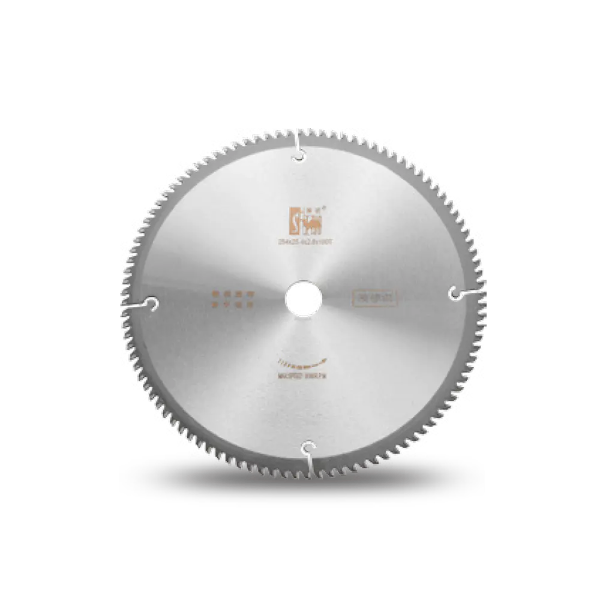
A suitable blade should also match the way the material gets processed on the floor. Solid wood, boards, panels, and other wood-based products can behave quite differently during cutting. Their surface structure and internal composition may affect the cutting experience in ways that aren't always obvious at first glance.
The machine itself is also part of the picture here, not an afterthought. A blade doesn't work independently of everything around it. The condition of the saw, the way material is supported, and the movement of the cutting process can all influence the final result together.
For woodworking businesses, blade selection is therefore connected with both product quality and workflow on the shop floor. A suitable choice can help create a more predictable cutting process without adding unnecessary complexity to an already busy day.
How Does Cutting Stability Affect the Final Result?
Cutting stability is closely linked with edge quality in a fairly direct way. When a blade moves through material in a controlled fashion, the cutting path can remain a lot more consistent from one part of the workpiece to another.
Unstable cutting can create visible changes along the edge that show up right away. The surface may become less even, and additional finishing work may be needed before the component can move to the next stage of production.
Blade shape and overall construction can influence how the cutting process actually feels under the operator's hands. A well-matched blade should work with the saw, rather than fight against it every pass.
Material support also matters quite a bit here. Even a suitable blade may produce inconsistent results when the workpiece shifts during cutting. Good preparation therefore includes both blade selection and proper material handling working together.
For a TCT Circular Saw Blade for Wood, the relationship between the blade and the wood product is especially important to get right. Different woodworking tasks may require genuinely different cutting characteristics from one job to the next.
A blade used for general panel cutting may not get selected in the same way as one intended for visible furniture surfaces. The desired edge, material type, and cutting direction all influence the choice made on the floor.
Operators can also notice stability through the sound and feel of the cutting process itself. Sudden changes may indicate that the blade, machine, or material setup needs attention before the next batch goes through.
This practical feedback remains genuinely useful in production environments day after day. It helps teams identify problems before they turn into repeated quality issues down the road.
What Role Does Edge Quality Play in Woodworking?
Edge quality is one of the clearest signs of a suitable cutting process, and workers notice it fast. A clean edge can reduce the amount of additional work needed after sawing wraps up.
In furniture production, this can be especially important to the finished piece. Cut edges may get joined to another component, covered with a surface material, or left visible as part of the finished design entirely.
A TCT Saw Blade for Wood can get selected according to the expected appearance and use of the cut in question. The goal isn't simply removing material as fast as possible, but producing an edge that fits the next manufacturing step smoothly.
Different woodworking materials can also place different demands on the blade itself. Natural wood may behave differently from engineered boards or coated panels sitting on the same cart. Surface layers can create another consideration when the cut needs to remain visually clean throughout.
Blade condition matters just as much here. Even a suitable design can produce poorer results once the cutting edge becomes worn or damaged from repeated use.
Regular inspection can help operators notice changes in cut appearance before they snowball. A gradual decline in edge quality may be a lot easier to manage when it gets identified early on.
The cutting environment should also remain clean and organized around the machine. Dust and material buildup can affect visibility and handling, making it harder to maintain a consistent process shift after shift.
For buyers, edge quality should therefore get discussed in relation to the actual product being manufactured, not in the abstract. A blade that produces a suitable result for one material may not provide the same experience with another material entirely.
How Does Blade Design Support Different Cutting Needs?
Blade design includes several elements that work together during cutting, not one feature carrying the whole load. The shape of the blade, the arrangement of its cutting edges, and the way it interacts with the machine can all affect the process at once.
The cutting edge is especially important here, since it makes direct contact with the material on every pass. Its shape can influence how the material gets removed and how the resulting surface appears once the cut's done.
The overall blade body also needs to work with the cutting task at hand. A stable body can help maintain a consistent path while the blade moves through the workpiece from start to finish.
The arrangement of cutting points can influence how the blade handles different woodworking tasks thrown at it. Some applications may place greater importance on a clean surface, while others may focus on efficient material separation instead.
This means there's no single blade design that fits every woodworking situation out there. Furniture production, panel processing, cabinet work, and general carpentry can have genuinely different requirements from each other.
TCT Saw Blade Manufacturers may offer different designs to suit these varied applications across their catalog. Buyers should focus on the actual cutting task, instead of choosing a product based only on its general appearance on a shelf.
It also helps to consider how the blade will interact with the machine it's paired with. A blade needs to fit the intended equipment and operate in a suitable working environment day to day. Blade design should therefore get viewed as a complete system, not a single component. The cutting edge, blade body, machine, material, and production process all play a role in the final result together.
Why Is Tungsten Carbide Used for Saw Blade Cutting Edges?
The cutting edge is exposed to repeated contact with the workpiece over thousands of cuts. For this reason, the material used for the cutting portion of a saw blade is a genuinely important part of product design.
Tungsten carbide is commonly used for cutting edges, since it provides a hard and durable surface for repeated woodworking operations without wearing down fast. This makes it suitable for blades that need to maintain their cutting function during regular daily use.
The benefit isn't limited to service life alone, though that matters too. The condition of the cutting edge can also influence the appearance of the finished cut in real time.
When the edge remains in suitable condition, the cutting process can stay a lot more consistent pass after pass. When it becomes worn, the operator may notice changes in the cut or need to spend more time on finishing work afterward.
A Tungsten Carbide Tipped Circular Saw Blade combines this cutting-edge material with a circular blade structure built around it. The design is intended to support controlled cutting while working with the surrounding machine and material together.
This doesn't mean every carbide-tipped blade is suitable for every application out there. The actual blade design still needs to match the material and intended use on the floor.
Buyers should therefore avoid evaluating the carbide material alone, in isolation from everything else. The cutting edge is one part of a larger product, and its value depends on how the entire blade gets designed as a whole. This broader view can help woodworking businesses make genuinely more practical purchasing decisions.
How Should Woodworking Requirements Influence Blade Selection?
Woodworking covers many different processes under one roof sometimes. A small workshop, furniture producer, cabinet manufacturer, and panel processor may all use circular saws but have very different cutting priorities driving their choices.
The material is a good starting point for narrowing things down. Buyers should identify whether the blade will mainly get used with natural wood, wood-based panels, coated boards, or a mixture of materials across different jobs.
The desired edge is another consideration worth thinking through. If the cut will remain visible in the finished piece, surface appearance may receive more attention during selection. If the cut will become part of a hidden joint instead, other factors may carry more weight in the decision.
The direction of cutting can also influence the selection process. Some tasks require cutting across the natural structure of wood, while others follow its length instead. The blade needs to suit the intended movement through the material at hand.
Production style matters as well here. A workshop with varied jobs may need a versatile blade that handles a bit of everything, while a specialized production line may prefer a blade designed around one particular material or process.
A simple purchasing checklist can make these decisions a lot clearer before placing an order.
| Selection Area | Question to Consider |
|---|---|
| Material | What type of wood product will be cut? |
| Cut appearance | Will the edge remain visible? |
| Cutting direction | How will the blade move through the material? |
| Machine use | What type of saw will be used? |
| Production needs | Is the work varied or highly specialized? |
| Blade condition | How will cutting performance be checked? |
| Replacement | How easily can the blade be inspected or replaced? |
| Application changes | May the material or cutting task change later? |
This approach gives buyers a genuinely more useful basis for comparing products side by side. It also helps manufacturers understand the actual application, instead of receiving only a general request for a wood saw blade off a form.
For businesses sourcing a TCT Saw Blade for Wood, application information can make supplier communication a lot more productive from the first call. The supplier can then focus on blade designs that relate to the buyer's actual working conditions on the ground.
What Should Buyers Look for When Working With Saw Blade Manufacturers?
Communication between buyers and manufacturers can genuinely influence the success of a blade selection before anything ships. A clear description of the application gives the manufacturer useful information before a product ever gets chosen.
Buyers can explain the material, cutting purpose, desired edge appearance, machine type, and general production environment they're working in. Photos or simple drawings can also help when the cutting application is difficult to describe with words alone.
TCT Saw Blade Manufacturers may handle many types of woodworking applications across their client base. Their experience can prove genuinely useful when buyers provide enough information about the intended use upfront.
It's also important to discuss how the blade will get used after delivery arrives at the shop. A product may be suitable for a particular material but still require proper installation, inspection, and maintenance to perform as expected.
Purchasing teams should consider consistency as well in their planning. When blades get used repeatedly in production, stable product quality can make daily operations a lot easier to manage across a shift.
Replacement planning is another practical issue worth sorting out early. A factory may need to keep suitable blades available, so a worn product doesn't interrupt normal production halfway through a run.
Clear communication can also help when custom blade requirements are involved in a project. Instead of requesting a product only by size or name off a catalog, buyers can describe the cutting result they actually want to achieve.
This creates a genuinely more useful conversation between the manufacturer and the purchasing team involved. The focus moves from selling a generic blade toward understanding the actual woodworking task at hand.
How Can Blade Use Fit Modern Woodworking Production?
Modern woodworking depends on smooth movement between different production stages, one flowing into the next. Cutting is often connected with shaping, surface treatment, assembly, and finishing down the line.
A circular saw blade therefore has a role that extends beyond the cutting machine itself. Its performance can influence what happens after the cut is made and the piece moves on.
When edges are consistent, the next production step may be a lot easier to manage without extra fuss. When cut surfaces vary instead, workers may need additional checking or finishing before the component can move forward on the line.
This makes blade selection genuinely relevant to workflow planning across a facility. A woodworking company can consider not only the immediate cutting action, but also how the resulting edge fits the rest of the process downstream.
The same thinking applies across different production scales, big or small. A small furniture workshop may value easy handling and flexible use above all, while a larger operation may focus more on repeatable results across many workpieces at once.
A TCT Circular Saw Blade for Wood can fit into these different environments when its design matches the application it's put to. The important point stays that the blade should get selected around the material, machine, and intended cutting result together, not chosen in isolation.
Blade inspection also becomes part of routine production once a shop settles into a rhythm. Operators can watch for changes in edge appearance, cutting behavior, and general blade condition as the weeks go by.
Such observations can help identify when a blade no longer fits the needs of the process at hand. They can also provide genuinely useful information for future purchasing decisions down the road. As woodworking continues to place attention on cleaner production flow and consistent finished components, circular saw blade selection remains closely connected with the practical details of everyday manufacturing on the floor. The cutting edge may be small, but its interaction with wood, machinery, operators, and later production stages can shape the overall working experience from start to finish.
keep in touch
-
We are committed to providing durable, reliable, and efficient cutting solutions for global B2B clients and partners.
-
Useful Links
Home Products About Us Manufacturing Custom Service News Contact Us -
Contact Us
+86-579-89270208
+86-579-89270636ch001@changhengsaws.comNo. 102, Huacheng East Road, Chengxi Industrial Zone, Yongkang, Zhejiang, China -
Mobile Web
