



How Does TCT Circular Saw Blade for Wood Fit Automation
One Source for Every Cutting Blade Need
Woodworking is becoming more organized around automated equipment, the kind of setup where a single operator can oversee an entire cutting line instead of standing at one saw all day. A cutting line may handle repeated board processing, move materials between workstations, and continue working through a planned production sequence with far less manual adjustment than a decade ago.
This change also affects the saw blade sitting at the center of it all. A blade used in automated woodworking isn't simply a cutting accessory placed onto a machine and forgotten. Its shape, tooth arrangement, material selection, and production consistency all need to fit the way modern equipment handles repeated cutting tasks hour after hour. For TCT Saw Blade Manufacturers, this creates a genuinely different product development focus. Instead of designing around occasional manual cutting alone, manufacturers need to consider how a blade behaves when it becomes part of a continuous production process running for a full shift.
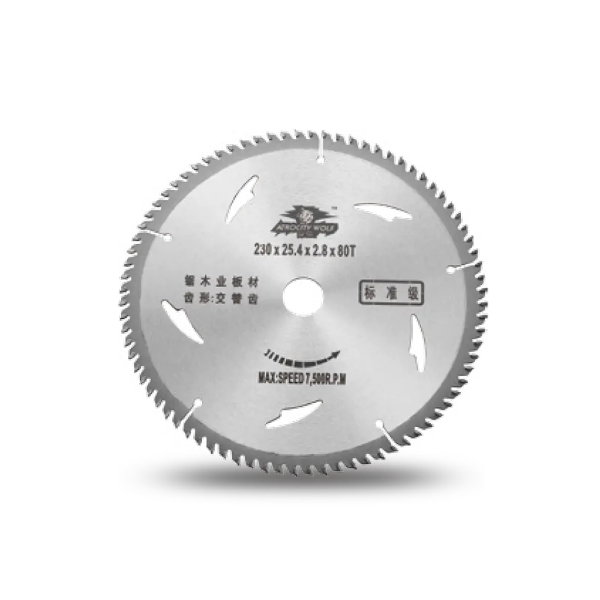
The growing use of automation also changes what wood processors expect from cutting tools they buy. They may pay closer attention to cut consistency, predictable operation, production scheduling, and how easily blades can fit into different processing routines across a plant. A TCT Circular Saw Blade for Wood is therefore increasingly considered as part of the wider production system rather than a standalone purchase. Its role is connected with the machine, material flow, cutting frequency, and the way finished boards move through the production line toward packaging.
Why Does Automated Woodworking Change Saw Blade Requirements?
Manual woodworking allows an operator to respond directly to the material and cutting condition in front of them, adjusting on the fly when a board feels off. Automated equipment follows a planned process instead, so the cutting tool becomes one part of a much more structured sequence that doesn't pause for judgment calls.
This changes the way a blade gets used throughout a shift. Instead of making a small number of individual cuts spread across a day, the same blade may participate in repeated processing as boards or panels move through the machine one after another. The surrounding production process can create several areas of attention worth reviewing carefully.
| Automated Production Factor | Saw Blade Consideration |
|---|---|
| Repeated cutting | Consistent tooth interaction |
| Continuous processing | Stable cutting behavior |
| Material movement | Suitable cutting path |
| Batch production | Similar results across repeated work |
| Machine coordination | Blade design suited to the equipment |
| Production scheduling | Predictable tool use |
For TCT Saw Blade Manufacturers, these conditions can influence how products get developed from the design stage onward. The blade needs to fit a process where repeated actions are expected, rather than treated as separate manual operations handled one at a time. This doesn't mean every automated line requires the same blade off the shelf. Different woodworking applications involve different materials, board structures, cutting patterns, and machine arrangements that vary from one factory floor to the next. The important change is that blade design is increasingly considered in relation to the production process itself, not as an accessory bolted on afterward.
How Does Batch Processing Influence TCT Saw Blade Design?
Batch processing creates a clear rhythm on a factory floor, almost like a heartbeat running through the shift. A production line may process a group of similar boards before changing to another product or material arrangement entirely.
This makes consistency important, because the cutting tool is being used repeatedly within the same production task without a break to reassess. If the cutting result changes noticeably during a batch, it can affect the work that follows down the line, sometimes without anyone noticing until inspection. A TCT Saw Blade for Wood may therefore be developed with repeated processing in mind from the start. Tooth arrangement, body construction, and overall manufacturing consistency can all influence how the blade fits a batch-oriented workflow running for hours.
The focus isn't simply cutting one board successfully and calling it done. The manufacturer needs to consider how the product behaves across many similar cutting operations stacked back to back. For example, a woodworking factory may process furniture panels in one production period and then switch to another board format entirely later that day. The blade may need to work within a planned cutting routine without forcing frequent changes to the production arrangement mid-shift.
This creates a closer connection between blade selection and batch planning than existed in a purely manual shop.
| Production Pattern | Product Development Focus |
|---|---|
| Repeated board cutting | Consistent cutting behavior |
| Mixed batch processing | Flexible application planning |
| Frequent product changes | Practical blade changeover |
| Long production runs | Stable use throughout the process |
| Short production runs | Simple integration into different tasks |
For manufacturers, understanding these patterns can help shape products around actual factory workflows, rather than designing blades in isolation from how they'll actually get used.
What Role Does Cut Consistency Play in Automated Woodworking?
Automated equipment is designed to repeat planned actions over and over without deviation. When the machine follows the same cutting path repeatedly through a shift, the cutting tool becomes an important part of maintaining similar results from one workpiece to another.
Cut consistency doesn't mean that every woodworking application looks identical on paper. Different materials and machine settings can produce genuinely different results depending on what's being cut. The point is that the blade should behave in a predictable way within the intended application it was designed for. A Tungsten Carbide Tipped Circular Saw Blade can be developed around this repeated-use environment specifically. The relationship between the blade body, tooth arrangement, and woodworking material can influence the consistency of the cutting process across hundreds of boards.
Manufacturers may examine several areas during product development worth walking through in sequence.
- Tooth arrangement
- Tooth shape
- Blade body construction
- Material selection
- Manufacturing consistency
- Edge finishing
- Balance within the intended application
These details become a lot more noticeable when a blade is used repeatedly rather than occasionally. A small difference that may have little effect during occasional cutting can become more important when the same operation is repeated throughout a production batch running all day. Automated woodworking also makes consistency easier to observe from the outside. When machines perform similar operations again and again, differences between workpieces can be linked more clearly to individual parts of the process, rather than dismissed as random variation.
This gives TCT Saw Blade Manufacturers another reason to pay attention to repeatability during production runs. The blade is no longer viewed only as a replaceable cutting item tossed in a drawer. It becomes part of the process that helps a woodworking line produce a series of similar parts, shift after shift.
How Are TCT Saw Blade Manufacturers Adjusting Production for Automated Applications?
The move toward automated woodworking affects manufacturers themselves, not just the customers buying their blades. Product development is only one part of the change happening across the industry. Production planning, inspection, and product grouping may also need to reflect how customers use blades on automated equipment day to day.
A manufacturer may produce different blade designs for different woodworking tasks rather than one generic option. These products can be organized around material type, cutting purpose, machine arrangement, or production style depending on the customer base. This requires a clear connection between product design and manufacturing processes on the factory floor. For instance, a blade intended for repeated panel processing may be developed quite differently from one intended for occasional workshop cutting in a small shop. The difference doesn't necessarily come from one single feature. It can involve the complete combination of tooth arrangement, body construction, and intended application working together.
Manufacturers can also pay attention to consistency between production batches shipped to the same customer. When a customer uses similar blades within an automated workflow, noticeable differences between batches can make production planning a lot more difficult on their end.
| Manufacturing Area | Automated Application Concern |
|---|---|
| Product design | Matching repeated cutting tasks |
| Material preparation | Maintaining product consistency |
| Tooth production | Supporting repeatable cutting behavior |
| Assembly | Keeping components properly positioned |
| Inspection | Checking important product features |
| Product grouping | Matching blades with intended applications |
This broader approach allows manufacturers to respond to automation without simply adding more product variations to an already crowded catalog. The goal is understanding what automated woodworking actually changes in real use, then reflecting those changes in product development and production planning rather than guessing.
Why Does Continuous Production Put More Attention on Blade Design?
Continuous production creates a genuinely different working rhythm from occasional cutting done in short bursts. The machine may continue processing material as part of a larger workflow, which means interruptions can affect a lot more than the cutting station itself.
The blade therefore becomes part of a chain of activities stretching across the whole line. Material enters the process, cutting takes place, and the processed material continues toward another operation waiting further down. A TCT Circular Saw Blade for Wood used in this setting needs to fit the rhythm of the line it's installed on. Its intended cutting behavior should match the material flow and the type of repeated work being performed hour after hour.
This doesn't mean the blade itself controls production speed on its own. The overall production result depends on the machine, material handling, cutting plan, operators, and many other factors working together. The blade contributes by performing its intended cutting role within that larger system rather than dictating the pace alone. For manufacturers, this can influence how products get tested and described to customers. Instead of discussing the blade only as an individual tool sitting on a shelf, they can consider the application in which it will actually be used on a shop floor.
Questions may include several worth raising during a sales conversation.
- Is the blade intended for repeated board processing?
- Does the tooth arrangement suit the material?
- Is the product intended for a particular cutting pattern?
- How does the blade fit the machine's working sequence?
- Can users organize blade changes around production tasks?
These questions connect product design with the practical realities of automated manufacturing, rather than leaving the conversation abstract.
How Does Automation Influence the Choice of TCT Saw Blade for Wood?
Automation does not eliminate the need for application-based blade selection, even though it might seem that way at first glance. In some ways, it makes the relationship between the cutting tool and the production task a lot more visible than it was in a manual shop.
A woodworking line may process solid wood, composite boards, panels, or other wood-based materials depending on what the factory produces. Each application can create genuinely different cutting requirements worth reviewing separately. A TCT Saw Blade for Wood should therefore be considered according to the material and cutting process, rather than selected only because the production line happens to be automated. The machine itself also matters quite a bit in this decision. Different equipment may use different cutting arrangements, and the blade needs to fit the intended setup rather than being forced into place.
A practical selection process can look at several factors worth weighing together.
| Consideration | Why It Matters |
|---|---|
| Wood material | Influences the cutting task |
| Board structure | Affects tooth interaction |
| Cutting direction | Shapes the intended application |
| Production pattern | Determines repeated-use needs |
| Machine arrangement | Influences blade integration |
| Finished surface needs | Helps define the cutting approach |
This approach avoids treating automation as a single product category that fits every customer the same way. An automated woodworking line can have very different requirements, depending on what it produces and how its processes get organized on the floor. Manufacturers that understand these differences can develop a lot clearer product groups for their catalog. Buyers can then connect blade characteristics with actual production tasks, rather than relying on general descriptions that don't say much.
Can Blade Manufacturing Support More Flexible Automated Production?
Automation does not always mean producing one identical product all day without variation. Many woodworking businesses need to process different board types or switch between product orders within the same shift, sometimes several times.
This creates a need for flexible production planning on both the customer's side and the manufacturer's side. The cutting tool must fit the intended task while the overall line remains organized around different processing requirements changing throughout the day. For TCT Saw Blade Manufacturers, this can encourage product development around application groups, rather than one universal design meant to cover everything.
A manufacturer may organize blades according to several practical categories.
- Material type.
- Cutting purpose.
- Machine application.
- Batch production needs.
- Surface requirements.
- Production changeover patterns.
This type of grouping can make it a lot easier to match a blade with a specific manufacturing process rather than guessing from a generic listing. It also gives manufacturers a clearer way to discuss product development with woodworking equipment users on the phone or at a trade show. Instead of focusing only on the physical appearance of a blade sitting in a display case, both sides can consider where the blade will actually operate within the production workflow. A Tungsten Carbide Tipped Circular Saw Blade can therefore become part of a broader application strategy built around real use cases. The blade remains responsible for cutting at its core, while its design gets shaped around the conditions created by automated processing.
What Are TCT Saw Blade Manufacturers Considering as Woodworking Becomes More Automated?
The development of automated woodworking is changing how cutting tools get viewed across the industry, from design meetings to sales calls. The blade is increasingly treated as one part of a connected production process, rather than an isolated product sold on its own merits.
For TCT Saw Blade Manufacturers, this means considering several relationships at the same time rather than optimizing one feature in isolation. Blade construction needs to reflect the intended material, while tooth design needs to suit the cutting task and manufacturing consistency needs to support repeated production running for months. The production environment also matters quite a bit in this equation. A blade used in batch processing may have genuinely different priorities from one used for short and varied jobs, even when both applications involve wood at their core.
Manufacturers can therefore examine product development through several connected areas worth mapping out.
| Area | Product Development Question |
|---|---|
| Automated equipment | How will the blade fit the machine workflow? |
| Batch processing | How should repeated cutting influence design? |
| Continuous production | How does the blade fit ongoing material flow? |
| Cut consistency | Which design details support repeatable results? |
| Product variation | How should different applications be grouped? |
| Manufacturing | How can product consistency be maintained? |
This broader view helps explain why automation is influencing the TCT saw blade industry in ways that go beyond faster machines alone. The change isn't simply about machines doing more work automatically without human input. It's also about making each part of the production chain fit a more organized and repeatable process, from raw steel to finished blade.
For woodworking manufacturers running these lines, that connection can shape how they select and use cutting tools day to day. For TCT Saw Blade Manufacturers supplying them, it can influence product design, production planning, application development, and the way new blade solutions get prepared for automated woodworking environments that keep evolving.
keep in touch
-
We are committed to providing durable, reliable, and efficient cutting solutions for global B2B clients and partners.
-
Useful Links
Home Products About Us Manufacturing Custom Service News Contact Us -
Contact Us
+86-579-89270208
+86-579-89270636ch001@changhengsaws.comNo. 102, Huacheng East Road, Chengxi Industrial Zone, Yongkang, Zhejiang, China -
Mobile Web
