


 Industry News
What Causes Resin Buildup on TCT Circular Saw Blades for Wood
One Source for Every Cutting Blade Need
Resin buildup on a saw blade can begin with something that seems genuinely ordinary at first glance. A piece of wood passes through the cutting area, the blade completes its work, and a thin layer of sticky material remains on the surface afterward. After repeated cutting throughout a shift, that small amount can become a lot more noticeable to anyone paying attention.
This issue is particularly relevant when using a TCT Circular Saw Blade for Wood on timber that contains natural resin or has been treated with materials that leave residue behind. The buildup doesn't always appear in the same location or at the same speed across different jobs. Wood species, moisture, surface condition, cutting habits, and blade cleanliness can all influence what genuinely happens.
For operators and TCT Saw Blade Manufacturers, understanding the source of resin residue is a lot more useful than simply treating the buildup as ordinary dirt to wipe away. The condition of the blade surface can affect how easily wood moves through the cutting process, so identifying the cause can help guide cleaning and maintenance practices going forward.
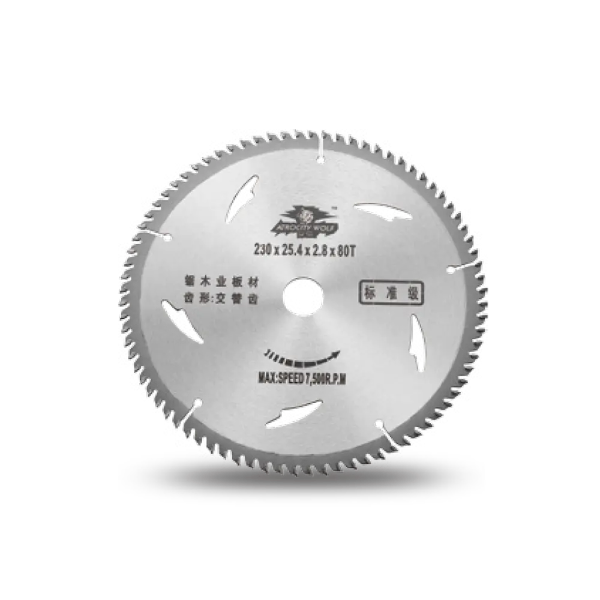
Why Does Wood Leave Resin on a Saw Blade?
Natural resin is genuinely part of the structure of many trees growing in the forest. When wood gets cut, heat and friction can bring some of these substances toward the cutting surface as the blade moves through. Instead of leaving the work area immediately with the sawdust, part of the material may remain behind on the blade itself.
Softwoods are often associated with higher levels of resinous material, although the amount can vary quite a bit within the same type of wood. A fresh piece of timber can behave genuinely differently from dry or aged material sitting in storage.
| Wood Condition | Possible Effect on Blade |
|---|---|
| Resinous timber | More sticky residue |
| Fresh wood | Greater moisture and natural substance variation |
| Dry wood | Different cutting and residue behavior |
| Knotty sections | Localized buildup |
| Treated wood | Possible additional surface residue |
Knots and areas with concentrated natural substances may also leave more residue than surrounding sections of the same board. The residue can appear as a thin film at first, barely noticeable to the eye. Continued cutting can make it thicker and genuinely more difficult to remove later.
The presence of resin doesn't automatically mean there's a problem with the blade itself. It becomes more relevant when the residue continues to accumulate and changes the way the blade interacts with the workpiece during a cut.
Which Wood Types Are More Likely to Cause Resin Buildup?
Not all wood behaves the same way during cutting on the saw table. Different species contain different amounts and combinations of natural substances, and these can respond quite differently to heat and friction generated during the cut.
Pine, fir, spruce, and other resinous softwoods can leave genuinely noticeable deposits on cutting tools over time. The actual behavior can still vary depending on the condition of the timber and where the cut gets made along the board.
| Material Type | Residue Characteristic |
|---|---|
| Softwoods (pine, fir, spruce) | Higher natural resin content |
| Hardwoods | May carry coatings or adhesives |
| Plywood | Bonding material mixed with dust |
| Laminated boards | Adhesive-based residue |
Hardwoods can also produce residue, particularly when their surface contains coatings, adhesives, oils, or other substances applied earlier. Engineered wood products create another situation entirely, because their composition may include bonding materials that behave differently from natural wood resin.
This is why the term "resin buildup" shouldn't always get interpreted as one single material sitting on the blade. A residue layer may contain a genuine mixture of natural resin, fine wood particles, dust, and substances from the material being cut that day.
Operators may therefore notice different forms of buildup when moving between solid timber and engineered boards on the same saw.
How Does Resin Attach to the Blade Surface?
The blade surface is constantly exposed to wood particles throughout the cutting process. When sticky substances are present, small particles can adhere to areas where residue has already begun to form on the metal.
The process can become genuinely self-reinforcing over time. A clean surface may allow material to pass with relatively little attachment at first, while an existing layer of residue can provide a place for more dust and resin to collect afterward.
| Buildup Location | Possible Cause |
|---|---|
| Near cutting teeth | Direct contact with resinous material |
| Blade body | Dust and sticky residue spreading during cutting |
| Tooth spaces | Accumulated wood particles |
| Areas around repeated cuts | Continued exposure to the same material |
The areas around the cutting teeth can be particularly noticeable, because they're directly involved in the cutting action happening on every pass. However, residue may also appear on other parts of the blade body away from the teeth.
The surface condition can change gradually rather than all at once during a single job. A blade may appear clean after a short task and show visible residue after repeated work with the same timber later in the day.
Why Do Cutting Conditions Affect Resin Buildup?
The cutting environment has a genuinely strong influence on how residue behaves during a job. Heat is one factor worth understanding fully.
When a blade and workpiece interact during cutting, friction generates heat that spreads across the contact area. If resin becomes more mobile under these conditions, it may spread across the blade surface, rather than remaining attached to the wood where it started.
| Factor | Influence on Residue |
|---|---|
| Wood moisture | Affects how material transfers |
| Cutting speed | Changes friction and heat levels |
| Feed consistency | Alters contact patterns |
| Blade cleanliness | Compounds existing buildup |
| Material thickness | Affects exposure duration |
The condition of the cutting process also matters quite a bit here. A blade that isn't moving through the material smoothly may create more friction in certain situations, generating extra heat along the way. The way the workpiece gets presented can influence how the blade contacts the wood throughout the cut.
These factors don't act independently of one another during a job. A resinous piece of wood may behave genuinely differently when it's cut under a different set of working conditions on another day.
For this reason, operators often need to look at the complete cutting situation, rather than blaming the blade alone for the buildup.
Can Fresh Wood Create More Blade Residue?
Freshly cut timber can contain more moisture and natural substances than wood that's been dried or stored for a period of time in a shed. This can genuinely change how the material behaves against the blade during cutting.
Fresh wood may also produce genuinely different types of sawdust than seasoned lumber. If the material is soft or contains sticky substances, particles can combine with resin and remain on the blade surface afterward.
| Timber State | Residue Behavior |
|---|---|
| Freshly cut | More moisture, variable buildup |
| Dried and stored | More predictable cutting behavior |
| Knots or sapwood | Concentrated resin pockets |
| Resin-rich sections | Higher localized deposits |
This doesn't mean that every piece of fresh wood will create heavy buildup automatically. Conditions within the same batch can vary quite a bit, particularly around knots, sapwood, or resin-rich sections scattered through a board.
The operator may notice that one section of timber produces little residue, while another leaves a genuinely visible coating on the blade shortly after. When this happens, checking the wood itself can provide genuinely useful information for the crew.
The blade shouldn't automatically get replaced simply because residue appears after cutting a resinous section that one time.
How Do Engineered Wood Products Change the Residue Problem?
Engineered wood can create a genuinely different type of surface contamination compared to natural timber. Materials such as plywood, laminated boards, and other composite products may contain bonding substances added during manufacturing.
Depending on the product, these materials can interact with the blade in ways that differ quite a bit from natural timber sitting on the same saw. A TCT Saw Blade for Wood may therefore encounter more than natural wood particles during normal use across a mixed job.
| Material Category | Residue Source |
|---|---|
| Solid natural timber | Natural resin content |
| Plywood | Adhesive layers between plies |
| Laminated boards | Bonding agents throughout |
| Coated boards | Surface finishes and sealants |
Residue from engineered materials can mix with sawdust and collect around the teeth or blade body over the course of a shift. The resulting deposit may look genuinely similar to natural resin, even though its source is entirely different.
This distinction matters quite a bit when choosing a cleaning method for the blade. Removing a soft natural residue may require a genuinely different approach from dealing with a harder material that's bonded to the blade over time.
Manufacturers and users can benefit from identifying the material being cut before deciding how to handle any buildup that appears.
What Happens When Resin Builds Up Around the Cutting Teeth?
The cutting teeth need to interact directly with the workpiece on every single pass through the material. When residue accumulates around these areas, the original shape of the cutting surface becomes genuinely less exposed to the wood.
Wood particles may also become trapped between nearby teeth as cutting continues. This can genuinely affect the way the blade moves through the material during subsequent cuts.
| Effect | Observable Sign |
|---|---|
| Reduced tooth exposure | Rougher cut surface |
| Trapped particles | Uneven feed resistance |
| Ongoing accumulation | More residue on later cuts |
The operator may notice changes in cutting smoothness, surface appearance, or the amount of residue produced during later cuts through the same material. A buildup problem can therefore become genuinely larger if it gets ignored for too long without attention.
The affected area should get inspected, rather than assuming that more aggressive cleaning is always necessary right away. The condition of the teeth, the blade body, and the remaining residue all genuinely matter to the outcome.
Regular inspection can make it genuinely easier to identify a change before the buildup becomes difficult to remove entirely.
How Should Resin Residue Be Cleaned From a TCT Blade?
Cleaning should get approached carefully, because the cutting teeth and blade surface need to remain in suitable condition throughout the process. The blade should get removed from the machine and handled according to the equipment and blade manufacturer's safety instructions provided with the tool.
Once it's safe to handle, visible residue can get examined before selecting a cleaning approach that suits the deposit. A suitable cleaning method depends heavily on the type of residue present on the surface.
| Cleaning Step | Purpose |
|---|---|
| Soaking with cleaning solution | Softens certain deposits |
| Gentle brushing | Removes loosened material |
| Wiping the surface | Clears remaining residue |
| Rinsing and drying | Prevents leftover cleaning material |
Some common approaches involve soaking with a suitable blade-cleaning solution that can help soften certain deposits before removal. Gentle brushing can remove loosened material from accessible areas around the teeth afterward.
Harsh scraping should get avoided when it may damage the blade surface or cutting teeth in the process. The goal is removing the residue without creating another problem elsewhere on the tool. Cleaning products should also get checked for compatibility with the blade materials before use begins.
Why Does the Blade Surface Need Attention After Cleaning?
Removing visible resin is only part of the cleaning process worth completing. The blade should also get checked afterward for remaining deposits, moisture, or damage that might have gone unnoticed.
A small amount of residue left around the teeth can attract additional dust during the next cutting task on the schedule. Moisture left on the blade can also create genuine storage problems if not addressed promptly.
| Inspection Point | What to Look For |
|---|---|
| Remaining sticky areas | Incomplete cleaning |
| Deposits between teeth | Trapped debris |
| Damaged cutting edges | Wear or chipping |
| Blade body condition | Warping or deformation |
| Corrosion signs | Surface deterioration |
A clean and dry blade is genuinely easier to inspect properly once the cleaning process finishes. The inspection doesn't need to become a complicated procedure requiring special tools or extensive time.
A quick visual check after cleaning can help identify conditions that may require further attention before the next job begins. For TCT Saw Blade Manufacturers, clear maintenance instructions can also help users understand how to care for the product without applying unsuitable cleaning methods that might cause damage.
Can Cutting Habits Increase Resin Accumulation?
The way wood gets cut can genuinely influence how much residue remains on the blade afterward. Repeatedly processing resinous material without allowing time for inspection can result in a gradual layer of buildup accumulating unnoticed.
In other situations, inconsistent feeding may increase friction and cause more material to remain around the cutting area than expected. The condition of the workpiece also matters quite a bit here.
| Habit | Effect on Residue |
|---|---|
| Continuous cutting without breaks | Gradual buildup accumulation |
| Inconsistent feed rate | Increased friction and residue |
| Dirty timber input | Additional contaminants introduced |
| Regular inspection breaks | Early detection of changes |
Dirty timber can carry soil, dust, old coatings, or other materials into the cutting process along with the wood itself. Good cutting habits include keeping the work area reasonably clean and checking the blade when a change in cutting behavior becomes noticeable during a shift.
Operators should also avoid continuing to use a blade when its condition raises a clear safety concern worth stopping for. The purpose of maintenance isn't eliminating every trace of residue completely from the surface.
It's keeping the blade in a condition that suits its intended use throughout a working day.
How Can Different Woodworking Tasks Affect Blade Cleaning Frequency?
A blade used for occasional clean timber cutting may not need the same cleaning routine as one used repeatedly on resinous wood day after day. The type of work can therefore genuinely influence maintenance habits across a shop.
| Cutting Task | Possible Cleaning Consideration |
|---|---|
| Clean softwood | Check for light resin deposits |
| Resinous timber | Inspect the blade more often |
| Knotty wood | Watch for localized buildup |
| Plywood | Check for mixed residue |
| Laminated boards | Look for bonding material deposits |
| Coated boards | Check for surface contamination |
The important point isn't creating a rigid schedule that applies equally to every workshop regardless of what's being cut. Instead, the blade can get inspected according to the material being processed and the condition observed during actual use.
A visible change in the blade surface can be a genuinely useful signal that cleaning or inspection is needed before the next job starts.
What Can TCT Saw Blade Manufacturers Do to Address Resin Buildup?
Manufacturers can consider resin behavior during both blade design and user guidance provided with the product. A TCT Saw Blade Manufacturers team may examine how the blade is expected to interact with different wood materials, including resinous timber and engineered boards commonly used in the trade.
Surface condition, tooth arrangement, and cleaning instructions can all get considered as parts of the overall product experience for the buyer.
| Manufacturer Focus | Buyer Benefit |
|---|---|
| Surface treatment design | Reduces initial residue attachment |
| Tooth arrangement | Affects debris clearing during cuts |
| Clear cleaning instructions | Prevents unsuitable maintenance |
| Material compatibility guidance | Sets realistic expectations |
Product information can also help users understand which materials are suitable for the blade and how the blade should get maintained over its working life. This is especially useful for businesses that work with several types of wood across different projects.
Clear guidance can reduce confusion between normal residue and signs that a blade needs inspection or replacement soon. Manufacturers can also consider how easily users can access the blade for cleaning during a busy schedule.
A product that gets routinely maintained needs to fit into a practical workshop routine without adding unnecessary hassle.
How Can Operators Reduce Resin Buildup During Wood Cutting?
Preventing every trace of resin isn't realistic when working with naturally resinous timber day after day. A more practical approach is reducing unnecessary accumulation and responding to residue before it becomes genuinely difficult to manage.
| Habit | Practical Benefit |
|---|---|
| Regular blade inspection | Catches buildup early |
| Keeping timber reasonably clean | Reduces contaminant introduction |
| Watching resin-rich sections | Anticipates heavier residue |
| Avoiding unattended repeated use | Prevents gradual accumulation |
| Cleaning when deposits appear | Maintains cutting performance |
| Storing the blade clean and dry | Prevents corrosion and residue setting |
These habits work best when they get connected to the actual cutting environment a shop deals with regularly. A workshop processing resinous softwood may need genuinely different maintenance habits from one handling clean, dry boards most of the time.
The same TCT Circular Saw Blade for Wood can encounter different residue conditions depending on the material and cutting process involved on a given day. Understanding the source of the buildup makes it genuinely easier to respond appropriately when it appears.
Wood species, resin content, blade surface, cutting conditions, and cleaning practices all form part of the same maintenance picture that operators and manufacturers alike need to keep in view.
keep in touch
-
We are committed to providing durable, reliable, and efficient cutting solutions for global B2B clients and partners.
-
Useful Links
Home Products About Us Manufacturing Custom Service News Contact Us -
Contact Us
+86-579-89270208
+86-579-89270636ch001@changhengsaws.comNo. 102, Huacheng East Road, Chengxi Industrial Zone, Yongkang, Zhejiang, China -
Mobile Web
