



TCT Blade Selection for Plywood and MDF Cutting Tasks
One Source for Every Cutting Blade Need
Furniture workshops often watch chipped edges form on plywood sheets right in the middle of a busy crosscut, forcing extra sanding and delaying assembly. Board processors deal with clouds of fine dust from MDF that settles everywhere while blades lose sharpness quicker than hoped. Selecting a suitable TCT Chop Saw Blade helps ease these ongoing issues by delivering cleaner results and steadier shifts when you handle both materials regularly.
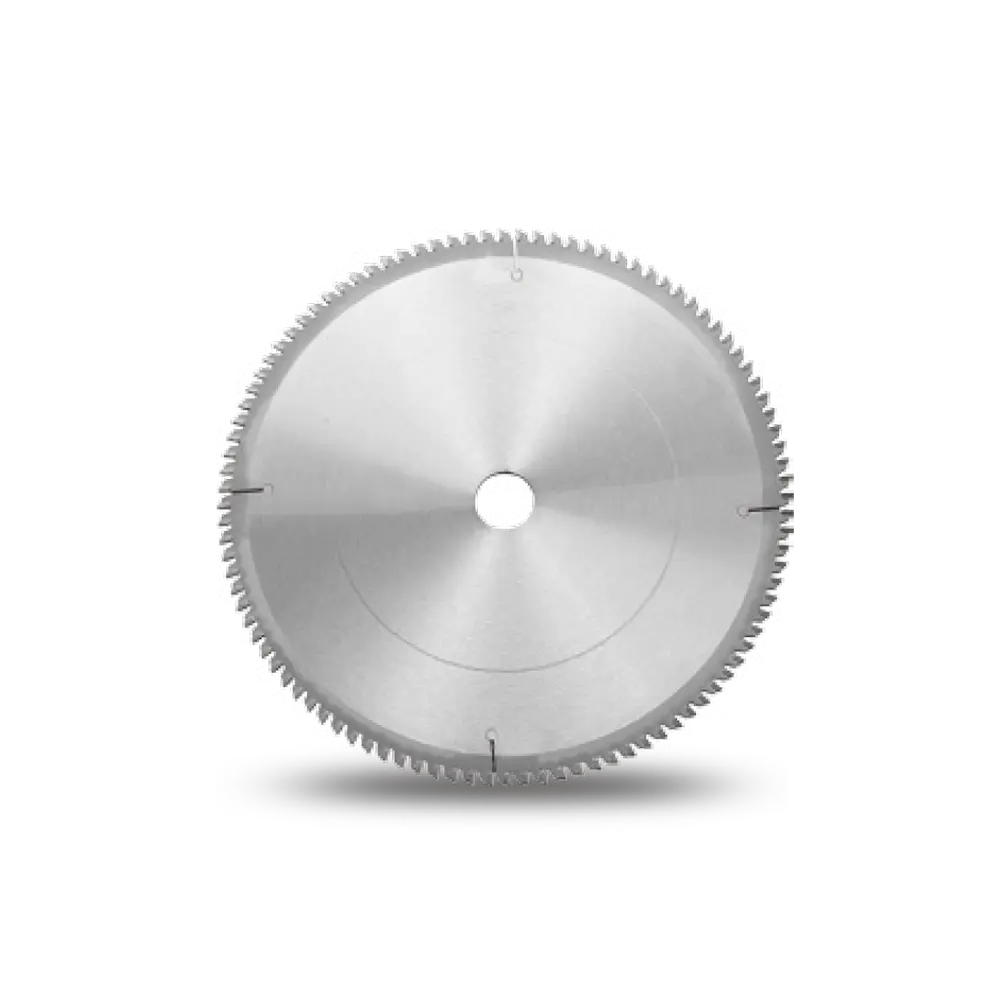
Material Characteristics Influence Blade Performance
Plywood layers can pull apart if the teeth hit them too harshly. MDF feels compact and grinds away at edges with its powdery output. You notice the difference fast once you run them side by side on the same chop saw.
How Does Plywood Construction Affect Cutting Action?
Those thin veneers glued over various cores react in their own way when the blade breaks through. Sometimes the core fights back more than the face layers, leaving you with slight fuzz or small breaks on the exit side. Woodworkers learn to watch how each batch behaves because one morning’s plywood might cut smooth while the afternoon delivery needs a gentler touch.
Why Does MDF Present Unique Abrasion Challenges?
The dust it throws off works like a constant light polish against the carbide, wearing things down steadily. Because the material stays so even, you get predictable cuts yet the teeth pay the price over hours of running. Shops that process a lot of it quickly see why one style holds up while another fades.
How Does Tooth Count Affect Daily Operations?
Tooth numbers shift the feel of each pass through the sheet. A moderate amount often gives you decent pace without leaving deep marks that need heavy cleanup later. Some days you want quicker movement through thicker stock, other times smoother surfaces matter more for visible parts.
The choice depends heavily on what rolls off the delivery truck that week and what the finishing team complains about least.
Tooth Geometry Plays a Key Role in Results
ATB setups slice plywood layers cleanly with a beveled action that keeps fibers from lifting. TCG patterns spread the workload across the tips when facing MDF density, helping the edge last through dusty stretches. Plenty of shops mix ideas from both depending on the current order pile.
Which Tooth Style Suits Plywood Veneers?
ATB comes in handy when you need the cut to respect those delicate outer layers. You see cleaner lines on the good face, the kind that saves time before painting or laminating. Switch away from it on fancy veneer and you might regret the extra touch-up work that follows.
What Tooth Configuration Handles MDF Demands?
TCG handles the gritty side better because the triple grind takes the punishment and keeps clearing particles. Production crews mention how it feels more forgiving during long afternoon runs when dust fills the air.
Hook Angle Matters During Feeding
Low hook angles prevent the material from jumping forward suddenly. The cut stays controlled from start to finish, especially useful with stacked panels or when you cannot afford any movement. Many operators say this small angle choice makes feeding feel more natural after a few practice pieces.
Blade Body Design Contributes to Stability
Slots cut into the plate calm down shaking during steady work. Thicker plates hold their shape better across temperature changes in the shop. These details matter when your chop saw runs most of the day without breaks.
- Diameter needs to fit the saw you already own for panel work.
- Bore size should slide on without extra parts slowing changeovers.
- Slots for heat help stop warping when MDF runs heat things up.
- Certain surface treatments cut down on sticky buildup from plywood resins.
Transitioning between jobs goes smoother when these basics line up with your equipment instead of fighting it.
What Factors Affect Cut Quality on Plywood?
Veneer grades differ enough that the same blade can behave nicely on one and roughly on another. Slowing the feed slightly near the end often prevents ugly breakout on the bottom side. Keep an eye on sharp tips when the faces will show in the finished piece because every small flaw stands out later.
Why Does MDF Demand Attention to Wear Resistance?
Particles keep brushing the teeth constantly, so designs that move dust away efficiently make a real difference. You track performance by how the edge feels after a full morning instead of guessing.
Some weeks the material seems tougher than usual and you adjust accordingly without swapping the entire setup.
Comparing Performance Across Shop Scenarios
Cabinet work with plywood rewards setups focused on neat edges that need little sanding. MDF shelving runs push you toward durability so the line keeps moving. Custom jobs mixing both encourage something adaptable rather than specialized. Volume changes everything about how often you pause to switch tools.
Small adjustments based on real shop feedback often improve things more than theory alone.
Blade Selection Considerations for Different Volumes
Smaller operations like the freedom of using one or two versatile choices for whatever comes in the door. Bigger lines sometimes assign dedicated blades to each material to cut down on interruptions. Order size quietly shapes how you think about cost over time.
Here is a comparison of approaches in typical use:
| Material | Teeth Range Approach | Tooth Style | Hook Angle Approach | Workshop Experience Note |
|---|---|---|---|---|
| Plywood | Moderate higher | ATB | Low or negative | Controlled edge behavior |
| MDF | Moderate higher | TCG | Low or negative | Steady performance in dust |
| Mixed Production | Balanced range | Combination | Neutral range | Reduced need for frequent swaps |
Maintenance Practices Observed in Workshops
Wiping off residue from glue and fibers keeps performance from dropping quietly. Quick looks at the tips during natural pauses catch wear before it ruins a good stack of parts. Dry storage away from damp corners means the blade feels ready when you need it again.
How Do Shops Handle Routine Blade Care?
Non-corrosive cleaners work well on both carbide and the steel plate. Rotating stock spreads the hours evenly so nothing sits too long unused. Professional sharpening timed before edges fully round keeps quality high. Checking for damage after heavy days prevents surprises.
These habits become second nature once you see how much longer things last.
Operational Tips That Support Better Outcomes
Steady hand pressure stops you from pushing too hard through the cut. Aligned saws reduce sideways stress that dulls teeth faster. Good dust collection clears the zone so MDF particles do not interfere constantly. Little things like these work together with your blade choice to shape the rhythm of the day.
How Workshops Evaluate Results Over Time
Crew members remember how edges looked after test cuts from fresh deliveries. Finishing areas share what needs extra work and why. Patterns across weeks guide future picks instead of reacting to single bad runs.
This ongoing attention turns blade decisions into something practical rather than guesswork.
Saw Blade Distributor Support in Practice
A helpful Saw Blade Distributor picks up on the quirks of materials in your area and the saws you run. They share notes from other similar shops that save time when volumes rise or new boards arrive. Open conversations about upcoming work let everyone prepare without last-minute changes.
Expanding on Plywood Cutting Details
Different cores inside plywood sheets create varying pushback as the teeth pass through. Crosscuts need geometry that shears layers without tearing at the back. Paying attention to the underside matters when that surface ends up visible in the final product.
Many experienced hands tweak height so engagement feels right for the thickness at hand. Over time those small habits add up and reduce preparation steps before pieces head to assembly.
Additional Points on MDF Processing
Uniform sheets behave reliably yet the dust affects every part of the cutting area if left unchecked. Enough space between teeth helps carry particles away instead of packing in.
Edge sealing later goes easier when the initial surface stays smooth, which keeps the whole line flowing between stations without bottlenecks.
Broader Considerations for Procurement Teams
Buyers check how consistent batches feel once they reach the floor. OEM discussions center on matching equipment whether automated or manual. Larger commitments sometimes allow tweaks based on real feedback from daily use.
Sample runs in your own environment reveal details no description can fully cover.
Integrating Blade Choice into Production Planning
Pairing maintenance with material arrivals cuts unexpected pauses. New team members learn to spot wear signs early so quality stays even across shifts. Keeping simple records of what worked well builds a useful shop memory for similar jobs later.
Everything connects when operators, maintenance, and purchasing stay in loose conversation.
Observing Changes Across Material Grades
Plywood with lighter construction shows more layer variation while denser MDF raises the wear but can leave neat edges when everything aligns. Spotting these shifts lets you make minor changes instead of full replacements.
Suppliers who hear about your regular grades often suggest setups that account for normal incoming differences.
Long Term Workshop Patterns
Months of running the same equipment and product styles help teams settle into preferences. What succeeds in one building might need small tweaks elsewhere because of humidity or supply sources. Conversations with others in the trade occasionally spark useful ideas worth testing.
Over time blade selection becomes part of normal shop routine instead of a repeated headache.
Finding setups that match your usual plywood and MDF tasks supports steady production and meets the quality your customers expect. For reliable manufacturing support and options tailored to these materials, reach out to Zhejiang Changheng Tools Co., Ltd. Connect with them to talk through your current setup, request sample blades for testing on your equipment, or explore larger OEM arrangements that match your production scale and requirements. Taking that step allows your team to evaluate real performance in your environment and move toward more consistent results across daily operations while addressing the specific cutting demands you face every week.
keep in touch
-
We are committed to providing durable, reliable, and efficient cutting solutions for global B2B clients and partners.
-
Useful Links
Home Products About Us Manufacturing Custom Service News Contact Us -
Contact Us
+86-579-89270208
+86-579-89270636ch001@changhengsaws.comNo. 102, Huacheng East Road, Chengxi Industrial Zone, Yongkang, Zhejiang, China -
Mobile Web
