



How to Store TCT Chop Saw Blades After Delivery
One Source for Every Cutting Blade Need
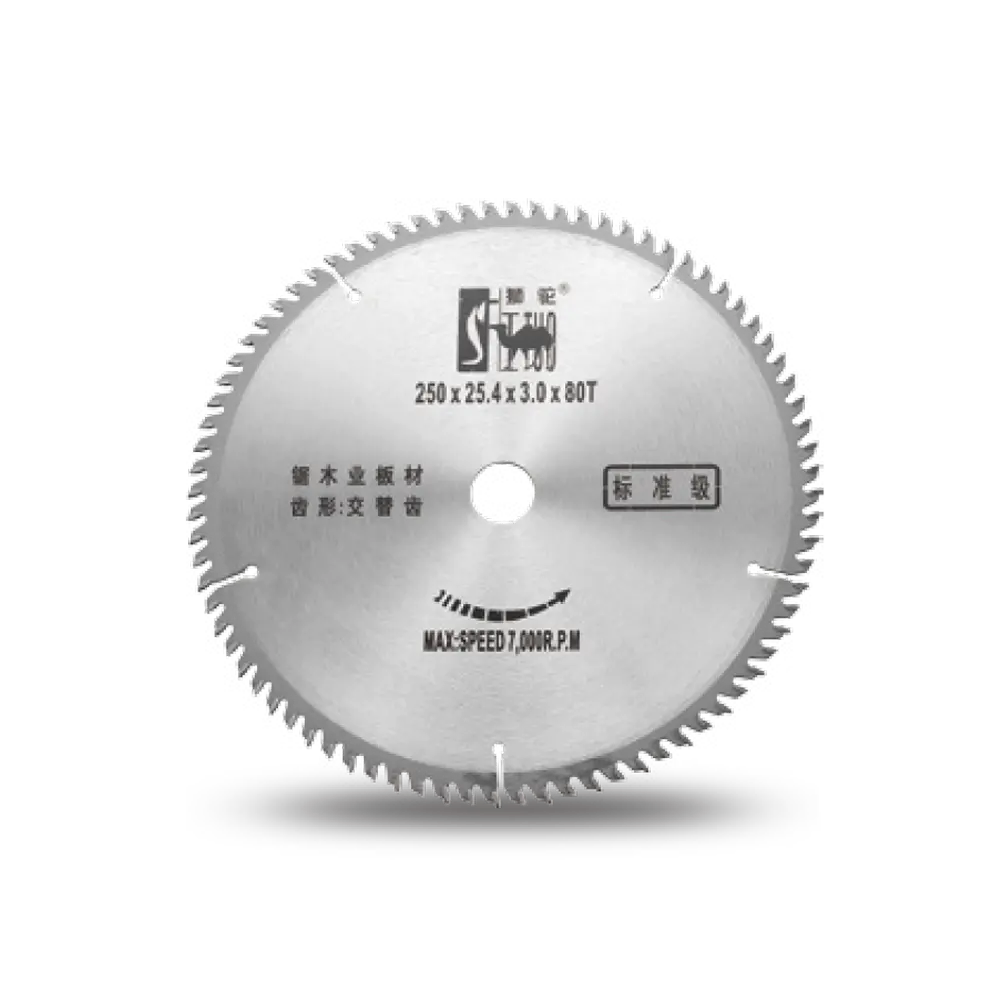
A shipment of saw blades arrives at the warehouse, gets stacked in a corner, and sits there for weeks before anyone touches them. By the time they're pulled for use, some are already showing surface rust, a few teeth have chipped from contact with adjacent blades, and the packaging that was supposed to protect them was discarded on day one. None of this is unusual — and all of it is avoidable. A TCT Chop Saw Blade carries precision-ground carbide tips that are genuinely sensitive to the conditions they're stored in, and what happens between delivery and first use often determines how well they perform once they're running.
Why Post-Delivery Storage Deserves Serious Attention
The Damage Window Between Arrival and Use
Cutting performance isn't only a function of how a blade was manufactured. It's also shaped by everything that happens to it afterward. The period between delivery and active use is a window during which several types of damage can quietly accumulate — corrosion on the plate, micro-chipping along carbide edges, warping from improper stacking — without being immediately visible.
Warehouses that handle industrial tools in volume often underestimate this. A blade that looks fine in the rack may already have surface oxidation beginning on the plate or minor edge damage from contact with adjacent tools. Neither issue announces itself until the blade is mounted and cutting, at which point the performance is already compromised.
Carbide Tips Are More Fragile Than They Look
There's a widespread assumption that carbide is tough enough to handle rough treatment. It is hard — harder than most materials it cuts through — but hardness and toughness are not the same thing. Carbide is actually quite brittle under impact loading. A blade dropped onto a concrete floor, or one that shifts and collides with another blade in an unlabeled pile, can suffer tip damage that changes the cut quality significantly.
This brittleness is worth keeping in mind every time a blade is moved, repositioned, or stacked with others. The cutting edge is the product. Protecting it during storage is not optional.
Environmental Conditions That Affect Blade Integrity
Moisture Is the Consistent Threat
Steel saw plates corrode in humid conditions. This isn't a slow or gradual process in environments with high ambient moisture — rust can appear on unprotected steel within days in a damp warehouse. Once surface oxidation develops on a blade plate, it can affect the blade's ability to run true and may accelerate wear on the plate itself over time.
Controlled storage environments help. Key environmental targets to maintain:
- Keep relative humidity low and stable — fluctuations are as damaging as sustained high humidity
- Avoid storing blades near water sources, open loading dock doors, or areas prone to condensation
- Elevate storage off concrete floors, which can wick moisture upward into packaging
If climate control isn't available throughout the facility, at least identify a dry interior zone and dedicate it to blade storage.
Temperature Swings Create Condensation Problems
Rapid temperature changes — especially moving blades from a cold exterior storage area into a warm interior — create condensation on metal surfaces. This is a less obvious moisture pathway than direct water exposure, but it produces the same result: surface oxidation beginning on the plate.
Where temperature variation is unavoidable, allow blades to acclimate gradually before opening packaging. Letting sealed cartons sit in the destination environment for several hours before unpacking reduces the condensation risk meaningfully.
Direct Sunlight and UV Exposure
Less commonly discussed, but worth noting: prolonged UV exposure degrades some of the protective coatings applied to saw blade plates during manufacturing. Beyond that, direct sunlight raises local temperatures and can contribute to uneven heating that affects flatness over time. Indoor storage away from windows or skylights is preferable for long-term inventory.
Physical Storage: Position, Separation, and Protection
Should Blades Be Stored Vertically or Horizontally?
Both approaches exist in practice, and both can work — with the right conditions. The key risk with horizontal stacking is compressive load on the stack: blades stacked directly on top of each other without separation can create pressure points at contact zones, especially if the weight is significant. Carbide tips making contact under load is a recipe for chipping.
Vertical storage in a dedicated rack or slot system generally poses less risk. Each blade stands independently, there's no stacking load, and it's easier to retrieve individual blades without disturbing others. Slot-style racks that hold each blade upright in its own position are worth the investment for any facility handling blades in volume.
If horizontal storage is the only option, use separators — cardboard, foam, or purpose-made blade spacers — between each unit. Never allow metal-to-metal contact between blades in storage.
Protective Packaging Shouldn't Be Discarded on Arrival
Manufacturer packaging for saw blades is functional, not just decorative. Cardboard sleeves, plastic cases, and foam inserts are designed to protect the teeth from contact damage during transit — and they serve the same function during storage. Stripping blades out of their packaging for easier counting or retrieval, then leaving them in an open bin, removes all that protection.
Where original packaging is intact, keep blades in it until the blade is needed. Where packaging has been damaged or removed, store blades in aftermarket blade covers or individual sleeves. This is a low-cost step that prevents a high-cost outcome.
Handling Practices That Protect the Cutting Edge
Even with good storage infrastructure, individual handling habits matter. Each time a blade is picked up, repositioned, or transferred, the teeth are at risk if the handling isn't deliberate.
Practical habits that reduce handling damage:
- Grip blades from the plate, not across the teeth
- Place blades down gently — don't drop or slide them onto hard surfaces
- Use both hands for larger diameter blades to avoid flexing the plate
- Avoid setting blades down on surfaces with grit, swarf, or other abrasives
Inventory Management for Blade Storage
Labeling and Rotation Matter More Than They Seem
In a busy workshop or warehouse, unlabeled blade storage creates problems that compound over time. Blades of different specifications get mixed together. Older inventory sits while newer stock gets used. Blades stored for longer periods without rotation accumulate more environmental exposure.
A simple labeling system — noting specification, arrival date, and intended application — removes guesswork at retrieval and supports rotation. Older stock should be drawn down before newer inventory of the same specification is opened.
Storage Conditions Across Common Scenarios
| Storage Scenario | Key Risk | Recommended Approach |
|---|---|---|
| Open warehouse shelf | Humidity, dust, light damage | Use sealed packaging; elevate off floor |
| Outdoor or semi-covered area | Moisture, temperature swings, UV | Avoid where possible; use sealed containers |
| Interior climate-controlled room | Low risk if humidity is managed | Vertical rack or slotted storage preferred |
| Long-term inventory (months) | Rust, coating degradation | Apply light protective coating; inspect before use |
| Mixed-specification storage | Misidentification, mixing | Label clearly; use separate labeled sections |
Long-Term Storage: What Changes Over Extended Periods?
Does a Stored Blade Lose Sharpness Over Time?
A blade that hasn't been used doesn't dull the way a blade in service does. Carbide tips don't lose their geometry simply from sitting. What does change with long-term storage is the condition of the plate and the protective coatings on it — both of which affect how the blade runs even if the tips themselves are intact.
Surface oxidation on the plate increases friction during cutting. Coatings that have degraded allow heat to transfer differently during use. Neither of these issues is catastrophic, but both affect the quality and efficiency of the cut relative to a properly stored blade.
Applying Protective Treatments for Extended Storage
For blades intended for long-term inventory — particularly in environments where humidity control is inconsistent — a light application of rust-preventive oil on the plate surface adds meaningful protection. This is standard practice for many types of precision steel tools.
Apply the treatment after unpacking and inspection, focusing on the plate surface rather than the carbide tips. Avoid heavy applications that can attract dust or create contamination issues. Before use, wipe the plate clean so that no residue transfers to the cutting environment.
Inspection Before Use: The Final Step in the Storage Process
What to Check Before Mounting a Stored Blade
Regardless of how well storage conditions have been maintained, a visual inspection before mounting is good practice. It takes a few minutes and catches any issues that developed during the storage period before they become a problem in operation.
Check the following before use:
- Plate surface for rust spots or pitting that wasn't present on arrival
- Carbide tips for visible chipping, cracking, or missing segments
- Plate flatness — a blade that wobbles when laid on a flat surface may have warped
- Arbor hole condition for any deformation that might affect mounting concentricity
- Gullet areas between teeth for cracks or debris accumulation
If any of these checks reveal a problem, don't proceed with mounting. A damaged blade in operation creates safety risks and produces poor results regardless of the machine it's running in.
Cleaning Before Installation
A blade coming out of long-term storage may have accumulated dust, oxidation, or residual protective treatment that should be removed before use. A clean cloth and an appropriate solvent can remove surface contamination from the plate without affecting the carbide tips.
Don't use abrasive materials on the plate surface. The goal is cleaning, not polishing — and scratching the plate can affect its performance characteristics during cutting.
Working with a Supplier Who Supports the Full Lifecycle
Proper storage practices extend the value of every blade in inventory. But they work better when the blades themselves are manufactured to a consistent standard — with properly bonded carbide, well-formed gullets, and protective coatings that hold up during both shipping and storage conditions.For procurement teams and facility managers sourcing saw blades in volume, Zhejiang Changheng Tools Co., Ltd. manufactures TCT Chop Saw Blades for a range of industrial cutting applications, with attention to both cutting performance and the durability of materials under real storage and handling conditions. Whether the requirement involves standard specifications or customized blade configurations for specific cutting environments, the team can provide technical guidance alongside product supply. Protecting blade investment starts with selecting a manufacturer whose quality standards reduce the risk of problems arriving in the box — and Changheng's production approach is designed with exactly that in mind. Reaching out to discuss requirements, specifications, or volume sourcing is a practical step for any operation looking to reduce blade waste and maintain consistent cutting performance across their inventory.
keep in touch
-
We are committed to providing durable, reliable, and efficient cutting solutions for global B2B clients and partners.
-
Useful Links
Home Products About Us Manufacturing Custom Service News Contact Us -
Contact Us
+86-579-89270208
+86-579-89270636ch001@changhengsaws.comNo. 102, Huacheng East Road, Chengxi Industrial Zone, Yongkang, Zhejiang, China -
Mobile Web
