



How to Choose the Right Saw Blade for Wood and Metal
One Source for Every Cutting Blade Need
Cutting performance often breaks down before a machine ever shows a fault, and the saw blade is usually where the problem starts. Workshops dealing with rough edges, frequent blade replacement, or inconsistent cuts across wood, metal, and aluminium are often relying on a blade that was never matched to the material being cut. Understanding how to choose the right saw blade for each job changes daily output, blade life, and the quality of every finished edge.
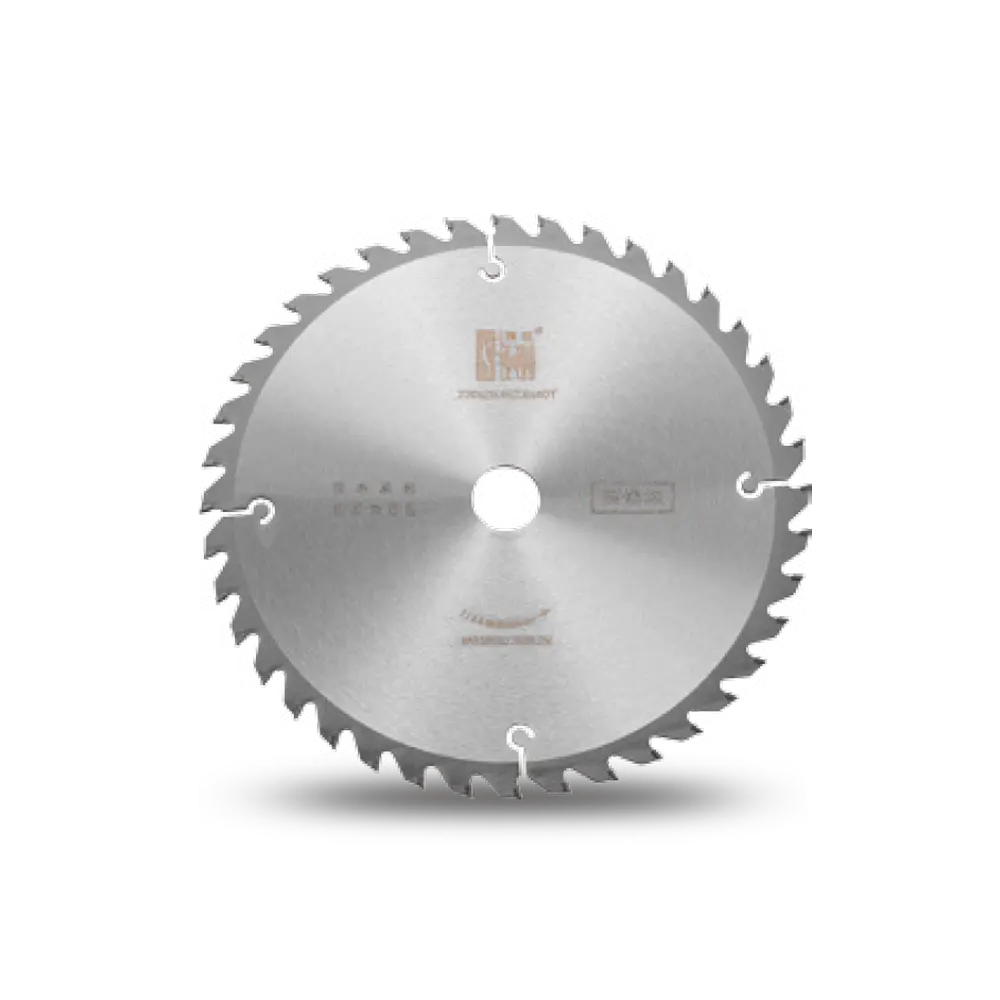
Blade selection generally follows the same pattern across industries: identify the material, match it to the correct TCT construction, set tooth count and diameter to the cutting task, then confirm the blade against the machine it will run on. Working through that sequence keeps a workshop from cycling through mismatched blades and helps narrow the search toward a supplier that can support the chosen specification consistently.
What Should You Check Before Choosing a Saw Blade?
Before comparing specific blade types, it helps to confirm a short set of conditions that apply across nearly every cutting application.
- Material being cut, including wood, metal, or aluminium
- Blade diameter matched to the machine
- Tooth count suited to the finish required
- Tooth geometry appropriate for the material hardness
- Cutting speed supported by the machine and blade
- Blade construction, including tungsten carbide tipped designs
Different materials call for different blade types. Wood cutting generally calls for a TCT Circular Saw Blade for Wood, metal cutting calls for a TCT Circular Saw Blade for Metal, and aluminium cutting calls for a TCT Saw Blade for Aluminium. Reviewing these conditions before placing an order reduces the chance of selecting a blade that underperforms once it reaches the workshop floor.
A Saw Blade Shapes Cut Quality and Tool Life
A saw blade is the cutting component mounted to a circular saw, chop saw, or similar machine, and its tooth design, material, and diameter determine how cleanly it passes through a given material.
Blade choice affects far more than the immediate cut. A mismatched blade wears down faster, demands more frequent sharpening or replacement, and often leaves a rougher edge that requires secondary finishing.
What Makes a TCT Saw Blade Different From Other Blades?
Tungsten carbide tipped construction sets these blades apart from standard steel blades. Small carbide segments are bonded to the tip of each tooth, giving the cutting edge a hardness that plain steel struggles to match on its own.
Blade Material Affects Durability and Cut Quality
Saw blades are built from a small number of base materials, and each one suits a different combination of cutting speed, durability, and finish quality.
Looking at these three options side by side makes the tradeoff easier to see. A workshop running occasional cuts on soft material can often manage with high speed steel, while one running daily production across harder materials tends to recover the cost of a TCT blade through fewer replacements and steadier output.
Material Being Cut Determines Blade Selection
Once the blade construction is settled, the next decision comes down to the material the blade will primarily cut.
How Does Tooth Count Change Cutting Results?
Tooth count works alongside material selection to shape both cutting speed and surface finish, and adjusting it changes the balance between the two.
Softwood generally performs well with a lower tooth count that favors speed over finish, while hardwood benefits from a medium count that balances both. Aluminium typically calls for a medium to higher tooth count paired with the right chip clearance, and steel usually calls for a higher tooth count to manage heat and protect the cutting edge.
Blade Diameter and Arbor Size Affect Machine Compatibility
Diameter and arbor size determine whether a blade physically fits a machine, and getting either wrong creates a safety issue rather than just a performance one.
What Mistakes Commonly Cause Poor Cutting Results?
A number of recurring mistakes show up across workshops, and a fair share of them trace back to a mismatch between the blade and the job rather than a defect in the blade itself.
- Using a wood blade on metal, which dulls the teeth quickly and risks damage to the blade and machine
- Choosing a tooth count that does not match the material, which results in either a rough finish or an unnecessarily slow cut
- Ignoring machine specifications such as diameter, arbor size, and speed rating
- Running a worn blade well past its usable edge, which strains the motor and lowers cut quality across every pass that follows
Addressing these patterns early keeps blade replacement costs predictable and protects both the material being cut and the machine running it. Many of these mistakes only become visible once cut quality has already dropped, which is why checking blade and machine specifications against the job ahead of time tends to work better than diagnosing problems after the fact.
A TCT Chop Saw Blade Suits Specific Cutting Applications
A TCT Chop Saw Blade is built for the higher impact, stationary cutting style typical of chop saws rather than the continuous feed motion of a circular saw. Metal fabrication shops, construction material suppliers, and industrial workshops rely on this blade type for repeated, accurate cuts on structural sections and profiles.
How Can You Extend the Service Life of a TCT Saw Blade?
Blade life depends as much on handling and maintenance as it does on the blade specification itself.
TCT Saw Blade Manufacturers Differ in Capability and Specialization
Not every TCT Saw Blade Manufacturer offers the same combination of carbide quality, production scale, and technical support, and reviewing a small set of criteria narrows the search considerably.
- Manufacturing experience across wood, metal, and aluminium blade types
- Carbide quality and consistency across production batches
- Production technology used for tooth grinding and tensioning
- Quality control systems applied throughout manufacturing
- OEM capability for custom tooth count, diameter, or coating requirements
- Export experience supporting international shipping and documentation
Working through TCT Saw Blade Manufacturers using these points, rather than price alone, gives a clearer picture of which supplier can support a specification consistently across repeat orders. A manufacturer that performs well on a single sample does not always carry that same consistency into a larger production run, so asking about batch to batch variation and how tooth geometry is checked during production adds another layer of confidence before committing to volume.
How Should Buyers Choose a Reliable TCT Saw Blade Supplier?
Supplier evaluation moves beyond manufacturing capability into the practical details of working together on an ongoing basis.
Confirming these points before placing an order reduces the risk of delays once a blade specification moves into regular production.
Selecting the Right Saw Blade Supports Better Cutting Performance
Working through how to choose the right saw blade ultimately comes down to matching material, blade construction, tooth count, and diameter to the actual cutting task, rather than defaulting to a general purpose blade for every job. Buyers who confirm these details before ordering tend to see steadier cut quality, longer service intervals, and fewer unplanned blade changes across wood, metal, and aluminium cutting.
Reviewing supplier documentation, asking direct questions about carbide quality and tooth geometry, and clarifying customization options during the sampling stage all feed into a blade that performs consistently once it reaches the workshop floor. These steps also make it easier to compare suppliers on substance rather than on price alone, and they give buyers a clearer basis for choosing between a standard blade and a customized specification.
keep in touch
-
We are committed to providing durable, reliable, and efficient cutting solutions for global B2B clients and partners.
-
Useful Links
Home Products About Us Manufacturing Custom Service News Contact Us -
Contact Us
+86-579-89270208
+86-579-89270636ch001@changhengsaws.comNo. 102, Huacheng East Road, Chengxi Industrial Zone, Yongkang, Zhejiang, China -
Mobile Web
