



Which Industrial Circular Saw Blade Should You Buy?
One Source for Every Cutting Blade Need
Cuts that come out ragged instead of clean, a blade that overheats halfway through a batch of aluminum profiles, teeth chipping on material that should have been an easy pass, these are the kinds of frustrations that send procurement teams and workshop managers looking harder at what actually goes into a good Industrial Circular Saw Blade decision. Picking a blade almost at random and hoping it performs across every material rarely ends well, and buyers who have been burned by a mismatched blade tend to slow down and check the details more carefully the second time around.
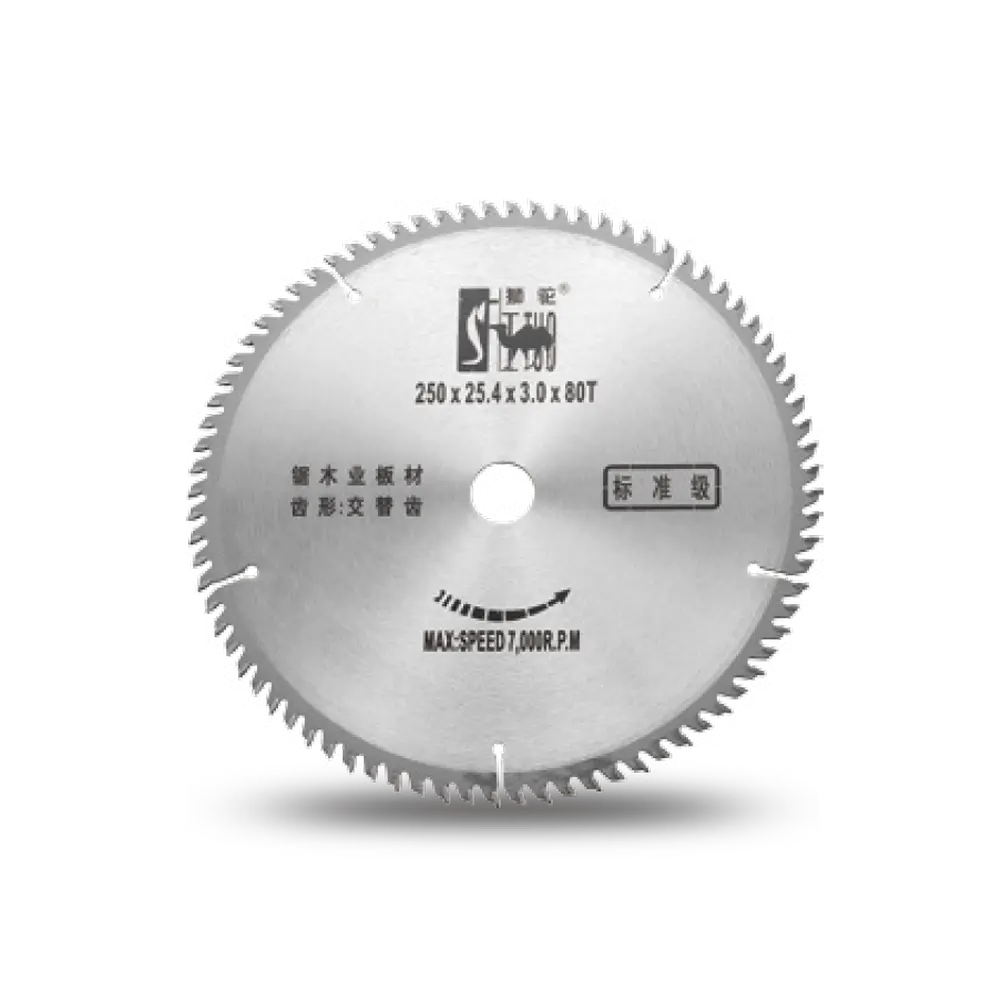
For woodworking operations, metal fabrication shops, aluminum processing facilities, and industrial distributors sourcing cutting tools, understanding what actually separates a well matched blade from a poor fit changes how a purchasing decision gets made in the first place.
Why Does One Blade Rarely Work Across Every Machine and Material?
Cutting wood, metal, and aluminum each place completely different demands on a blade. Wood is relatively soft and forgiving, tolerating a wider range of tooth counts and geometries. Metal fights back with hardness and heat generation, demanding tooth designs and coatings that resist wear under friction. Aluminum sits somewhere in between but introduces its own challenge, since the material tends to gum up on blades not designed with the right clearance angles and tooth spacing for that specific metal.
Machines matter just as much as material. A table saw running at a certain speed range needs a blade balanced for that rotation, while a chop saw or cold saw designed for repeated cutting cycles places different stress patterns on the blade edge than a single pass cut would.
Does Tooth Count Actually Change Cutting Quality That Much?
It does, more than casual buyers sometimes expect. Fewer teeth remove material faster but leave a rougher cut surface, which works fine for rough framing lumber but poorly for a finished furniture edge. More teeth produce a smoother finish but cut slower and generate more heat per pass, since each individual tooth removes a smaller amount of material. Matching tooth count to the actual finish requirement, rather than defaulting to whatever blade came with the machine originally, avoids both wasted time and disappointing cut quality.
What Should Buyers Check When Cutting Wood Specifically?
Woodworking applications range from rough construction cuts to fine furniture work, and each end of that spectrum calls for a different blade profile.
- TCT Circular Saw Blade for Wood options built with fewer, larger teeth suit rough cuts where speed matters more than finish quality.
- Higher tooth count blades produce cleaner edges suited to visible joinery or finished surfaces.
- Saw Blade for Fine Woodworking applications typically uses a tooth geometry designed to minimize tearout on delicate grain patterns, which matters considerably for cabinetry and detailed trim work.
- Blade diameter needs to match the machine's guard and arbor specifications exactly, since an improperly sized blade creates both a performance issue and a safety concern.
Skipping past these distinctions and grabbing whatever blade happens to be available tends to show up as visible tearout, splintering, or an unnecessarily slow cutting pace on a job that should move faster.
How Does Cutting Metal Change the Requirements?
Metal cutting introduces heat and hardness challenges that wood simply does not present. A TCT Circular Saw Blade for Metal typically uses a tooth geometry and carbide grade built to withstand the friction and heat generated when cutting through steel or other ferrous materials without dulling prematurely.
Does Blade Coating Matter for Metal Cutting Applications?
Yes, and this detail sometimes gets overlooked when buyers focus purely on tooth count or blade diameter. Certain coatings reduce friction and heat buildup during metal cutting, extending blade life and maintaining cut quality across a longer production run. Without an appropriate coating, blades cutting metal repeatedly tend to wear down faster, requiring more frequent replacement and driving up long term tooling costs even if the upfront blade price looked reasonable.
What About Aluminum Specifically, Does It Need Its Own Category?
Aluminum behaves differently enough from both wood and steel that it deserves separate consideration rather than being lumped into general metal cutting guidance. TCT Saw Blade for Aluminium products typically feature specific tooth geometry with adequate gullet space to clear chips efficiently, since aluminum tends to gum up on blades without proper chip clearance, leading to overheating and rough cuts even on a blade that would otherwise perform well on steel.
Facilities processing aluminum profiles for windows, doors, or structural framing benefit from blades built specifically around this material, rather than assuming a general purpose metal blade will handle aluminum acceptably without adjustment.
Comparing Blade Categories Across Common Applications
| Blade Category | Primary Material | Key Design Feature | Common Machine Type |
|---|---|---|---|
| TCT Circular Saw Blade for Wood | Softwood and hardwood | Larger gullets, variable tooth counts | Table saws, panel saws |
| Saw Blade for Fine Woodworking | Hardwood, veneer, cabinetry material | High tooth count for smooth finish | Table saws, sliding miter saws |
| TCT Circular Saw Blade for Metal | Steel and ferrous metals | Heat resistant coating, specialized tooth grind | Cold saws, industrial cutting machines |
| TCT Saw Blade for Aluminium | Aluminum profiles and extrusions | Wide gullet spacing for chip clearance | Aluminum cutting saws, chop saws |
| TCT Chop Saw Blade | Varies by tooth design | Built for repeated, cycle based cutting | Chop saws, cut off machines |
Looking at this comparison, the pattern becomes clear fairly quickly. Each blade category solves a specific material challenge, and mixing categories, using a wood blade on metal for instance, tends to produce poor results or premature blade failure regardless of how well built the blade itself might be for its intended purpose.
Steps for Choosing the Right Blade Before an Order
A few practical steps help buyers avoid the wrong purchase before it becomes a workshop headache.
- Identify the primary material being cut, since this determines the fundamental blade category needed.
- Confirm machine specifications, matching blade diameter, arbor size, and rotation speed to the equipment in use.
- Consider finish requirements, choosing tooth count based on whether rough or fine cutting quality matters more for the application.
- Check for chip clearance needs if working with aluminum or other materials prone to gumming up blade teeth.
- Ask about coating options for metal cutting applications where heat resistance affects blade longevity.
Skipping any of these steps tends to surface as poor cut quality, premature wear, or in some cases a safety issue tied to blade and machine mismatch discovered only after the blade is already installed and running.
Working With a Dependable Supplier for Ongoing Needs
Facilities running consistent production schedules benefit from working with TCT Saw Blade Manufacturers capable of supplying consistent quality across repeat orders, rather than sourcing blades inconsistently from whichever supplier happens to have stock available at a given moment. A reliable Saw Blade Distributor relationship also helps when facilities need quick access to replacement blades during unexpected downtime, reducing how long a cutting line sits idle waiting on parts.
Bringing Blade Selection Back to Practical Decisions
Choosing the right cutting tool rarely comes down to a single universal answer, since wood, metal, and aluminum each demand their own tooth geometry, coating, and gullet design to perform reliably without excessive wear or poor cut quality. An Industrial Circular Saw Blade selected with the actual material and machine in mind, rather than picked based on whatever was available or cheapest at the moment, tends to deliver more consistent results across every job it touches. Zhejiang Changheng Tools Co., Ltd. works with woodworking shops, metal fabricators, aluminum processors, and industrial distributors sourcing blades matched to their specific cutting needs, and sharing your target material, machine specifications, and finish requirements is a practical way to start narrowing down the right blade for your operation.
keep in touch
-
We are committed to providing durable, reliable, and efficient cutting solutions for global B2B clients and partners.
-
Useful Links
Home Products About Us Manufacturing Custom Service News Contact Us -
Contact Us
+86-579-89270208
+86-579-89270636ch001@changhengsaws.comNo. 102, Huacheng East Road, Chengxi Industrial Zone, Yongkang, Zhejiang, China -
Mobile Web
