


 Industry News
How Tungsten Carbide Tipped Circular Saw Blades Cut Materials
One Source for Every Cutting Blade Need
Walk into any cabinet shop and watch the same saw cut through plywood one minute and a sheet of laminate the next. The wood peels away in curls, the laminate chips if the blade's wrong for the job, and a metal bracket sitting nearby would shred a standard woodworking blade in seconds. Materials don't behave the same way under a spinning blade, which is exactly why Tungsten Carbide Tipped Circular Saw Blades have become such a common fixture across so many different shops — the carbide tips give the teeth enough toughness to handle a wider range of materials than older blade designs ever could. None of this means one blade works for everything without adjustment. It means the basic concept — hard carbide tips brazed onto a steel body — can be tweaked in tooth shape and spacing to suit whatever's actually going through the saw that day.
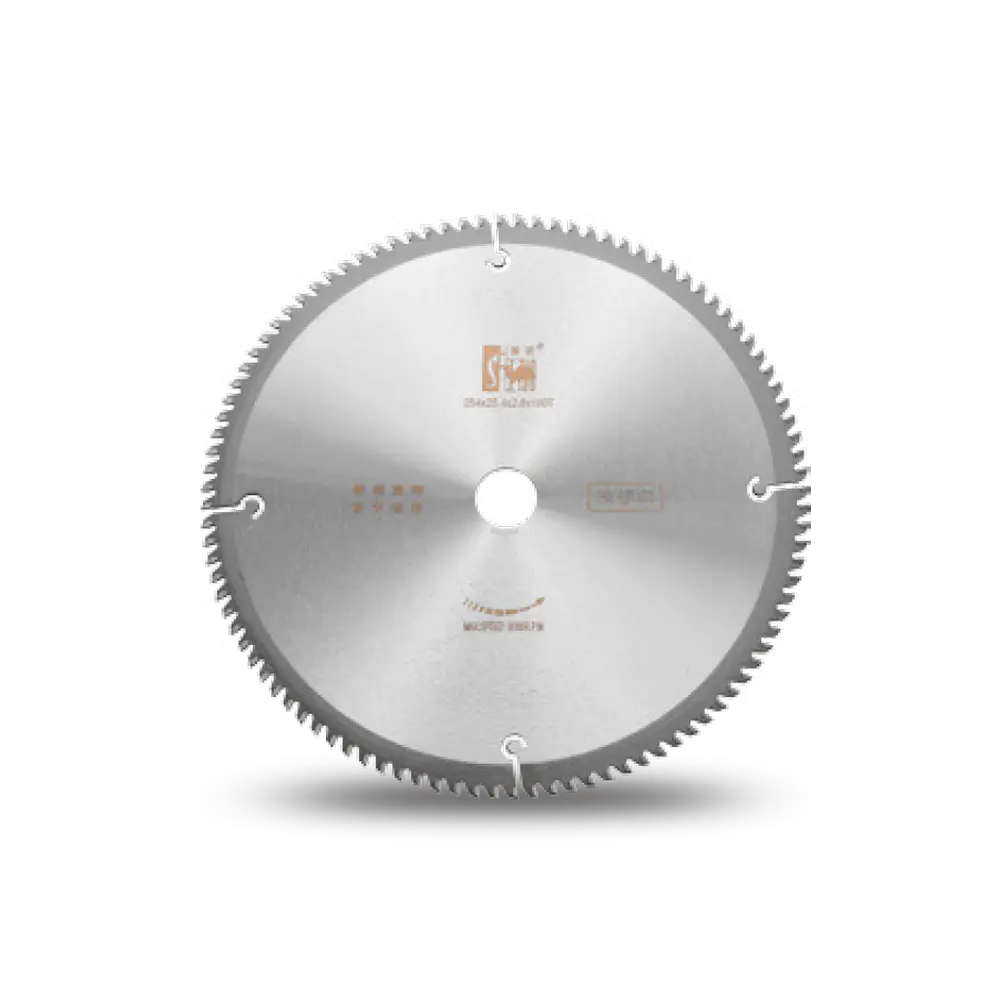
What Actually Sets These Blades Apart From Older Designs?
A circular saw blade does its job through a ring of rotating teeth chewing through material as it spins. How well that works depends on tooth shape, blade thickness, and what the actual cutting edge is made from.
Carbide-tipped blades attach small pieces of carbide right onto each tooth, giving the cutting edge something a lot tougher than plain steel.
A few reasons people reach for these:
| Feature | What It Actually Does |
|---|---|
| Carbide-tipped teeth | Handles a wider range of materials without dulling fast |
| Tough cutting edges | Stays sharp longer through repeated use |
| Even tooth spacing | Produces cleaner, more consistent cuts |
| Adjustable blade styles | Fits into different jobs depending on the setup |
Nobody's building one blade to handle every material perfectly. What actually happens is manufacturers adjust tooth count, angle, and spacing depending on what that specific blade is meant to cut.
How Does One of These Blades Actually Handle Wood?
Wood shows up constantly in circular saw work, but "wood" covers a lot of ground — solid lumber, plywood, MDF, laminate flooring, all cutting a bit differently from each other.
A tungsten carbide tipped blade gets used across plenty of wood-related jobs:
- building furniture
- framing and general construction
- cabinet building
- general wood processing
- trim and interior finish work
The carbide tips hold their edge a lot longer than plain steel teeth would through the same amount of cutting, which means fewer stops to swap blades mid-project.
Tooth design still matters a lot here. A blade meant for rough framing cuts looks pretty different from one built for a clean finish cut on trim work — fewer, more aggressive teeth for speed, more teeth spaced closer together for a smooth edge.
Matching the blade style to the actual job in front of you makes a real difference in how the cut turns out.
Can These Blades Actually Cut Through Metal?
Cutting metal isn't the same ballgame as cutting wood. Metal pushes back harder against the blade, generates more heat, and demands a sturdier tooth setup.
Some carbide-tipped blades are built specifically with metal cutting in mind, showing up in work involving:
- sheet metal
- tubing
- fabricated metal parts
- various industrial components
What actually happens during the cut depends on the metal type, how thick it is, what saw it's running on, and whether the blade was actually built for that kind of material.
Grabbing a wood-cutting blade and running it through metal is a good way to ruin both the blade and the cut — the teeth just aren't built to handle that kind of resistance. Picking the right blade for the actual material matters here more than almost anywhere else.
Metal cutting also usually comes with extra considerations around safety gear, cooling the blade during longer cuts, and dialing in the right saw settings before starting.
Why Do These Blades Work Well on Composite Materials Too?
Composites mix different materials together to get a specific result — strength, look, weight, whatever the application calls for. That mixed structure is exactly what makes them tricky to cut cleanly.
Carbide-tipped teeth tend to handle that mixed structure better than softer blade materials would, since they're not as easily worn down by whatever mix of fibers, resins, or layers make up the composite.
A few places composite cutting shows up:
| Material | Where It Gets Used |
|---|---|
| Laminated panels | Furniture and interior finishing |
| Composite boards | Building materials and general manufacturing |
| Engineered materials | Industrial processing lines |
| Decorative panels | Surface and finish work |
Picking the right blade here cuts down on problems like chipped edges or torn layers, which show up fast when the wrong tooth design meets a layered material.
How Much Does Tooth Design Actually Change the Outcome?
The teeth are doing most of the actual work on any circular saw blade, and their shape, spacing, and angle shape how the blade interacts with whatever's underneath it.
Different jobs call for genuinely different tooth setups. Worth thinking through:
- how fast the cut needs to happen
- what kind of finish the surface needs to end up with
- how hard or dense the material actually is
- what the production line actually demands
- what equipment the blade's going to run on
A blade built for tearing through rough lumber fast looks nothing like one designed for a clean finish cut on cabinet-grade plywood — fewer teeth versus more, aggressive angles versus finer ones.
Carbide-tipped blades give manufacturers room to adjust all of this depending on the job, which is really why the same basic blade concept ends up serving so many different industries at once.
Where Do These Blades Actually Show Up Across Different Trades?
Woodworking shops
Furniture builders and cabinet makers lean on circular saw blades constantly for cutting boards, panels, and solid stock.
Construction sites
Crews use these for prepping lumber and other materials on-site, where accuracy during installation actually matters.
Manufacturing plants
Factories run these blades through materials headed into finished products, components, and assemblies.
Interior and finish work
Businesses making decorative panels, custom cabinets, and similar products depend on blades that cut consistently, job after job.
That range of use really comes down to one thing — the blade concept adapts well as long as the tooth design gets matched to the actual material going through it.
How Should Someone Actually Pick the Right Blade for a Job?
Picking a blade means actually thinking through the material and what result you're after, not just grabbing whatever's already mounted on the saw.
A few questions worth working through:
| Question | Why It Actually Matters |
|---|---|
| What's actually being cut? | Different materials need different tooth setups |
| What finish does the cut need? | Surface quality shapes which tooth design fits |
| How often is this blade getting used? | Frequency changes how much durability matters |
| What saw is this running on? | Compatibility affects how well the blade actually performs |
| Is this rough work or fine finish work? | The end goal shapes which blade style makes sense |
A blade that's perfect for framing lumber probably isn't the right pick for finish trim work, and vice versa. Taking a minute to actually match blade to job tends to save a lot of frustration down the line.
How Does Regular Maintenance Affect How Well These Blades Perform?
Even a tough cutting tool needs some basic upkeep to keep performing consistently over time.
A few habits worth keeping up:
- wiping the blade down after use, especially with resinous woods
- checking teeth regularly for chips or damage
- storing blades properly instead of tossing them in a drawer loose
- running the blade under conditions it's actually suited for
- swapping out damaged teeth or replacing the blade when it's genuinely worn
Buildup from resin, pitch, or metal debris can quietly mess with cutting quality over time if nobody's checking for it. Catching that early tends to save both the blade and the material being cut.
For any shop running regular cutting operations, keeping blades maintained is really part of keeping the whole production line predictable.
What Else Actually Shapes the Final Cutting Result?
The blade's only one piece of a bigger picture. A handful of other things play into how a cut actually turns out.
Worth factoring in:
- the condition of the material itself going into the cut
- how the machine's actually set up
- how experienced the person running the saw is
- whether the right blade was picked for the job
- what the cutting environment actually looks like
A well-matched tungsten carbide tipped blade can do a lot of the heavy lifting, but it's not working in isolation. Getting a clean, consistent cut usually comes down to the blade, the material, and the whole setup working together rather than any single factor carrying the job alone.
Tungsten Carbide Tipped Circular Saw Blades keep showing up across so many different trades because the basic design bends to fit whatever's actually being cut — wood one day, certain metals or composites the next. Between the durability of the carbide tips and the flexibility to adjust tooth design for different jobs, these blades end up being a practical fit wherever consistent, accurate cutting is part of the daily routine.
keep in touch
-
We are committed to providing durable, reliable, and efficient cutting solutions for global B2B clients and partners.
-
Useful Links
Home Products About Us Manufacturing Custom Service News Contact Us -
Contact Us
+86-579-89270208
+86-579-89270636ch001@changhengsaws.comNo. 102, Huacheng East Road, Chengxi Industrial Zone, Yongkang, Zhejiang, China -
Mobile Web
