



How a TCT Chop Saw Blade Cuts Faster and Saves Time
One Source for Every Cutting Blade Need
Slow cuts, frequent blade swaps, and heat marks on finished edges are familiar frustrations for anyone running metal cutting operations at volume. When output targets are tight and the saw is the bottleneck, the problem usually traces back to the blade rather than the machine. A TCT Chop Saw Blade addresses these issues through its construction, not through marketing claims, and understanding the mechanics behind it makes the performance difference easy to evaluate.
What Separates a TCT Blade From Other Cutting Options?
The Construction Is Where the Difference Begins
A TCT (Tungsten Carbide Tipped) chop saw blade combines a hardened steel body with individual carbide tips attached to each tooth. That might sound simple, but it changes how the blade behaves under load compared to an abrasive wheel or a solid HSS blade.
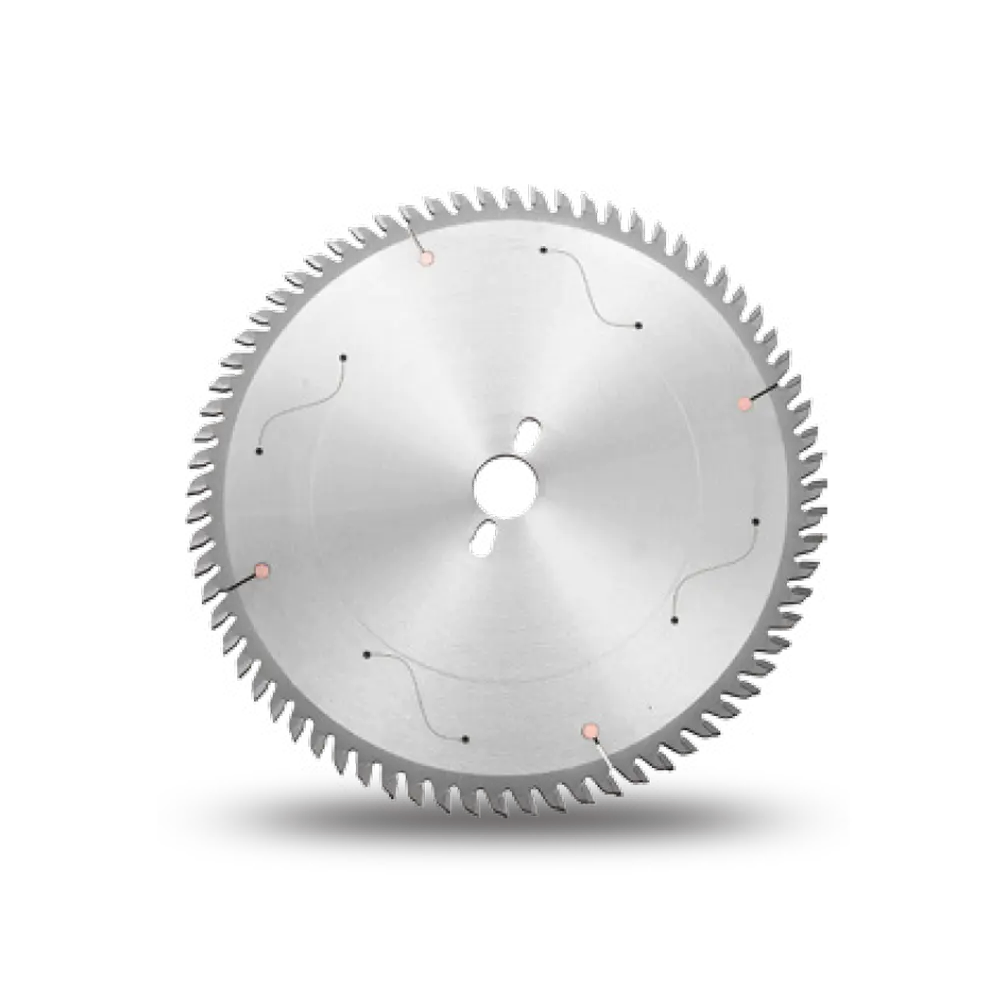
Abrasive wheels grind through material by wearing themselves down in the process. HSS blades are made from a single alloy, which means the same material doing the cutting is also absorbing the heat and stress of every pass. A TCT blade separates those two jobs: the steel body handles structure and vibration absorption, while the carbide tips handle the actual cutting contact.
The key components and what they each do:
- Steel body: Keeps the blade rigid and manages vibration during the cut
- Carbide tips: Make direct contact with the material; retain their edge far longer than steel
- Gullets (the spaces between teeth): Pull cut chips away from the cutting zone so they do not reheat or pack in
- Hook angle: The lean direction of each tooth, tuned for different materials and cutting behaviors
Does Tooth Shape Actually Affect How Fast the Blade Cuts?
It Does, More Than Most Operators Realize
Tooth geometry on a TCT Chop Saw Blade is engineered for specific cutting conditions. The angle, spacing, and profile of each tooth determine how aggressively the blade enters material, how cleanly chips are cleared, and what the cut surface looks like afterward.
A few geometry factors worth understanding:
- Positive hook angle: Teeth angled forward bite into material more aggressively, which speeds up cutting on softer metals and wood composites
- Negative hook angle: Teeth angled backward slow the entry slightly but produce a cleaner cut on harder materials like structural steel or thin-walled tubing
- Tooth pitch: Fewer teeth per inch means larger gullets and faster chip removal, which helps throughput. More teeth per inch slows the cut but delivers a finer finish.
For general chop saw work on metal, a moderate tooth count with precisely ground carbide tips tends to strike a workable balance between speed and finish quality. The right configuration depends on what you are cutting regularly.
Carbide Holds Its Edge — Here Is Why That Matters in Practice
Heat Is What Kills Cutting Performance, and Carbide Handles It Differently
When a blade cuts through metal, every tooth generates heat at the contact point. In HSS blades, that heat gradually softens the cutting edge. The blade still cuts, but it works harder to do so, slows down, and produces rougher edges. Abrasive wheels face a similar pattern — they begin degrading from the moment they first contact material.
Carbide behaves differently under heat. It retains its hardness at temperatures that would compromise steel alloys, which means the cutting geometry stays consistent across a longer working period. A few reasons why this holds:
- Carbide's hardness does not drop significantly at the temperatures generated in typical chop saw applications
- The brazing method used to attach tips keeps them mechanically stable under the lateral forces of a cross-cut
- Precision grinding of each tip before the blade leaves the factory ensures consistent tooth geometry throughout the blade's working life
The practical effect: a TCT blade running through its fourth hour of use performs more comparably to its first hour than an abrasive or HSS alternative would. That consistency matters when you are cutting to tight length tolerances across a production run.
What Does Heat Management Have to Do With Cutting Speed?
More Than the Blade Is Affected When Heat Builds Up
Heat slows things down in ways that are not always obvious. It affects the blade, but it also affects the workpiece. Cut ends on stainless steel or aluminum that have been exposed to excessive heat often require additional finishing work, which adds time downstream that does not show up in blade speed comparisons.
A TCT Chop Saw Blade keeps heat lower through a few mechanisms working together:
- Cutting rather than grinding: Carbide tips shear material cleanly rather than abrading it, which generates less friction heat per unit of material removed
- Chip evacuation: Gullets carry cut material out of the kerf efficiently, preventing chips from packing in and reheating at the contact point
- Narrower kerf: Less material removed per pass means less total energy converted to heat during the cut
For stainless steel, aluminum, and other heat-sensitive materials, this matters beyond blade wear. Keeping the cut zone cooler preserves material properties near the cut edge and reduces finishing requirements.
The Hidden Time Cost That Blade Longevity Directly Reduces
Downtime Adds Up Faster Than Most Production Schedules Account For
Cutting speed is easy to measure on a single pass. What is harder to account for is the cumulative time lost to blade changes, machine cooling periods, and setup resets. In a full production shift, these interruptions can represent a significant portion of total operating time.
A TCT Chop Saw Blade reduces that lost time in a few ways:
- Fewer blade changes per shift: Carbide-tipped teeth outlast abrasive wheels and HSS blades under comparable cutting loads, so the intervals between changes stretch out
- Consistent performance across the blade's life: Unlike abrasive wheels that slow progressively from the moment of first use, TCT blades hold their cutting behavior until the tips are genuinely at end of life
- Resharpenability: When carbide tips do wear, many TCT blades can be sent for professional resharpening and returned to service rather than being discarded. This extends the economic life of each blade.
For anyone managing blade inventory and scheduling in a production environment, these factors reduce both direct cost-per-cut and the operational friction of frequent replacements.
TCT vs. Alternatives: A Straightforward Comparison
| Feature | TCT Chop Saw Blade | Abrasive Wheel | HSS Blade |
|---|---|---|---|
| Cutting speed per pass | High | Moderate | Moderate |
| Heat generated | Low to moderate | High | Moderate to high |
| Blade lifespan | Long | Short | Medium |
| Cut surface quality | Clean, low burr | Rough, heat-affected | Moderate |
| Replacement frequency | Low | High | Medium |
| Resharpenable | Yes | No | Limited |
| Material range | Metals, aluminum, steel | Metal (general) | Metal, wood |
Results vary based on material hardness, machine condition, feed rate, and operator practice. This reflects general performance patterns rather than fixed values.
Where Do TCT Blades Make the Clearest Difference?
Some Applications Bring Out More of the Performance Advantage Than Others
Not every cutting job pushes a blade to the point where material choice becomes the deciding factor. But in environments with high daily cut volume, tight dimensional requirements, or materials that react poorly to heat, the gap between TCT and alternatives widens noticeably.
Applications where the advantages tend to show up clearly:
- Structural steel fabrication: Repeated cuts through H-beams, angle profiles, and hollow sections benefit from consistent tooth performance and reduced heat output
- Aluminum extrusion work: Carbide handles aluminum's tendency to stick and load onto cutting surfaces better than abrasive alternatives
- Stainless steel tube and pipe: Low-friction cutting preserves material integrity near the cut zone, which matters for applications with appearance or weld-prep requirements
- Construction site metal cutting: Blade longevity and cutting speed together reduce delays when a defined number of pieces need to be processed per day
- Production workshop environments: Predictable blade life simplifies inventory planning and reduces unplanned downtime
Buying the Right TCT Blade: What Actually Matters
Several Variables Interact, and Getting Them Right Saves Money
Choosing a TCT Chop Saw Blade involves more than picking a diameter. Several configuration decisions affect whether the blade performs well in a specific setup.
What to evaluate before purchasing:
- Diameter and bore size: These must match the saw. A mismatch creates safety risks and poor cutting geometry.
- Tooth count: Fewer teeth cut faster with rougher results; more teeth cut slower with cleaner finishes. Match to your actual finish requirement rather than defaulting to one or the other.
- Hook angle: Positive for aggressive feed on softer metals; negative for harder materials and controlled entry
- Carbide grade: Different grades are formulated for different material types. Confirm the blade is specified for what you regularly cut.
- Kerf width: Narrower kerfs waste less material and reduce energy per cut, but require a well-maintained, stable machine
- RPM rating: The blade's rated speed must meet or exceed the saw's operating speed
Running through these factors before purchase avoids the situation where a blade that performs well in one application underperforms in a different one — a common outcome when blades are selected on price alone.
Getting Consistent Results in Day-to-Day Use
How the Blade Is Used Affects How Long It Performs
A TCT blade delivers its intended performance when the machine and operating practices support it. Many inconsistent results trace back to setup and handling rather than the blade itself.
Practices that protect performance:
- Clamp the workpiece firmly: Movement during the cut causes tooth deflection and uneven wear
- Use appropriate feed pressure: Forcing the blade faster than its design allows overloads carbide tips and shortens service life
- Keep the machine in good condition: Worn spindle bearings or guide misalignment affect blade behavior regardless of blade quality
- Inspect before use: Cracked tips, missing carbide, or body damage are reasons to pull a blade from service
- Store blades flat or on purpose-made hooks: Stacking blades improperly damages carbide tips before they ever reach the saw
None of these are complicated habits, but they compound in their effect on how long a blade lasts and how consistently it performs.
Bringing It Together
The speed and efficiency gains from a TCT Chop Saw Blade come from a combination of factors rather than any single feature. Carbide tip hardness, tooth geometry suited to the material, efficient chip clearance, and heat resistance all contribute to a result that extends beyond single-pass cutting speed. Across a full shift or production run, the effect shows up as fewer blade changes, more consistent cut quality, less rework on finished edges, and a more predictable relationship between input materials and finished output. For operations where metal cutting is central to daily throughput, that combination represents a meaningful productivity difference. To explore TCT blade configurations matched to your specific material types, machine setup, and cut volume, Zhejiang Changheng Tools Co., Ltd. provides manufacturing and customization options that can be aligned with your operational requirements. Sharing your application details allows for a more targeted recommendation.
keep in touch
-
We are committed to providing durable, reliable, and efficient cutting solutions for global B2B clients and partners.
-
Useful Links
Home Products About Us Manufacturing Custom Service News Contact Us -
Contact Us
+86-579-89270208
+86-579-89270636ch001@changhengsaws.comNo. 102, Huacheng East Road, Chengxi Industrial Zone, Yongkang, Zhejiang, China -
Mobile Web
